
Blue Prince’s solo creator finished a masterpiece – and won’t put his body through it again
Tonda Ros spent roughly eight years building Blue Prince, often clocking what he describes as 80-hour weeks, and the game landed as an award-winning roguelike-puzzle hybrid. Now that the celebratory headlines have run their course, Ros is blunt: he “physically” cannot repeat an effort that intense, and he’s ruling out a direct sequel. That admission matters because it strips away the romance of the lone auteur making a decade-long opus – it exposes the human cost behind the indie miracle.
- Key takeaway: Blue Prince exists because one person burned extremely bright for a long time – and he won’t do it again.
- Ros’s next projects will be standalone and smaller; he plans to reuse ideas that “really worked” without repeating the same scale of toil.
- This isn’t a PR-friendly pivot: it’s an indictment of the unsustainable solo-dev model for ambitious games.
Table of Contents (6)
This is what eight years of solo crunch produced — and what it cost
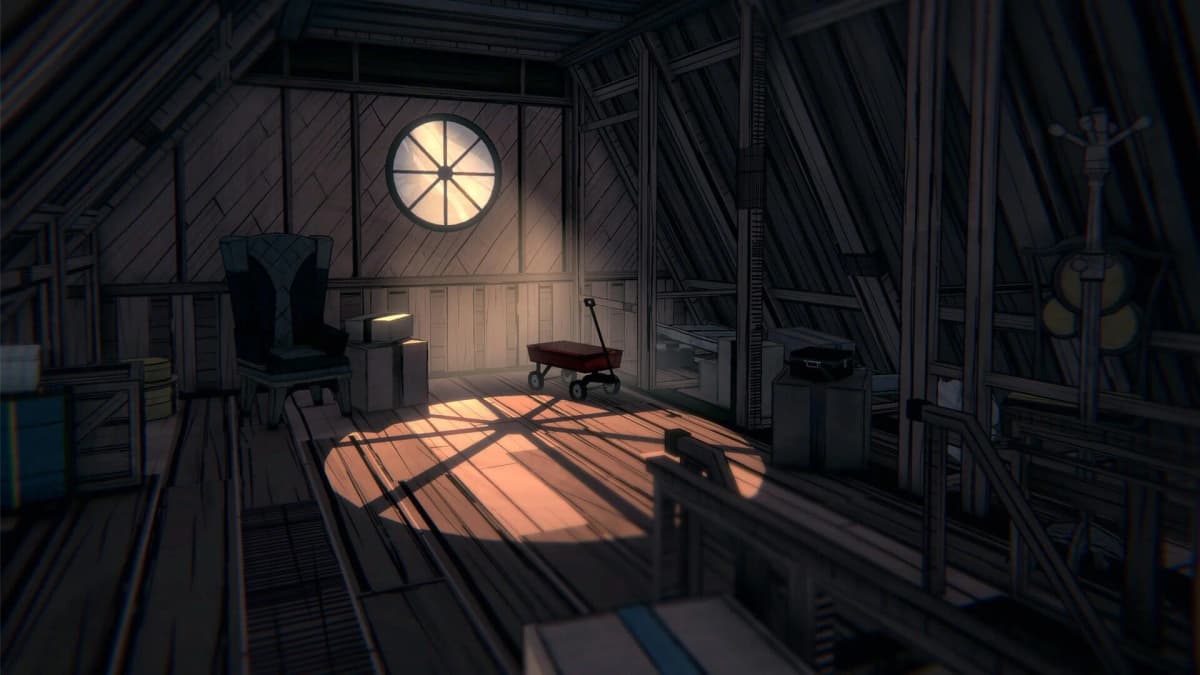
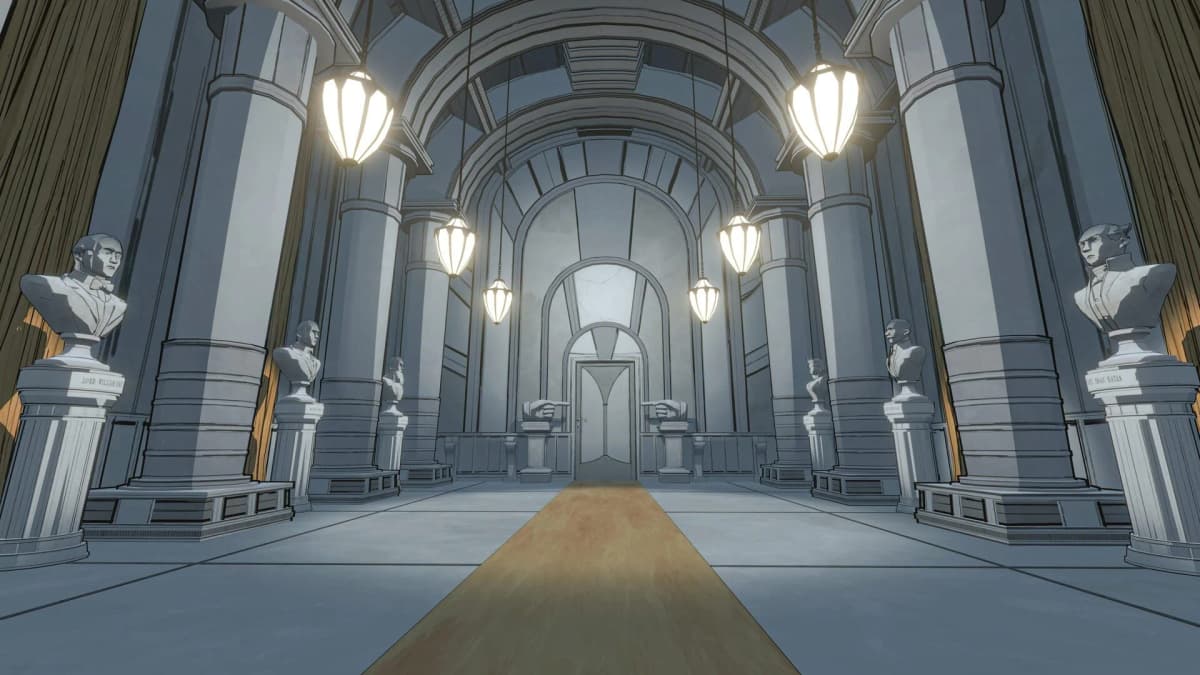
Blue Prince began around 2016 as two very different prototypes — a tabletop drafting experiment and a first-person mansion-puzzle — that Ros merged after prototyping in Unity. He left his job, lived off savings and ad revenue from a Magic: The Gathering site he ran, and worked mostly alone. He did bring on a few collaborators late in the run: art director Davide Pellino, who spent three years building a custom visual language, and the jazz duo Trigg & Gusset for soundtrack atmosphere. Otherwise, it was Ros handling design, code, systems and long-term vision by himself.
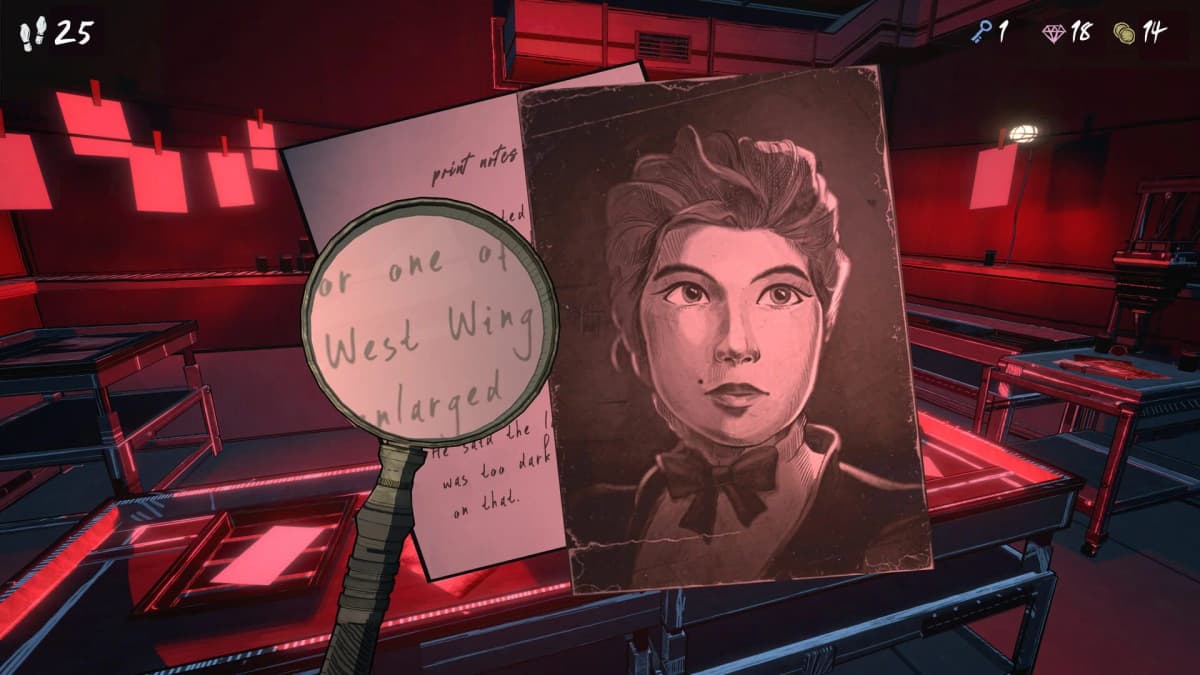
The payoff is real. Blue Prince launched April 10, 2025 on PC and consoles via Raw Fury, found a passionate audience for its drafting-plus-layout mechanics, and picked up major industry recognition — including D.I.C.E. Awards for Outstanding Independent Game and Game Design. Critics praised its puzzle innovation and visuals, and players dug into its secrets and meta progression systems.
Why Ros saying “I can’t do this again” matters beyond one developer
There’s a comforting myth in indie circles: lone geniuses toil in obscurity, then emerge with a masterpiece. Ros’s story fits that myth visually, but his statement punctures the glamour. When a game requires eight years of near-constant overwork to reach release quality, the model is not just risky — it’s unsustainable. That matters for anyone trying to judge what indie success looks like going forward: high ambition usually means trade-offs that aren’t visible in sales numbers or awards.
Ros’s choice to avoid a sequel is also instructive. He’s said he’ll keep making games, but prefers standalone projects that mix elements that “really worked” on Blue Prince while staying “fresh.” That suggests future indie hits may come from smaller, iterative scopes or from genuinely collaborative teams — not repeatable, solo-fueled marathons.
The thing Ros’s PR won’t say (but you should notice)
Publishers and interviews celebrate the product and the awards. They rarely examine the personal health bill. Ros openly framing Blue Prince as “likely the most ambitious game I ever make” because he “doesn’t think I physically can do this again” is the admission the PR narrative avoids: heroic indie development can be destructive. If the industry applauds those outcomes without changing how ambitious indies are funded or staffed, the next generation of solo devs will face the same false choice—burn out or never ship.
What Ros actually plans next
Ros isn’t quitting game development. He comes from a filmmaking background and says the creative control games offer keeps him in the field — so expect more Dogubomb posts and experiments. But he’s explicit: no Blue Prince sequel, and future projects will be smaller, standalone, and designed with sustainability in mind. Practically that means shorter scopes, selective outsourcing, or collaborating earlier in development.
What to watch
- Dogubomb/Steam updates for Ros’s next project hints — he’s said he’ll mix elements that worked but keep things fresh.
- Blue Prince 1.x patches and the rollout of promised cinematics and polish — that post-launch work is still ongoing.
- Community activity on Discord/Reddit for emergent strategies and any post-award sales spikes after D.I.C.E. recognition.
If I were in the room with Raw Fury or Ros’s PR, I’d ask: will future Dogubomb projects be funded or staffed differently to avoid repeating this human cost? That one question reveals whether this interview is a personal vow or an industry-wide opportunity to rethink how we support ambitious indie creators.
TL;DR
Tonda Ros spent eight years working extreme hours to finish Blue Prince. The game won awards and built a dedicated fanbase — but Ros says he “physically” can’t do another project at that scale and is ruling out a sequel. It’s a small, honest moment that should force the indie scene to reckon with sustainability and how ambitious games are actually made.
FinalBoss // Gear
Level up your setup
01Top-rated gaming headsetson Amazon→02High-refresh gaming monitorson Amazon→03Gaming chairson Amazon→04Discounted game keyson Kinguin→Affiliate links · As an Amazon Associate, FinalBoss earns from qualifying purchases.
Want to Level Up Your Gaming?
Get access to exclusive strategies, hidden tips, and pro-level insights that we don't share publicly.
Ultimate Gaming Strategy Guide + Weekly Pro Tips