
Table of Contents (7)
The moment I realised “launch day chaos” had stopped being cute
The first time an MMO expansion let me down, I shrugged it off. I’d booked a day off work, stacked snacks on my desk, logged in the second the servers went live… and then spent six hours staring at a queue that might as well have been a screensaver. Annoying, yeah, but it felt like a shared rite of passage. “That’s just MMO launches,” everyone said in chat, when chat actually loaded.
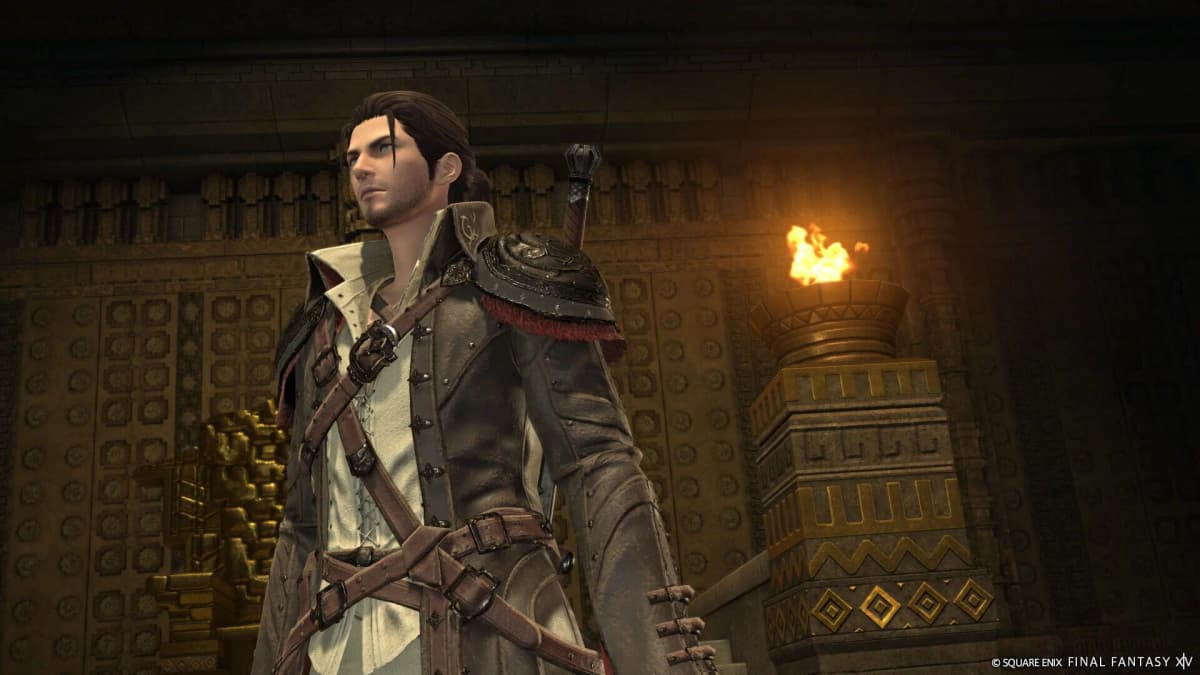
By the time Final Fantasy XIV: Endwalker rolled around, that joke had worn thin. This was a game I’d poured years into. I’d watched Naoki Yoshida apologise in advance, seen them delay the expansion by two weeks to “polish” things, and I still hit a wall of error codes and multi-hour queues so brutal they had to pause sales of the game and hand out free subscription time. I remember sitting there, watching my queue position go backwards because of disconnects, thinking: why am I paying for this privilege?
Fast forward to this year, and along comes another MMO expansion – let’s call it Midnight, as in the recent column that kicked this debate into gear. Different game, different team, same pattern: overhyped launch, busted systems, and in this case, a loot bug that could quietly nuke your progression in the new content. Not just annoying; genuinely undermining the main thing you’re paying for: new stuff to earn, new places to push your character.
At some point, “this is just how MMO expansion launches work” stopped sounding like community wisdom and started sounding like a cop-out. That’s my line in the sand now: if I’m paying for progression, then expansion launches that literally block that progression aren’t a charming inevitability. They’re a failure.
Why MMO expansions are a technical nightmare (and why I still care)
I’m not blind to the reality behind the curtain. I’ve been playing online games long enough to know an MMO expansion isn’t just “more levels” stitched on like DLC. You’re bolting new zones, dungeons, quest chains, currencies, loot tables, and sometimes entire combat systems onto a live game that’s been running for a decade. In FFXIV’s case, you’re stacking Endwalker’s content on top of Heavensward, Stormblood, Shadowbringers, plus years of events, side systems, and spaghetti that nobody dares touch unless they absolutely have to.
Then you have to scale that for a launch day concurrency spike that no internal test bed can realistically mimic. You’re suddenly dealing with hundreds of thousands, sometimes millions of players slamming the same login servers, trying the same quests, hitting the same instanced story fights, crowding the same new zones. If you’ve ever watched the aftermath of a big ARPG league launch or a new live-service season, you’ve seen versions of this: disconnects, queues, rubber-banding, weird UI bugs that only surface when the population hits a certain threshold.
So yeah, when people say “MMO launches are hard,” they’re not wrong. They’re also not saying anything new. We’ve had 20+ years of this. The technical complexity is real, but it’s also known. And that’s where my patience starts to fray. Because if everyone understands that expansion launches are a uniquely fragile moment, why are we still seeing the same progression-breaking failures, dressed up as unfortunate surprises?
Not all launch bugs are created equal
Part of the problem is that we bundle all “launch issues” into one big emotional mess. People talk about Endwalker’s queues and Midnight’s loot bug like they live on the same spectrum, when in reality they belong in totally different categories.
Here’s how I break it down from the player side of the screen:
- Category A: Cosmetic and minor QoL bugs. The NPC lip-syncs are off. A mount animation clips through a wall. The new UI theme freaks out at 144Hz. Annoying? Sure. Deal-breakers? No. You fix these over the first few patches; nobody’s progression is on the line.
- Category B: Annoying but survivable gameplay issues. Mob pathing gets weird in a new dungeon. A quest marker is slightly misplaced. The matchmaking UI hiccups, but you can requeue. These chip away at the “polish” illusion, but they don’t stop you playing the expansion in any meaningful way.
- Category C: Progression blockers and access failures. This is where I lose tolerance. Critical quest chains that softlock. Loot bugs that rob you of rewards or invalidate hours of grinding. Server meltdowns and queues so long that you effectively cannot access the content you paid for during the launch window.
The Endwalker launch lived in Category C for a lot of people, even if the underlying issue was raw demand and hardware constraints rather than a specific busted quest. If you can’t log in, you can’t progress. Full stop. Square Enix at least did the grown-up thing: acknowledged the problem, explained the semiconductor shortages, cut off new sales, and comped game time. It still wrecked an awful lot of people’s carefully planned launch weekends.
Midnight, from what we’ve seen, is a different flavour of Category C: on-paper access works, but a critical system – loot progression in the new content – is unreliable enough to undermine the entire loop. You’re doing what the expansion asks you to do, but the game can’t reliably pay out. That is fundamentally worse than a texture bug or a quest NPC that takes too long to spawn. It speaks to core systems not being ready for prime time.
When “just wait for the patch” stops being a reasonable answer
MMO players are wired to be weirdly forgiving. We live in games that ship patch notes as a core part of the culture. We expect balance tweaks every few weeks, we accept that encounter design gets iterated on after world-first races, we live with the fact that our favourite job might get gutted or buffed into the stratosphere between major patches. That’s part of the deal.
But there’s a difference between ongoing tuning and shipping an expansion where the main advertised progression is held together with duct tape. When a dev studio shrugs and says “we’re working on it, look out for a hotfix” in relation to the only new raid tier, the new artifact system, or the big chase legendary everyone bought the box for, that’s not “live service reality.” That’s you selling access to a rollercoaster that you know might fly off the track.
The whole business model of expansions is built around a hype window. You pay for the pre-order, you sub up, you clear your schedule for launch week because that’s when your static is excited, your friends are online, your FC or guild is buzzing, and the internet hasn’t fully spoiled everything. If the game is effectively unplayable — either because you can’t log in, or because the risk of losing progress is too high — the studio isn’t just wasting your time. They’re cashing in on anticipation they haven’t actually earned yet.
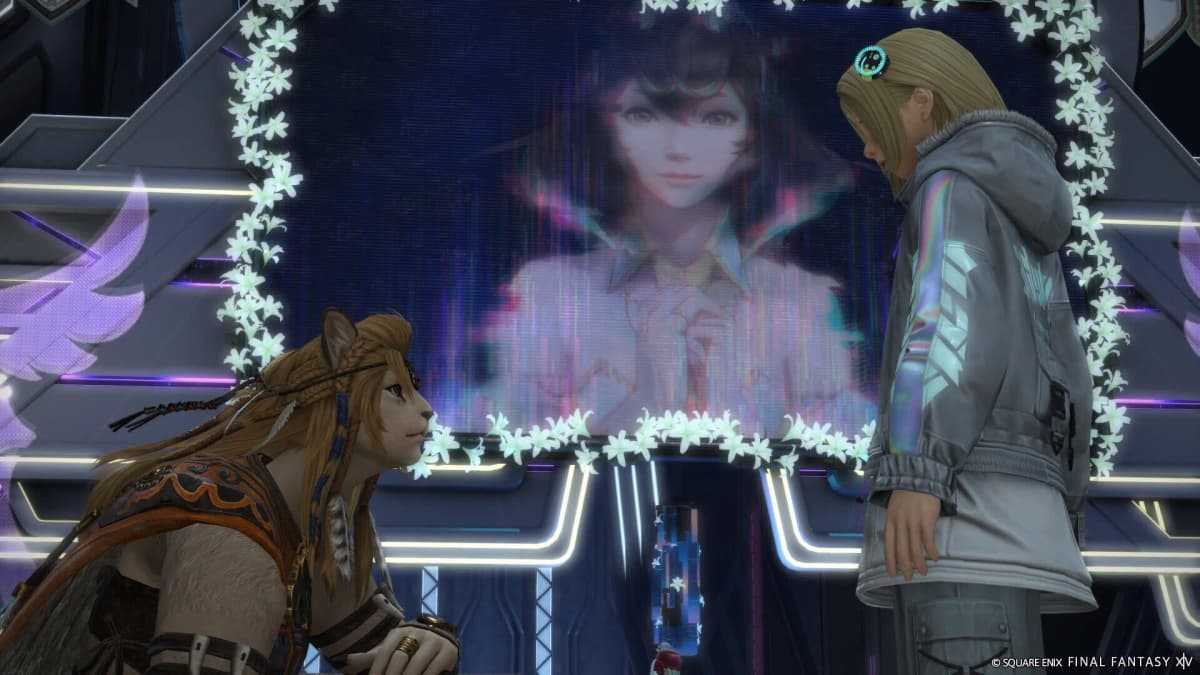
If someone ran a poll asking “Is this acceptable for a paid MMO expansion?” my answer after Endwalker and Midnight is: only up to a very specific point. A buggy cutscene? Fine. A 20-minute login queue on Friday night? Whatever. But if my new expansion experience consists of staring at an error code or wondering if the loot I just earned will even stick, that’s not something I should have to just swallow because “MMOs are hard.”
Yes, I sympathise with devs. No, that doesn’t mean infinite patience.
It’s tempting, especially if you follow development closely, to internalise the studio’s pain. You see the interviews about scaling challenges, you read about how their QA department can’t possibly replicate a million concurrent users trying to instance into the same story duty, and you want to cut them slack. I’ve watched what happens when players decide every issue is malicious or lazy; that’s just as stupid as pretending everything is fine.
But empathy doesn’t magically turn a bad launch into an acceptable one. Understanding why something failed is not the same as being obliged to be okay with it failing. If a racing sim launches with broken force feedback, I can fully appreciate the complexity of physics modelling and still say, “You should not have shipped like this.” MMO expansions don’t get a free pass just because their moving parts are more numerous.
The uncomfortable truth is a lot of this comes down to business decisions, not just engineering difficulty. Release dates are set to hit quarterly targets, line up with marketing campaigns, and avoid clashes with competitors. Cutting scope, delaying again, or running another brutally honest public test costs money. Sometimes studios choose to eat that cost — FFXIV delaying Endwalker at the last minute showed they’re willing, even if it didn’t save them from the queue hell they feared.
But too often, you can feel when they’ve decided that shipping broken and patching later is an acceptable risk. When you see something like Midnight’s loot bug hit live servers, you can’t help wondering who signed off on that. Was it truly invisible to QA? Did it only emerge at scale? Or did they know there were edge cases and gamble that it wouldn’t be bad enough to dent the launch week narrative?
Where I draw the line for “acceptable” expansion launches
I don’t think it’s realistic to demand perfectly smooth MMO expansion launches. That’s not even the standard we apply to single-player games anymore, and they don’t have to wrangle half a million concurrent players trying to punch the same story boss. Some level of chaos is basically baked into the genre.

But “some level of chaos” is not a blank cheque. For me, if you want to charge for an expansion and continue taking subscription money, there are baseline expectations that are non-negotiable:
- Core progression systems must be reliable at launch. If your expansion’s main hook is new loot, new levels, new gear upgrading, or new account-wide unlocks, those systems need to work. Not “probably.” Not “once in a while they bug out.” If QA hasn’t hammered them from every angle, you’re not ready.
- Login and server stability need to be acceptable within a tight window. I can live with launch day being rough. I can tolerate day two still being a bit wobbly. But if, 72 hours after launch, a paying player still can’t reasonably log in and play during peak hours, that’s on you. Comped sub time should be the minimum response in those cases.
- Game-breaking quest or raid bugs should be treated as emergencies, not just “known issues.” If an MSQ step or key dungeon is broken for a chunk of your playerbase, that should be a “drop everything and fix it” scenario. If you’re shipping a hotfix a week later, you’ve already failed your most engaged players.
- Communication has to be brutally clear. Don’t handwave, don’t hide behind vague “stability improvements.” Tell people what’s broken, what the risk is, and what they stand to lose — especially if progression or items are at stake. Let adults make informed decisions about whether to play or wait.
Meet those standards and I’m actually pretty forgiving. I’ve put up with random disconnects during world-first race windows. I’ve laughed off goofy visual bugs and janky cutscenes. I’ve queued for new zones and used the time to do chores. None of that undermines the core promise of an expansion: that if you show up and play, the game will respect your time.
How this changes the way I play (and pay for) MMO expansions
After Endwalker, Midnight, and a string of other wobbly launches across the genre, I’ve stopped treating “day one” as sacred. For some games, I still carve out time — FFXIV’s story is good enough that I’m willing to roll the dice, especially now that concurrency has cooled off a bit and they’ve visibly invested in infrastructure. But the automatic preorder, the assumption that I need to be there the second the servers flip? That’s gone.
These days I look for signals. Did they run meaningful stress tests? Are they honest about expected congestion? Do they have a track record of fixing catastrophic issues fast, or do they tend to leave things festering for weeks? When a studio shows me, over multiple cycles, that they take launch stability seriously — even when it means delaying content or eating a marketing hit — I’m far more inclined to give them my launch day money and my time.
When they don’t, I treat expansions the way I treat most big-budget single-player releases now: wait a few days, watch how bad the fires are, and only step in once it’s clear I’m not volunteering to beta test paid content. That sucks, because MMOs are at their most electric when everyone’s discovering things together. But I’m not going to keep burning annual leave and sub fees on the hope that this time the launch won’t be a mess.
I still love these games. I’ll keep grinding tomestones in FFXIV, keep checking out new worlds when they genuinely earn my curiosity. But after seeing the same mistakes play out from Endwalker’s queues to Midnight’s loot fiasco, I’m done pretending that broken expansion launches are some unavoidable act of God. They’re not. They’re a choice, made by people who know exactly what’s on the line when they push that big red “go live” button — and it’s on them, not us, when that choice blows up.
FinalBoss // Gear
Level up your setup
01Graphics cardson Amazon→02Gaming laptopson Amazon→03High-refresh gaming monitorson Amazon→04Discounted game keyson Kinguin→Affiliate links · As an Amazon Associate, FinalBoss earns from qualifying purchases.
Want to Level Up Your Gaming?
Get access to exclusive strategies, hidden tips, and pro-level insights that we don't share publicly.
Ultimate Gaming Strategy Guide + Weekly Pro Tips