
World of Warcraft just shipped a feature that should have happened years ago – and, crucially, Blizzard didn’t try to turn it into another gear treadmill. Midnight’s new housing system is optional, shared, and built around customization and social space rather than player power. In practice that means neighborhoods where friends and guilds can own plots, deep decor options, instancing for private blocks, and a community that’s already organizing guides, guild neighborhoods and even economy workarounds days into early access.
Table of Contents (7)
Key takeaways
- Midnight’s housing is optional and cosmetic-first – it doesn’t grant gameplay power or wealth advantages.
- Houses live in shared faction “neighborhood” maps with instancing options for guilds or private groups.
- Players are already turning housing into a social project: build guides, YouTube/Discord communities and private neighborhood rollouts appeared during early access.
- Early signs are healthy – creative use, cataloging and community spaces — but game moderation and economy bugs will determine long-term value.
Why this matters — and what Blizzard finally learned from garrisons
Garrisons from Warlords of Draenor were World of Warcraft’s first major stab at a “home base.” They were ambitious, tied to gameplay loops, and quickly calcified into busywork: you check in once to collect resources and never care again. Midnight flips that blueprint. Housing is deliberately decoupled from progression. It exists to be decorated, shared and shown off — not to be gamified into another chase for raid parity.
That’s not a small design choice. The moment a player’s house can make you stronger, it becomes mandatory for competitive play. Blizzard avoided that trap. The result: players who care about personal spaces and social hangouts get a rich feature; everyone else can ignore it without losing a competitive edge.
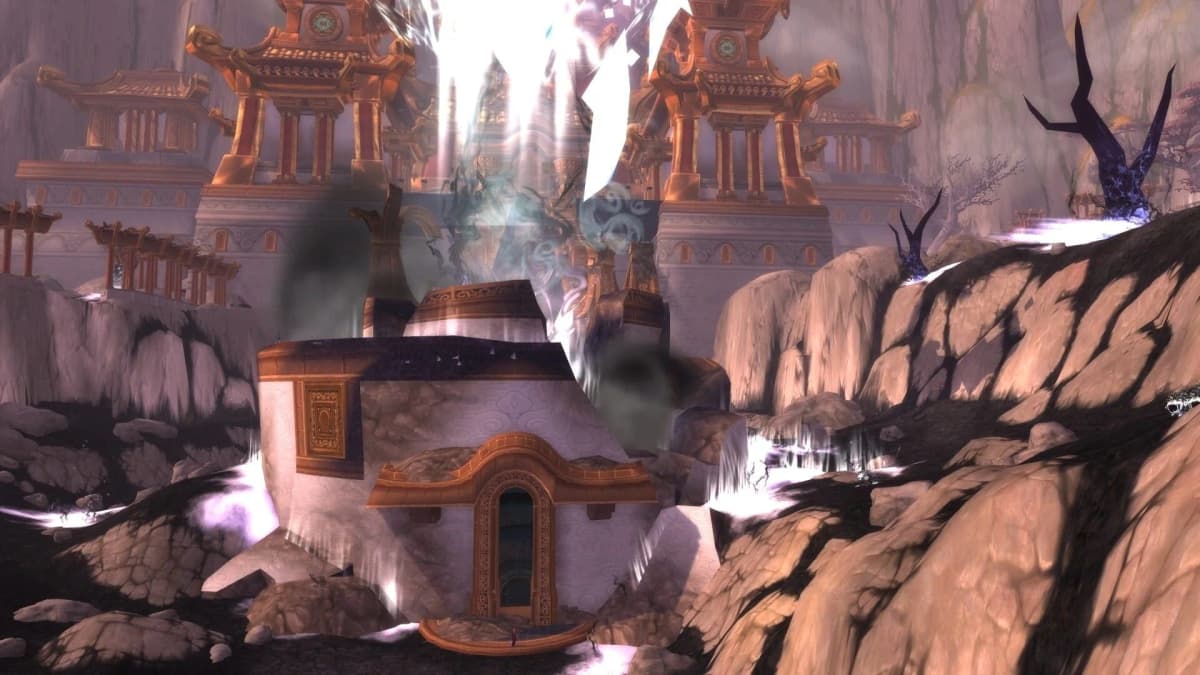
Players are already treating housing like real social infrastructure
Early-access reactions are instructive. Community hubs and creators have launched housing catalogs and build guides. Private guild neighborhoods are already live for groups that pre-purchased Midnight, and early players report that permission tools are robust enough to keep strangers out while letting friends visit. People are doing what they always do when meaningful tools appear: they organize.
That creative energy explains another early sign: players are mining the system. PC Games DE flagged a player-discovered exploit that lets you buy the extremely rare “Perspective of the Shu’halo” painting for 999 gold instead of the advertised max price by farming specific dungeon items. That kind of economy work — clever, sometimes annoying to developers — is exactly what you see when a sandbox system lands in an MMO with a huge installed base.
The uncomfortable observation Blizzard doesn’t highlight
Community features amplify both good and bad social behavior. Midnight’s housing can be a sanctuary from dungeon drama — VidaExtra reported that the expansion’s early days already saw the usual rush-and-shout toxic behavior in low-level dungeons as players sprint for Season 1 gear — but social systems also create new vectors for abuse. Recent reporting (Dexerto) about a repeat stalking arrest in the WoW streaming community is a blunt reminder: shared spaces need enforcement and good tools. The permission options are a start; how Blizzard enforces harassment, identity abuse and doxxing tied to these new social hubs will matter more than any furniture set.
The question I’d ask the PR rep
How will Blizzard balance open neighborhoods (which foster discovery) with protections against harassment and economic manipulation? Concrete signals we need: moderation telemetry for neighborhoods, a timeline for fixes to item-price exploits, and transparency around private-instance ownership limits.

What to watch next
- March 18 — Season 1 launch: expect an increase in dungeon pressure and more eyes on whether housing becomes a refuge or a side battleground for prestige.
- Patches after launch — watch for hotfixes addressing the painting-price trick and other economy exploits flagged by players and outlets like PC Games DE.
- Moderation signals — any developer posts about neighborhood safety, reporting tools or harassment metrics will tell you if Blizzard treats these spaces as social products, not just cosmetics.
- Community metrics — the number of private/instanced neighborhoods and activity in builders’ hubs (Discord, YouTube creators like wowkea-style channels) will show whether housing sustains interest beyond the launch novelty.
If Midnight’s housing stays cosmetic, social, and well-moderated, it could finally give Azeroth the kind of player-driven places other MMOs have built over a decade. If Blizzard lets it slip back into grind, isolation, or poor enforcement, it will remind players why the garrison era left such a sour taste. Early signs are promising: the players are already doing the heavy lifting, turning plots into neighborhoods, guides and social projects. Now it’s on Blizzard to keep the plumbing working and the neighborhoods safe.
TL;DR
Midnight’s housing is the right kind of housing: optional, socialized, and customizable. Players are already organizing guides, private neighborhoods and economy workarounds — good signals. The real test will be how Blizzard handles moderation and fixes to early exploits as Season 1 ramps up on March 18.
FinalBoss // Gear
Level up your setup
01Top-rated gaming headsetson Amazon→02High-refresh gaming monitorson Amazon→03Gaming chairson Amazon→04Discounted game keyson Kinguin→Affiliate links · As an Amazon Associate, FinalBoss earns from qualifying purchases.
Want to Level Up Your Gaming?
Get access to exclusive strategies, hidden tips, and pro-level insights that we don't share publicly.
Ultimate Gaming Strategy Guide + Weekly Pro Tips