

Age of Empires III: Definitive Edition’s expansion plans are firmly back on the board with The Baltic Powers, due to launch on September 10, 2026. Before then, the free open beta running from July 23 through August 6 gives PC players on Steam a short but valuable window to test the two new civilizations, pressure-test the new win conditions, and build a clearer sense of what deserves attention at release.
The priority is straightforward: start with Denmark-Norway and the Polish-Lithuanian Commonwealth in standard matches, then move immediately into Regicide and Independence. Those modes change what a successful game plan has to protect, pursue, and sustain. Save broad map exploration, challenge scenarios, and hero customization review for later, once you have a baseline for both civilizations.
Table of Contents (10)
Beta Access and the Important Dates
The Baltic Powers open beta is available on PC through Steam, and it requires ownership of the base Age of Empires III: Definitive Edition. The beta closes on August 6, 2026, while the full expansion launches on September 10, 2026.
- Open beta: July 23-August 6, 2026
- Full DLC launch: September 10, 2026
- Platform: PC via Steam
- Requirement: Age of Empires III: Definitive Edition
- New civilizations: Denmark–Norway and the Polish–Lithuanian Commonwealth
- New modes: Regicide and Independence
Important: Treat anything learned in the beta as a launch-preparation note rather than a permanent balance verdict. The useful part of this window is identifying repeatable strengths, vulnerabilities, and decision points that you can revisit when the expansion arrives.
Start With Civilization Baselines, Not One-Off Wins
The Baltic Powers adds Denmark–Norway and the Polish–Lithuanian Commonwealth as playable civilizations. Your first goal is to learn how each one feels under comparable conditions before judging either civilization by a single dominant match or a single bad opening.
Test Denmark–Norway First
Use your first Denmark–Norway matches to establish a clean baseline. Keep the opponent type and general match conditions consistent where possible, then focus on the points that matter in a real competitive or co-op setting: how smoothly the civilization establishes its economy, how quickly its early military plan becomes reliable, and how well it can respond when the game stops following its intended script.
- Record whether your opening remains stable after early pressure.
- Pay attention to which decisions feel mandatory and which remain flexible.
- Note the moment when you can safely shift from survival into map control or aggression.
- Repeat the broad approach at least once before deciding that a result reflects the civilization rather than the matchup.
The main trap is mistaking a favorable first game for a complete answer. A strong result can come from the opponent’s mistakes, a forgiving map layout, or an unchallenged economic start. Repetition tells you which parts of the plan still work when the match becomes messy.
Repeat the Same Check With the Polish–Lithuanian Commonwealth
Run the Polish–Lithuanian Commonwealth through the same basic test rather than switching to a completely different experiment. Comparable games reveal practical differences faster than isolated highlights. Keep notes on how each civilization handles early pressure, how much room it has to adjust its plan, and where its momentum begins to build or fall apart.
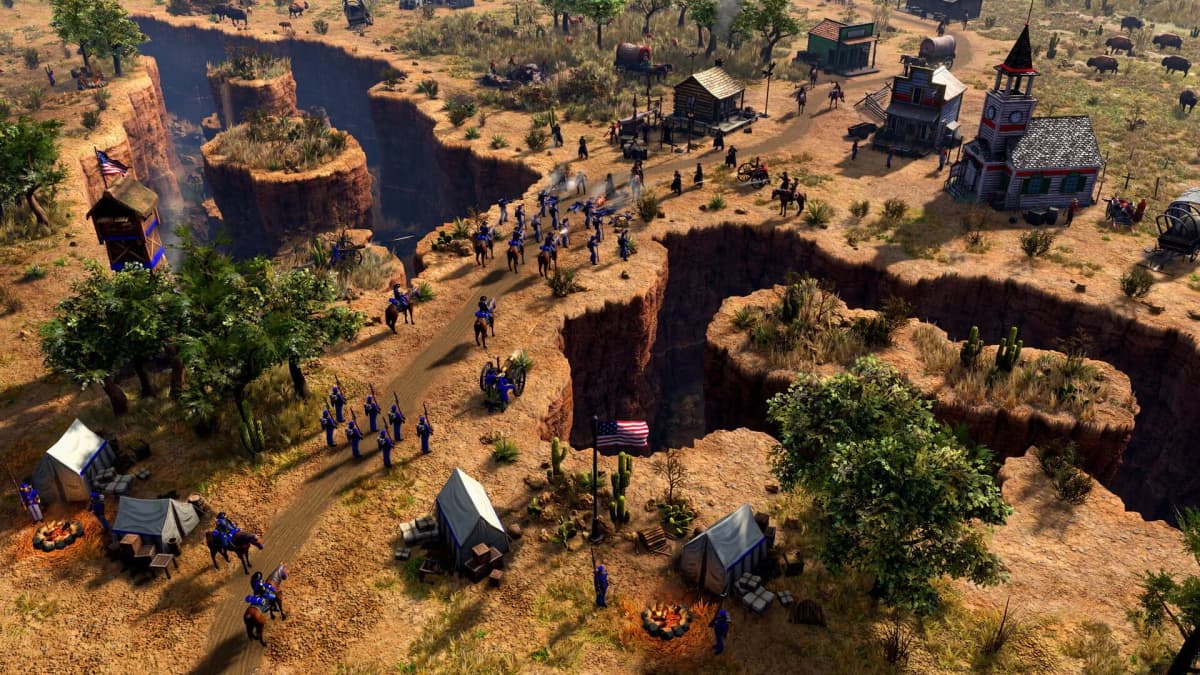
This comparison matters more than trying to find a definitive “best” civilization during the beta. By launch, the valuable knowledge is knowing which civilization suits your preferred pace and which situations demand a more cautious opening.
Make Regicide Your First Mode Test
Regicide should be the first special mode you test because its rule is immediately decisive: eliminating the enemy Regent grants instant victory. That condition changes the entire match from the opening minutes onward. A player can be behind in a conventional battle and still win through a successful strike on the Regent, while an unchecked enemy raid can end an otherwise comfortable game.
Approach early Regicide games as objective-defense drills. Learn how much attention you must reserve for protecting your own Regent, then test how difficult it is to create a credible threat against the enemy’s. The mode rewards players who can keep economic growth, military production, scouting, and objective security connected rather than treating them as separate jobs.
- Track every moment when the Regent changes your movement or army positioning.
- Practice recognizing when an enemy push is a normal attack and when it is an immediate game-ending threat.
- Test whether a direct Regent threat forces an opponent to abandon a stronger economic or military position.
- Review losses by identifying the decision that exposed the Regent, rather than only focusing on the final attack.
Common mistake: treating the Regent as a background objective while committing every unit to a conventional attack. Regicide punishes that habit. Your own offensive timing is only good if it does not leave the instant-loss condition exposed behind it.
Use Independence to Find Plans That Stand on Their Own
Independence changes the strategic foundation in a different way. The mode requires you to win without support from the Home City. That single restriction is the point of the test: identify which parts of a normal plan remain dependable when Home City support is removed, and which parts need to be replaced by stronger in-match fundamentals.
Run Independence with both new civilizations after you have played their baseline games. Focus on building a stable economy, maintaining enough military presence to survive pressure, and avoiding plans that only work if outside support arrives later. A strategy that is excellent in a regular match can become fragile here if too much of its recovery or escalation depends on the Home City.
- Identify the earliest point where your economy becomes self-sustaining.
- Note which military commitments remain affordable without Home City support.
- Practice recovering from an early setback using only the resources and control you have created on the map.
- Compare Denmark–Norway and the Polish–Lithuanian Commonwealth under the same restriction before settling on a preferred approach.
The key lesson from Independence should be discipline. Build plans that can continue functioning under pressure, because the mode removes the safety net that might otherwise repair a weak opening.

Use Maps and Challenge Scenarios for Controlled Practice
The Baltic Powers includes more than 25 new maps, giving the expansion a much larger environment pool than a single civilization test can cover. Use the maps available during the beta to revisit the same civilization and mode tests under different layouts. A plan that feels consistent in one environment may need different priorities when travel distances, attack angles, and the space available for defense change.
Challenge scenarios are especially useful as focused practice when they are available in the beta. Rather than treating them as a one-time completion task, use them to isolate a pressure point: managing an opening under stress, defending an important objective, or finding a cleaner order for your major decisions. Keep the conclusion narrow and practical. A scenario can show that a response works in that situation; it does not automatically prove the same choice is optimal in every multiplayer match.
- Revisit one civilization on multiple available maps before finalizing your first impressions.
- Use challenge scenarios to practice decision-making under a defined objective.
- Keep short notes on what changed between maps: defensive comfort, movement routes, and the ease of applying pressure.
- Separate map-specific observations from civilization-wide strengths or weaknesses.
Leave Hero Customizations Until After Your Strategy Tests
The expansion also includes more than 50 hero customizations. Review these after the core match testing, especially if your beta time is limited. The new civilizations and modes provide the most useful strategic information before launch; hero customization is better explored once you have a working understanding of the content that changes how a match is played and won.
Keeping this order prevents a common beta-week problem: spending the entire window browsing the new content while never getting enough repeat matches to understand the systems that will shape actual games.
Recommended Baltic Powers Beta Test Order
- First: Establish a standard-match baseline with Denmark–Norway.
- Second: Run the same broad test with the Polish–Lithuanian Commonwealth.
- Third: Play Regicide with both civilizations and focus on Regent protection, scouting, and objective pressure.
- Fourth: Play Independence with both civilizations to understand the impact of losing Home City support.
- Fifth: Repeat the most useful tests on different available maps and in challenge scenarios.
- Last: Review hero customizations after the gameplay systems have been covered.
What to Carry Into the September 10 Release
The Baltic Powers beta is most valuable when you leave it with a small set of reliable notes: which of the two new civilizations fits your preferred approach, how much Regicide changes your defensive priorities, and how Independence forces you to plan without Home City support. Add map-specific observations only after those essentials are clear.
With the beta ending on August 6 and the full DLC following on September 10, prioritize repeatable tests over broad, unfocused experimentation. A few comparable games across Denmark–Norway, the Polish–Lithuanian Commonwealth, Regicide, and Independence will prepare you far better for launch than trying to see every piece of content once.
FinalBoss // Gear
Level up your setup
01Top-rated gaming headsetson Amazon→02High-refresh gaming monitorson Amazon→03Gaming chairson Amazon→04Discounted game keyson Kinguin→Affiliate links · As an Amazon Associate, FinalBoss earns from qualifying purchases.
Want to Level Up Your Gaming?
Get access to exclusive strategies, hidden tips, and pro-level insights that we don't share publicly.
Ultimate Guide Strategy Guide + Weekly Pro Tips