
Table of Contents (11)
The moment I realised AI wasn’t just “someone else’s problem”
My breaking point wasn’t some abstract analyst note about “data-center capex”. It was me, at 1am, staring at a price tracker for a 32GB DDR5 kit I’d been eyeing for months, watching it leap from “reasonable upgrade” to “are you actually kidding me?” in the space of a week.
This wasn’t the normal PC parts yo-yo I’ve lived with since I started building rigs as a broke teenager trying to run Shenmue emulators smoothly. This was different. RAM that had been under $100 was suddenly flirting with $400-$500. SSDs that had been boringly cheap were quietly creeping up. Friend of mine in sim racing tried to spec a new PC this month and effectively got told: either drop your resolution, or sell a kidney for high-end VRAM. The “RAMageddon” memes stopped being funny when they hit my cart.
Then came the rest: Steam Deck OLED stock going in and out like it was 2021 again, rumours of Sony drawing up contingency plans to push PS6 toward 2028-2029, memory vendors talking about a crisis that could last the better part of a decade. And hanging over it all: AI data centres hoovering up GPUs, RAM and storage like there’s no tomorrow, backed by trillion-dollar spending plans.
At first I was furious. AI had already spammed my feeds and broken half the internet with lazy content, and now it was coming for my hardware? But the more I sat with it, the more a different, almost heretical thought crept in:
What if a long, painful period of hardware stagnation is exactly what gaming needs?
We survived COVID shortages – this time the enemy is different
I still remember hunting for a PS5 in 2020–21 like it was a legendary drop. Stock alerts, scalper bots, entire Discords dedicated to which Irish retailer might get 30 units at 3am. On the PC side, crypto miners were strip-mining RTX cards and dumping them back half-cooked. That sucked, but it was at least familiar: boom-and-bust cycles, temporary chaos.
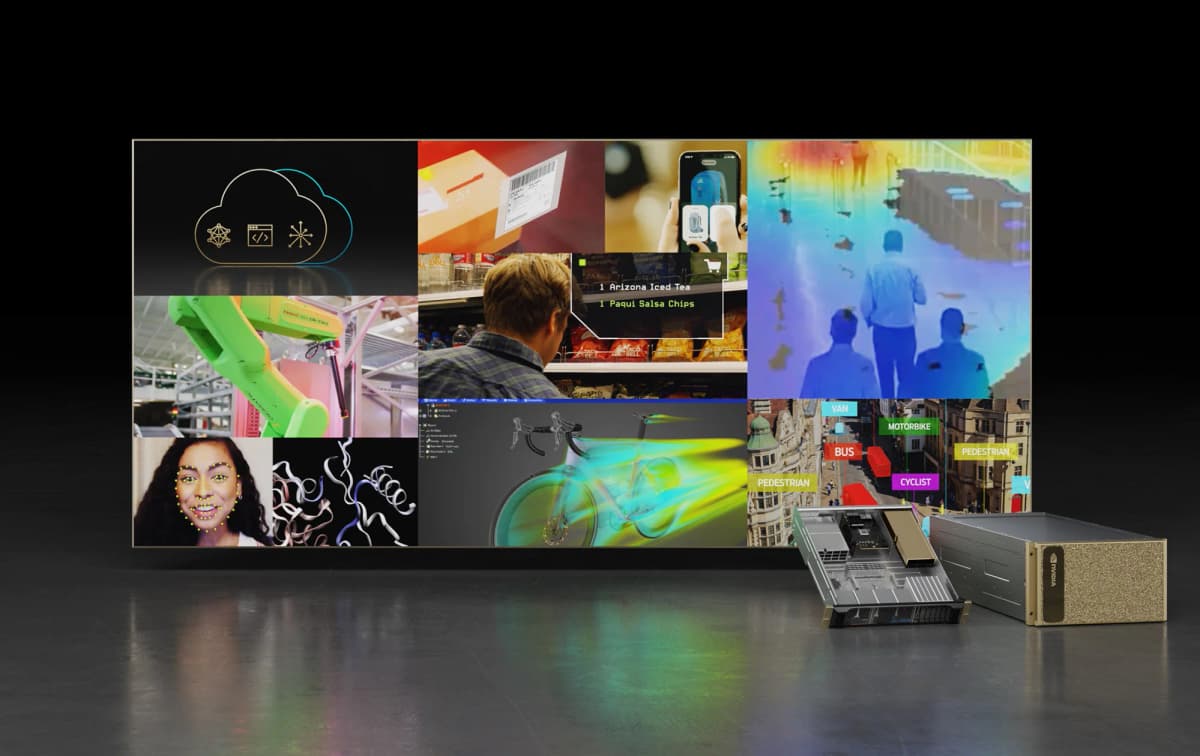
This current mess feels nastier because it isn’t just hype; it’s infrastructure. You’ve got hyperscalers and AI giants throwing mind-bending capital at data centres. High-bandwidth RAM, high-density NAND, enterprise GPUs – these aren’t side orders, they’re the main course. Some chip makers have straight-up shifted lines away from consumer memory to feed that beast.
And here’s the kicker: those enterprise parts aren’t just “fat gaming GPUs with a different sticker”. They’re designed differently, validated differently, and fab lines don’t flip overnight just because gamers are angry on Reddit. Even if the AI bubble bursts tomorrow, we don’t magically get a wave of cheap gaming RAM and GPUs. We get warehouses of specialised data-centre silicon that can’t just be resold as your next mid-range card.
So when a memory controller giant like Phison warns the current memory crunch could last close to ten years, and when NVIDIA’s roadmap quietly tilts toward data center over GeForce launches, I take that seriously. This isn’t a COVID-style blip. It’s a structural re-prioritisation of who silicon is for – and spoiler: it’s not us.
“RAMageddon” and the slow death of the enthusiast upgrade cycle
Look at what’s already happening on PC. VRAM prices exploded at the end of 2025. Certain AMD SKUs basically stopped selling when their BOM cost made no sense at retail. High-end RTX 5090s, where you can even find them, are trading at absurd secondary prices in the $5,000 range. That’s not “early adopter tax”; that’s “you are no longer the target customer”.
Meanwhile, the stuff normal people actually buy – 16–32GB of RAM, a solid 1–2TB SSD, a GPU that can do 1440p/60 without crying – is caught in the crossfire. DDR5 prices lurch upwards. SSD vendors quietly raise MSRPs. Small PC makers have been giving frank interviews about how they’re being forced into creative workarounds: using older, lower-density RAM configs, scavenging spot markets, being brutally honest that prices are going up or capacity is going down.
I watched a sim-racing buyer’s guide recently where the host basically said: look, the sweet spot right now is to grab a solid 8-core CPU, a last-gen upper-mid GPU, and lean on upscaling. Translation: the enthusiast-tier is turning into a clown show, so aim slightly down and pray the memory market doesn’t get worse. When dedicated hardware nerds are telling their own audience not to chase the top end, something has broken.
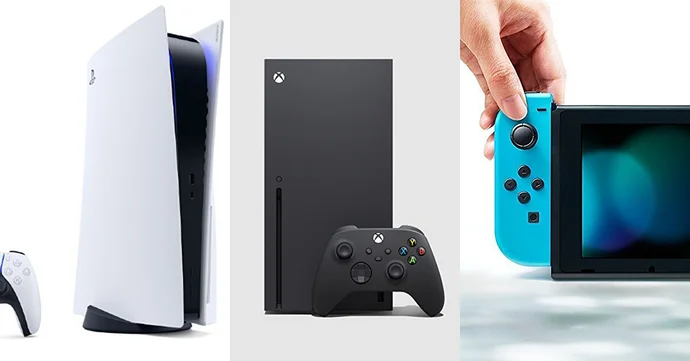
I’ve been that guy who refreshes GPU leaks, waiting for the next big bump so I can justify a full rebuild. If RAMageddon really drags into 2027–2028, that version of PC gaming basically dies. The 18-month “itch” to upgrade evaporates, not because we got smarter, but because the math stopped checking out.
Consoles are quietly bracing for a lost generation
PC pain is the canary, but the console mines aren’t safe either. Valve already admitted Steam Deck OLED stock is going to be intermittent thanks to RAM and SSD shortages – and everyone knows that complicates whatever “Steam Machine” plans they had for early 2026.
Over in console land, the whispers around PS6 have gone from “maybe 2027” to “uh, 2028 or 2029 if memory supply doesn’t improve”. When a storage controller CEO is out there calmly saying the memory squeeze threatening to delay next-gen consoles could last close to a decade, that’s not fan speculation. That’s supply-chain people spelling out how bad this might get.
Nintendo already played their hand with Switch 2 in 2025: a modest, sensible bump built on tech that was old even when they picked it. It launched at a painful $450 and still didn’t ignite some massive growth surge. Sony and Microsoft are staring at that and thinking very hard about whether a “true” next-gen box built on bleeding-edge memory and storage is even commercially sane in a world of inflated BOM costs.
The uncomfortable possibility is this: by 2030, we might still be mostly playing on PS5, Xbox Series consoles, and Switch 2, with some incremental refreshes and storage tweaks sprinkled in. Not because platform holders suddenly love long lifecycles, but because the parts they want are being eaten by data centres, and the ones that are left cost too much.
Here’s the twist: I don’t think most players will actually care
Now, if you’re an enthusiast, that last paragraph probably felt like a horror script. No PS6 until 2029? No “5090 Ti Super Ultra” that doesn’t require a second mortgage? Death of the enthusiast tier. I get it.
But step back. For the average player, are they really suffering right now because their PS5 doesn’t have enough teraflops? The last truly transformative hardware leap for most people wasn’t a new GPU; it was SSDs. Killing loading times, making open worlds feel continuous – that changed how games felt. The leap from 1080p to 4K panels? Nice, but hardly soul-shaking. 8K? TV makers have basically given up already.
Steam’s own hardware surveys keep telling the same story: 1080p still dominates, 1440p is rising, 4K is a minority hobby. Frame-rate and stability matter more than raw resolution fetishism. I’ve sunk some of my favourite gaming hours of the last decade into technically “underpowered” hardware: Breath of the Wild and Tears of the Kingdom on a wheezing Switch, low-spec indies on a laptop during travel, retro fighters where the magic comes from frame data, not ray-traced puddles.
The dirty secret the industry hates to admit is that the average player does not want to chase hardware. They want their box to last, their games to run, and their wallet not to cry. If PS5 ends up with a ten-year lifespan and your 2024 mid-range PC is still fine in 2030, a shocking number of people are going to shrug and say, “Cool, less money burned.”
The Optimization Era: no more brute-force, just better design
This is where I flip from “doom” to “maybe this is good, actually”. For the last decade, a lot of big-budget development has relied on one lazy assumption: next-gen hardware will bail us out. Inefficient engines? Bloaty assets? 120GB installs because no one wants to compress textures? Whatever, the next GPU wave will handle it.
If RAM, VRAM and storage stay expensive and constrained, that crutch disappears. You can’t just assume everyone has a fat 24GB card and 64GB of system RAM. You’re forced to care about streaming tech, memory budgets, CPU overhead. Suddenly, DLSS/FSR and other neural upscalers aren’t just nice-to-have features for PC elitists; they become infrastructure. So does clever use of mesh shaders, procedural tricks, smarter culling – all the unsexy stuff tech artists and engine programmers have been begging creatives to take seriously.
As someone who obsesses over performance in fighting games, I actually welcome that. I don’t care if your sequel has three more reflection layers; I care that your rollback netcode doesn’t tank because you built some cinematic showpiece that hammers CPU threads. A long period of stable baseline hardware gives devs time to truly master the platforms instead of sprinting after whatever new buzzword NVIDIA prints on a slide.
We’ve seen this playbook before in the PS2 and Xbox 360 eras: late-gen games that absolutely demolish early titles on the same hardware because devs finally understood the box inside-out. Stagnation, forced on us by AI’s silicon greed, might ironically push us into a true optimization era again – only this time with AI-assisted tools helping studios profile, compress, and ship smarter.
Winners and losers in a stalled hardware decade
This doesn’t land evenly, of course. There will be clear winners and losers if the 2020s turn into the “lost decade” for consumer hardware.
- Winners: indie studios and AA teams. If the baseline spec barely moves, your audience doesn’t shrink every time a platform holder pulls a “next-gen only” trigger. A good art style, tight design, and decent optimization will carry you, not whether you can afford an army of artists to build 8K assets.
- Winners: platforms built around efficiency. Nintendo has thrived by punching above its weight; Valve’s Steam Deck philosophy is about “good enough” portable power plus smart software. Those approaches age well in a constrained world.
- Winners: cloud and subscription ecosystems that do it right. If your TV and phone aren’t getting much faster, suddenly it’s worth streaming some games when latency isn’t a deal-breaker. Not for everything – I don’t want ranked Street Fighter in the cloud – but for a lot of genres, it’s “good enough” access.
- Losers: the PC enthusiast tier. The folks who live for water-cooled dual-GPU monsters are getting priced out or starved of upgrades. If your identity is welded to having the new x090 every two years, this is a brutal timeline.
- Losers: hardware vendors who banked on rapid cycles. Boutique PC builders, certain component makers, display manufacturers counting on 8K uptake – all of them are staring at a flatter, more boring consumer curve.
- Losers: badly run AAA studios. If your pitch to executives is “we need next-gen to sell this engine upgrade,” good luck in a world where players and platform holders both hesitate to jump.
I’m not rooting for anyone to fail, but I am absolutely okay with business models built on endless churn and manufactured FOMO taking a hit. If that pain pushes the industry toward sustainable budgets, realistic scope, and respect for player wallets, so be it.
The bullshit to watch out for: fake “next-gen” and stealth price hikes
Where I do get angry is at the predictable response we’re already starting to see: fake progress. “New” console SKUs that are basically the same box with slightly more storage and a different shell, slapped with higher prices justified by “component costs”. GPUs with tiny VRAM buffers priced like flagships. Phones billed as Pro Max Ultra while quietly shipping with the same RAM as three years ago.
If hardware really is going to stagnate, fine – but don’t insult us by pretending a minor refresh is a revolutionary leap. I’d rather a platform holder come out and say, “Look, parts are expensive, we’re extending this generation and focusing on software,” than gaslight everyone into thinking a 15% bump justifies another $600 purchase.
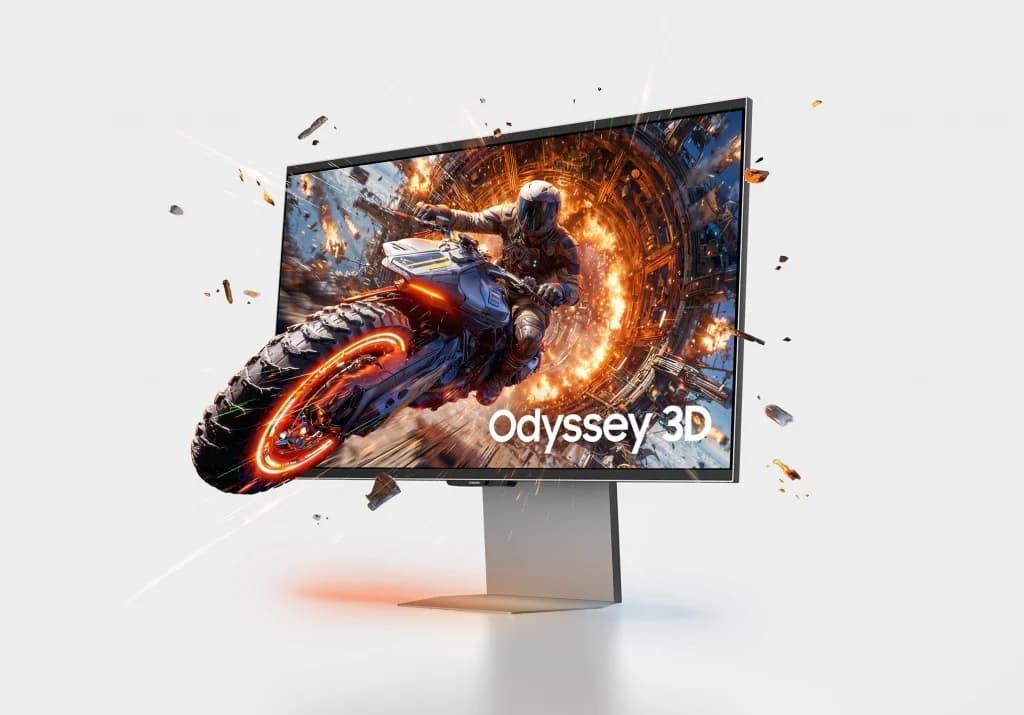
As players, the only leverage we have is our wallets. I’m done buying “Pro” anything that doesn’t offer a clear, experience-changing upgrade: frame-rate, responsiveness, storage, battery life, something tangible. I refuse to humour a $900 GPU with 12GB of VRAM in 2026. I’m not paying $700 for a console that gives me prettier foliage and little else.
Practical survival tips for the stagnation era
If you’re feeling the squeeze already, here’s how I’m approaching the next few years as someone who loves games but refuses to be bled dry by AI’s component land grab:
- Lock in a solid baseline now. If your PC can do 1080p or 1440p at 60fps in the games you care about, you’re probably fine for a long while. Don’t chase 4K if it means going broke.
- Prioritise RAM and storage when they’re sane. If you see 32GB and 2TB SSDs at non-insane prices, those are the upgrades that genuinely extend your system’s life.
- Embrace upscaling and smart settings. DLSS, FSR, XeSS, dynamic resolution scaling – these are not sins. They are survival tools, especially while VRAM is expensive.
- Buy used when it makes sense. Not talking about ex-mining farms, but last-gen GPUs and consoles from trusted sources are going to be the backbone of a lot of great setups.
- Support games that respect your hardware. When studios ship well-optimized titles that don’t demand absurd specs, reward them. When a lazy PC port wants a 12-core monster just to stay above 40fps, let reviews and refunds speak.
- Be skeptical of fake “Pro” labels. Ask what actually changes for you. If the answer is “some benchmarks and a marketing slide,” keep your money.
What I’ll be watching while the dust settles
If you care about where this goes beyond just your next GPU purchase, a few signals are worth paying attention to over the next couple of years:
- NVIDIA and AMD earnings calls. How much of their revenue is coming from data-centre versus gaming? Are they even pretending to prioritise consumer any more?
- Guidance from memory and storage vendors. Companies like Samsung, Micron, Phison, Western Digital and Seagate will tell you bluntly whether they see supply easing or tightening.
- Sony and Microsoft investor Q&As. Listen for vague phrasing around “extended console lifecycles” and “optimising existing hardware base” – that’s corporate for “next-gen might be far away”.
- Valve’s hardware updates. If even Valve, kings of “good enough” portable PC gaming, are struggling to ship Decks consistently, that’s a serious barometer.
None of this will flip the script overnight, but together it’ll show whether we’re in a temporary squeeze or genuinely entering a decade-long plateau.
The boring future might secretly be the best one
I’m not thrilled that generative AI hype trains are making it harder and more expensive for me to enjoy my hobby. Higher prices suck. Supply shortages suck. The idea that companies would rather feed data centres than ship affordable gaming hardware is infuriating.
But once I got past the rage, I realised something uncomfortable: I’m also exhausted by the endless chase for “next-gen”. By the marketing cycles that tell me my perfectly good hardware is suddenly obsolete because some CEO needs a new growth story. By games that ship half-baked because everyone’s sprinting to use the latest buzzword tech instead of finishing the damn thing.
If AI’s silicon land grab forces the industry to slow down, optimise, and actually respect the hardware we already own, that’s not the worst outcome. If it stretches console generations, flattens PC upgrade expectations, and tilts power toward creative design instead of raw specs, I can live with that.
I’ll still curse every time I see another DDR5 price spike or a GPU with a clown price tag. But if the trade-off is fewer pointless upgrades, longer-lived platforms, and better-optimised games that run well on the rigs and consoles we already have, then yeah – AI might be stealing our GPUs, but it might also accidentally save gaming from its own upgrade addiction.
FinalBoss // Gear
Level up your setup
01Top-rated gaming headsetson Amazon→02High-refresh gaming monitorson Amazon→03Gaming chairson Amazon→04Discounted game keyson Kinguin→Affiliate links · As an Amazon Associate, FinalBoss earns from qualifying purchases.
Want to Level Up Your Gaming?
Get access to exclusive strategies, hidden tips, and pro-level insights that we don't share publicly.
Ultimate Gaming Strategy Guide + Weekly Pro Tips