
Table of Contents (8)
The day I realised AI wasn’t just ruining art, it was ruining my hardware
I was hunting for a second Steam Deck, because apparently I hate money and love handhelds. One for the sofa, one for travel: peak goblin-brain luxury. Except every retailer I checked was either “temporarily out of stock” or had quietly nudged prices up. Same story on RAM for my PC. Same with decent SSDs. And when you dig into why, you hit the same stupid wall: generative AI is hoovering up memory chips like there’s no tomorrow.
First it came for our art. Then it came for our writers, our concept artists, our QA testers. Now it’s coming for the literal plastic boxes we play games on. Enterprise AI servers need absurd amounts of high-bandwidth memory and storage; data centres are buying GPUs and NAND by the container ship. Meanwhile, regular players are sat here refreshing storefronts to see if a Steam Deck, or a reasonably priced SSD, has magically appeared.
And hanging over all of this are rumours that PS6 might be delayed because of this memory crunch, with component manufacturers openly warning that AI demand could keep RAM and SSD supplies tight, and prices high, well into the 2030s. Ten years of component pressure, because your boss wants a chatbot that can write worse emails than he already does.
Here’s the twist: once I stopped being angry long enough to think about it, I realised something I didn’t expect. If this component arms race means we don’t get PS6 or “Xbox Whatever Dumb Name” until later, I’m not sure that’s actually a bad thing. In fact, if the choice is “overpriced next-gen hardware built on AI-driven scarcity” or “milk PS5 and Series X for all they’re worth for a few more years”, I know where I’m landing.
AI’s memory addiction is quietly dictating console timelines
I’m not exaggerating when I say AI is eating the buffet. Training large models isn’t a couple of graphics cards on a dev’s desk, it’s warehouses of specialised GPUs, each strapped to stacks of super-fast RAM and huge SSD arrays. Industry execs are talking about AI server builds with terabytes of high-bandwidth memory per rack, multiplied by thousands of racks. That’s the same global pool of chips consoles, PC gamers, and handheld makers pull from.
One major SSD controller CEO has already said outright the current memory crisis could stretch for “another 10 years”, warning that AI data centres are going to swallow a massive share of NAND and DRAM production. Other hardware folks are saying the same thing in softer language: plan for higher prices, more volatility, and tough allocation decisions. If you’re Sony or Microsoft and you’re looking at PS6 or the next Xbox, you’re suddenly facing a brutal question: do you launch new hardware into a market where your bill of materials has just gone through the roof?
Valve’s hardware ambitions are getting clipped by this too. The Deck, Deck OLED, and any hypothetical “Deck 2” live and die on the availability of reasonably-priced RAM and storage. Small boutique PC builders are already talking about how AI demand has forced them to redesign systems around older or lower-capacity memory, or to raise prices just to stay alive. When the little guys are scrambling like that, you can bet console manufacturers are sweating over every cent of silicon.
So yes, when someone says “PS6 might be delayed because we literally can’t get enough affordable high-speed memory”, that tracks. It’s not some tinfoil-hat conspiracy. AI is gorging itself, and the rest of us are left fighting over scraps.
Do we honestly need PS6 right now?
I’ve lived through enough console cycles to remember when generational jumps actually melted your brain. The first time I saw a PS2 running Metal Gear Solid 2 in a shop window, I just stood there, jaw on the floor. Xbox 360 versus PS2? Night and day. The leap to PS4 and Xbox One gave us HD as a baseline and actual usable online experiences. Each generation felt like a reset of what was possible.
This current gen, though? PS5 and Series X|S are powerful, no question. 60fps is finally mainstream. Fast SSD loading is glorious. DualSense haptics are fun. But it never felt like a clean generational cut because publishers, understandably, clung to cross-gen for way too long. We spent half the cycle with “PS4 and PS5” stamped on every box, games boxed into the limitations of decade-old CPUs because install bases were split and stock was limited coming out of the pandemic.
Only in the last year or two have we started to see games properly lean on current-gen IO speeds, ray tracing (when it actually works), and higher CPU budgets. And even then, a lot of those benefits are getting squandered on bigger textures and fancier puddles rather than smarter AI, better systemic gameplay, or genuinely new ideas. We’ve barely scratched the surface of what these machines can do.

Layer on top of that a backlog that’s absolutely obscene. On PC alone, we’re seeing tens of thousands of new games a year land on Steam. A fraction of that makes it to consoles, but even that fraction is more than you can realistically play in a lifetime. I’ve still got PS5 “must plays” untouched, while I bounce between long games like Elden Ring, Baldur’s Gate 3, and whatever live service nonsense my friends are temporarily obsessed with. New hardware isn’t going to fix the fact that I already don’t have time to chew through what I own.
So when I hear people wailing that a PS6 delay is some kind of catastrophe, I just don’t feel it. What exactly are we rushing towards? Slightly shinier 4K? Another £600-£800 box when everything from rent to food to energy is going up? If the best pitch for a new generation is “better ray tracing and maybe 120fps sometimes”, that’s not enough to justify blowing up my bank account in the middle of an AI-driven component war.
A “stagnant” hardware decade might secretly be great for games
There’s a take I’ve seen floating around that the 2020s might end up being the decade of hardware stagnation. AI sucks up all the cutting-edge chips, console makers stretch PS5 and Series X as long as they can, PC gamers stop chasing every new GPU release because the price/performance maths is broken. On paper that sounds depressing. No shiny new toys. No big “next gen reveal” dopamine hit.
But when I think about the games I love the most, they rarely needed cutting-edge hardware. Shenmue blew my mind on a Dreamcast. Dark Souls ran like a slideshow on PS3 and still rewired my brain. The golden age of PS2 and PS3, or 360-era multiplayer, happened because developers had years with stable targets. Teams got freakishly good at squeezing every last drop out of mature hardware; they learned the quirks, built better tools, and shared knowledge.
There’s a real chance a long PS5/Series generation forces studios to focus on optimisation and design instead of endlessly chasing new lighting tech. If the baseline doesn’t move for a decade, console gamers win in a bunch of practical ways: fewer broken launches where devs are trying to target four platforms at once, better performance on day one, and more time to refine engines rather than rewrite them every five years.
On PC, a stable baseline could be a blessing too. Right now, minimum specs keep creeping up, partly because devs lean on brute-force hardware instead of smart optimisation, and partly because publishers love flashy bullet points. If new silicon is harder to get and much more expensive, it pushes everyone to do more with less. That’s uncomfortable for hardware vendors, but it might produce better games than yet another rushed generational jump.
The ugly part: prices, inequality, and AI hoarding the good stuff
Let’s be real: if PS6 or the next Xbox launches anytime soon, it’s not coming in cheap. Component manufacturers are already warning that AI demand will keep prices elevated; memory and storage are some of the biggest cost drivers in a modern console. If those go up, the platform holder either eats margin (which they hate) or jacks up the MSRP (which we hate).
So imagine a 2028 PS6 launch where the box is £700+ for the “normal” model, £800+ if you want the version with enough storage for a Call of Duty install and two other games. Then tack on £70-£80 per game, overpriced proprietary storage expansions, and subscriptions layered on top: PS Plus, Game Pass, battle passes, cosmetics, whatever seasonal passes publishers are peddling by then. All of that in a world where wages definitely aren’t climbing at AI-boom rates.

The result isn’t some glamorous “next-gen”. It’s a stratified ecosystem where only a slice of players can afford to be on the bleeding edge at all, and everyone else is stuck on older hardware or priced out entirely. AI gets its trillion-parameter models and executives get to brag on earnings calls, while teenagers can’t even afford the entry ticket to mainstream gaming.
And it’s not just unfair, it’s wasteful. Every new generation means another wave of plastic, silicon, shipping, and eventual landfill. If AI is already torching the planet with power-hungry data centres, maybe we don’t need to pile annualised hardware refreshes and ever-shorter console lifespans on top of that.
Retro gaming as the quiet winner of the AI arms race
Here’s the funny side-effect of all this: the more ridiculous modern hardware prices get, the better retro gaming looks.
We’ve already watched vinyl, VHS, and even cassettes have their weird little hipster comebacks. Retro gaming’s been on that trajectory for a while with collectors and nostalgics, but this AI-driven hardware squeeze could genuinely push a new generation of players backwards by necessity, not just aesthetic choice.
Think about how many households still have a PS2, Xbox 360, or even a dusty Wii jammed in a cupboard or loft. Those machines are indestructible cockroaches. You dig one out, blow the dust out of the vents, grab a handful of used games for the price of a single new-gen title, and you’ve suddenly got access to a stupidly good library: Spec Ops: The Line, Bioshock, the old GTA trilogy, early Halo, Burnout, Metal Gear, Gran Turismo, the list just goes on and on.
Even with retro prices creeping up for some rarer cartridges and discs, you can still walk into a second-hand shop with £20-£30 and walk out with a stack of absolute bangers. No day-one patches. No server “sunsetting”. No AI-generated filler dialogue. Just complete games that run on a box people already own or can pick up cheaply.
And honestly, if you’re a younger player who’s only really known the PS4/PS5 era, going back two or three generations is like stepping into an alternate timeline for game design. Fewer open-world bloat-fests, more weird AA experiments. Strangers’ Wrath, Binary Domain, Vanquish, SSX 3, Lost Odyssey – games that didn’t need 4K textures or ray traced reflections to be memorable.
If AI keeps pushing the cost of modern hardware out of reach, retro might not just be nostalgic comfort food; it might become the main course for a lot of players. And I’m fine with that. There are literal decades of gold to sift through before I “need” a PS6.
So what do we actually do about AI gutting our hardware future?
I’m not naïve enough to think we can just yell at AI companies until they stop buying GPUs. There’s too much money sloshing around. But that doesn’t mean we’re completely powerless passengers while our hobby gets collateral damage from a data-centre gold rush.
At a policy level, there are obvious levers governments could pull if they actually cared about more than quarterly GDP. Environmental regulation on AI data centres so they can’t just spin up limitless, wasteful training runs. Incentives or requirements that chipmakers reserve a sane slice of capacity for consumer hardware rather than letting everything get sucked into the cloud. Stronger right-to-repair laws and pressure on console makers to support hardware for longer, or even embrace modular, upgradable designs instead of sealed boxes on annual refresh cycles.
But I’m a gamer, not a lawmaker, so I’m looking at where my own habits change. For me, the line is simple: I’m done treating new hardware as an automatic day-one purchase. If PS6 or the next Xbox shows up at some obscene price because AI inflated their costs, I’m sitting it out until there’s a compelling
I’m also a lot more interested in supporting devs who commit to current hardware and squeeze it properly instead of chasing “next-gen only” hype. Studios that ship polished, well-optimised games on PS5, Series X, and mid-range PCs are the ones actually respecting players in this climate. If a publisher wants to use AI tools to churn out bloated live-service slop while blaming “hardware limitations”, they can enjoy doing that without my money.
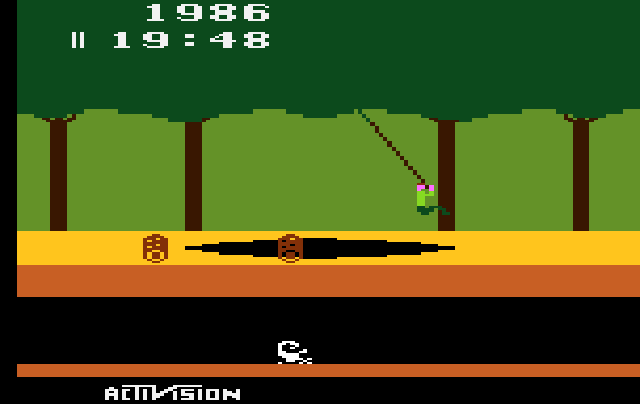
And yeah, I’m leaning harder into retro and backlogs. That’s the quiet rebellion here. Every time I buy a used PS3 classic, or finally clear a game that’s been in my library for four years, I’m reminding myself that I don’t need AI-assisted photorealism and a new plastic box every five years to enjoy this hobby. I just need good games and hardware that works.
Where I draw the line on “next-gen” in an AI world
If AI’s hunger for memory and storage means PS6 gets pushed back, I’m genuinely okay with that. Not because I like the idea of corporations squatting on our hardware future, but because the current rush towards “next-gen at any cost” feels completely out of step with reality.
We haven’t come close to exhausting what PS5, Series X, current GPUs, and handhelds like the Steam Deck can do. We’re drowning in games already, many of them brilliant, many of them underplayed. The cost-of-living situation is brutal, and hardware prices inflated by AI greed are only going to make that worse. Slamming a PS6-shaped luxury brick into that mess just so we can gawk at marginally nicer lighting is the kind of thing you do when you’ve forgotten gaming is supposed to be for people, not for investor decks.
So no, I don’t see a delayed PS6 as a disaster. I see it as an opportunity. An opportunity to demand that Sony, Microsoft, Valve, NVIDIA, and the rest stop treating “new hardware” as the only way to create excitement. An opportunity for devs to get weird again within fixed constraints, instead of praying for more teraflops. An opportunity for us to rediscover a few decades of games that didn’t need AI, or 12GB of GDDR7 per frame, to be unforgettable.
If AI wants to guzzle all the cutting-edge RAM for a while, fine. I’ll be over here with my “stagnant” PS5, my overworked PC, a pile of 360 and PS2 discs, and a Steam library I’ll never, ever finish. Delay PS6 if you have to. Just don’t expect me to mourn the absence of another £800 status symbol while there’s still this much left to play.
FinalBoss // Gear
Level up your setup
01Top-rated gaming headsetson Amazon→02High-refresh gaming monitorson Amazon→03Gaming chairson Amazon→04Discounted game keyson Kinguin→Affiliate links · As an Amazon Associate, FinalBoss earns from qualifying purchases.
Want to Level Up Your Gaming?
Get access to exclusive strategies, hidden tips, and pro-level insights that we don't share publicly.
Ultimate Gaming Strategy Guide + Weekly Pro Tips