
Table of Contents (7)
AI NPCs Are Everywhere-But Which Ones Actually Matter?
AI-powered NPCs went from tech demo novelty to 2025’s big feature push, and this latest “Top 12” roundup caught my eye for a simple reason: it finally maps the landscape. From experimental sandboxes like AI People and AI Dungeon to live-service heavyweights flirting with NVIDIA ACE in titles like Naraka: Bladepoint and PUBG, we’re seeing three distinct flavors emerge-chatty companions, adaptive enemies, and social simulations. I’ve been burned by AI buzzwords before (remember when “radiant AI” in Oblivion promised lifelike townsfolk who mostly walked into tables?). This time, the difference is memory, context, and real-time conversation-when it works.
Key Takeaways
- LLM-driven NPCs can remember and improvise, but consistency and guardrails decide whether they feel clever or chaotic.
- Expect hybrid designs: authored quests plus AI improvisation beats full “anything goes” sandbox for most players.
- On-device AI (like Dead Meat) reduces lag and lock-in, but smaller models mean simpler personalities and fewer surprises.
- Big-name pilots (Naraka, PUBG) are promising, but watch for limited rollouts before assuming it’s standard across modes.
Breaking Down the List: What These Games Actually Deliver
Let’s cut to the chase. AI People and AI Dungeon are your purest “write-any-story” experiences. They’re best when you lean into roleplay—teaching an NPC a shared backstory, steering tone, and letting the system riff. The upside is wild creativity and long-term memory that genuinely evolves; the downside is coherence. Without designer constraints, these worlds can spiral into nonsense or stall unless you nudge them like a tabletop GM.
On the other end are live-service shooters like Naraka: Bladepoint and PUBG, which have been showcasing AI teammates and enemy behaviors using tech like NVIDIA ACE. If you solo queue or bounce between squads, smarter bots that call targets, adapt to flanks, and fill gaps could be quietly transformative. The caveat: most implementations I’ve seen are mode-limited or in testing. Treat “AI ally” as an optional assist, not a replacement for a good squad—yet.
Indie narrative experiments are where AI feels most personal. AI2U’s clingy partner who tracks your choices, Suckup’s vampire social-engineering sim, and Whisper from the Star’s tense back-and-forth with a stranded astronaut all use memory and tone to push beyond dialogue wheels. They work because the designer sets a tight stage and lets AI color inside the lines. You feel agency, but the story doesn’t unravel the moment the model trips on an odd prompt.
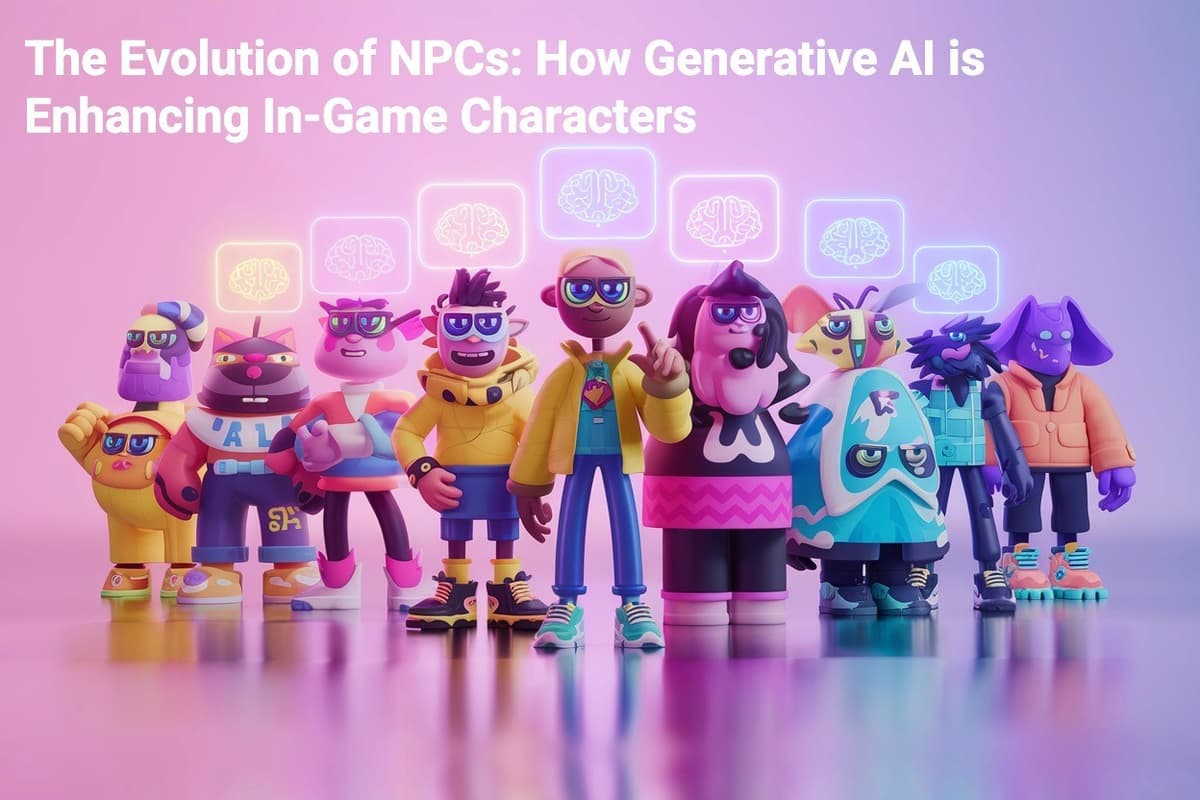
Then there’s the SimTown end of things—AI Town, Infinite Craft, and Kindroid—where emergent behavior takes center stage. Set a few personalities loose and watch societies (or at least cliques) form. This scratches the same itch as Dwarf Fortress tales and The Sims chaos, only now the villagers explain themselves in real time. It’s great streaming fodder and a genuine behavior-modeling playground, even if depth still lags behind handcrafted systems like the Nemesis engine from Shadow of Mordor.
Dead Meat is the outlier I’m quietly rooting for: on-device AI NPCs. Local inference means less latency and fewer hiccups if servers wobble. You won’t get the biggest brains running on your GPU, but tactical enemies that react to your flanks and gadgets without a cloud connection? That’s the kind of practical “AI win” players actually feel moment to moment.
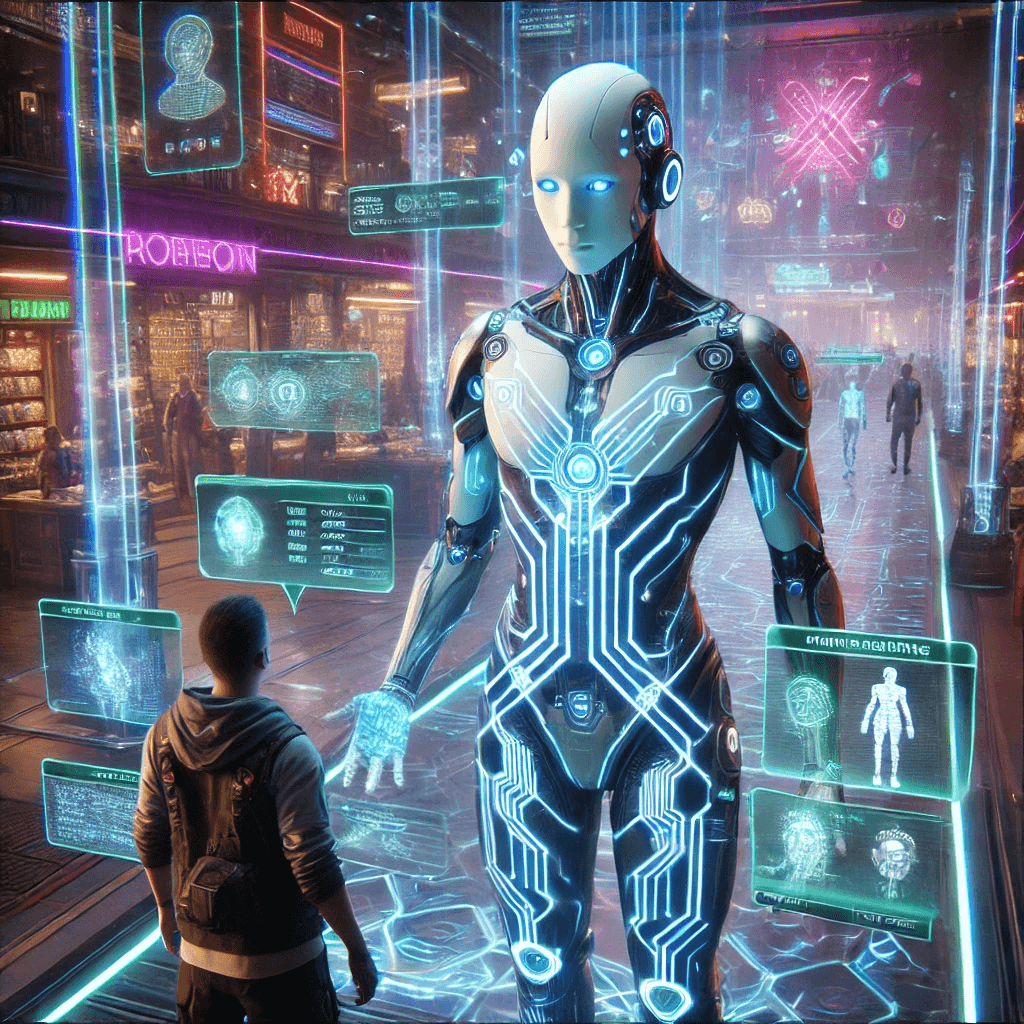
The Real Story: Smarts Are Easy—Good Behavior Isn’t
Even the coolest demos run into the same walls: latency, mood swings, and motivation. Conversational models are great at banter; they’re less great at staying on mission. Designers who succeed treat AI as an improviser, not a director. The best patterns I’ve seen use:
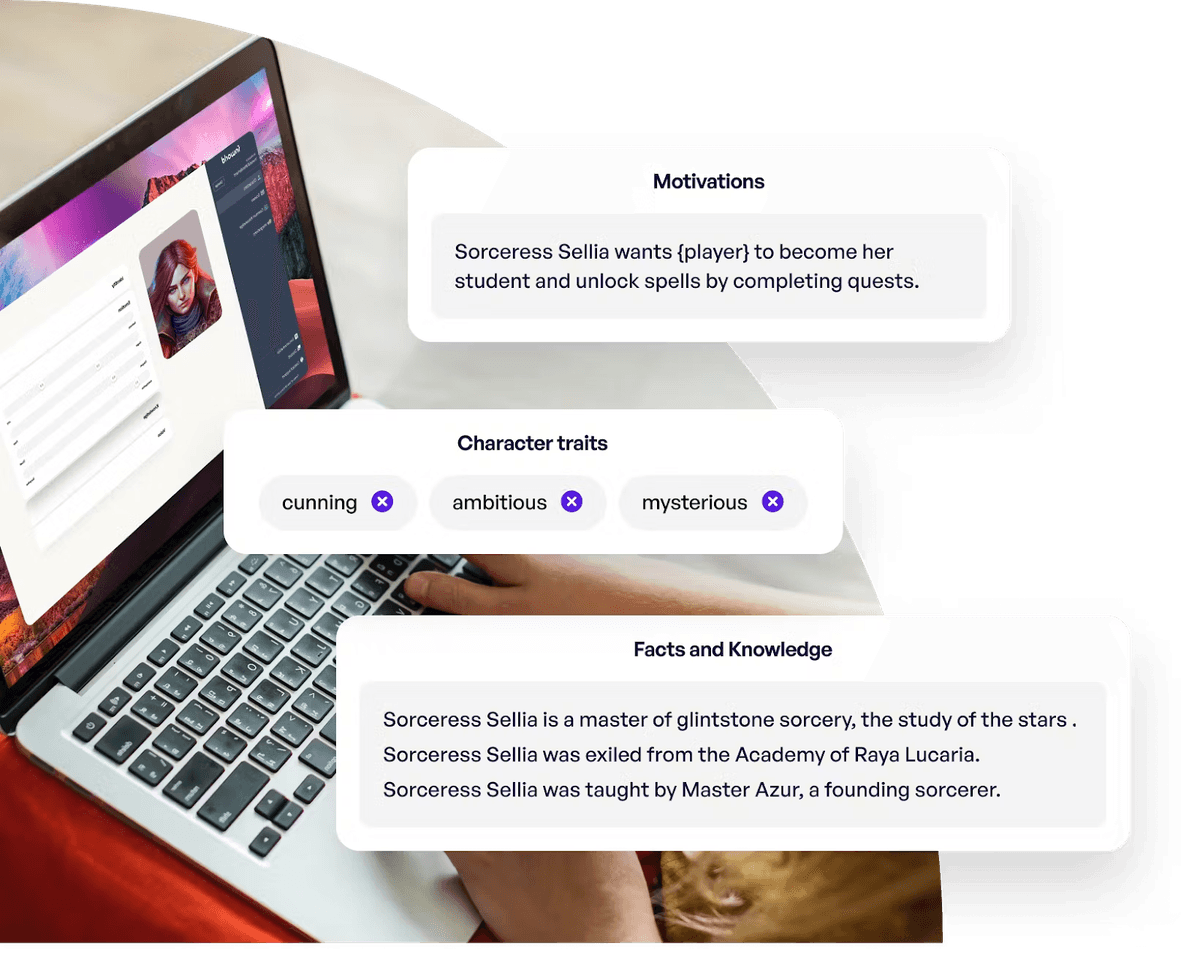
- Strong goals and states: NPCs know what they want, and the model fills in how they say it.
- Shallow memories with highlights: store only the meaningful beats so characters evolve without melting into contradictions.
- Safety rails you don’t see: tone, lore, and “can’t do that” constraints baked into the scene, not shouted at the player.
- Fallbacks: if the AI stalls, authored content or systemic behaviors kick in to keep play moving.
If you’re jumping in, temper expectations. Voice chat with an AI squadmate will feel magical the first time it calls your flanking route—until it misreads a situation you thought was obvious. That gap will narrow, but we’re not at “Garrus-level companions” across the board.
What Gamers Need to Know Before They Dive In
- Try the right fit: Want infinite roleplay? Start with AI People or AI Dungeon. Prefer authored thrillers with AI spice? Go AI2U or Whisper from the Star. Crave emergent sims? AI Town or Kindroid. Tactical curiosity? Watch Dead Meat.
- Use text first if you can: Text interactions are faster and less awkward when models fumble. Switch to voice once you’re comfortable with the NPC’s rhythm.
- Look for mode labels: If a shooter advertises “AI allies,” check which modes actually support it and whether it’s experimental.
- Expect rough edges: Repetition, occasional off-tone replies, or “NPC amnesia” can happen. Good games give you tools to reset context or reinforce memory.
- Multiplayer etiquette still applies: AI companions that talk in prox chat can be hilarious—or grief magnets. Mute options are your friend.
Looking Ahead: The Hybrid Future Is the Right One
The most exciting trend here isn’t “NPCs can talk now.” It’s designers blending systemic AI with authored craft. Imagine a Mass Effect-style companion who can improvise small talk about your last mission while still hitting those locked-in, voice-acted story beats; or a battle royale where AI fills a squad with believable callouts but never steps on the thrill of human improvisation. That’s the lane where AI actually enhances games instead of replacing them.
TL;DR
AI NPCs in 2025 are real, playable, and sometimes brilliant—especially in focused indie experiences and carefully scoped shooter modes. Go in for the novelty, stay for the moments where the game genuinely feels alive, and don’t be surprised when the magic flickers. The best stuff pairs AI improvisation with strong design guardrails, and that’s where the next year will get genuinely interesting.
FinalBoss // Gear
Level up your setup
01Top-rated gaming headsetson Amazon→02High-refresh gaming monitorson Amazon→03Gaming chairson Amazon→04Discounted game keyson Kinguin→Affiliate links · As an Amazon Associate, FinalBoss earns from qualifying purchases.
Want to Level Up Your Gaming?
Get access to exclusive strategies, hidden tips, and pro-level insights that we don't share publicly.
Ultimate Gaming Strategy Guide + Weekly Pro Tips