
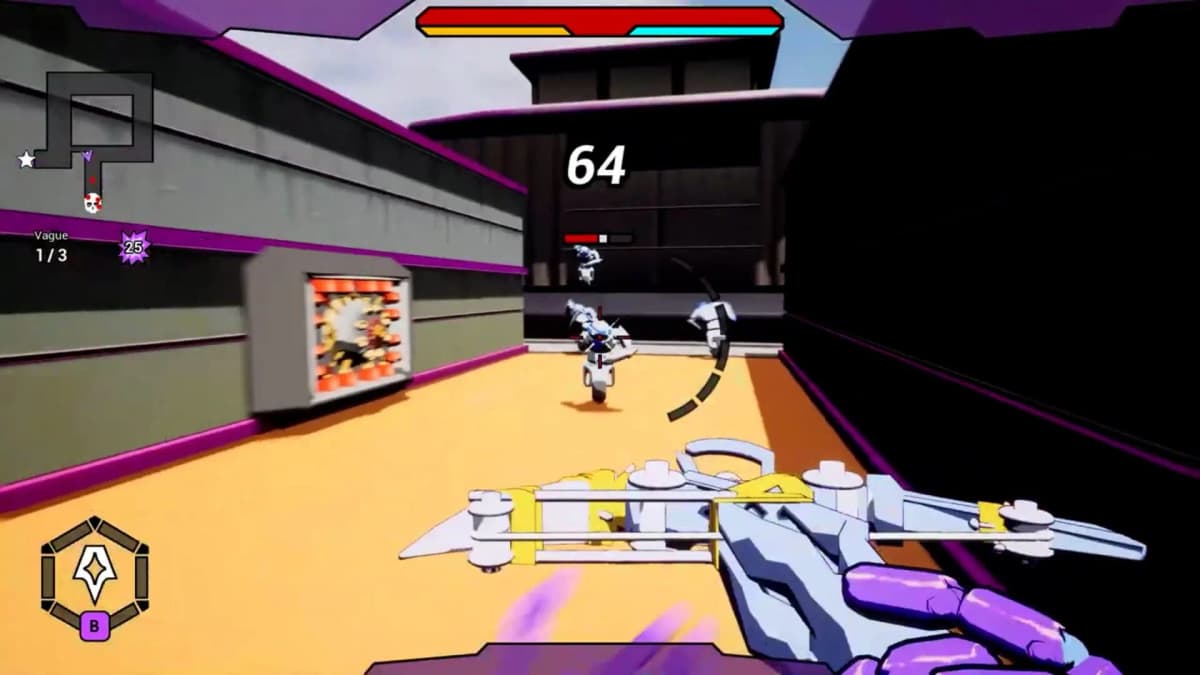
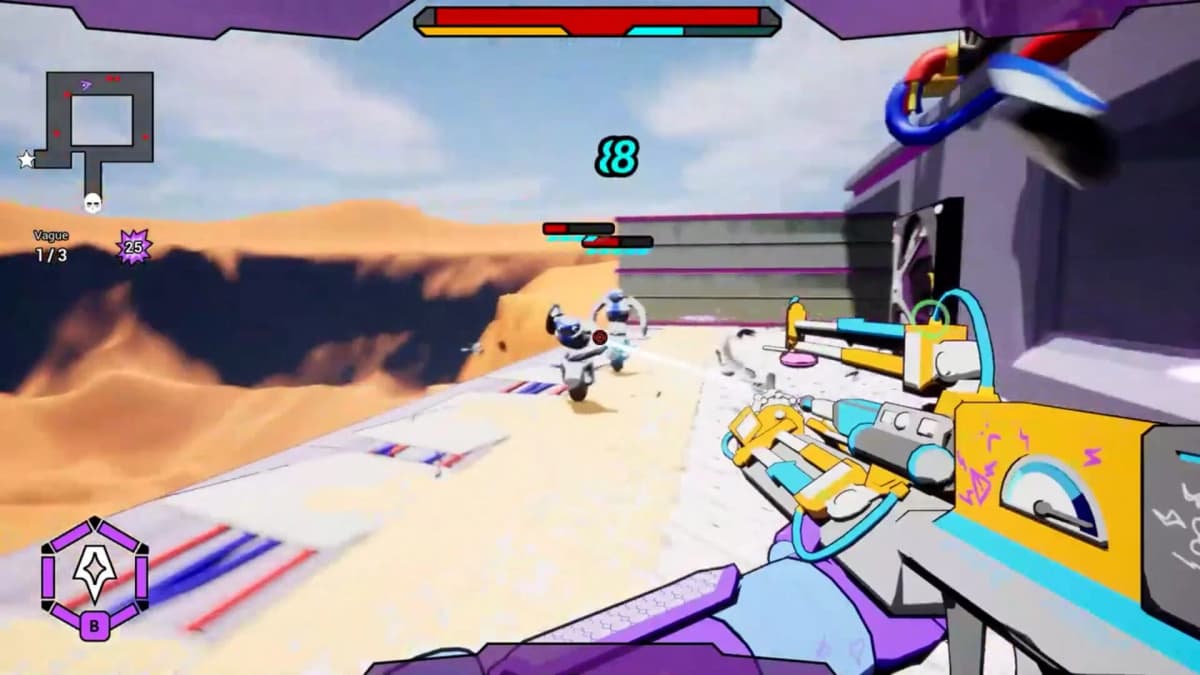
AI.VI doesn’t just graft tower defense onto an FPS; it forces you to plan your killstreaks like an engineer. Out of Time and indie.io’s new indie shooter, launching on Steam March 18, casts you as a retired warbot dragged off a mining rig to hold the line against P.A.S.C.A.L., a profit-first gigacorporation. The headline: melee, guns, traps and workerbot allies all feed into an elemental system (fire, ice, acid, electricity) and a two-layer upgrade economy of permanent and temporary boosts. The important part is that every shot is also a resource-management decision.
- Release: Steam, March 18, 2026 (PC only listed).
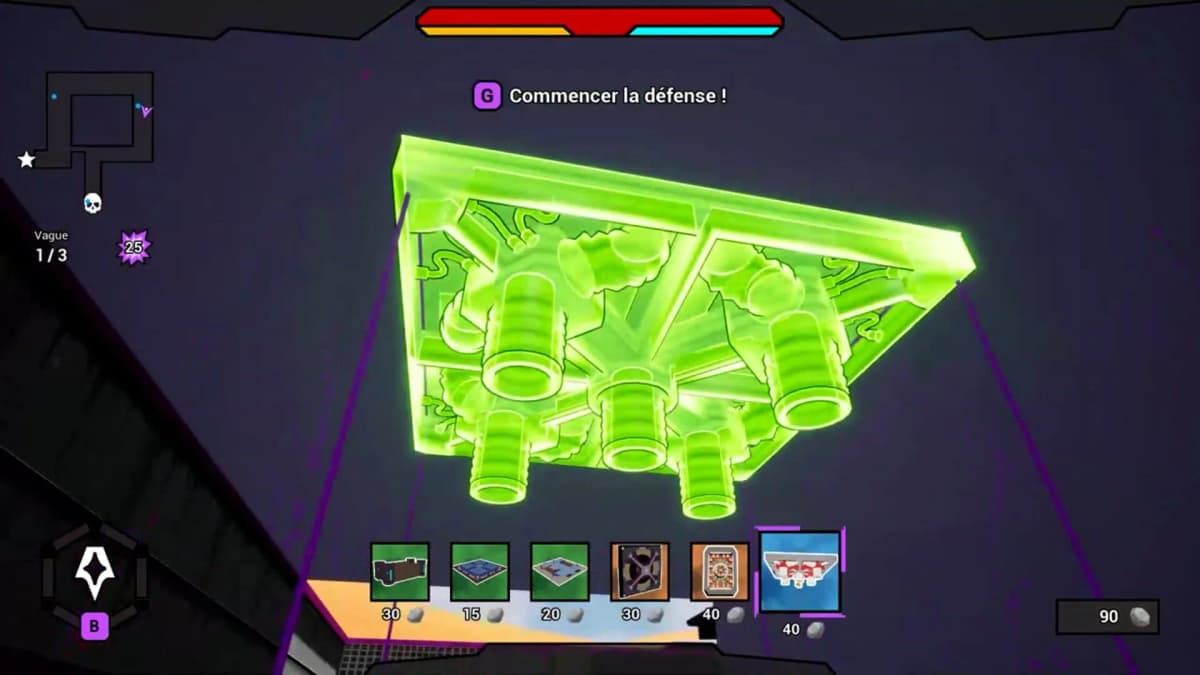
- Core loop: FPS combat + tower-defense planning; combine weapons, traps and elemental effects to counter robot waves.
- Systems to watch: Elemental synergies, permanent vs temporary upgrade balance, workerbot AI and enemy variety.
- Risk: Hybrid ambition can become shallow breadth – plenty of systems, but will any be deep enough?
Table of Contents (6)
Why this matters right now
Indie studios keep digging at genre mashups because players reward novelty that actually changes how you play. AI.VI lands at a moment when players want mechanical depth without AAA bloat. On paper, its blend of melee, ranged, trap placement and elemental interactions is the kind of systemic design that can sustain repeat play – especially with permanent upgrades that change future runs – but only if the systems interlock cleanly. March 18 is when the idea meets player scrutiny: early Steam reviews and how the developers respond to balance will tell us whether this sells as a focused hybrid or a scattershot sampler of mechanics.
The uncomfortable observation
The press text wants you to picture cinematic robo-battles on a desert moon. The bit it doesn’t linger on is scope. Games that promise melee, ranged, trap-building, an elemental rock-paper-scissors, worker allies and two-tier upgrade economies are promising a lot. That’s great — until you realize each system needs enemies, interactions and level design tuned to it. If enemy types are too similar, elemental guts become a gimmick. If permanent upgrades outpace temporary choices, the tower-defense tension flattens into a build-order grind. The history of hybrids (think Sanctum or Orcs Must Die) shows they succeed when one design — usually tower placement — remains the strategic spine. AI.VI will be judged on whether the FPS moment-to-moment still feels meaningful when you’re mid-wave adjusting a trap layout.
What the announcement actually promised — and what it didn’t
From the developer brief: four elemental systems (fire, ice, acid, electricity), melee and ranged combat, traps, workerbot allies, and both permanent and temporary upgrades. That’s a clean list of mechanics. Missing: price, campaign length, explicit multiplayer modes, difficulty scaling, or any roadmap for post-launch content. No word on mod or map editors, which matter a lot for tower-defense longevity on PC.
The question nobody’s asking — but should be
How many enemy archetypes and level layouts support those elemental choices? A handful of enemy skins won’t make acid vs. electricity feel consequential. Also: how intelligent are the workerbots? If they’re babysitters that follow you and soak damage, they’re cosmetic. If they can be positioned and upgraded, they’re a strategic resource. Finally: does the permanent upgrade track create meaningful long-term builds or simply pad time-to-power? Those mechanics determine whether AI.VI becomes a repeatable strategy toy or a one-week novelty.
What to watch (actionable)
- March 18, 2026 — Launch day: check Steam reviews from the first 72 hours for recurring balance complaints (elemental redundancy, enemy variation, workerbot usefulness).
- First week patches — are there immediate hotfixes for performance or balance? Rapid fixes suggest active support.
- Developer roadmap — do Out of Time and indie.io promise new enemy sets, a map editor, or multiplayer modes? Those extend shelf life.
- Price and sale cadence — an indie hybrid’s perceived value depends heavily on launch price and the first discount window.
Compare AI.VI to earlier attempts at marrying first-person shooting with tower mechanics: the standouts made one core mechanic excellent and let others support it. If AI.VI’s elemental synergies and upgrade progression are as meaningful as the press text suggests, it could be the rare indie that nails both twitch and strategy.
TL;DR
AI.VI launches on Steam March 18 as an FPS/tower-defense hybrid where a retired warbot uses weapon loadouts, traps, workerbots and four elemental systems to stop a corporate robot invasion. The game’s ideas — permanent upgrades + temporary boosts + elemental combos — are the right kind of ambition for an indie, but the launch will reveal whether those systems have the depth and balance to matter. Watch the Steam reviews and the early patch cadence: they’ll tell you if AI.VI is a tight strategy-shooter or a collection of clever but shallow systems.
FinalBoss // Gear
Level up your setup
01Top-rated gaming headsetson Amazon→02High-refresh gaming monitorson Amazon→03Gaming chairson Amazon→04Discounted game keyson Kinguin→Affiliate links · As an Amazon Associate, FinalBoss earns from qualifying purchases.
Want to Level Up Your Gaming?
Get access to exclusive strategies, hidden tips, and pro-level insights that we don't share publicly.
Ultimate Gaming Strategy Guide + Weekly Pro Tips