
Aksun Playtest: Why This Korean Shamanic Roguelite Could Be the Year’s Biggest Underdog
Game intel
Aksun
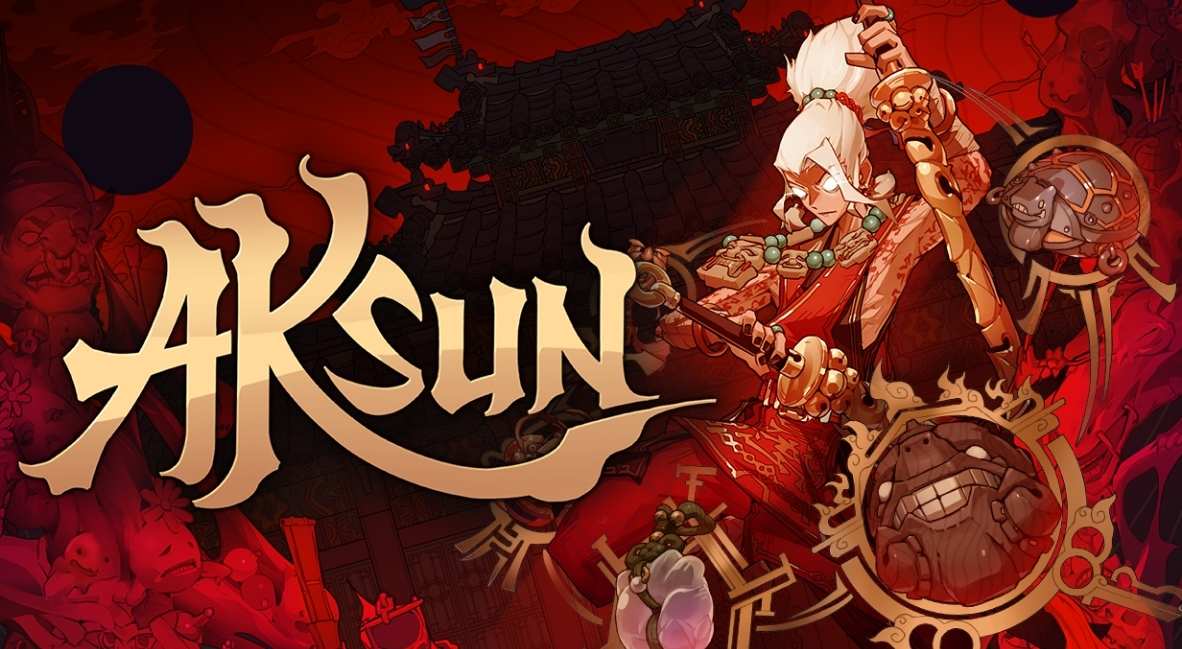
Aksun is an action roguelite based on Korean shamanism and the afterlife.
Aksun’s Playtest Drops: Finally, a Roguelite That Dares to Be Weird (and Korean)
This August, Aksun crept onto Steam’s radar-a hack & slash roguelite channeling more twisted folklore than you’d find in three seasons of Kingdom. I’ve already lost count of bland, copy-paste roguelites that promise “depth” but dish out flavorless runs. Aksun caught my attention, though, because instead of grimdark Western necromancy or yet another pixel vampire, it leans hard on Korean shamanic ritual, elemental chaos, and an almost Soulslike approach to death and rebirth. The playtest launched August 15, and, for a niche indie, it feels like a potential breakout for genre fans hunting something genuinely fresh.
- Ritual-based, evolving builds-not just “find new sword, get new number.”
- Combat driven by elemental synergies (think Firestorms, Electrified Blasts, and more).
- Progression baked into Korean spiritual cycles-a rare vibe in roguelites.
- Small, passionate Korean dev team flexing real buildcraft ambition.
The Real Story: Ritual, Suffering, and Lore You Haven’t Seen Before
Aksun throws you, unwilling, into “the Casket”—a cursed device straight out of a nightmare, meant to seal away a fallen cult. Every run is a cycle: death, memory, rebirth. Not just resetting for the sake of punishing the player, but actually serving as narrative fuel. It borrows from Korean Six Realms mythology, which is criminally underused in games outside of South Korea. So, your repeated failures feel more like climbing a spiritual mountain than slamming into a brick wall.
For me, this approach matters. Too many roguelites slap on some “deep lore” as flavor text with little impact on gameplay. But Aksun’s pitch is for that cycle of rebirth—core to both narrative and mechanics—to shape your choices. You’re not just grinding. You’re ritualistically evolving.
Breaking Down Builds: It’s More Than Just Smashing Stuff
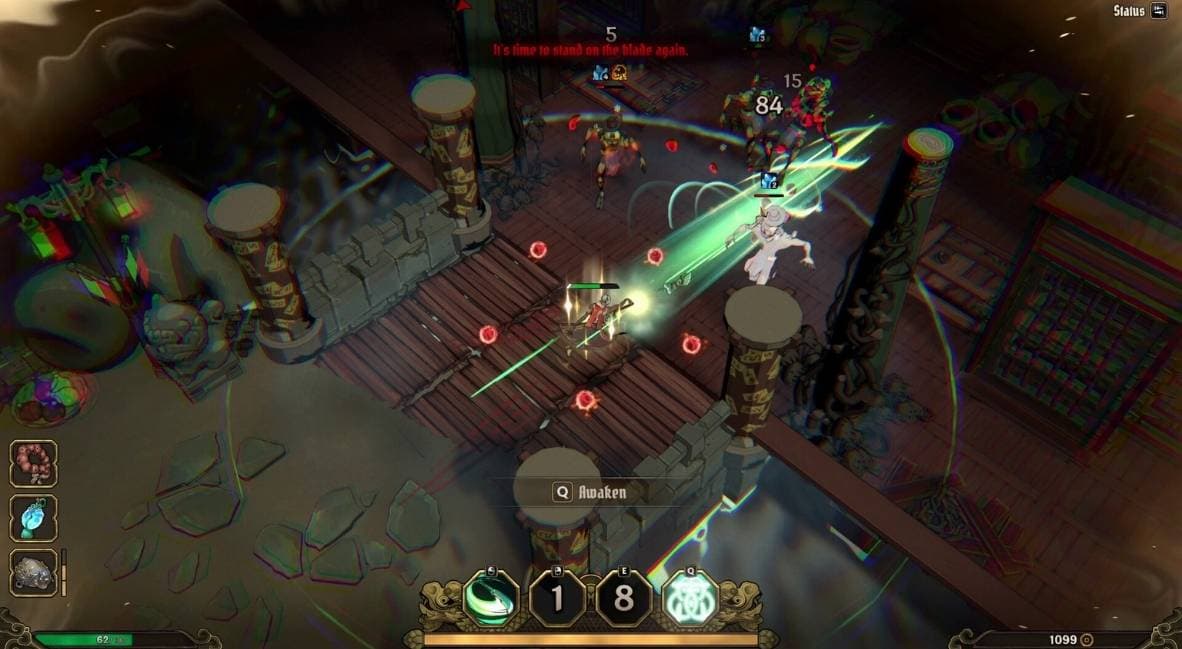
If you’re deep in the Hades/Soulstone Survivors/Gungeon loop, you know how much build variety makes or breaks a roguelite. Aksun’s three-part build system is clearly for players who want to tinker, break, and optimize.
- Weapons: Each is “bound to a Hell God,” which means choices feel weighty. And unlocking “Awakening Skills” hints at weapon trees or specializations worth digging into.
- Artifacts: Snagged from cult rituals, these beef up your toolkit with elemental powers and playable effects—not just +5% damage junk. Want a Firestorm or Earthquake in the middle of your run? This is how you trigger them.
- Echoes: These mutate your stats and create wicked synergies. I love a roguelite that lets you experiment—and sometimes, break the meta by accident.
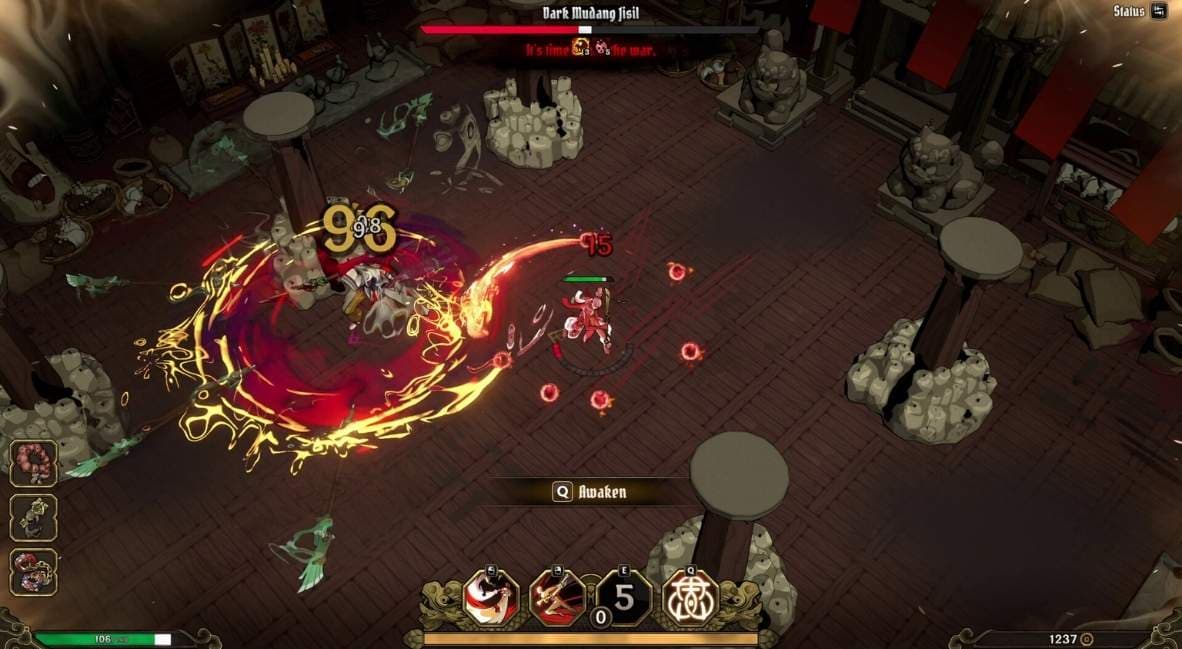
The playtest hands you two weapon types, eight artifacts, and access to five elemental systems (the classics: Fire, Ice, Wind, Earth, Lightning). If you’re the type who gets sucked into synergies and elemental chain-reactions, you’ll have plenty to tinker with. The node-based chapter structure also brings that Slay the Spire-style “which path now?” tension into a world dripping with Korean spiritual iconography.
This Is a Labor of Love (and It Shows)
Wayway Inc. isn’t some anonymous churn-and-burn factory—they’re six people, most of whom have worked together for over seven years. That’s the kind of team chemistry that tends to deliver weird, ambitious indies that punch above their weight. Aksun started as a solo side project, and you can feel that in the game’s DNA—tightly curated, slightly off-kilter, and unafraid to go all-in on Korean mythos rather than sanding off its edges for wider appeal.
I’m a little skeptical, though: as promising as the buildcraft seems, will the combat feel tight enough to stand alongside the best in the genre? Procedural depth is great, but hack & slash roguelites live or die on responsiveness and moment-to-moment excitement. Wayway Inc. gets massive points for vision, but the playtest is their shot to prove they can execute on feel, not just features.
Why Aksun Matters in 2024’s Roguelite Landscape
Let’s be honest—the roguelite market is flooded. Every week, Steam is littered with games promising “endless variety” and “deep lore,” but few have the guts to try something culturally specific and structurally daring. Aksun stands out: it bets on Korean folklore, ritual as gameplay, and meaningful narrative death. Whether it cracks the mainstream or remains an underground genre gem, it’s proof that even niche indies can shake things up.
- If you crave build-driven action that’s not afraid to get weird, check out the playtest.
- If your Steam library is gathering dust after Hades, this could be the next obsession-level dungeon dive.
- If you’re tired of bland fantasy, here’s something rooted in real cultural mythology.
TL;DR
Aksun’s playtest isn’t just another roguelite—it’s a love letter to Korean shamanic folklore with buildcraft ambition and a cycle-of-rebirth twist. The devs are betting everything on a blend of lore, mechanics, and weirdness. For genre fans, it might just be 2024’s most interesting left-field roguelite. Don’t sleep on it.