
Alabaster Dawn’s Part 1 prologue is easiest if you treat it as a combat tutorial with real stakes, not as a free-roam section. The clean route is to follow the main objective through The End of The World, learn the attack-parry-stagger rhythm while controlling Dahmon, carry that same rhythm into Juno’s opening in Meeting Juno – The Lost Lands, and save your riskier damage for clear punish windows in the Inferna Vespa fight. That approach gets you through the prologue without wasting healing, and it teaches the exact habits the game keeps rewarding afterward.
If you are comparing different walkthroughs, the prologue endpoint can look slightly inconsistent in videos. The clean stopping point for Part 1 is the sequence after Inferna Vespa, when Juno uses a huge amount of power to weave the nest, collapses, and the area shifts from a gloomy state into greenery. Some recordings roll a bit further, but if you want a practical Part 1 cutoff, stop there.
Table of Contents (7)
Fast route through Alabaster Dawn Walkthrough Part 1: Prologue
- Stay on the main objective instead of detouring early. The prologue is built to onboard systems in the right order.
- On keyboard and mouse, basic sword attacks begin with
Left Click. If your bindings differ, checkOptions → Controlsbefore the first boss so dodge and parry are comfortable. - Use Dahmon’s early fights to practice short attack strings, then disengage. Button mashing works on the weakest enemies, but it teaches the wrong timing.
- When Juno takes over, pay attention to weapon identity and utility. The Divine Sword Claio Solas is your signal that equipment choice matters, even in the tutorial stretch.
- During Inferna Vespa, parry the obvious committed strikes, dodge the messy multi-hit pressure, and only spend your big damage after a stagger or long recovery.
The End of The World: play Dahmon like a rehearsal for the rest of the game
The prologue opens with Dahmon leading villagers underground while Nyx’s Nuemera army presses the attack. This is not just story setup. It is the game quietly teaching you how combat in Alabaster Dawn wants to feel: controlled, readable, and based on rhythm rather than panic. Dahmon’s sword strings chain easily, and ally support from Nima helps keep early encounters manageable, but the important lesson is spacing. Hit a short combo, see what the enemy does, then decide whether to continue, dodge, or parry.
The first easy mistake is to keep swinging until the game forces you to stop. That works against disposable trash, but it breaks down the moment enemies attack from the side or the encounter adds pressure. Use these early Nuemera ambushes to practice three habits:
- Open with a basic combo instead of a full commitment.
- Watch for the enemy windup and answer with parry only when the attack is clear and singular.
- Back off after a successful punish so you can read the next animation instead of eating a counterhit.
That last point matters because stagger is one of the prologue’s most important combat mechanics. Alabaster Dawn rewards you for winning these small exchanges cleanly. A well-timed parry or sustained pressure during a safe opening can push enemies into stagger, which turns defense into offense immediately. The prologue does not hide this system, but it also does not over-explain how valuable it becomes. Learn it here, because Juno’s sections and later bosses both lean on the same idea.
Meeting Juno and the Claio Solas handoff
After the opening cutscene shift, the focus moves to Juno in The Lost Lands. This is where the prologue stops being only about survival and starts teaching identity: who Juno is, why she stands apart as a non-Chosen outcast, and how her combat flow still builds on the Dahmon tutorial. If Dahmon taught you the tempo, Juno asks whether you were actually paying attention.
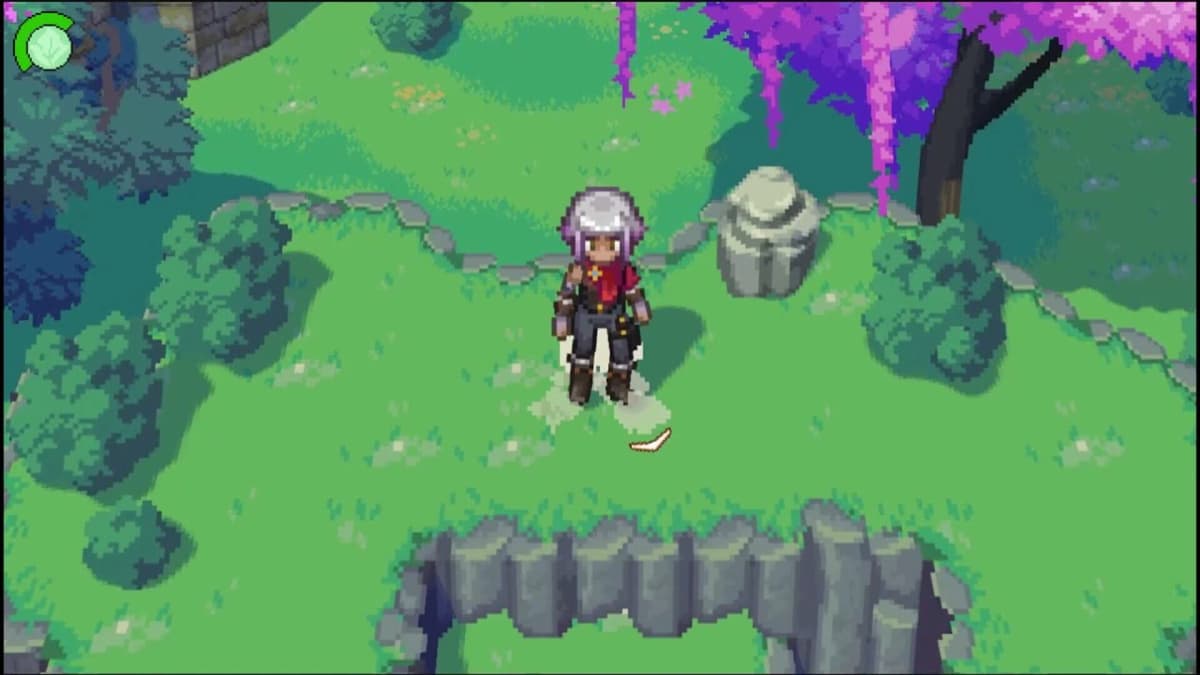
The key story-and-mechanics beat here is Cabbage, the Water Pig, giving Juno the Divine Sword Claio Solas during a Nuemera encounter. Do not treat this as a simple story pickup. It is the game telling you that weapons are not cosmetic. Even early on, Alabaster Dawn expects you to think about what tool fits the enemy, the puzzle prompt, or the space you are fighting in. If a target feels resistant, awkward, or annoying to reach, the answer may be a weapon or interaction change rather than forcing more light attacks.
This is also a good point to clean up your defensive habits. Juno’s fights still reward parry and stagger, but the better lesson is when not to parry. Use parry on committed, readable attacks. Use dodge when the pressure is layered, delayed, or covering too much ground. Players who try to parry everything usually take more damage than players who only parry what is obvious and dodge the rest.
Growth Chart, materials, and what the prologue actually wants you to learn
If the Growth Chart is available during your current prologue build, keep your first choices conservative. This is not the time to spread points into every interesting branch. Favor upgrades that support the weapon and defense pattern you are already using well. In practical terms, early survivability, consistency, or core attack support is more useful than niche specialization while the game is still teaching fundamentals.
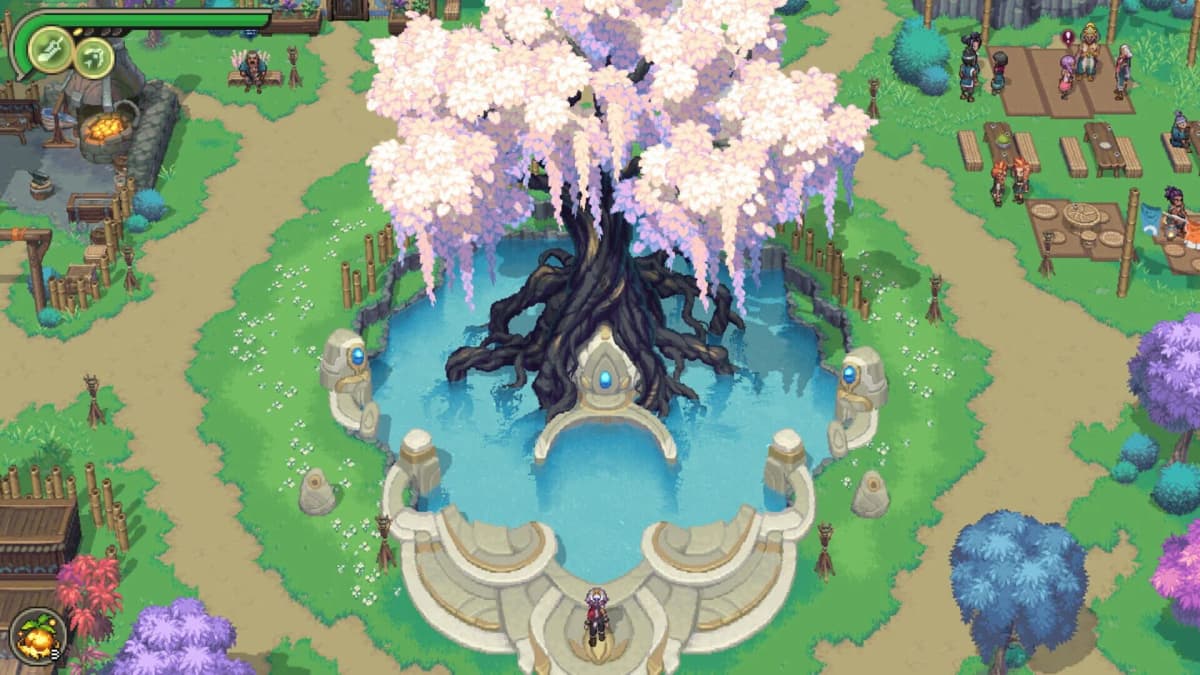
The same logic applies to exploration. The prologue does include side interactions, materials, puzzle prompts, and environmental teaching, but it is most efficient if you follow the objective first and collect naturally along the way. Constant material pickup matters because early gear stagnation sneaks up on you. If Alabaster Dawn gives you resources in the opening hours, that is a signal to keep gathering instead of assuming upgrades can wait until later.
Puzzles in the prologue should also be read as progression gates, not optional brainteasers detached from combat. When a route does not open, think in terms of weapon type, element, or ranged interaction before assuming you missed a hidden lever. If you unlock a ranged option or utility ability, use it to check distant targets and environmental prompts immediately. The game is teaching a language here, and the prologue is where that language starts making sense.
Whenever the route gives you checkpoint-like interactions, healing opportunities, or obvious rest stops before a major arena, use them. The prologue is generous enough that you do not need to hoard every resource, but careless players still enter Inferna Vespa underprepared simply because they ignored free stabilization on the way in.
Inferna Vespa boss guide: win with timing, not greed
Inferna Vespa is the fight that proves whether the prologue’s combat lessons actually landed. The safe strategy is simple: stop trying to turn every opening into a full combo. This boss works best as a reaction check. You want to identify the attacks that are truly punishable, defend the rest cleanly, and let stagger create your big damage windows.
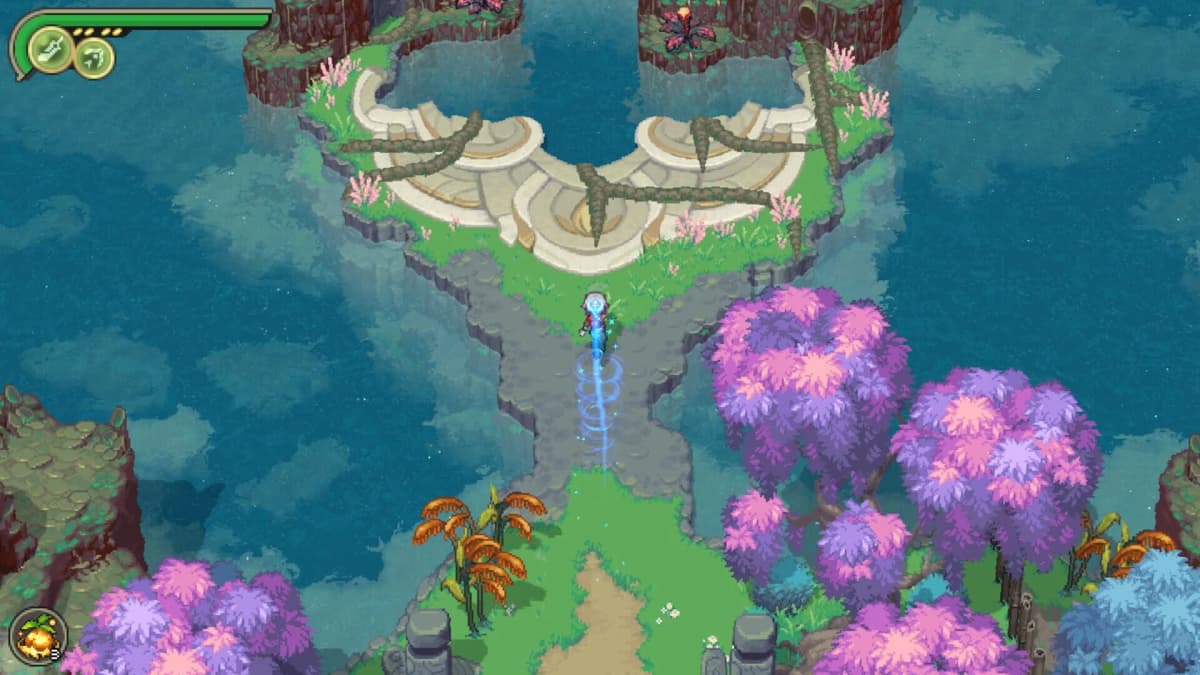
Go into the fight with these priorities in order:
- Read the boss first for a few seconds instead of rushing center screen.
- Parry only the clearly telegraphed, committed strikes.
- Dodge lateral pressure and messy sequences instead of gambling on a fancy answer.
- Attack after recovery, not during active movement.
- Spend stronger abilities or Divine Art after a stagger or long pause, not the moment the meter fills.
The biggest trap in this fight is backward panic movement. If you keep retreating in a straight line, you often give the boss room to keep pressure going and you lose your own punish angle. Side movement is usually better because it changes the line of attack and makes the recovery window easier to see. Once the boss commits and stops moving, step in, land a measured string, then leave before the next sequence starts.
Parry and stagger are the difference between a long, messy fight and a controlled one. A successful parry does more than prevent damage; it lets you take tempo away from Inferna Vespa. If you are still learning the timing, do not force it on every exchange. One clean parry into a short punish is worth far more than three failed attempts that burn healing. Likewise, stagger is where you should cash in. If the boss is visibly opened up, that is the moment for your best burst, not during a neutral state when you might get clipped out of it.
If the fight keeps slipping away, simplify it. Ignore style, stop chasing extra hits, and commit to a “one opening, one punish” rhythm. Alabaster Dawn’s prologue boss is much more manageable when you lower your attack count and raise your reaction quality.
Common mistakes that slow down the prologue
- Overexploring before the game has finished teaching core systems. The main route is the intended onboarding path.
- Trying to parry every attack instead of separating clean single hits from unsafe multi-hit pressure.
- Ignoring weapon utility after getting Claio Solas. The pickup matters mechanically, not just narratively.
- Holding materials and upgrades too long if the Growth Chart or related progression opens up.
- Using high-commitment damage in neutral during Inferna Vespa instead of waiting for stagger or recovery.
If you clear the prologue with those habits in place, you are not just finishing Part 1; you are setting up the rest of Alabaster Dawn correctly. Dahmon teaches rhythm, Juno teaches adaptation, and Inferna Vespa checks whether you can turn parry and stagger into a reliable plan instead of a lucky accident.
FinalBoss // Gear
Level up your setup
01Top-rated gaming headsetson Amazon→02High-refresh gaming monitorson Amazon→03Gaming chairson Amazon→04Discounted game keyson Kinguin→Affiliate links · As an Amazon Associate, FinalBoss earns from qualifying purchases.
Want to Level Up Your Gaming?
Get access to exclusive strategies, hidden tips, and pro-level insights that we don't share publicly.
Ultimate Guide Strategy Guide + Weekly Pro Tips