

Why Alien: Earth’s Corporate Wars Hit Close to Home
Game intel
Alien: Earth
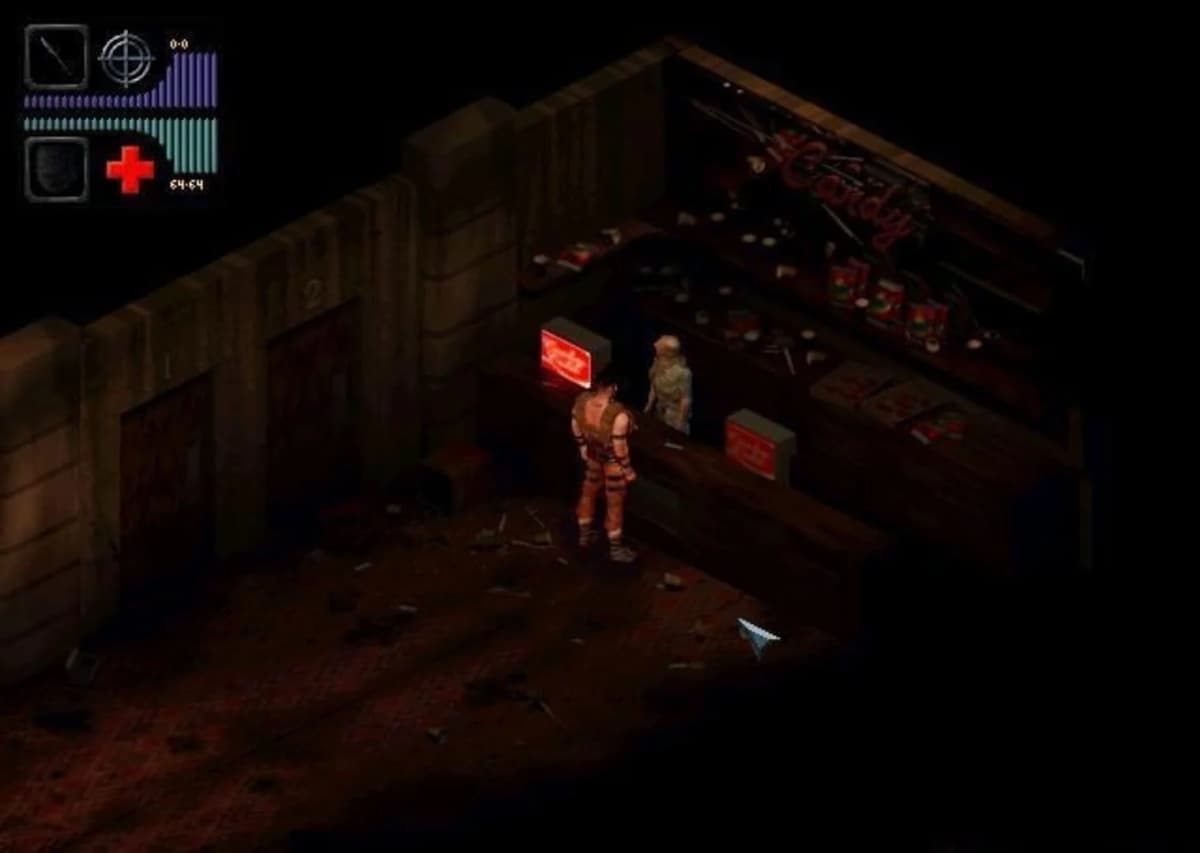
Alien Earth is an isometric role playing adventure game set in a dystopian futuristic earth where an alien race has taken over and enslaved the Humans to hunt…
Alien: Earth Brings Corporate Wars and Xenomorph Horror Home
Alien: Earth isn’t just another prequel—it’s a bolder swing that drops Xenomorph dread onto our planet, and it matters more than you think. Set in 2120, two years before Ripley ever boarded the Nostromo, the series crash-lands a ship called the Maginot in Greenland, unleashes a deadly contagion and anchors the horror in a savage corporate arms race. Lead character Wendy has secrets, five rival megacorps carve up Earth like a strategy game, and the familiar “monster hunts humans” trope takes a backseat to something more insidious: humans hunting immortality through alien biology.
Key Takeaways
- Earth’s in play: Xenomorphs hit home turf in 2120 without undoing Alien’s core mystery.
- Not just Weyland-Yutani: five megacorps divvy Earth, orbit and beyond as competing fiefdoms.
- Cyberpunk meets body horror: cyborgs, synths and bio-hybrids race for eternal life.
- Horror upside—if the show preserves the unknown and contains outbreaks, it could top Isolation.
Breaking Down the Setup
Alien: Earth hinges on the Maginot crash as a “butterfly effect” moment that drags unwitting soldiers and corporate fixers into a planetary contagion. When Wendy leads a recovery team to the wreck, they awaken more than derelict corridors: a xenomorph threat that quickly spirals into a political powder keg. The writers’ choice to place this story in 2120 is a masterstroke—it grants two years of narrative runway to build the corporate tremors that prelude the Nostromo incident, without instantly overwriting Ripley’s original ordeal.
The series’ neon-green prologue spells out a three-front war: cyborg augmentation, AI synth production and bio-hybrid experimentation. Each faction is chasing the same prize—immortality powered by Xeno biology—but their methods and ethics diverge wildly. That collision of ideologies elevates the stakes above “let’s capture a monster,” turning Alien: Earth into corporate tech horror with real geopolitical bite.
The Real Story: Corporations vs. Monsters
For the first time, the “Company” isn’t a single monolith but a fracturing empire of five megacorps. Weyland-Yutani presides over the Americas, Mars and Saturn. Prodigy—led by wunderkind Boy Kavalier—dominates Asia, Sub-Saharan Africa and Greenland (where the Maginot meets its fate). Lynch towers over Russia, Dynamic stakes North Africa, the Middle East and the Moon, and Threshold commands Europe, Scandinavia and the British Isles. This fractured map sparks a boardroom war that’s half Game of Thrones, half 4X strategy.
Imagine a pivotal scene: a business jet turned mobile war room glides over Greenland’s ice fields. Inside, Prodigy’s execs clash with Yutani loyalists over quarantine protocols. When one CEO secretly orders an aerial strike to bury evidence, Wendy’s team must outrun corporate mercenaries and a sealed hangar full of eggs. This backstabbing boardroom betrayal could be the series’ first knockout punch—corporate handshake one minute, gun barrels the next.
Wendy’s Haunted Past and Character Arc
Wendy isn’t a blank slate. Early episodes tease a past operation gone wrong, a squadmate lost to an alien outbreak she barely survived. That trauma fuels her steely resolve but also her blind spots—she trusts tech solutions to contain Xenos, even when her gut screams “containment fails.” We need more than hints: picture a flashback of Wendy in an Arctic lab, watching fellow scientists become test subjects for synth programs. Their final, twitching breaths should echo into every present-day decision she makes.
By midseason, Wendy’s arc should force a moment of reckoning: does she break protocol to save innocents, or does she follow corporate orders at the cost of lives? A showdown with a loyal synth assistant—who refuses to delete contaminated data—could be the crucible that defines her, and by extension, the moral compass of the series.
Perfecting the Xeno Mystery: Containment Scenes and Horror Beats
The terror of Xenomorphs has always thrived on restraint. The show must echo a Sevastopol Station moment from Isolation—dark corridors, distant metallic screeches, a single silhouette slipping past a flickering lamp. A memorable sequence could unfold at a remote research outpost in Greenland: after a routine scan, alarms blare. Scientists scramble to seal airlocks. We cut to Wendy racing up a metal stairwell as footsteps pound above. The camera stays low, the Xeno unseen until a claw rips through the ceiling panel. That brief glimpse—no full reveal—keeps dread alive.
Containment must also feel flawed: autoclaves stall, security doors misalign, propaganda broadcasts deny any outbreak. Corporate media b-roll of “successful bio-hazard drills” should contrast with blood-spatter silhouettes in sealed chambers. This controlled chaos preserves the mythos: Xeno horror is out there, but megacorps rewrite history before news crews arrive.
Want to Level Up Your Gaming?
Get access to exclusive strategies, hidden tips, and pro-level insights that we don't share publicly.
Ultimate Gaming Strategy Guide + Weekly Pro Tips
Synth vs. Cyborg: A Moral Collision Course
The three-way technological war hinges on personal loyalties. Picture a synth guard programmed to follow orders versus a cybernetically enhanced soldier wrestling with decaying flesh grafts. In one standout scene, a cyborg named Ortiz chases down a rogue Xeno sample. His augmentations warn of biohazard levels, but his organic heart hesitates—he recognizes a human research assistant cowering in a vent. If Ortiz obeys orders, the assistant dies and the sample survives. If he defies his upgrade protocol, his grafts overload, and he melts down. That split-second choice—and its aftermath—should resonate through the megacorp boardrooms, where Ortiz’s fate becomes another bargaining chip.
Canon Check: Does This Break Alien’s Mystery?
So far, Alien: Earth respects franchise DNA. By slotting events in 2120, it teases what Weyland-Yutani’s Yutani heirs knew before the Nostromo. Giving the obsession a generational face—Yutani matriarch signing off on Maginot missions—adds depth without shoehorning every origin story into the light. The risk is Prometheus syndrome: over-explaining the Xeno lifecycle until dread evaporates. Here’s the rule of thumb: preserve biology as puzzle pieces, not encyclopedia entries. Let speculation thrive in dimly lit labs and red-warning readouts.
And those Earth outbreaks? They must feel local and deniable. If a small town in Greenland vanishes under quarantine, global media chatter must be silenced or spun as a “containment exercise.” This echoes the silent purge of Sevastopol, where corporate cover-ups outshine public safety. Do that, and the series deepens the myth instead of flattening it.
The Gamer’s Perspective
Gamers will spot the worldbuilding hooks immediately: corporate fiefdoms, faction tech trees, emergent horror set pieces. Alien: Earth is basically a blueprint for a next-gen immersive sim: hack synth AI, upgrade cyborg augments, navigate shifting alliances and avoid Xenomorph spawn points. Wendy’s haunted past and corporate espionage missions could translate into side quests with moral weight. And that isolation tension—the carefully rationed resources, echoing corridors, sudden silhouette jumps—would make any darkened station a nerve- shredding nightmare.
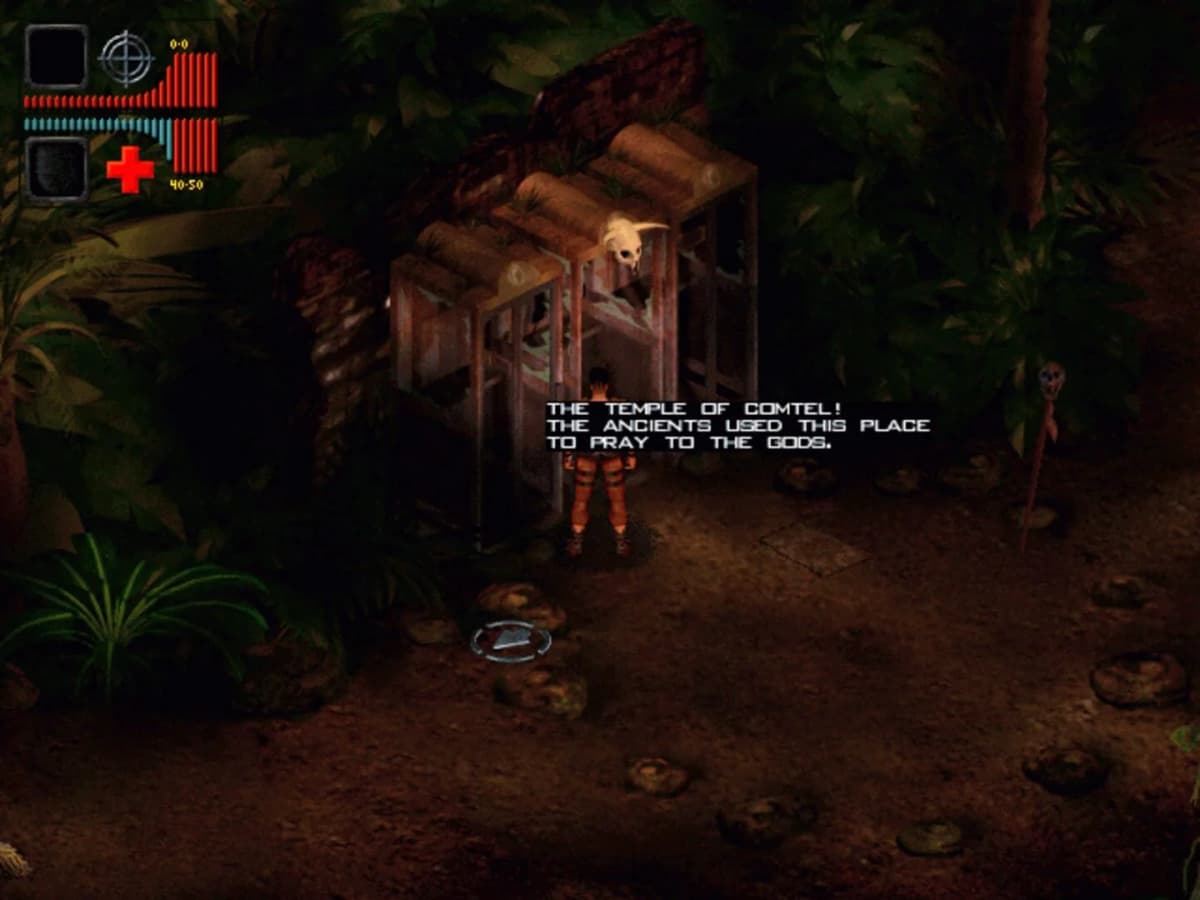
The real promise is player agency. A potential tie-in game could let you choose allegiances: leak data to a rival megacorp for higher pay, or protect innocents at personal cost. Mixed endings—corporate victory, Xeno outbreak, or civilian survival—would honor the series’ layered threats.
Looking Ahead
Alien: Earth’s gambit is clear: human greed is as monstrous as any Xeno. If the show commits to boardroom betrayals, a flawed containment model and personal stakes that tie Wendy’s past to the planetary future, it could be the franchise’s best expansion since Isolation. But if it floods us with expositional lore or lets outbreaks run global, the dread erodes fast.
Future seasons should double down on character-driven drama—Wendy’s crisis of faith, Ortiz’s moral collapse, synths that question programmed loyalty—and stage terrifying Xeno encounters that feel earned, not thrown at us. That balance of corporate chess and alien horror is the sweet spot.
TL;DR
Alien: Earth could revitalize the saga by framing humans as the real monsters in a savage corporate arms race—if it preserves the Xeno mystery, contains outbreaks, and balances boardroom betrayals with gut-punch horror. Watch it for the intrigue; stay if the dread holds.