
The useful part of the Alien: Isolation 2 reveal is not that Creative Assembly has a sequel. That was eventually going to happen once the first game finished its long journey from cult favorite to modern horror reference point. The real shift is structural: this game is moving at least part of the experience off a sealed station and onto the surface of LV-921, and that changes the basic contract of Isolation. If the 2014 original worked because Sebastopol felt like a pressurized death maze, the sequel now has to prove that dread survives contact with open terrain, weather, and wider sightlines.
Early hands-on reports suggest this is not vaporware, not a cinematic fake-out, and not one of those “we’ll have gameplay later” reveals that the industry keeps trying to pass off as substance. Multiple outlets describe a playable build, generally around a half hour to an hour, with sections set between Kurosaki Station and the planet below. That matters. A playable prologue says Creative Assembly is showing systems, not just mood. It also means the studio is confident enough to let people test the thing most likely to go wrong: the xenomorph in a new kind of space.
Table of Contents (4)
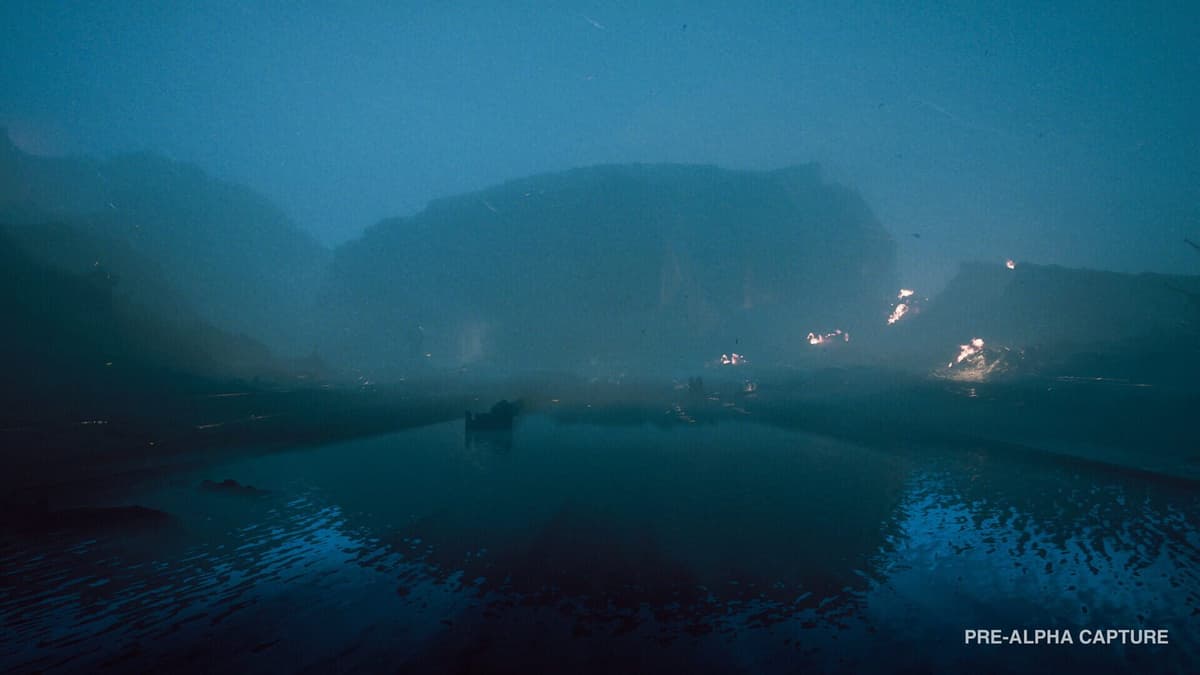
The planet surface is the sequel’s real gamble
Most headlines will lock onto “improved xenomorph AI,” because game reveals love two phrases: “smarter enemies” and “more dynamic world.” Both are useful, and both are easy to oversell. The more interesting question is what happens when Alien: Isolation stops being almost entirely about corridor geometry.
The first game’s genius was not simply that the alien was dangerous. It was that the environment turned every sound cue into a tactical problem. Vents, locker spacing, terminal placement, line of sight, and dead-end rooms all fed into the panic. On a station, confinement did half the horror design for you. On a storm-ravaged planetary surface, that design has to be rebuilt from different parts. Wind, low visibility, terrain breaks, exposed traversal, and the transition between exterior and interior spaces become the new pressure system.
That is why LV-921 matters more than the trailer did. If Creative Assembly can make open ground feel just as restrictive as a hallway without cheating the player, then the sequel has a reason to exist beyond nostalgia. If it cannot, the game risks becoming a prettier repetition of familiar stealth loops with less elegant level design. Horror games break quickly when “space to move” starts feeling like “room to disengage.” The alien stops being an ecosystem predator and starts feeling like a roaming inconvenience.
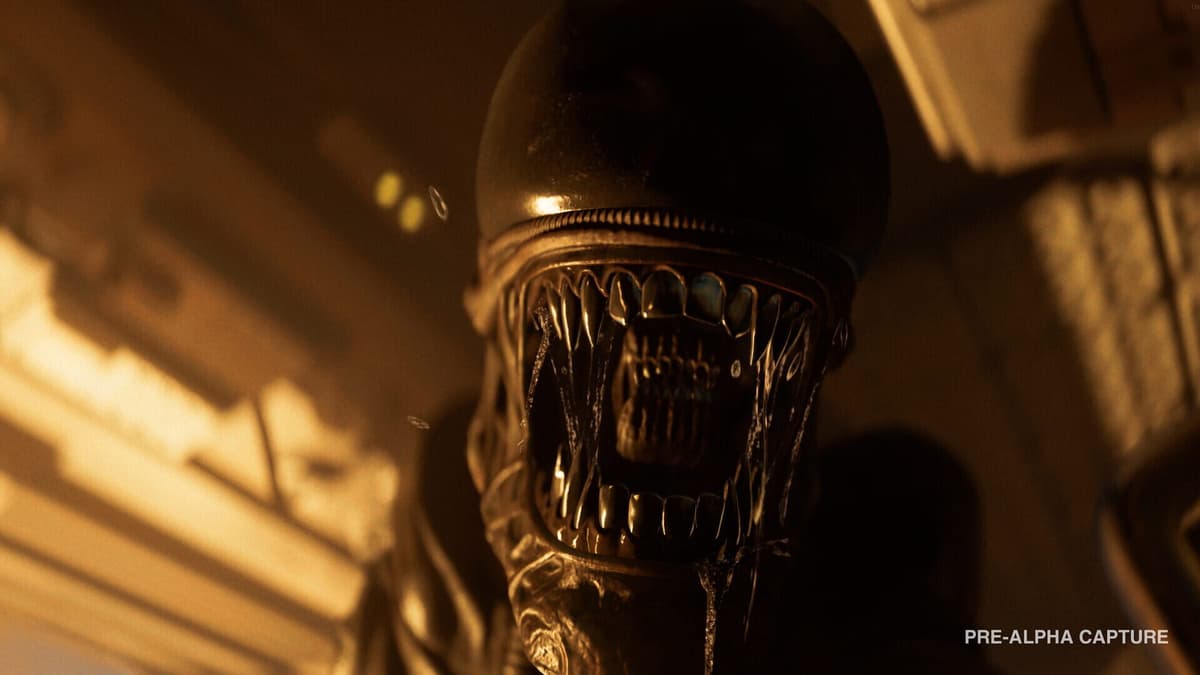
“Better AI” sounds impressive, but detection is the thing to watch
The xenomorph is reportedly more responsive and more threatening, which is exactly what a sequel should claim. The problem is that enemy AI in marketing usually means one of three things: broader search states, faster reaction windows, or more aggressive pathing. Only one of those is interesting in Isolation, and it is not the one PR likes to emphasize.
What made the original alien memorable was not raw speed or kill animations. It was the sensation that it was narrowing your options in real time. Good horror AI does not just punish mistakes; it contaminates planning. You begin rerouting before contact. You waste tools earlier. You stop trusting “safe” habits. If the sequel’s improved AI is real, players should feel it most in detection management, not reflex tests. That means audio readability, search persistence, distraction logic, and whether the creature meaningfully adapts to repeated player behavior.
That also creates the uncomfortable question the reveal does not answer yet: how much of this behavior is genuinely systemic, and how much is carefully staged for a prologue demo? Vertical slices are built to flatter a game. They front-load polished encounters, tightly tuned scares, and scripted uncertainty that looks organic from the outside. There is nothing dishonest about that by itself. It becomes a problem if the final game cannot sustain the same improvisational pressure once players start testing edges, save-scumming, or learning the alien’s habits.
If I were in the room with Creative Assembly, the question would be simple: when players understand the rules, does the alien still create new problems, or does it collapse into a set of optimizable tells? That is the line between a lasting horror system and a very expensive haunted house.
Creative Assembly is being smart by changing one pillar, not all of them
To the studio’s credit, early reports point to restraint. The sequel appears to keep the series’ survival-horror grammar intact: stealth, limited tools, environmental tension, and an unkillable threat. That is the correct read of why the first game endured. Horror sequels usually fail in one of two familiar ways. Either they inflate the scale until terror turns into combat admin, or they cling so hard to the original template that they become museum pieces. Alien: Isolation 2 seems to be trying the narrower and smarter path: preserve the helplessness, change the terrain.
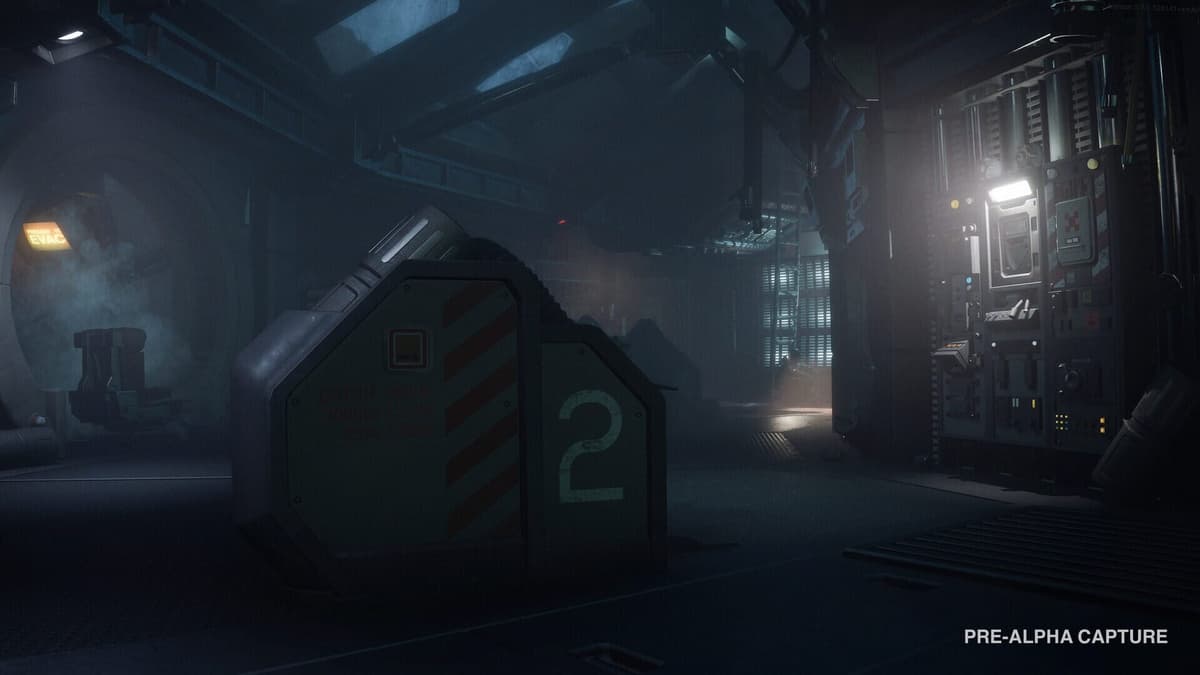
That is also why the move between station interiors and surface sections could be the most effective part of the design. Contrast matters in horror. If exterior areas introduce weather disruption, lower predictability, and a different audio profile, then returning indoors can feel oppressive again instead of routine. The trick is making both spaces serve the same tension loop rather than feeling like separate modes stitched together because “bigger sequel” was on the pitch document.
There are a few early caveats already. Some reporting differs slightly on the naming format for LV-921 versus LV921, which is minor but suggests the usual reveal-week messiness in materials. One preview also flagged spatial audio as an area that still needs work. In a game like this, that is not a side note. Audio is infrastructure. If directional sound is muddy, the alien stops feeling intelligent and starts feeling arbitrary, which is fatal for a stealth horror game built on informed fear.
What players should pay attention to when more footage drops
There is enough here to take the sequel seriously. There is not enough to assume Creative Assembly has solved the hardest design problem in front of it. The reveal says the studio understands what made the first game distinct. The next step is proving that understanding survives beyond a curated demo.
- Watch how long the alien remains unpredictable once a full mission is shown, not just isolated scare beats.
- Watch whether exterior areas preserve vulnerability or quietly hand players too many escape routes.
- Watch the transition between LV-921’s open zones and Kurosaki Station interiors. If that seam is awkward, the whole structure may feel split.
- Watch the audio mix. In Isolation, sound is not flavor. It is the interface.
- Watch for unscripted player failure in extended demos. A real systemic game can survive messiness on stage.
So yes, the reveal is encouraging. More encouraging than a lot of legacy-franchise resurrection attempts, frankly. But the sequel’s future does not hinge on whether the xenomorph model looks better or whether the trailer hit the right notes of industrial dread. It hinges on whether Creative Assembly can make a planet feel as psychologically trapping as a station. If that answer is yes, this could be one of the rare horror sequels that expands without diluting itself. If the answer is no, players will figure it out within an hour, probably sooner.
For now, the practical takeaway is straightforward: keep an eye on longer raw gameplay, especially anything that shows failed stealth, repeated encounters, and sustained time on LV-921’s surface. That footage will tell you more than any “improved AI” bullet point ever will.
FinalBoss // Gear
Level up your setup
01Top-rated gaming headsetson Amazon→02High-refresh gaming monitorson Amazon→03Gaming chairson Amazon→04Discounted game keyson Kinguin→
Affiliate links · As an Amazon Associate, FinalBoss earns from qualifying purchases.
Want to Level Up Your Gaming?
Get access to exclusive strategies, hidden tips, and pro-level insights that we don't share publicly.
Ultimate Gaming Strategy Guide + Weekly Pro Tips