
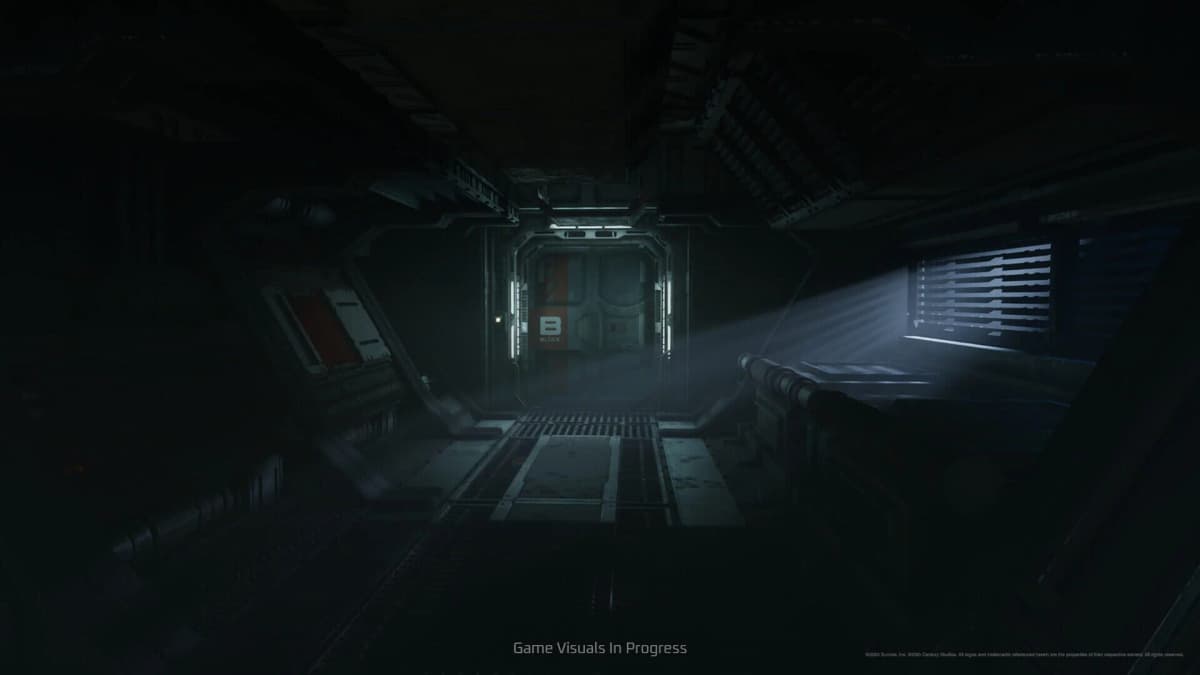
I’ve lost count of how many Alien games confuse firepower for identity. The second a corridor turns into a routine shooting lane, the franchise loses that ugly little magic that made Ridley Scott’s universe feel hostile in the first place. Steel walls stop being oppressive. Motion trackers stop being panic machines. Xenomorphs stop being nightmares and start becoming targets.
That is why the current review picture around Alien: Rogue Incursion is more interesting than it first looks. Even critics who bounce off its rough edges keep circling back to the same point: this game understands the smell of the room. It gets the industrial sci-fi grime, the oppressive soundscape, the shape and movement of the creatures, and the simple terror of being in an Alien space that does not want you alive. If you came here looking for an Alien: Rogue Incursion review that trims away the marketing gloss, that is the central truth. It nails the fantasy better than the systems around it.
One important note before the verdict: this piece is built from current review coverage and the evidence in front of us, including reactions to the original release and the later flat-screen version, not from me pretending I personally rolled credits. That matters, because the broad consensus is not “masterpiece” or “mess.” It is something much more specific: high immersion, uneven execution, and a strong sense that this could become a much more convincing series if the next step irons out the obvious friction.
Table of Contents (8)
Key takeaways
- The big win: atmosphere. Reviewers consistently praise the environments, audio, and creature design for feeling authentically Alien.
- The big problem: the combat loop appears to wear thin, with predictable enemy behavior and tension that fades over time.
- The big caveat: bugs and a frustrating save structure show up often enough in coverage that they cannot be brushed aside.
- The practical verdict: great fit for Alien fans, survival-horror players, and people happy with a short, focused campaign. A shakier recommendation for anyone chasing systemic depth or a polished, complete-feeling package.
The Alien fantasy is the reason this game works at all
The strongest thing about Alien: Rogue Incursion is also the hardest thing for most licensed games to fake: presence. Not spectacle. Not lore drops. Presence. The reviews line up on that point with unusual consistency. The industrial interiors feel right. The sound design apparently does a lot of the heavy lifting. The Xenomorphs themselves come across as threatening in the way Alien creatures need to be threatening: not just dangerous, but invasive, sudden, and deeply unpleasant to share oxygen with.
That matters more than a bullet-point list of features ever will. An Alien game does not live or die on how many guns it has. It lives or dies on whether entering a room feels like a mistake. By that standard, Rogue Incursion seems to get a lot right. Multiple reviewers describe genuinely frightening encounters, and that alone puts it in stronger company than a lot of franchise spin-offs that wore the right logos without understanding the rhythm of fear.
There is also a recurring sense that the world-building is not merely wallpaper. The environments are not being praised as generic sci-fi corridors with Weyland-Yutani stickers slapped on top. Critics keep highlighting the old-school industrial design language of the Alien universe, which is exactly what fans want. Chunky machinery. Harsh lighting. Claustrophobic routes. The feeling that every bulkhead has seen one accident too many. When a review chorus keeps returning to that kind of detail, it usually means the fantasy is not just recognizable, it is convincing.
That is the foundation for the whole recommendation. If this were merely competent as a shooter and weak as an Alien story, the conversation would be much colder. Instead, the common reaction sounds like this: “I can see the seams, but I still kind of love being here.” That is a real asset. For franchise diehards, authenticity carries weight. It can cover a surprising number of sins, at least for one campaign.
Where the pressure leaks out: repetitive combat and thinning dread
The trouble is that fear is a fragile resource. Once a horror game starts showing its hand too clearly, the pulse drops. Review coverage suggests Alien: Rogue Incursion runs into exactly that problem. The most common criticism is not that combat is terrible. It is that combat becomes repetitive, and enemy behavior begins to feel familiar enough that the dread loses some of its bite.
That distinction is important. A lot of middling action-horror games fail because the mechanics are outright broken. This sounds more like a game that works in the short term but does not keep evolving fast enough. The first several ugly encounters with a Xenomorph can be intense. The tenth or twelfth time the same rhythms start repeating, the illusion weakens. Once players start reading spawn pacing, attack patterns, or encounter structure too easily, horror turns into maintenance. You stop surviving a monster movie and start managing a combat loop.
Several reviews frame the experience as a blend of proper Alien tension with more regular shooter habits, and that split seems to define the ceiling. At its best, the game is channeling that hunted, cornered feeling fans chase every time a new Alien project appears. At its weakest, it sounds closer to a solid but limited survival shooter that has learned the costume better than the choreography.
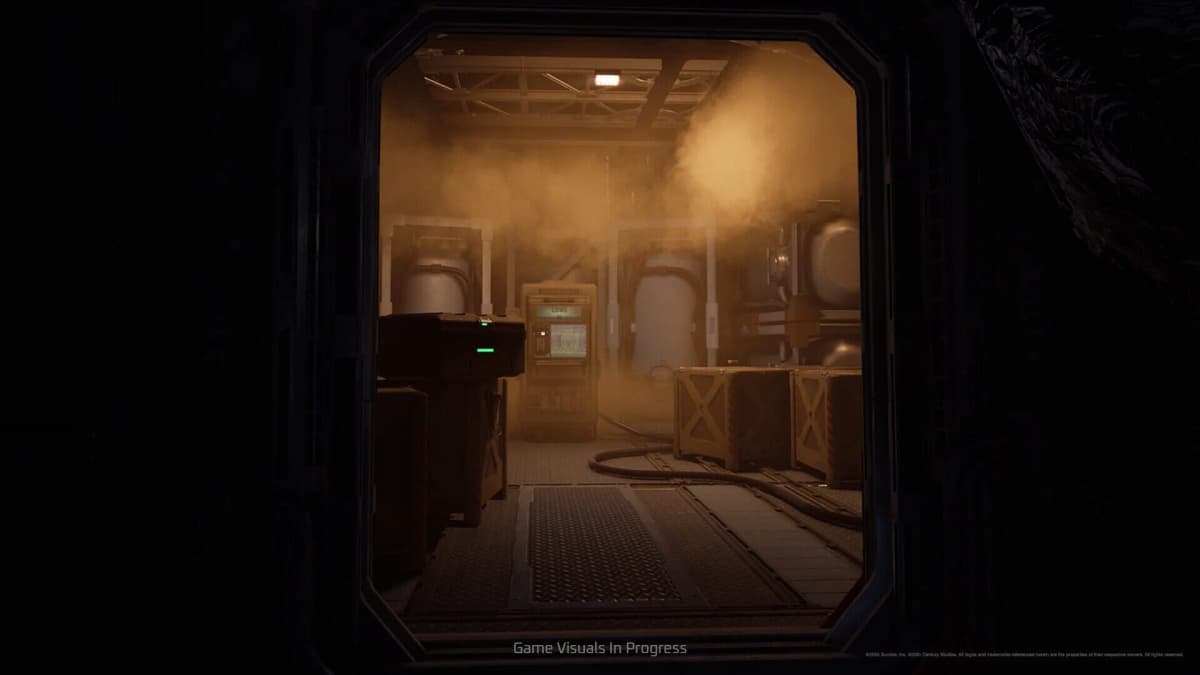
This is also where the game’s runtime cuts both ways. A shorter campaign can protect a horror game from overexposure, and in one sense Rogue Incursion benefits from that. Reviews put the experience roughly in the six-to-eight-hour range depending on edition and pace, which means it does not overstay its welcome in the way bloated genre games often do. At the same time, if the core combat and enemy behavior are already feeling predictable inside that window, it is fair to wonder how much more headroom the design really had.
So the weakness is not merely “too much combat.” It is that the game apparently leans on encounters in ways that eventually chip away at the thing it is best at: tension. That is a painful own goal for a franchise built on anticipation, stalking, and the suspicion that the walls are listening.
Technical friction keeps showing up, and that changes the recommendation
There is another reason the enthusiasm around this game stops short of full-throated praise: technical friction. Bugs are mentioned often enough in coverage that they read as a meaningful part of the experience rather than a few isolated annoyances. The bigger issue, though, may be the save structure. More than one review points to an antiquated or frustrating system that can trap players in bad loops, which is exactly the kind of issue that hits harder in horror than in most genres.
When a shooter stumbles technically, you get irritation. When a horror game stumbles technically, you get a broken mood. Being forced to replay a rough stretch, wrestle with progress loss, or re-enter a bad resource situation does not just waste time. It punctures fear. The emotional engine stalls. Instead of leaning forward in dread, players start thinking about checkpoint logic and workarounds.
This is one of those cases where “wait for patches” is not cowardice; it is practical advice. The evidence suggests the core artistic pitch is already strong, but the player-facing edges need sanding. If post-launch work continues improving bugs, save behavior, and encounter consistency, this could become easier to recommend without caveats. Right now, those caveats are part of the package.
The story seems good, but it also sounds like chapter one of something bigger
The good news is that the narrative side of Alien: Rogue Incursion appears to land better than the rougher mechanical bits. Reviewers generally describe the story as good, original, and tightly paced. That is encouraging, especially because licensed horror stories often lean too hard on iconography and forget to build momentum. By most accounts, this one keeps things moving and gives players enough reason to keep pushing forward besides simple franchise loyalty.
The less flattering version is that it can feel like a “greatest-hits” tour of Alien ideas rather than a truly fresh spin on the universe. That is not fatal. Plenty of franchise games survive on strong execution more than radical invention. Still, it feeds into the broader sense that Rogue Incursion is a very good proof of concept before it is a fully undeniable statement.
The cliffhanger structure sharpens that feeling. Some reviewers finish the game eager for part two, which is a compliment. Others clearly seem annoyed that the arc feels incomplete, which is also fair given the game’s length and rough edges. A short campaign is easier to swallow when it feels focused and whole. It is harder to shrug off when it feels like a deliberate first installment waiting on a follow-up that does not exist yet.
In plain terms, this sounds like a game that earns curiosity about what comes next without fully escaping the suspicion that it needed a little more here and now.
Evolved Edition widens the audience, but it does not erase the same old problems
The later flat-screen release changes the conversation in a useful way. If the original version’s biggest selling point was immersion through VR presence, the Evolved Edition asks a tougher question: does this still stand up as a traditional first-person survival-horror game when the novelty and intensity of VR are stripped back? Based on the current coverage, the answer is mostly yes, with the same asterisks attached.
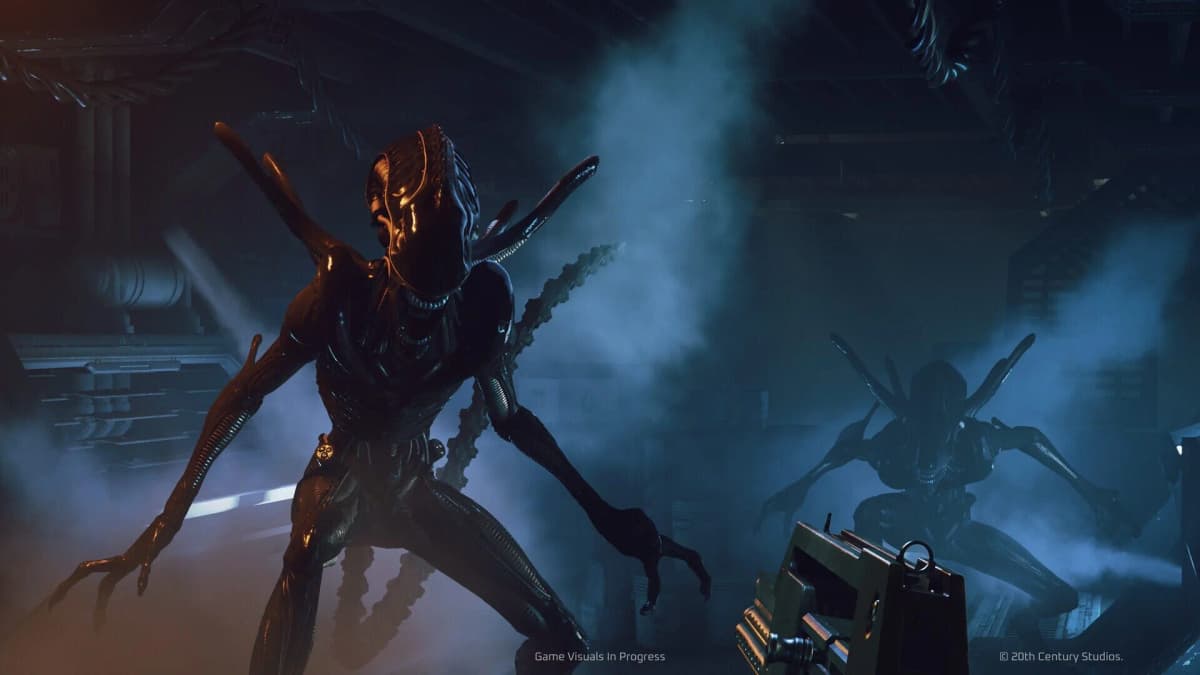
That matters for anyone searching specifically for an Alien: Rogue Incursion Evolved Edition review. The flat-screen version seems to make the game more accessible to a much wider audience, and at least some critics still find it compelling in that form. The atmosphere survives the transition. The creature design still sells the threat. The core Alien fantasy is still there. But the move away from VR also puts more pressure on the fundamentals, and those fundamentals are where the recurring complaints live.
In other words, the Alien: Rogue Incursion Evolved Edition reviews do not really rewrite the verdict. They reframe it. The question stops being “is this immersive enough in VR to overlook some roughness?” and becomes “is this survival-horror shooter sturdy enough on its own?” The answer sounds like a cautious yes for fans, a more conditional yes for horror players, and a shrug for everyone else.
If you have been comparing Alien: Rogue Incursion Evolved Edition review coverage with reactions to the original release, the practical takeaway is simple: the non-VR version broadens who can enjoy the game, but it does not magically solve repetitive encounters, technical friction, or the sense that the whole thing is building toward a stronger sequel.
Strengths and weaknesses, plainly stated
- Strengths: authentic Alien atmosphere, excellent environmental tone, strong sound work, scary creature presence, solid story reception, focused length that suits a horror campaign.
- Weaknesses: repetitive combat, enemy behavior that can become predictable, bugs, frustrating save structure, cliffhanger energy that may leave some players unsatisfied.
That combination creates a very specific kind of recommendation. This is not the Alien game for players who want endless systems, deep combat expression, or a pristine run free of friction. It is for people who mostly want to be inside that universe and can tolerate some rough mechanical stitching to get there.
Who it suits, and who should probably hold off
Alien: Rogue Incursion sounds best suited to three groups. First, committed Alien fans who care deeply about atmosphere and franchise feel. Second, survival-horror players who are happy with a short, concentrated run rather than a sprawling epic. Third, players willing to treat this as a strong first step with the hope that patches and a future follow-up sharpen the formula.
It is a weaker fit for players who get irritated by repetition quickly, anyone with low patience for buggy launches or awkward save systems, and those who want a complete, polished, standalone arc that wraps up cleanly. If you already know that technical friction ruins horror for you, waiting is probably the smart move. If you mainly want another excuse to breathe recycled air in a filthy Weyland-Yutani nightmare, the argument gets a lot stronger.
FinalBoss // Gear
Level up your setup
01Meta Quest 3on Amazon→02PSVR2 accessorieson Amazon→03Gaming chairson Amazon→
Affiliate links · As an Amazon Associate, FinalBoss earns from qualifying purchases.
Want to Level Up Your Gaming?
Get access to exclusive strategies, hidden tips, and pro-level insights that we don't share publicly.
Ultimate Reviews Strategy Guide + Weekly Pro Tips