
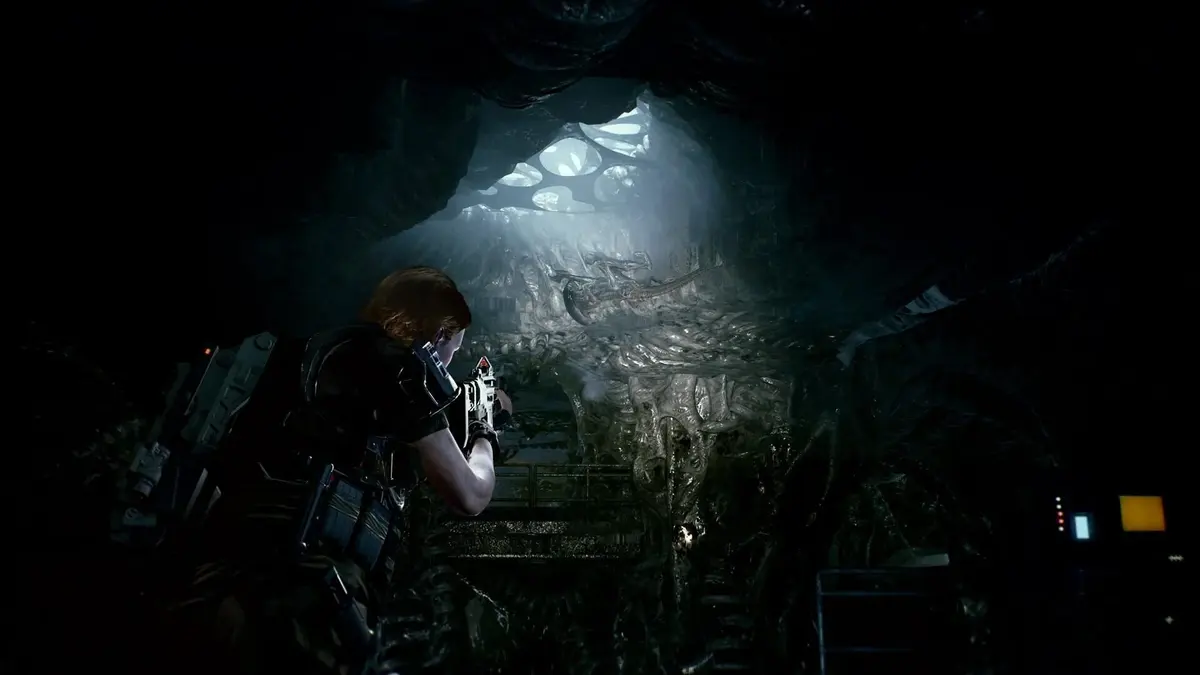
A $30 game should not become a $0 game because someone flips a server switch. Yet that is exactly where Nintendo Switch owners of Aliens: Fireteam Elite landed on August 5, 2026. Cold Iron Studios shut down the cloud version’s servers, the game stopped working entirely, and buyers were left without refunds.
The base version had sold for $30, while the Ultimate Edition cost $60. That is real money for a product that was presented in a regular digital storefront transaction, then became unusable on a date chosen by the company that sold access to it. The Switch version had already been delisted earlier in 2026, leaving existing owners staring at the worst possible outcome: no new sale, no local download, no cartridge alternative, no future replay, and no compensation.
I am tired of the industry treating this outcome as an unfortunate technical footnote. It is a consumer-rights failure. A cloud-streamed game has different risks from a downloaded game, and publishers have spent far too long expecting players to absorb those risks alone.
Table of Contents (6)
$30 Can Become Nothing Overnight
Aliens: Fireteam Elite on Switch was a cloud version. The game did not run locally on the console in the way a conventional download does. It was streamed from remote servers. That technical distinction sounds dull until the servers disappear, at which point it becomes the only distinction that matters.
A downloadable game can often remain on a player’s system after delisting. A buyer may still redownload it, install it, launch it offline, and return years later if the local build supports that. The Switch cloud edition of Aliens: Fireteam Elite offered no such safety net. When server access ended, so did the functional product.
That means Switch players did not buy a durable copy of Aliens: Fireteam Elite. They bought access to a remotely hosted service with an expiration date that was not part of the value proposition when many of them paid for it. Calling that a purchase without making the temporary nature unmistakable is bullshit.
Yes, owners received advance notice that the service would end on August 5. Notice matters. It is better than waking up one morning to a dead icon on the home screen. But notice alone does not make the arrangement fair. A landlord giving you warning before taking back your apartment does not mean you bought the apartment. The problem here is that a standard game-store purchase trains people to expect continuing access, while the actual deal behaves more like a lease with no meaningful exit terms.
The Cloud Label Is Not a Get-Out-of-Responsibility Card
The predictable defense is that cloud infrastructure costs money, servers cannot run forever, and companies need the freedom to end support for products that no longer make financial sense. Fine. No reasonable player expects a publisher to maintain every server in perpetuity.
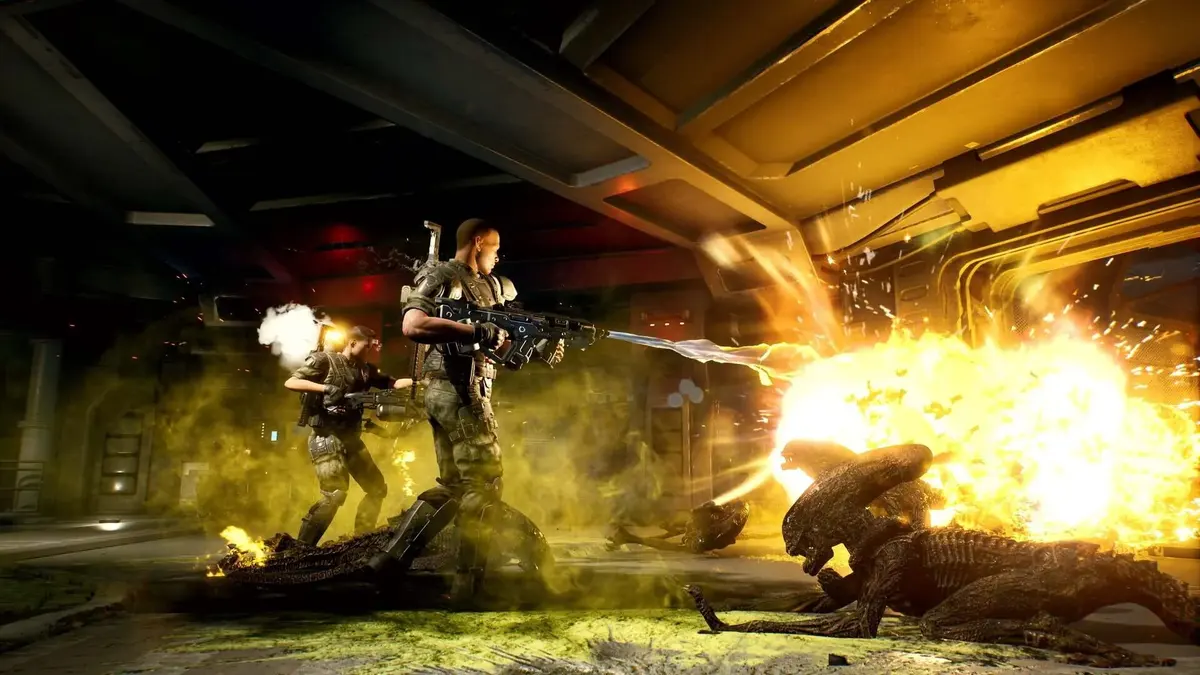
What players should expect is an honest deal. If a publisher sells a game that can vanish completely, it must explain that risk in huge, plain language before the checkout screen. It must spell out what buyers receive if the service ends. And when access is removed, it must offer a remedy that recognizes the buyer paid for more than a countdown timer.
The cloud label tells a player where the software runs. It does not answer the question that matters: what happens to the money already spent when the service dies? For Aliens: Fireteam Elite on Switch, the answer was apparently nothing. No playable game. No refund. No store credit. No transfer to a version that can survive locally. That is a rotten deal, however many words a storefront uses to describe licenses and online functionality.
The fact that Aliens: Fireteam Elite remains available on PC, PlayStation, and Xbox makes the Switch result sting even harder. This was not the entire game being erased from existence. It was one group of customers being stranded because their version depended on a particular cloud arrangement. Their purchase delivered the least permanent form of access, yet it carried a normal retail price.
Four Rules Cloud Games Owe Their Buyers
The answer is not banning cloud games. Streaming can make demanding software available on hardware that could not otherwise run it. The answer is forcing publishers and storefronts to stop hiding the downside behind vague service language. Every cloud-only game should meet four basic standards.
| Player-rights standard | What buyers should see before purchase | What should happen at shutdown |
|---|---|---|
| Clear service-end disclosure | A prominent cloud-only label and a dated shutdown policy where available | Buyers receive a clear, direct notice well before access ends |
| Minimum notice window | A stated period between shutdown announcement and service closure | Sales stop early enough that nobody buys into a dying service unaware |
| Compensation guarantee | Written terms covering refunds, credit, or replacement access | Recent buyers receive refunds; longer-term owners receive fair prorated value or store credit |
| Preservation fallback | A statement on whether offline access or a replacement version is possible | Publishers provide an offline build, offline mode, or an equivalent playable entitlement where feasible |
These standards are not radical. They are the minimum framework needed when the seller controls every part of the product’s continued existence. Publishers choose the servers, the shutdown date, the storefront wording, and whether an offline contingency is developed. Buyers control none of that. A fair market cannot put every ounce of risk on the person holding the receipt.
Refunds are the cleanest starting point. A full refund for recent buyers is obvious. For players who owned a cloud game for longer, prorated compensation or storefront credit is a sensible baseline. A free entitlement to a playable local version would be even better where the technical and platform circumstances allow it. The exact remedy can vary. “You get nothing” should not be an acceptable default.
Switch Owners Got the Harshest Lesson
Nintendo Switch players have particular reason to be skeptical of cloud editions now. The platform can host excellent local games, but a cloud release sits in a separate, far more fragile category. A game icon on the home screen can look like ownership while functioning only as a shortcut to somebody else’s computer.
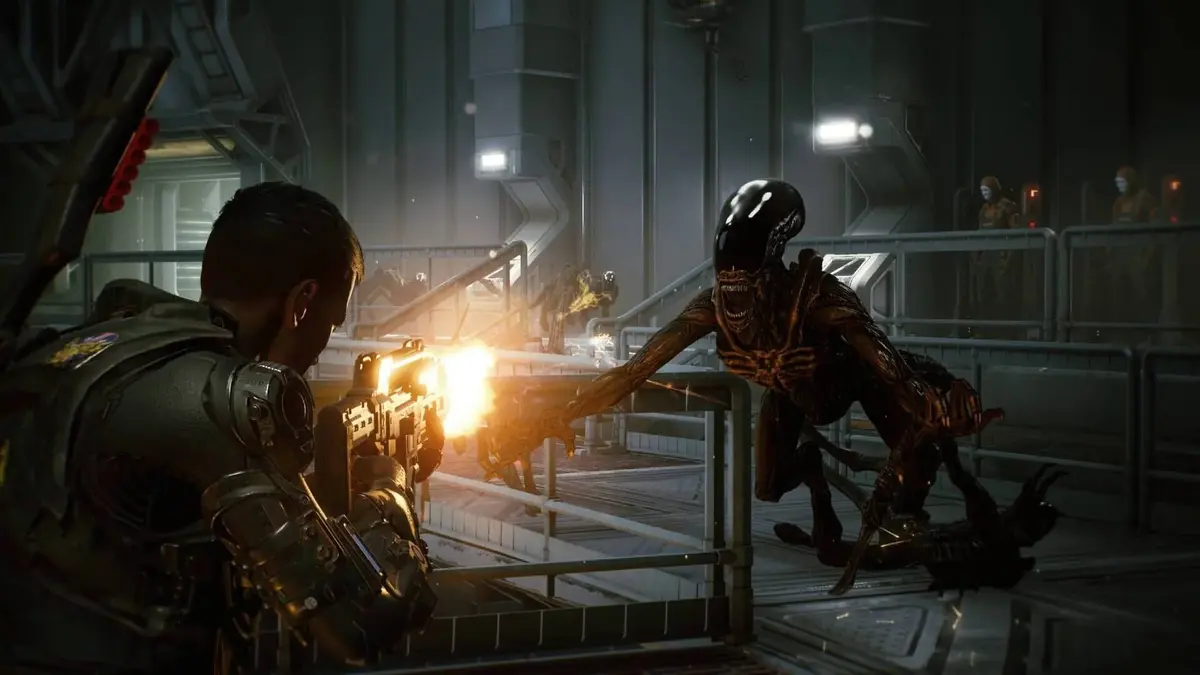
That is why physical media still matters, and why local downloads still matter. Neither format guarantees eternal access. Hardware fails, stores close, patches disappear, and licensing can complicate even a standard download. But a local game gives the buyer something concrete to preserve. A cloud-only game gives the buyer permission to connect while the operator feels like providing the connection.
Aliens: Fireteam Elite made the divide brutally visible. Switch buyers were not merely cut off from online matchmaking or an optional server feature. The whole game became unplayable, including for people who expected to take on missions with AI teammates. A game sold on the strength of being playable has no value when it cannot launch at all.
How I Would Vet a Cloud Game Before Paying
Publishers need rules, but players also need a better pre-purchase routine while the industry refuses to provide them. I now treat a cloud-only listing as a high-risk purchase by default, especially at full price. The burden should not be on players, but pretending the risk is invisible helps nobody.
- Read the platform label carefully. Phrases such as “Cloud Version,” “streaming,” “requires internet connection,” “server-based access,” and “online-only” should immediately change the purchase calculation.
- Find the shutdown policy before buying. A publisher that has no written explanation for end-of-service access is telling buyers that the outcome has not been promised.
- Check whether the game runs locally. A local install with offline functionality is fundamentally safer than a stream that depends on remote hardware every time it launches.
- Look for a physical edition only if preservation matters to you. A cartridge does not solve every modern game problem, but it is far better than owning nothing but a server handshake.
- Consider the price as temporary-access pricing. If a cloud product has no refund, credit, or offline commitment, its real value is lower than a permanently playable copy.
That final point is the one publishers hate. They want cloud games evaluated at the same price as local software because the checkout page looks the same. Players should stop doing that. If access can be revoked permanently with no remedy, then the product deserves a serious risk discount in every buying decision.
“Buy” Must Mean More Than a Temporary Server Reservation
The Switch shutdown of Aliens: Fireteam Elite should be a line in the sand. Cloud gaming can have a future, but only if that future includes obligations to the people funding it. Selling access at $30 or $60 and later leaving customers with an unusable icon and no refund is a model built on exhausted consumer trust.
Publishers can either provide visible end-of-service dates, meaningful notice periods, refunds or compensation, and offline preservation plans — or they can keep teaching players that cloud purchases are disposable rentals wearing the clothes of ownership. The technology is not the problem. The refusal to give buyers a fair deal is.
Every new cloud release now carries the same unresolved tension: players are being asked to pay like owners while companies reserve the right to treat them like temporary guests.
FinalBoss // Gear
Level up your setup
01Best-selling Switch 2 gameson Amazon→02Switch 2 accessorieson Amazon→038BitDo controllerson Amazon→04Discounted game keyson Kinguin→Affiliate links · As an Amazon Associate, FinalBoss earns from qualifying purchases.
Want to Level Up Your Gaming?
Get access to exclusive strategies, hidden tips, and pro-level insights that we don't share publicly.
Ultimate Gaming Strategy Guide + Weekly Pro Tips