
Table of Contents (5)
Woot’s $1,999 Alienware Area-51: a desktop-level laptop deal that actually matters
This caught my attention because laptop deals at the sub-$2,000 mark that genuinely move the performance needle are rare. Woot is selling an Alienware 16 Area-51 configured with an Intel Core Ultra 9 275HX, Nvidia GeForce RTX 5070 Ti (12GB) mobile GPU, 32GB DDR5-6400, a 1TB SSD and a 16-inch 2560×1600 240Hz G-Sync+ IPS panel for $1,999 – a combination that pushes beyond typical “mid-range” gaming laptop territory.
- Price vs. capability: $1,999 for a 5070 Ti laptop with 32GB RAM is aggressive compared to other current 5070 Ti machines.
- Thermals are the wildcard: Dell claims upgraded cooling and up to 240W TDP on this chassis, but independent teardowns and early reviews document lower power targets for similar configs.
- Premium build, a few quirks: Aluminum/magnesium alloy chassis, Wi‑Fi 7 and Thunderbolt 5 are great – but there’s no Ethernet port.
Breaking down the deal
What you get at Woot’s price is a very specific package: Alienware Area‑51 (AA16250) hardware tuned around Nvidia’s RTX 5070 Ti mobile GPU, paired with Intel’s 24‑core Core Ultra 9 275HX (2.7-5.4GHz boost), 32GB DDR5‑6400, and a 1TB SSD. The display is a 16‑inch WQXGA (2560×1600) 240Hz G‑Sync+ IPS panel – ideal for high‑refresh 1440p gaming. Ports include Thunderbolt 5 (x2 on RTX 5070 Ti models), HDMI 2.1, an SD card reader and no RJ45 Ethernet jack. The machine also ships with Wi‑Fi 7 and a large 96Wh battery in its 3.4kg, anodized‑aluminum/magnesium alloy chassis.
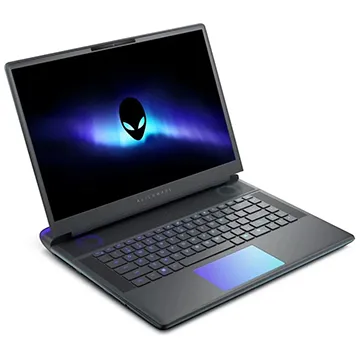
At full retail, Dell’s Area‑51 family quickly climbs into the $2,500-$3,000 range for higher GPUs and bigger SSDs; Woot’s $1,999 tag looks like a steep cut for this tier. Comparable deals in the market include a Lenovo Legion Pro 7i with a 5070 Ti that briefly hit around the same price, though Lenovo’s model sometimes edges ahead on storage (2TB) or launch discounts. That context matters: you’re getting Alienware’s brand and build for the same money others are asking for stock‑competitor models.
The real caveat: cooling and power limits
Alienware advertises an upgraded cooling design that the deck claims supports up to a 240W TDP. That’s a headline-grabbing number because mobile GPUs and CPUs scale up performance with headroom. But the evidence pool is mixed: early unboxings and third‑party teardowns of nearby Area‑51 SKUs showed realistic TGP/TDP windows closer to ~175W for some RTX 50‑series variants. In short: if Dell actually unlocks a 240W envelope on the 5070 Ti here, it would be exceptional. If it doesn’t, performance will still be solid, but not the “desktop escape” some marketing suggests.
Why this matters is simple — at 1440p and high refresh, a 5070 Ti with higher sustained power separates 60fps gameplay from comfortable 120-144fps experiences in modern titles. Digital Foundry and other hardware analysts have shown the 70‑class cards scale well at 1440p with DLSS and frame generation, so the potential is there. The question is whether this specific Area‑51 configuration can cool and feed that GPU long enough to matter.
What gamers should consider
- Buy if you want Alienware’s design, a strong 1440p high‑refresh experience and 32GB RAM out of the box — the $1,999 price is competitive.
- Hold off if you need verified thermal benchmarks or a wired Ethernet port for competitive online play — those are absent or unconfirmed here.
- Check return policies and user reviews after purchase. Early Best Buy and Newegg listings for similar Area‑51 SKUs have been positive, but real‑world thermal data matters more than spec sheets.
What to watch next
- Dell/Alienware or independent thermal benchmarks that confirm whether the 5070 Ti is running at 175W, 240W, or somewhere in between.
- Woot stock and competing retailers — similar 5070 Ti deals popped up from Lenovo and others, and prices tend to ripple quickly.
- User reviews on Best Buy/Newegg for long‑term noise, thermals, and throttling notes.
TL;DR: Woot’s $1,999 Area‑51 with an RTX 5070 Ti is one of the best value propositions I’ve seen for gamers chasing strong 1440p, high‑refresh performance plus a premium chassis. The only thing that could knock it down is if Dell’s thermal limits are more conservative than advertised — so buy if you value the hardware and price, but expect to pay attention to follow‑up benchmarks before you brag about desktop‑level sustained performance.
FinalBoss // Gear
Level up your setup
01Graphics cardson Amazon→02Gaming laptopson Amazon→03High-refresh gaming monitorson Amazon→04Discounted game keyson Kinguin→Affiliate links · As an Amazon Associate, FinalBoss earns from qualifying purchases.
Want to Level Up Your Gaming?
Get access to exclusive strategies, hidden tips, and pro-level insights that we don't share publicly.
Ultimate Gaming Strategy Guide + Weekly Pro Tips