

When Crowdfunding Fails: The ALZARA Debacle Explained
Game intel
ALZARA : Radiant Echoes
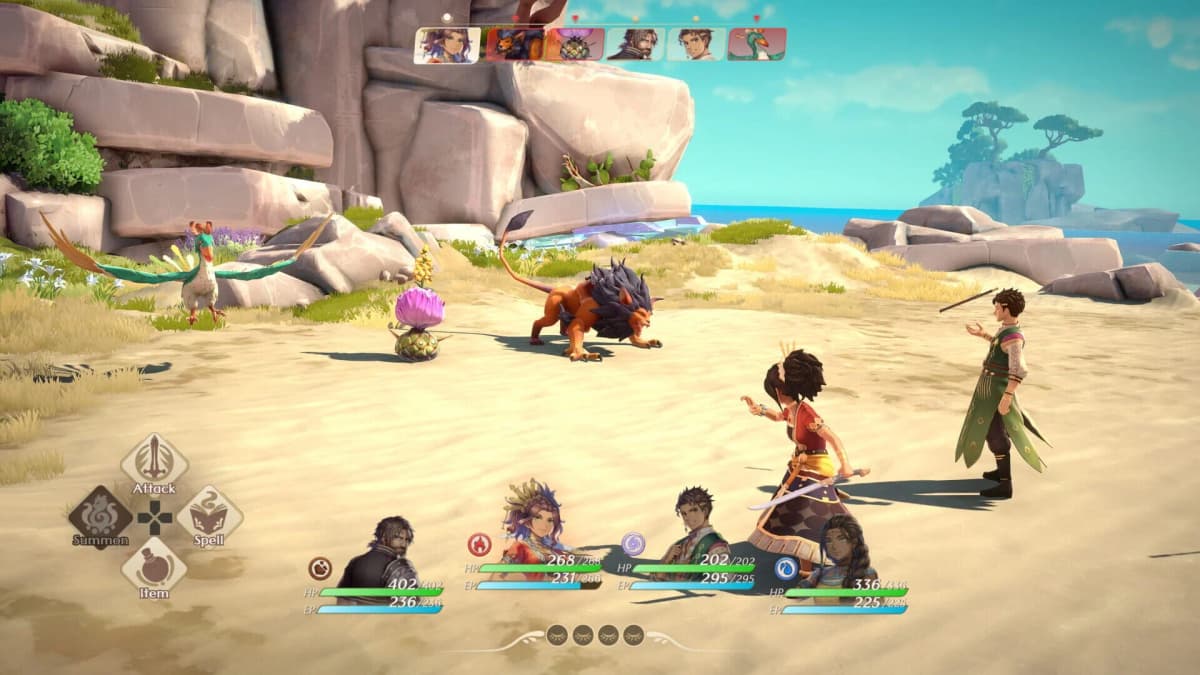
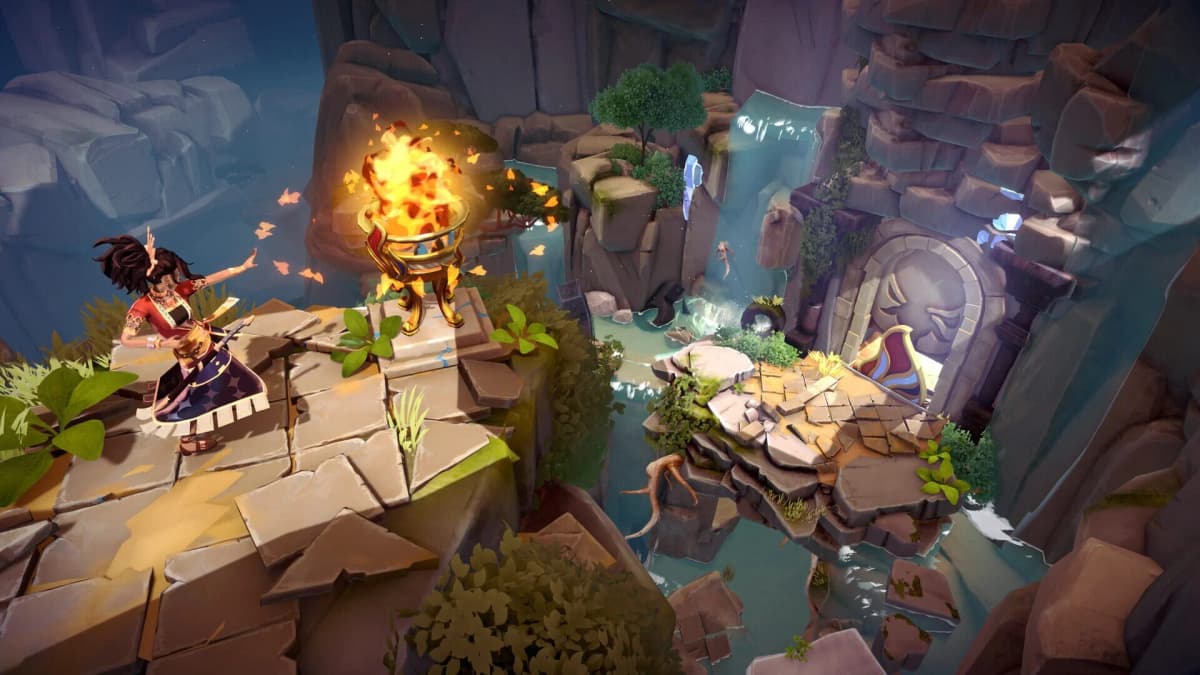
Restore peace to a world torn apart in this 3D turn-based RPG inspired by Japanese classics. Combine the elements to unleash spectacular attacks, solve magical…
Let’s be real: backing an indie JRPG feels like joining a secret society of dreamers. When France’s Studio Camélia hit almost $300,000 on Kickstarter for ALZARA: Radiant Echoes, fans of turn-based epics popped the champagne. A year later, the studio is liquidated, the game is dead in the water, and backers are owed a big, fat zero. This collapse is more than a broken promise—it’s a flashing warning light for crowdfunding’s strengths and glaring weaknesses.
How Crowdfunding Built—and Broke—ALZARA
Crowdfunding has reshaped indie game development by letting creators pitch directly to players. For Studio Camélia, the pitch promised a 3D JRPG inspired by Golden Sun and Final Fantasy X, complete with elemental magic and party-driven narrative. They set a modest $100K goal and surpassed it by 200%. Yet ambitious stretch goals can strain small teams, turning a tight demo into an all-out production challenge.
In this case, funds reportedly went toward demo updates, concept art, and attendance at expos. But without a robust contingency plan or external investors stepping in, development stalled. By the time creditors lined up, the cash reserves were gone and the company entered liquidation on April 28.
Timeline of a Kickstarter Collapse
- Campaign Launch: Early 2023, $100K goal surpassed within weeks.
- Stretch Goals Unlocked: Promises of console ports and expanded story arcs increased scope.
- Demo to Showcase: Mid-2023, a proof-of-concept build fueled excitement—but also expenses.
- Funding Gap Emerges: Late 2023, outside investment failed to materialize.
- Liquidation Declared: April 28, 2024; assets sold off, project shelved, no refunds.
Implications for the Indie Funding Landscape
This isn’t the first crowdfunded title to implode—projects like Mighty No. 9 and others have left scars—but the fallout feels sharper as studios shrink and production costs rise. Trust in Kickstarter campaigns is now a fragile commodity. Backers crave transparency: clear milestones, regular financial updates, and realistic stretch goals.
Financial experts suggest escrow accounts or milestone-based fund releases could help. Legal frameworks differ by region, and platforms often disclaim responsibility for refunds, leaving backers with limited recourse. As the industry evolves, new insurance models or third-party auditing may become essential for protecting contributors.
Want to Level Up Your Gaming?
Get access to exclusive strategies, hidden tips, and pro-level insights that we don't share publicly.
Ultimate Gaming Strategy Guide + Weekly Pro Tips
Voices from the Community
While some fans remain hopeful for a revival through new funding or acquisition, many feel burned. Community forums and social media buzz with debates over whether Kickstarter can ever balance creative freedom with accountability. Industry vets warn that without safeguards, every high-profile failure drives a nail deeper into the coffin of public trust.
Charting a Safer Course for Future Projects
What lessons can aspiring teams learn? First, scope control is crucial—plan for the worst, not the best. Second, diversify funding: mix backer support with private investment or grants. Third, communicate relentlessly: backers aren’t just customers, they’re partners in the creative journey.
For platforms, exploring developer bonds or third-party certification could raise the bar. And for backers, performing due diligence—reviewing team credentials, asking for development roadmaps, and watching for overly ambitious stretch goals—might mitigate risks.
Conclusion: Hope Amid the Rubble
The collapse of ALZARA: Radiant Echoes stings, but it also fuels a critical conversation about how indie games get made. Crowdfunding remains a powerful tool, but without stronger guardrails, every future JRPG pitch risks joining the list of cautionary tales. Passion still drives us, but it needs structure. Because in this industry, goodwill can only carry you so far—after that, you need solid planning, clear communication, and a safety net for the fans who make the dream possible.