
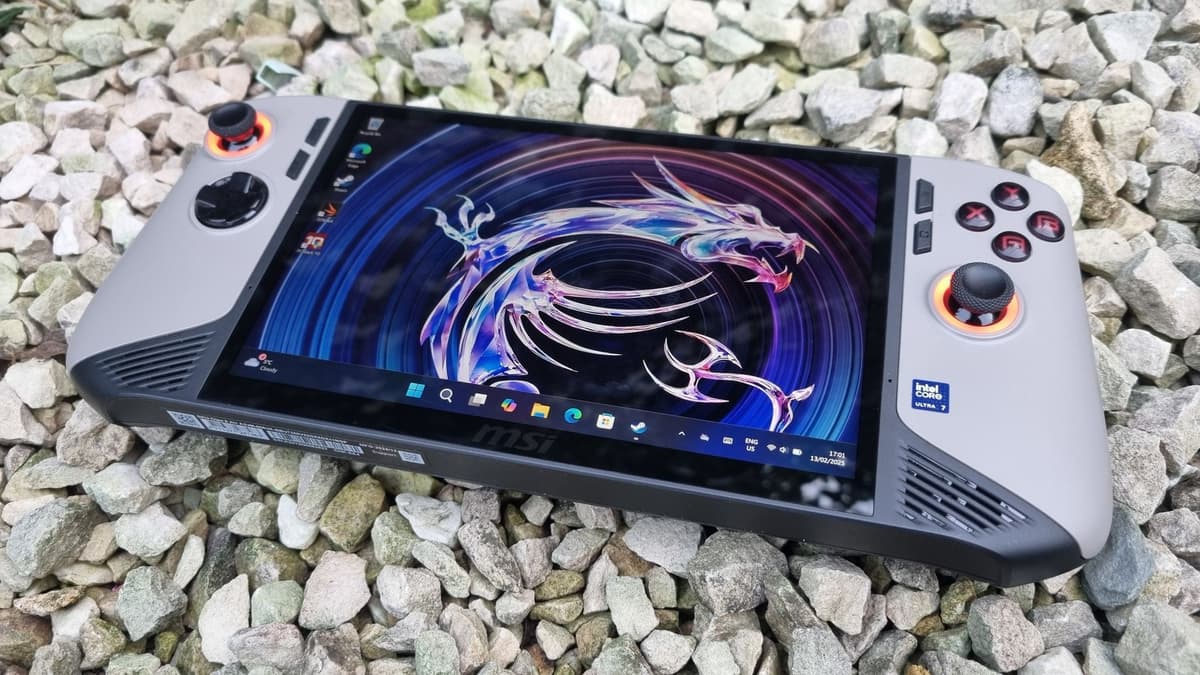
This caught my attention because the original MSI Claw (Meteor Lake) was a disappointment next to AMD-powered handhelds like the ROG Ally and Legion Go. Now the Claw 8 AI+ with Intel’s Lunar Lake-based Core Ultra 7 285V is not just competitive – in TechPowerUp’s testing, it’s topping every AMD handheld they’ve measured. The twist? The big uplift came after Intel nudged the reviewer to adjust power limits. That’s both impressive and a little eyebrow-raising.
TechPowerUp’s retest flipped the script. With the default 37W/37W limits (PL1 long-term and PL2 short-term), performance was good-but-not-special. After Intel advised setting PL2 just 1W above PL1 – the official Lunar Lake guidance — Cyberpunk 2077 jumped from 24 to 33 fps at 25W and from 29 to 35 fps at 30W. That’s a convincing 30%+ gain where it counts: a heavy, CPU/GPU-hammering title.
But the results weren’t uniform. Hogwarts Legacy saw around 2.6% at 25W and a regression at 30W. Translation: the uplift is partly about how the game responds to boost behavior and Intel’s iGPU driver, not some universal “Intel > AMD” law. Still, the fact a minor power policy tweak unlocks this much headroom says Lunar Lake’s boost logic and Xe2 iGPU can absolutely swing when given the right runway.
For the last two years, AMD’s Phoenix-based chips (Ryzen 7 7840U/8840U and Ryzen Z1 Extreme) have been the safe bet in handhelds. Most “best handheld” lists are basically an AMD roll call. Intel’s handheld story has been driver headaches and underwhelming iGPU throughput, and the first Claw did little to change that. Seeing an Intel-powered handheld take top marks, even with caveats, is a genuine shift.
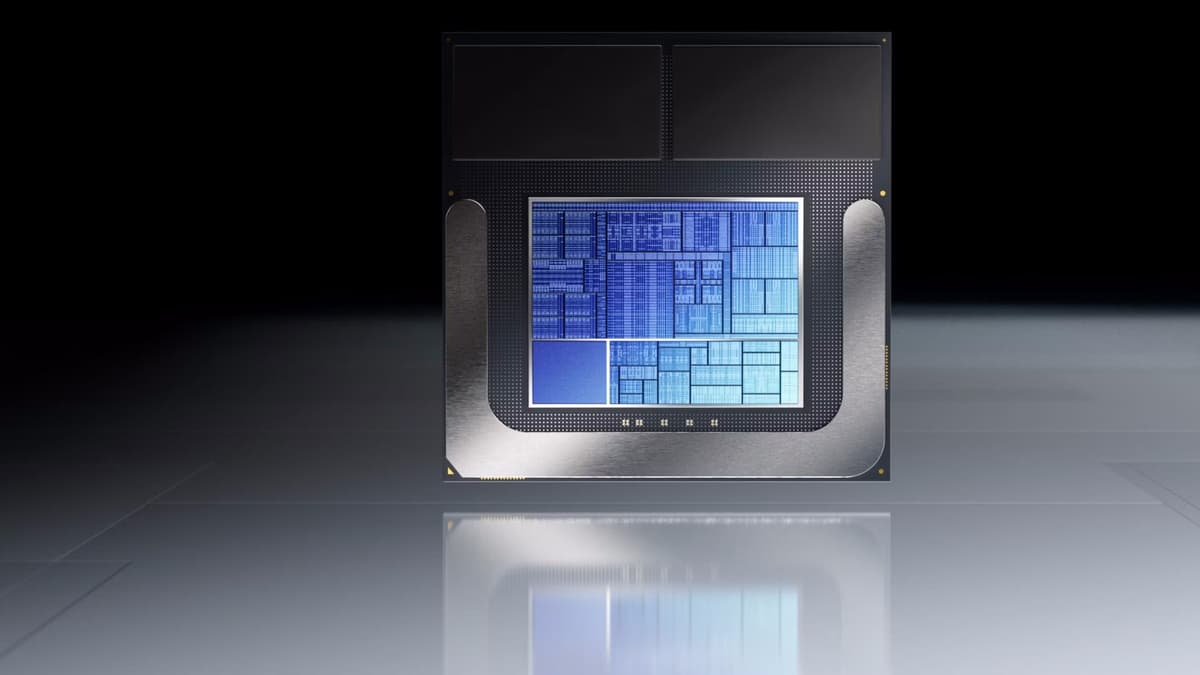
Architecturally, Lunar Lake’s on-package memory and revamped Xe2 graphics (with XeSS upscaling) are built for efficiency at low-to-mid power. That’s exactly where handhelds live. If Intel sustains strong 25W performance and cleans up 15-20W behavior, we’re looking at a true two-horse race. Competition is good for us: better prices, better drivers, and fewer half-baked launches.
Here’s where I put the brakes on the victory lap. The most eye-popping gains showed up at 25–30W. That’s fine with a charger, but your wrists and battery won’t thank you for running Cyberpunk at 30W on the train. We need broad, apples-to-apples checks at 15–20W in modern titles with upscalers on — the typical handheld sweet spot for 800p/900p, aiming for a stable 30–45 fps.
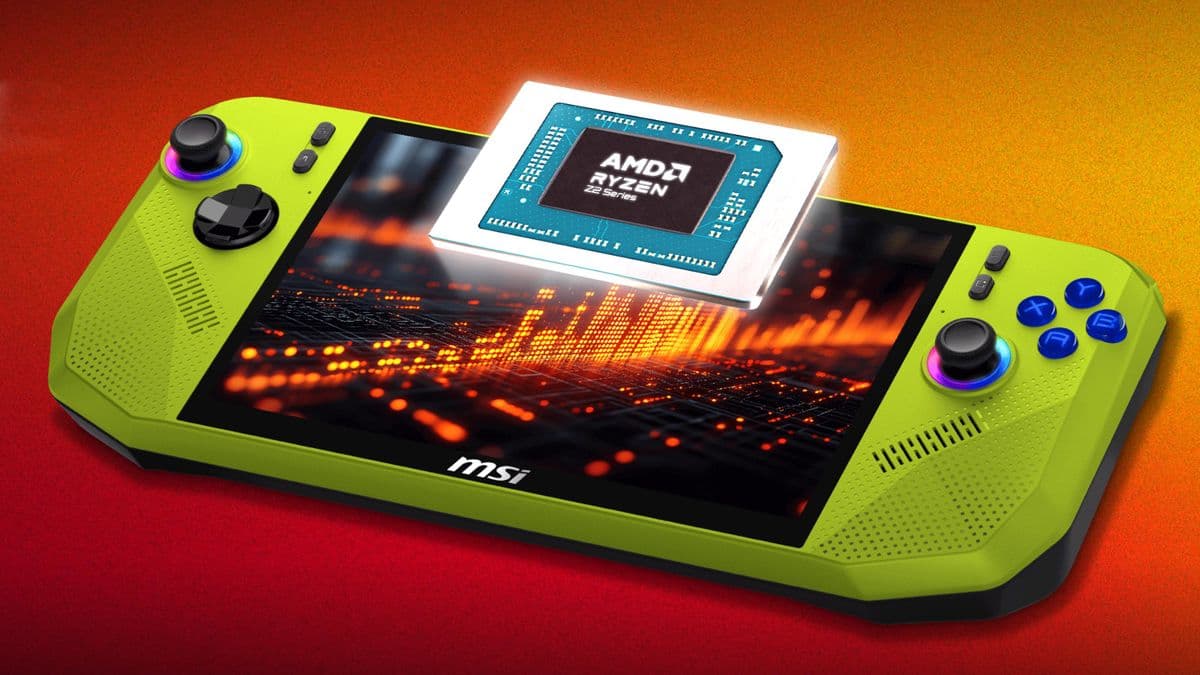
Second, Intel being in the room to guide settings isn’t a scandal — vendors do this — but it does mean we should see independent results across multiple units and firmware. MSI says a software update will enforce the PL2 = PL1 + 1W policy. Good. Now let’s see how that plays across a game stack beyond Cyberpunk and Hogwarts: think Elden Ring, Baldur’s Gate 3, Monster Hunter, and a few UE4/UE5 problem children. Handhelds are as much about driver resilience as raw horsepower.
Third, thermals and noise. A sustained 25–30W profile on an 8-inch chassis can get loud and toasty. If the Claw can keep those 30% wins without sounding like a desk fan or cooking your palms, then we’re in business. If not, those numbers become “review lab wins,” not “commute-friendly wins.”
AMD’s handheld edge didn’t come from nowhere. The Z1 Extreme and its 7840U/8840U cousins pair solid RDNA iGPUs with mature drivers and wide vendor adoption. And there’s another wave coming: next-gen AMD APUs rolling out to laptops this year will inevitably trickle to handhelds. If Intel just lit a fire under this segment, we all win — but the lead could ping-pong as firmware and drivers evolve.
On this specific device, with the right power config, TechPowerUp’s data says yes — the MSI Claw 8 AI+ is the fastest handheld they’ve tested, beating AMD-based rivals. That’s a big deal, especially after Intel’s rocky handheld start. But it’s not a knockout. The uplift is workload-dependent, measured mostly at wall-plug power levels, and hinges on firmware following Intel’s spec. It’s a statement win — not the end of the conversation.
MSI’s Claw 8 AI+ with Intel’s Core Ultra 7 285V just posted legit chart-topping handheld results after a simple PL2>PL1 tweak — up to 32% in Cyberpunk 2077. It’s the most convincing sign yet that Intel’s Lunar Lake can hang with, and sometimes beat, AMD’s handheld mainstays. Now we need proof at 15–20W, across more games, and with sane thermals before crowning a new king.
Get access to exclusive strategies, hidden tips, and pro-level insights that we don't share publicly.
Ultimate Gaming Strategy Guide + Weekly Pro Tips