
AMD just did something I’ve wanted for a while: it took the “wait for a game patch” bottleneck out of FSR 4. With Adrenalin 25.9.1, Radeon owners on the RX 9000 series can flip a driver toggle and enable FSR 4 in most titles that already support FSR 3.1. No developer update. No whitelist limbo. Just on, off, play.
Key Takeaways
- Driver-level FSR 4 toggle works in most DirectX 12 titles that already have FSR 3.1 with a signed DLL.
- Vulkan titles and “non-standard” FSR 3.1 integrations (third-party plug-ins, unsigned DLLs) are excluded.
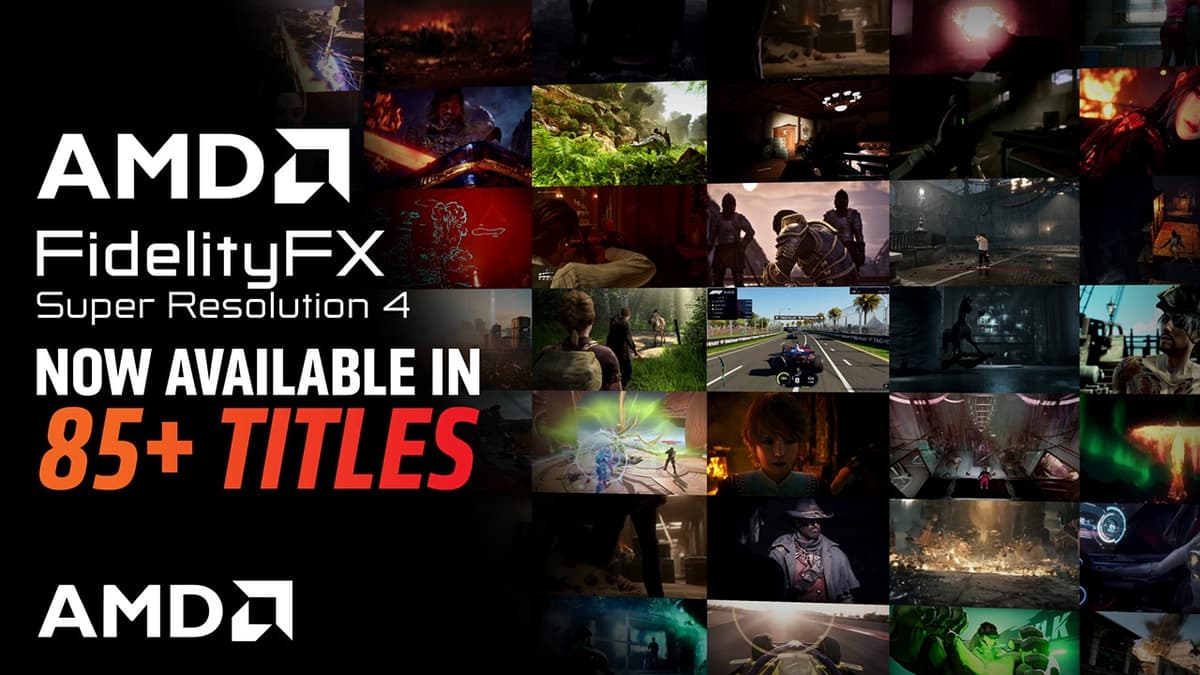
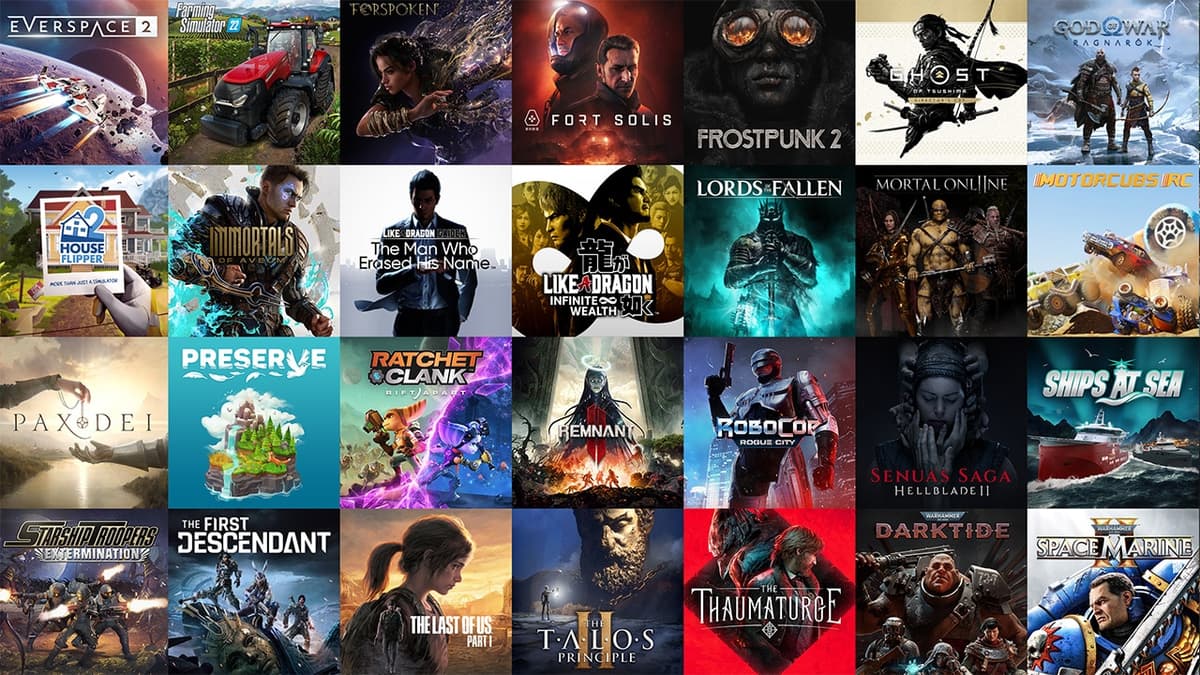
- Roughly 85 games are compatible right now; Nvidia still leads with ~175 DLSS 4 titles.
- Image quality jump is meaningful on RX 9000 hardware, but AMD’s frame generation still lags behind.
Table of Contents (8)
Breaking Down the Announcement
This caught my attention because it finally mirrors the convenience Nvidia users have enjoyed with DLSS overrides: a driver switch that makes the better upscaler show up today, not “whenever the developer gets around to it.” AMD had spent months saying FSR 4 could be a drop-in for FSR 3.1, but until now, you couldn’t actually drop it in yourself. With Adrenalin 25.9.1, you can.
Here’s the gist. If a game already supports FSR 3.1 in DX12 using AMD’s signed DLL, you can toggle FSR 4 in the Adrenalin control panel, then enable FSR 3.1 in the game menu as usual. The driver effectively swaps in the ML-based FSR 4 upscaler. It won’t work for Vulkan titles, and it won’t work for games that integrated FSR 3.1 with third-party plug-ins or custom, unsigned methods.
How to Try It (Quick Steps)
- Update to AMD Adrenalin 25.9.1 on a Radeon RX 9000-series GPU.
- In-game, set the upscaler to FSR 3.1 (DX12 path only).
- In Adrenalin, toggle FSR 4 for that title.
- Pick your usual FSR quality mode and test for stability and artifacts.
What Changes for Image Quality
FSR 4 is the first time AMD’s upscaling is fully leaning on ML cores in RDNA 4, and you can see it. In our experience with RX 9000 hardware, it delivers cleaner edges and a sharper overall presentation than older FSR versions, with less fizz around motion. On a 4K panel, the clarity bump in “Quality” mode is obvious without the over-sharpened halo that early FSR builds sometimes produced.
This isn’t magic. If a game’s TAA pass is mushy, FSR 4 won’t resurrect detail that wasn’t there to begin with, and fast-moving foliage or subpixel detail can still shimmer. But versus FSR 3.x, the stability looks better, and ghosting and sparkling along high-contrast edges are dialed back. For anyone who bounced off FSR in the past, this is the first AMD upscaler that consistently looks “next-gen” rather than “good enough.”
The Competitive Landscape: Still Playing Catch-Up
Let’s keep it real: Nvidia still has the bigger library. AMD says about 85 games can take this driver-level FSR 4 swap today, while Nvidia’s latest DLSS (4 with multi-frame generation) sits north of 175 games. That matters if you rotate through a lot of new releases-there’s simply a higher chance the green team’s feature set shows up on day one.
Hardware history plays a role here. Nvidia has had robust AI silicon for upscaling for years. AMD is only now flexing dedicated ML on RDNA 4, after RDNA 3’s limited AI blocks and RDNA 1/2’s lack thereof. The good news is that this driver toggle erases one of AMD’s biggest adoption pain points: developer speed. You no longer have to wait for a patch to get the better upscaler in many FSR 3.1 titles.
The elephant in the room is frame generation. AMD’s current FSR frame gen isn’t ML-based and has been inconsistent in real games-frame pacing can get jittery, and we’ve seen uneven results in big releases like Doom The Dark Ages and Indiana Jones and the Great Circle. Nvidia’s newest approach ties its frame gen tightly to its ML stack, and the smoothness edge is real. AMD’s “Redstone” initiative sounds like the big pivot toward ML-driven frame gen; if it lands, this race gets interesting fast.
What Gamers Need to Know Right Now
- This is a win for RX 9000 owners first and foremost. The ML upscaler depends on RDNA 4’s AI cores-older Radeon cards don’t get the same upgrade.
- Don’t expect it to work everywhere. If your favorite game uses Vulkan or a modded FSR 3.1 integration, the toggle won’t kick in.
- Quality mode is still the sweet spot. Balanced/Performance save more frames, but at 1440p and up you’ll feel the clarity loss.
- Test for stutter and latency. Upscaling looks better with FSR 4, but frame pacing and input response are a separate battle—especially if you pair it with AMD’s current frame gen.
This move matters because it puts control back in players’ hands. No pleading with devs on forums. No chasing unofficial DLL swaps. If a game already shipped with FSR 3.1 in a standard way, you can try the better version today and decide for yourself if the image upgrade is worth it on your setup.
Looking Ahead
Driver-level FSR 4 is AMD’s smartest quality-of-life play in ages. It narrows the gap in the one place where players actually feel it—moment-to-moment clarity—while AMD works on the harder problem: ML frame generation that doesn’t wobble under pressure. If Redstone brings stable frame pacing and tight latency, AMD could finally match Nvidia on experience, not just checkboxes.
TL;DR
Adrenalin 25.9.1 lets RX 9000 owners force FSR 4 in most DX12 games that already support FSR 3.1, delivering a noticeable image quality bump without waiting for patches. It won’t fix shaky frame gen or work in Vulkan/nonstandard integrations, but it’s a real, tangible win for Radeon players today.
FinalBoss // Gear
Level up your setup
01Top-rated gaming headsetson Amazon→02High-refresh gaming monitorson Amazon→03Gaming chairson Amazon→04Discounted game keyson Kinguin→Affiliate links · As an Amazon Associate, FinalBoss earns from qualifying purchases.
Want to Level Up Your Gaming?
Get access to exclusive strategies, hidden tips, and pro-level insights that we don't share publicly.
Ultimate Gaming Strategy Guide + Weekly Pro Tips