
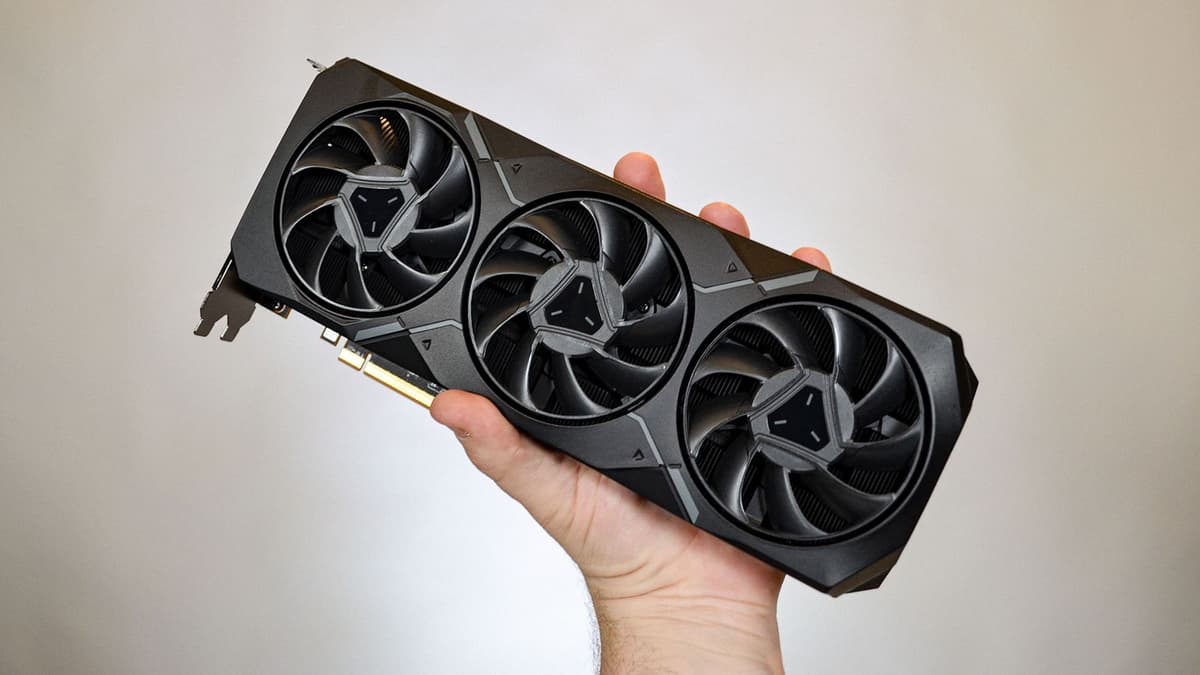
If you’ve been waiting for a genuine threat to Nvidia’s next-generation 4K gaming throne, AMD’s rumored Radeon RX 10900 XT might be the unicorn you’ve dreamed of. After sitting out the ultra-high-end segment in RDNA 3, whispers of a 154-compute-unit behemoth have set the rumor mill ablaze. But as any savvy gamer knows, raw teraflops and memory bandwidth are only part of the equation. Let’s break down what the leaks say—and why driver polish, software features, and market strategy will be just as crucial as the silicon itself.
Here’s the current leak-driven spec sheet for the Radeon RX 10900 XT, and why each figure matters in the 4K and beyond battle:
Moving from a 5 nm node (RDNA 3) to 3 nm (RDNA 5) isn’t just about squeezing more transistors into the same die. The real gains show up in three key areas:
Practically, that could mean board power near 380 W while sustaining clocks above 2.5 GHz—versus RDNA 3’s mid-2 GHz peak on Navi 31. Those headroom gains directly feed into higher frame rates and improved efficiency.
Each RDNA compute unit bundles shader arrays, texture units, and dedicated ray-tracing hardware. At 154 CUs, the RX 10900 XT would boast roughly 9,856 stream processors—almost double the 5,120 in today’s top RDNA 3 SKU. But raw counts only tell part of the story. How AMD refines wavefront scheduling, crossbar bandwidth, and CU utilization will determine real-world throughput.
High-end 4K—and the emerging 8K landscape—thrives on massive frame buffers. With 36 GB of GDDR7 clocked at 36 Gbps on a 384-bit bus, AMD claims up to 1.7 TB/s of bandwidth. A hefty 40 MB L2 cache sits between the shaders and memory, targeting scenarios where VRAM choke points usually throttle performance—think ultra-resolution texture mods and professional visualization workloads.
AMD’s hardware strides need to be matched by software finesse. Nvidia’s DLSS 2.x already outpaces FSR in many tests, and DLSS 3’s frame generation widens that lead further. Here’s AMD’s to-do list:
Developer support ties closely to perception. If studios and pro-scene partners can tout “Best experience on Radeon,” that narrative could sway even the most hardcore Nvidia loyalists.
Without official benchmarks, we extrapolate from current-gen numbers. If RDNA 5 delivers a 50–60% IPC uplift plus a 20–30% clock boost over RDNA 3, the RX 10900 XT could match or outpace the projected RTX 6090 in raster workloads.
Based on RTX 4090 figures, rough estimates for RX 10900 XT at 4K:
Remember: driver maturity, game-specific optimizations, and final silicon yields will shape actual results.
A 380 W flagship needs serious cooling. Expect partner models with triple-fan arrays, vapor chambers, and reinforced PCBs featuring either 16-pin connectors or dual 8-pin EPS. Key design elements:
AMD’s rumored $2,000–$2,500 price tag positions the RX 10900 XT as a “value flagship.” Radeon VII undercut Nvidia’s then-flagship but fell short on drivers. Vega 64 and 56 found niches yet couldn’t dethrone Titan or 1080 Ti.
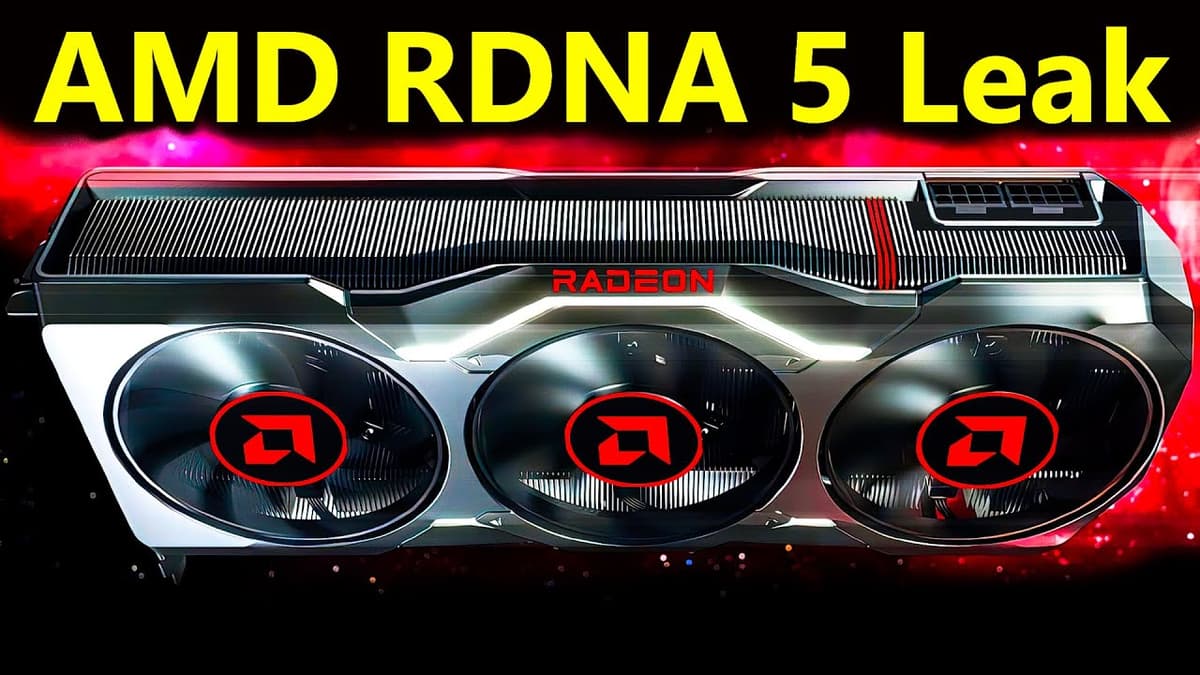
If AMD hits its price-performance sweet spot with stable drivers, Nvidia may face its first serious high-end pricing pressure in years. Possible outcomes:
Gamers win with more choice; margins tighten for both vendors.
TSMC’s 3 nm ramp is critical. Early yields may favor smaller chiplets, potentially delaying large-die production. Watch for:
AMD’s rumored RX 10900 XT is shaping up to be a headline-grabbing proposition: 154 compute units, 36 GB GDDR7, 1.7 TB/s bandwidth, all on a cutting-edge 3 nm node. But raw silicon prowess won’t guarantee victory over Nvidia’s next-gen RTX 6090. Polished drivers, robust ray tracing, and a compelling AI upscaling toolkit are equally vital.
Enthusiasts should brace for a measured reveal: hype followed by an ecosystem blitz—beta drivers, optimized game patches, and independent benchmarks. Only after day-one stability and real-world testing will we know whether AMD has crafted a true 4K powerhouse or simply a spec-sheet champion.
Leaked RX 10900 XT specs boast 154 CUs, 36 GB GDDR7, 1.7 TB/s bandwidth on 3 nm silicon. But beating Nvidia’s next-gen king hinges on drivers, ray tracing, and AI upscaling quality.
Get access to exclusive strategies, hidden tips, and pro-level insights that we don't share publicly.
Ultimate Gaming Strategy Guide + Weekly Pro Tips