
An astronaut just shaped The Expanse: Osiris Reborn
Game intel
The Expanse: Osiris Reborn
The Expanse: Osiris Reborn is a third-person Action RPG set in The Expanse universe. You’re no hero — just a merc caught in the wrong place at the wrong time,…
Why this dev diary actually matters to players
Owlcat Games dropped a new dev diary for The Expanse: Osiris Reborn at the Golden Joystick Awards, and it did something most space games don’t: it brought in a former NASA astronaut-Leroy Chiao, an ISS commander-to stress-test the “feel” of life in orbit. That caught my attention because authenticity in space isn’t just a vibe; it directly shapes movement, combat feedback, and even what your crew eats. If you’ve ever rolled your eyes at full THX explosions in vacuum, this one’s for you.
Key Takeaways
- Real astronaut input is guiding both the daily-life details and the moment-to-moment combat feel.
- Owlcat’s opting for magnetic boots over realistic EVA tethers to keep traversal playable.
- Sound in space is appropriately muffled, with feedback coming from vibrations, breathing, and radios.
- The big question: are these touches systemic and player-facing, or mostly flavor? That will decide if it sings.
Breaking down the announcement
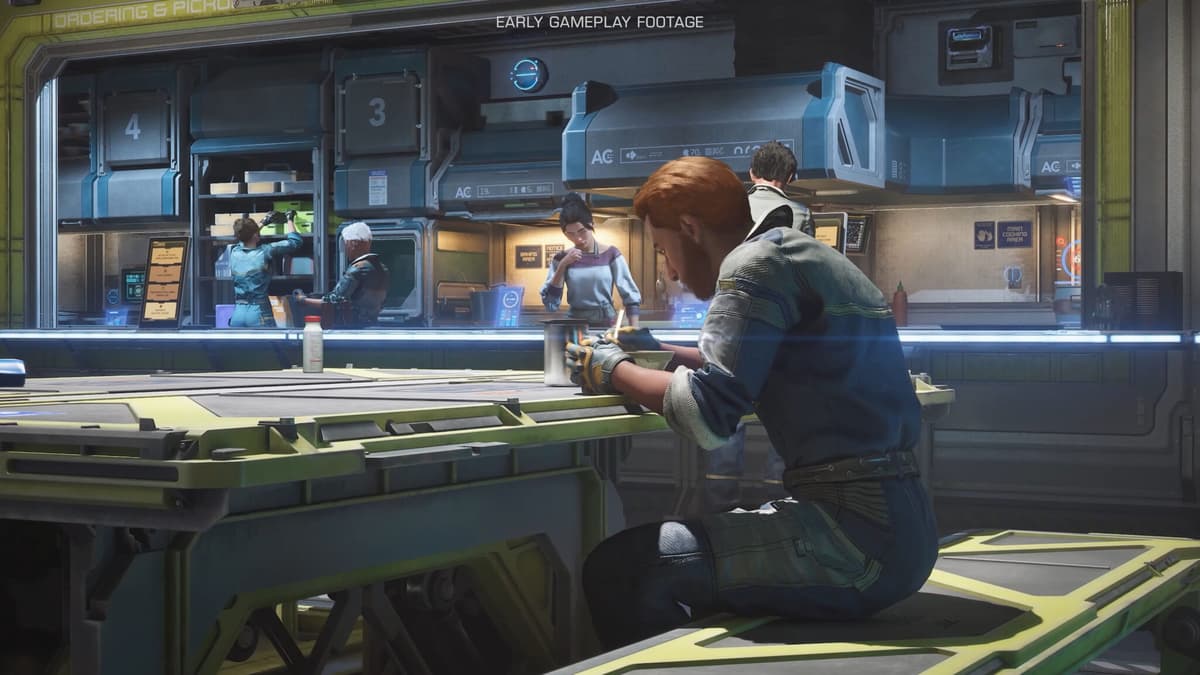
The Expanse has always sold itself on “hard” sci-fi, and Owlcat seems to get that it’s more than slapping a Newton’s Cradle on a loading screen. Chiao’s input shows up in specific choices: characters crave spicy food because long stints in microgravity dull taste-so heat cuts through. That’s not just trivia; it’s a window into how people actually live off-world. If those details surface in dialogue, crew requests, or even minor buffs and debuffs, it’ll do more to sell the setting than a hundred lore logs.
On the mobility side, the team axed truly realistic EVA tethers in favor of magnetic boots. As someone who’s played both the floaty elegance of Hardspace: Shipbreaker and the “nope, we’re video games” approach of Dead Space’s mag-walk, this compromise tracks. Tethers make sense for astronauts, but in a game they’re fiddly, slow, and can turn tense sequences into cable management. Mag boots give designers clean control over level flow and let players switch between “anchored” and “drifting” states without wrestling a yo-yo.
The combat notes are where this gets interesting. In zero-G, recoil and muzzle blast impart momentum—spray-and-pray can literally spin you. Owlcat says they’re modeling differences in firearm behavior, while keeping audio mostly muted to respect vacuum. To avoid lifeless pew-pew, they’re leaning on tactile and diegetic feedback: controller vibrations, the rasp of your own breathing, and radio chatter. If they tie that to adaptive triggers on PS5 and nuanced rumble on Xbox/PC, gunfights could feel tense and disorienting in a way that fits The Expanse’s tone without becoming a slog.
Why this matters now
There’s been a post-Starfield appetite for space games that feel grounded, not just grand. We’ve seen slices of authenticity from Deliver Us Mars and Adrift, and systemic excellence from Hardspace, but big-budget titles often default to cinematic bombast. The Expanse IP practically demands a different ethos—threat vectors are inertia, oxygen, and human error—so Owlcat emphasizing realism is the right read of the room.
It’s also an intriguing move for Owlcat themselves. They’re best known for crunchy, narrative-heavy RPGs like Pathfinder: Kingmaker, Wrath of the Righteous, and Warhammer 40,000: Rogue Trader. Those games are ambitious, sometimes messy at launch, and usually supported hard post-release. Translating that systems-first mindset to a zero-G setting could be a superpower—if they make these realism touches interactive. If it’s just window dressing, The Expanse loses what makes it The Expanse.
Want to Level Up Your Gaming?
Get access to exclusive strategies, hidden tips, and pro-level insights that we don't share publicly.
Ultimate Gaming Strategy Guide + Weekly Pro Tips
The gamer’s perspective: hype vs. reality
Here’s what I’m watching for. Do spicy-food cravings and life-support quirks meaningfully affect your crew’s performance, morale, or dialogue, or are they just cute lines at dinner? Do mag boots slot into a clear movement model—tap to anchor, hold to push off, risk losing orientation under recoil—or are they “always on” and mostly cosmetic? When a firefight breaks out, does Newtonian drift force you to brace, pick single shots, and use cover differently, or does the game quietly fudge it so it feels like ground combat with a filter?
I’m also curious about options. Muffled audio is thematically right, but audio fatigue is real—some players will want stronger cues. A slider for “realism vs. readability,” robust haptics on controllers, and visual UI indicators (impacts, directionality, suit strain) would make this approach sing across platforms. If Owlcat nails that, Osiris Reborn could set a high bar for immersion without gatekeeping fun behind simhead tolerance.
And yes, comparison shopping is inevitable. Telltale’s The Expanse leaned into narrative choice with light traversal; Owlcat tends to build interlocking systems you can poke and break. If Osiris Reborn fuses that systemic depth with Chiao’s grounded insights, we might finally get a big-budget space adventure where “hard sci-fi” isn’t just a tagline—it’s the gameplay loop.
Looking ahead
The Expanse: Osiris Reborn is coming to PC (Steam, Epic Games Store, GOG), PlayStation 5, and Xbox Series X|S. No date yet, so consider this an early peek at priorities rather than a feature lock. The dev diary’s message is clear, though: authenticity will lead, but not at the cost of playability. That’s the right promise. Now Owlcat needs to show these ideas running in the wild—extended gameplay with zero-G firefights, traversal puzzles that make mag boots matter, and quiet moments where the small human details (yes, even hot sauce) make the cold vacuum feel lived-in.
TL;DR
Owlcat brought in former NASA astronaut Leroy Chiao to keep The Expanse: Osiris Reborn honest about life in space, then bent the rules where games need it—mag boots over tethers, muffled sound with tactile cues, and recoil that respects zero-G. If these touches are truly systemic, not just flavor, this could be the rare space game where hard sci-fi actually changes how you play.