
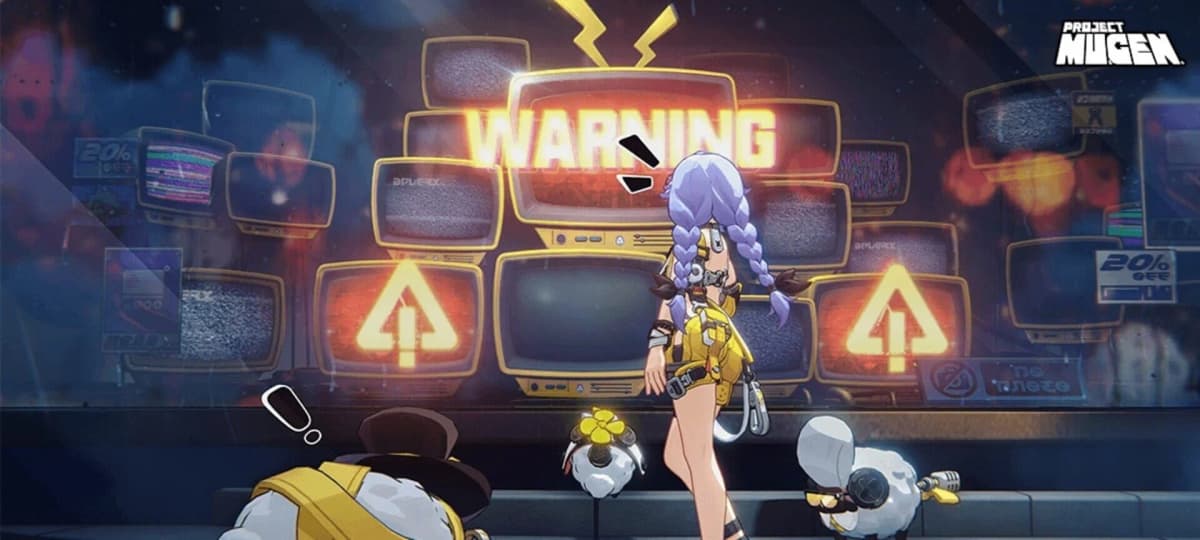
Ananta mashes up GTA, Spider-Man and Genshin — but can a free-to-play city sandbox really deliver?
Game intel
Ananta
Take on the role of an elite Agent within the A.C.D. (Anti-Chaos Directorate) embarking on an exhilarating adventure through a world that breaks all the rules.…
An anime GTA with Spider-Man swings and Arkham brawls? Ananta shoots its shot
This caught my attention because it’s a unicorn pitch: a free-to-play, anime-styled urban open world that wants the systemic chaos of GTA, the traversal freedom of Spider-Man, and the character-driven flair of Genshin-without the gacha strings. Ananta (formerly Project Mugen) from Naked Rain and NetEase just dropped a lengthy gameplay trailer, and it’s the kind of all-you-can-eat feature buffet that makes you both excited and suspicious in equal measure.
Key takeaways
- F2P urban open world by Naked Rain/NetEase (ex-Project Mugen) coming to PC, PS5, iOS, and Android; no release date yet.
- Feature mix shown: driving and heists à la GTA, on-the-fly character swapping, Spider-Man-like swinging/parkour, Arkham-style combos, Watch Dogs-inspired hacking.
- Developers say no gacha: characters unlock by playing through the story; monetization focused on cosmetic skins.
- Big question marks: depth of systems versus breadth of features, mobile-first constraints, and how “cosmetics-only” holds up post-launch.
Breaking down the announcement
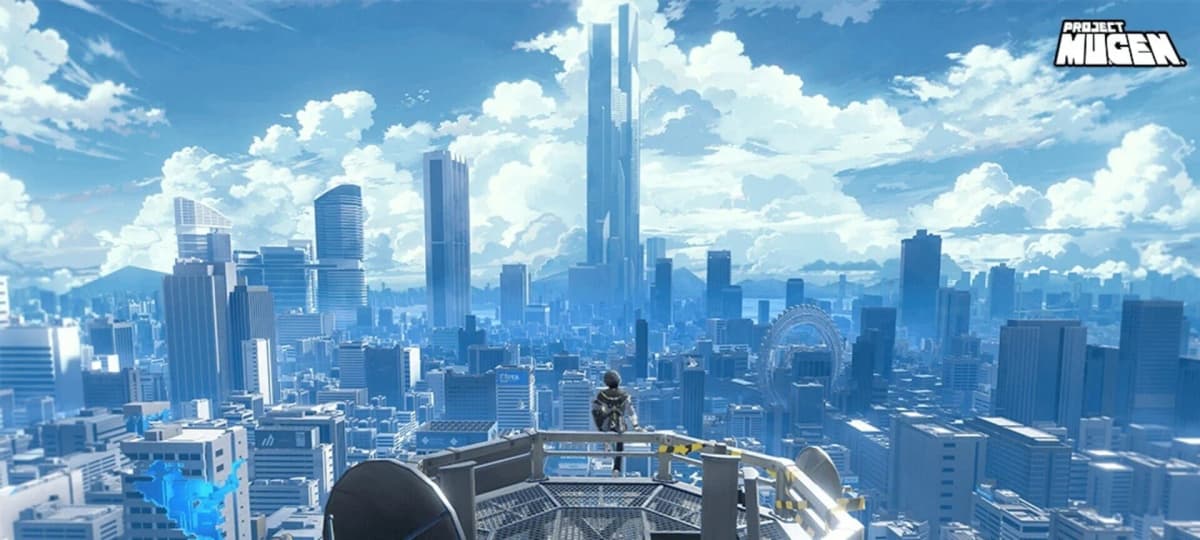
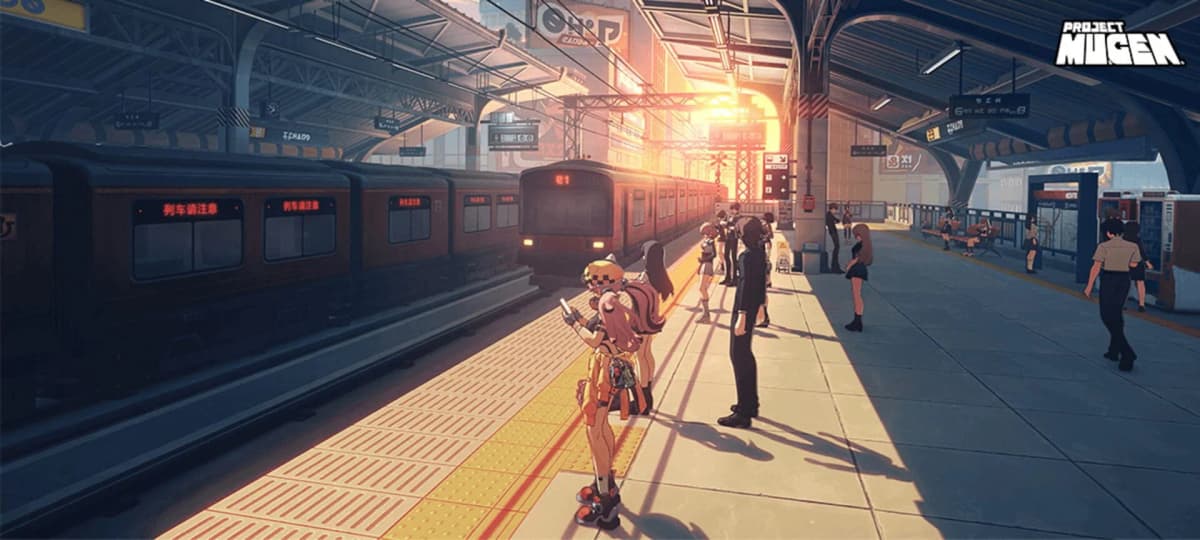
The trailer paints a neon-soaked, vertical city that looks like someone fused Night City with Shibuya and then dialed the saturation to eleven. You’re swinging between skyscrapers on energy lines, wall-running to keep momentum, then dropping into melee strings that read like a slick Arkham-lite-snap strikes, launcher into aerials, flashy finishers. Minutes later, you’re in a car, wheelspinning through intersections as cops swarm, flipping to a weapon wheel and cracking off shots. There’s a quick-cut of heist prep, some stealthy camera juggling in security rooms, and a Watch Dogs-style hack to escape a choke point. Oh, and character swapping mid-fight, GTA V-style, to chain abilities.
It’s a maximalist pitch, and I get why. “Everything you love, all at once” is potent marketing. But features don’t matter unless the fundamentals land: traversal needs Insomniac-level crispness to feel liberating, driving needs weight and readable physics, and the city needs to be more than a checklist playground. The trailer sells vibe and possibility; the game will live or die on handling and mission design.
Industry context: NetEase’s big swing at console-scale F2P
NetEase has been steadily pushing into global “AAA” territory with live-service plays like Naraka: Bladepoint and the upcoming Marvel Rivals. Ananta is the flashiest of the bunch: a cross-platform urban sandbox that tries to vault beyond the usual open-field anime formula we’ve seen in Genshin, Tower of Fantasy, and Wuthering Waves. The headline promise here is pointed: no gacha. According to Japanese press coverage, characters are earned by progressing through the story, with monetization centered on optional cosmetics.
That’s a smart read of the room. Gacha fatigue is real, regulators are circling, and players are increasingly wary of “limited banner FOMO.” If Ananta actually delivers a cosmetics-only economy, it could carve out a massive niche. The catch: balancing a free city sandbox across PC, PS5, and mobile almost always means compromises. Genshin made it work by keeping systemic simulation relatively light. GTA-style emergent chaos-police AI escalations, traffic simulation, reactive NPCs—is expensive both computationally and in design bandwidth. If Ananta aims for breadth, expect some systems to be more spectacle than simulation.
What gamers should watch for
Traversal feel: Swinging and parkour will make or break daily play. If momentum stalls on corners or the grapple logic is floaty, the trailer magic evaporates. Watch for clean lines, instant re-targeting, and low input latency on controller and touch.
Driving and combat depth: Are cars just mission taxis or is there real handling nuance? Do fights evolve beyond light/heavy/air juggle into enemy types that demand ability rotations and positioning? If character swapping is a core hook, the encounter design needs to reward it—think synergy effects, not just tag-in damage.
Systems coherence: Heists, stealth, and hacking are easy sizzle but notoriously hard to integrate. Do stealth routes matter or is it “wait in a vent, press hack, move on”? Can you meaningfully plan a job, or is it scripted set-pieces? A good litmus test: mission failure states and recovery options. GTA and Yakuza excel here; checkbox sandboxes don’t.
Monetization reality: “Cosmetics-only” is great, but look for the fine print—battle passes, timed shop rotations, grind accelerators, or energy gates. NetEase’s recent games lean on passes and cosmetic FOMO rather than raw pay-to-win, which is preferable, but live services evolve. If characters are story-unlocked, are they time-gated or seasonal?
Online requirements and co-op: The trailer screams “play with friends,” but we don’t have clear details on co-op, instancing, or always-online. If the core loop leans on live events, expect a permanent connection, which is fine on PS5/PC but annoying on mobile.
Why this could matter
If Ananta sticks the landing, it could be the first mainstream, non-gacha, anime city sandbox that actually feels great to play. That would be a big deal—not just for players tired of banner anxiety, but for an industry that keeps chasing “live-service forever games” without rethinking monetization. The bar is sky-high, though. We’ve seen dazzling trailers before, including Ananta’s own debut as Project Mugen, followed by long quiet stretches. I’m rooting for it, but I’m waiting for hands-on proof: a demo, a beta, or at least extended, uncut gameplay with UI and fail states visible.
Looking ahead
No release date yet. Platforms are set—PC, PlayStation 5, iOS, Android—and that cross-platform ambition is both Ananta’s edge and its risk. If Naked Rain can deliver responsive traversal, coherent missions, and honest cosmetics-only monetization, they might have something special. Until we see raw gameplay and hear how progression actually works over weeks, keep your hype in check and your curiosity on standby.
TL;DR
Ananta wants to be GTA chaos with Spider-Man freedom and Genshin flair, minus gacha. The trailer is hot; the questions are hotter: feel, depth, and monetization reality. If it delivers, it could reset expectations for anime-styled open worlds; if not, it’s another sizzle reel with great vibes.