
The Dirt Path Moment That Rewired My Animal Crossing Obsession
Game intel
Animal Crossing: Wild World
Players move into a living, breathing world inside the Nintendo DS...and then invite their friends to visit from anywhere on earth. In Animal Crossing: Wild Wo…
The Night a Dirt Path Broke My Brain
I can remember the exact moment Animal Crossing stopped being just a cozy life sim and turned into something else entirely. It wasn’t during the GameCube original, even though I sunk an embarrassing number of hours into that thing. It wasn’t when I first caught a coelacanth at 3 AM, either. It was on a backlit Nintendo DS screen in 2005, staring at what should have been a throwaway custom design… that someone had used as a dirt path.
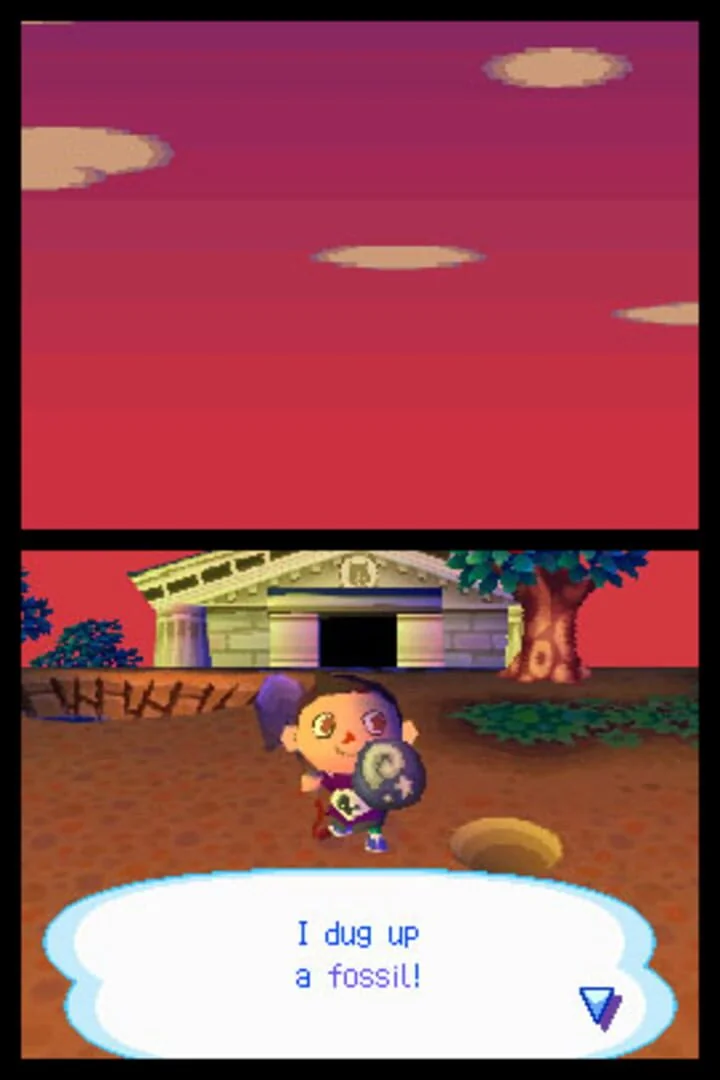
A friend had brought their DS to school and was showing off their Wild World town. At first it looked like the usual stuff: trees, villagers, the museum, that familiar grid-based layout. But then I noticed it—a line of slightly uneven, brownish tiles snaking from their house to Nook’s. “You can make roads?” I asked, already frantically thinking about what my own town could look like.
They shrugged. “Not really. I just put my shirt design on the ground a bunch of times.”
That’s it. That’s the fulcrum moment. Nintendo didn’t add a “road tool.” They didn’t slap in a big “City Builder” label. They just let custom designs go on the ground outdoors—and players did the rest. From that tiny loophole, Animal Crossing quietly pivoted from “I live in this town” to “I design this town,” and we’ve never gone back.
Twenty years later, as Wild World hits its anniversary, I’m still wrestling with how I feel about that. I love what it enabled… and I also think it’s the moment Animal Crossing lost a chunk of its soul.
Before Wild World, Your Town Was Yours… But Only Up to a Point
If you never touched the Nintendo 64 original (released April 2001 in Japan) or the GameCube port (late 2001 in Japan, 2002 in North America), it’s hard to explain how static those towns were by modern standards.
Sure, GameCube Animal Crossing felt magical: a real-time clock, weird little events, cryptic villagers who sometimes bordered on rude. You could rearrange your house, plant trees, spam flowers, slap patterns on clothes or signboards. That blew my early-2000s brain.
But the town itself? A fixed stage set. Cliffs, rivers, ramps—all locked. House plots predetermined. Each town felt unique only because “this river bends left” or “that one has Tangy.” You were a tenant, not a city planner.
Looking back, that limitation was part of the charm. The town felt like a mysterious place you were learning to live in, not a blank slate to mold into your personal brand. If a house blocked your favorite route, tough. Work around it. That’s life.
Wild World’s Happy Accident: Turning Stickers Into Infrastructure
On paper, Wild World (2005) looked like a straightforward portable sequel—smaller screen, rolling hills, Wi-Fi play. But buried in its feature list was one tiny tweak: custom designs could be placed freely on the ground.
It was janky as hell. Finite design slots, one-tile-at-a-time placement, no smooth curves without pixel-art gymnastics, and dropped items would overwrite your precious “roads.” It felt more duct tape than feature.
But that’s why it clicked. The first time I painstakingly stamped a dirt pattern from my front door to the gate, it felt like breaking the game in the best possible way. I wasn’t just decorating; I was redefining what this town even was.
Then everyone’s brain did the same thing: “What if I connect everything like this?” Suddenly you weren’t just placing trees; you were mapping main streets, secret woodland trails, pixel-art plazas with benches. Wild World turned Animal Crossing into a low-res urban planning sim. Control, authorship, vision—it scratched a very deep itch.
Of course, it had its own brand of hell. I spent evenings re-laying an entire grid because a villager moved and ruined my symmetry. I meant to check turnip prices or chat with neighbors, but instead spent an hour fussing with tile placement and never once talked to Kiki or Bones.
From Coziness to Cartography: When “No Paths” Started Looking Wrong
Wild World dropped just as forums and early social media were taking off. GameFAQs threads, LiveJournal blogs, later Tumblr posts—suddenly you weren’t just living in your town for yourself. You were curating it for screenshots.
Once you’d seen a pathed town—with dirt trails through forests and stone plazas around the museum—plain grass looked unfinished. A town without paths felt wrong. Expectations shift, and paths became the norm. Your choices revolved around mood:
- Rustic forest town with muddy trails?
- Neat city grid with stone sidewalks?
- Beach boardwalks leading to shops?
- Mosaic fever dream with pixel art?
That mental switch sealed the series’ fate: from “cozy town you adapt to” to “outdoor interior design game you obsess over.” Wild World was the prototype, the proof of concept.
City Folk, New Leaf, and the Aesthetic Arms Race
Animal Crossing: City Folk on Wii didn’t reinvent the wheel, but the design genie was already out. You could still slap patterns on the ground, so of course everyone kept making roads. It was Wild World on a bigger screen with motion controls.
New Leaf on 3DS turned the page: you weren’t a resident—you were the mayor. Public works projects, town ordinances, QR codes for sharing designs. The path meta graduated from fan hack to official feature. Tumblr exploded with immaculate wooden plank paths, flower-pattern fields, train-track designs that made my sad little town look like a knock-off.
I spent a weekend scouring the internet for perfect wooden-plank tiles with matching corners. I laid them through my entire town… and realized I hadn’t spoken to half my villagers in days. They felt like moving props blocking my paths.
New Leaf is brilliant—still my favorite mechanically. But that’s where the unspoken rule emerged: if your town isn’t themed and pathed to within an inch, you’re not playing “properly.” The messy, “I just live here” vibes of GameCube were getting strangled by the aesthetic arms race.
Want to Level Up Your Gaming?
Get access to exclusive strategies, hidden tips, and pro-level insights that we don't share publicly.
Ultimate Gaming Strategy Guide + Weekly Pro Tips
New Horizons: When Nintendo Officially Picked a Side
New Horizons (2020) blew up during the global lockdown. What did Nintendo front and center? Island Designer. Built-in paths, terraforming, cliff and river editing. Everything the community had hacked since 2005, formalized into official tools.
On one level, respect: players loved paths and layout control, and Nintendo delivered. New Horizons is the logical endpoint of that Wild World dirt-road moment—full-blown urban planning mode, and some player islands are breathtaking: horror towns, cyberpunk resorts, real-world recreations.
But here’s the rub: New Horizons practically demands you think like an architect first and a resident second. Progression ties into island rating—you have to impress Isabelle with your layout to unlock features. That low-level judgment turns redesign into a chore. My play sessions shifted from “see what weird thing Punchy says today” to “I need to rebuild half my island because that cliff doesn’t align.” Not cozy. A second job.
What We Gained… and What We Quietly Lost
Paths gave us incredible things:
- Creative freedom to make truly unique towns and islands
- Communities sharing patterns, layouts, and design tips
- Environmental storytelling—villages that tell a story through their layout
- Faithful real-world spaces and cultures that Nintendo never built
All thanks to that Wild World design-on-the-ground spark. No question.
But we also lost something. Original Animal Crossing was about living: waking up, checking mail, chatting with neighbors, stumbling on random events, fishing in the rain just because it felt nice. The town was a character, not a blank canvas.
Now the town—or island—is the main character, and you’re basically the city planner who never gets off the clock. Every villager move risks ruining your symmetry, and you feel guilty if you haven’t curated your jump-roping area or photo spot for the perfect shareable moment.
Where I Want Animal Crossing to Go Next
It’s time for balance. Here are two concrete ideas Nintendo could add:
- Lockable “Resident Mode”: A toggle that freezes path placements and ground terraforming once you’re happy with a section. Villagers can move freely, but they can’t overwrite or block your fixed designs. That restores the original feel of living in a town that shapes you, not the other way around.
- Villager “Desire Lines”: Implement simple AI that tracks where villagers walk most and suggests paths where foot traffic is high. Instead of stamping your own grid, let your residents inform your design—reconnecting the planning sim with organic living elements.
These features could ease obsessive rebuilding without sacrificing player creativity. Designers still have full tools—but they can also choose to live in a town that guides them back to simple neighborly interactions.
Conclusion
We’ve come a long way from that crooked dirt path I stamped in Wild World. What started as a janky workaround became the defining feature of a franchise—and a source of both joy and tension. By giving players official tools to formalize paths, Nintendo answered our creative cries but also handed us a second job.
Bringing back the magic of a world that shapes us, not one we shape obsessively, means offering ways to lock in our favorite moments and let villagers remind us that Animal Crossing, at its heart, is about living alongside charming neighbors, not just designing a perfect postcard.
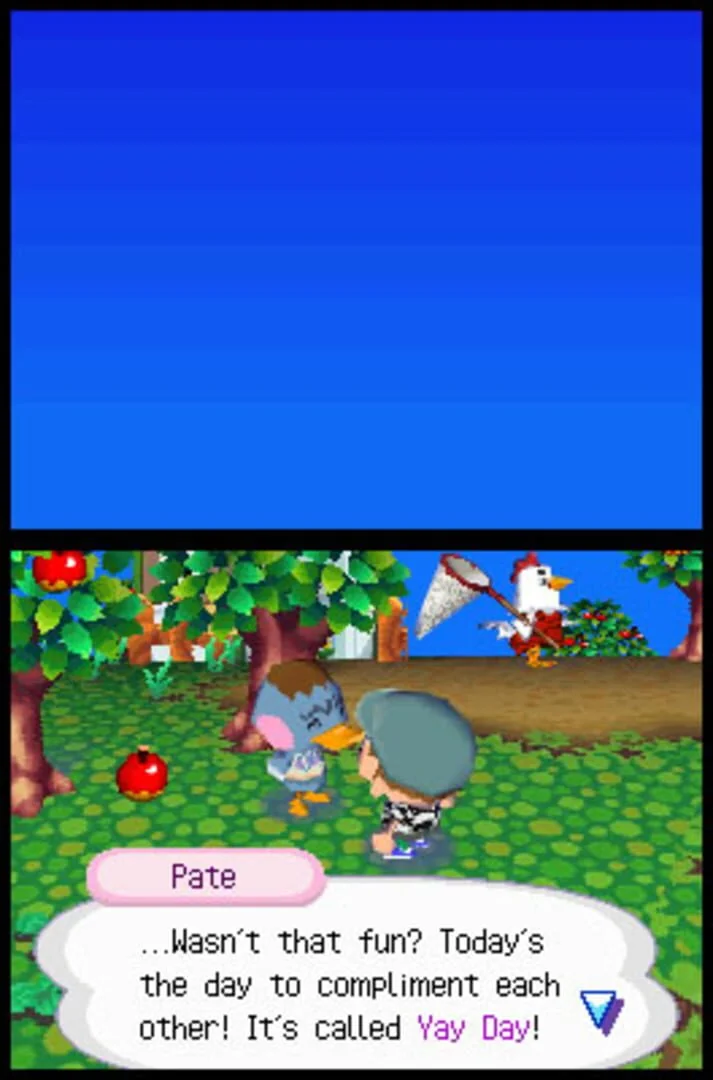
And hey, if I ever want to relive that backlit-DS thrill, I still have the original Wild World save. The next time I place a crooked dirt tile, I’ll remember that moment—and maybe leave more room for a Pate-shaped puddle or two.
- Wild World’s custom-design ground hack shifted Animal Crossing from cozy sim to planning obsession.
- Official paths and terraforming in New Horizons fulfill fan desires but intensify creative pressure.
- Proposed “Resident Mode” lock and “Desire Lines” AI could rebalance design freedom and organic living.
- At its core, Animal Crossing should still be about living with neighbors, not just perfect layouts.