
This caught my attention because Animal Crossing has always been less about mechanics and more about how people use a gentle, persistent world to hold pieces of their lives. The Jan. 15 update reopened hundreds of abandoned islands, and what people are finding reads like a social archive: overgrown lawns, homes dressed for old events, memorials, and the occasional jail-cell bedroom that now carries uncanny real-world echoes.
Table of Contents (5)
Animal Crossing: New Horizons – Why Returning Players Are Confronting Time, Memory, and Loss
- Save files act as literal time capsules: weeds, frozen events, and preserved home decor reveal who players were when they last logged off.
- The game’s persistent design turns absence into a visible narrative – villagers notice, items remain, and memories linger without prompts to move on.
- The community is split: lapsed players face emotional reunions with past islands while active players keep evolving seasonal spaces.
- For many, the update is less about new features and more about reconciling with what their islands recorded during the pandemic.
{{INFO_TABLE_START}}
Publisher|Nintendo
Release Date|January 15, 2026 (update)
Category|Community / Gaming culture
Platform|Nintendo Switch
{{INFO_TABLE_END}}
Main analysis: Design choices that preserve more than décor
Animal Crossing: New Horizons intentionally preserves player worlds when they step away. Villagers comment on long absences, weeds accumulate, and seasonal decorations remain unless a human hand changes them. That seemingly small design choice makes the game unusual: absence is meaningful. These islands don’t auto-reset as a convenience; they archive. For many who logged on after years away, that archive brought back specific, sometimes raw memories – like Mushy’s discovery of an ex’s jail-cell-themed room that later aligned painfully with real life.
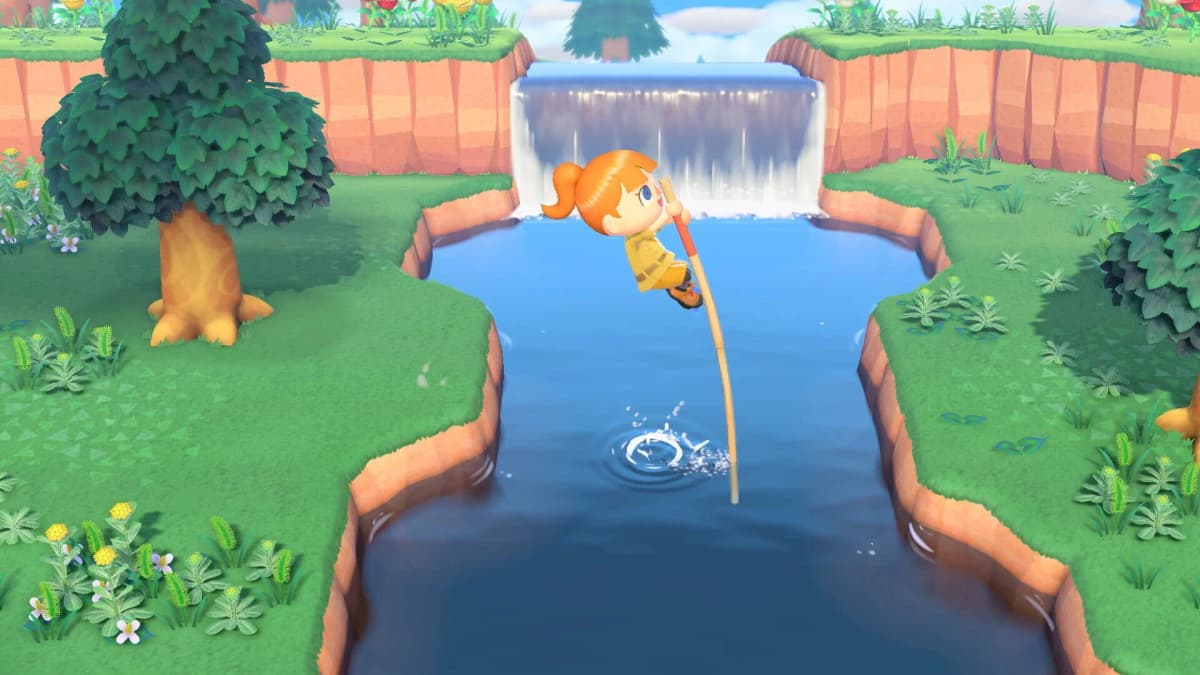
We should read this as a feature, not a bug. The game’s persistence turned private grief, humor, and ritual into embedded artifacts. During 2020-21, Animal Crossing functioned as a daily ritual and social lifeline: bulletin boards full of notes, event-driven homes, and makeshift memorials for losses. Those things have stayed put, because the game does not erase past selves — it layers them.
The split community: returning players vs. continuous players
Two emotional experiences are converging around the update. Lapsed players are reopening islands and encountering frozen-in-time landscapes that can be funny, awkward, or painful. Active players — those who never stopped logging in — are simply preparing for new content, maintaining seasonal events and relationships. Social feeds from early 2026 made that contrast obvious: midnight countdown parties on some islands, and cobwebbed homes on others.
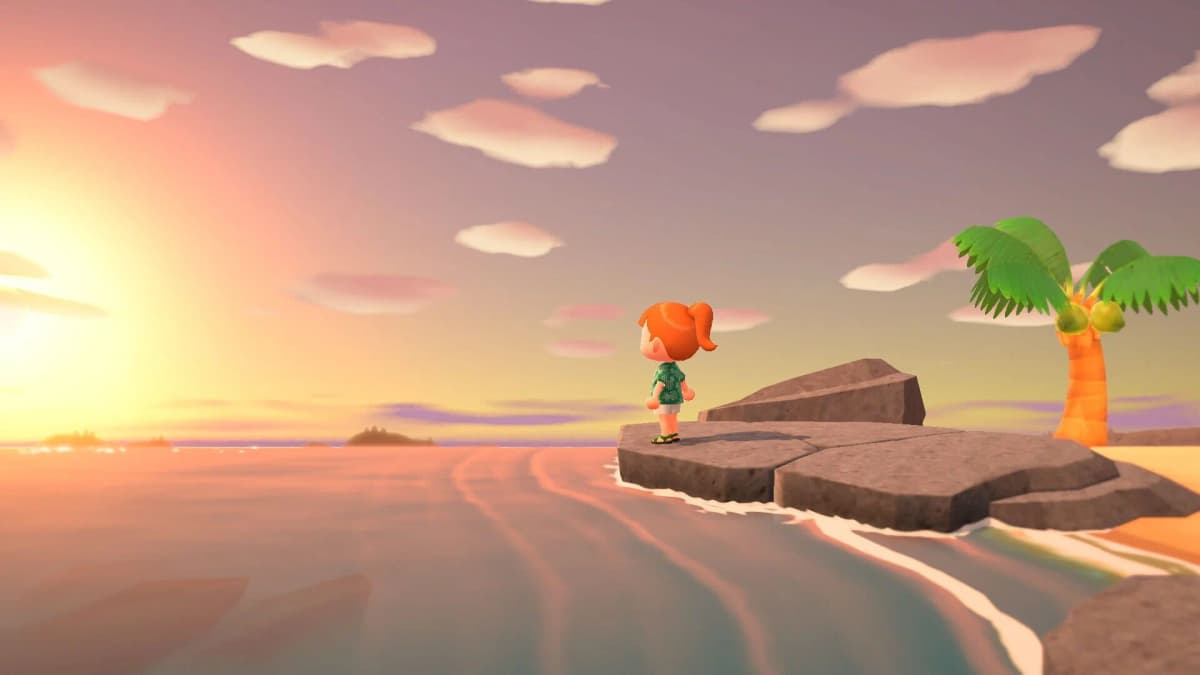
This divide matters for how we interpret the update. Nintendo’s choice to preserve islands privileges memory over tidy continuity. That’s meaningful for players who built memorials or preserved moments; it can also force unexpected reckonings when private histories resurface without context.
What this means for players
Returning players should expect emotional complexity. You may find joyful relics, outdated aesthetics, or places that hurt to revisit. Practically, it’s an opportunity: clean up, rework, or consciously preserve parts of your island that matter. For players who’ve kept up with the game, the update will be routine — but they’ll also see new arrivals reconnecting with seeds they planted years ago.
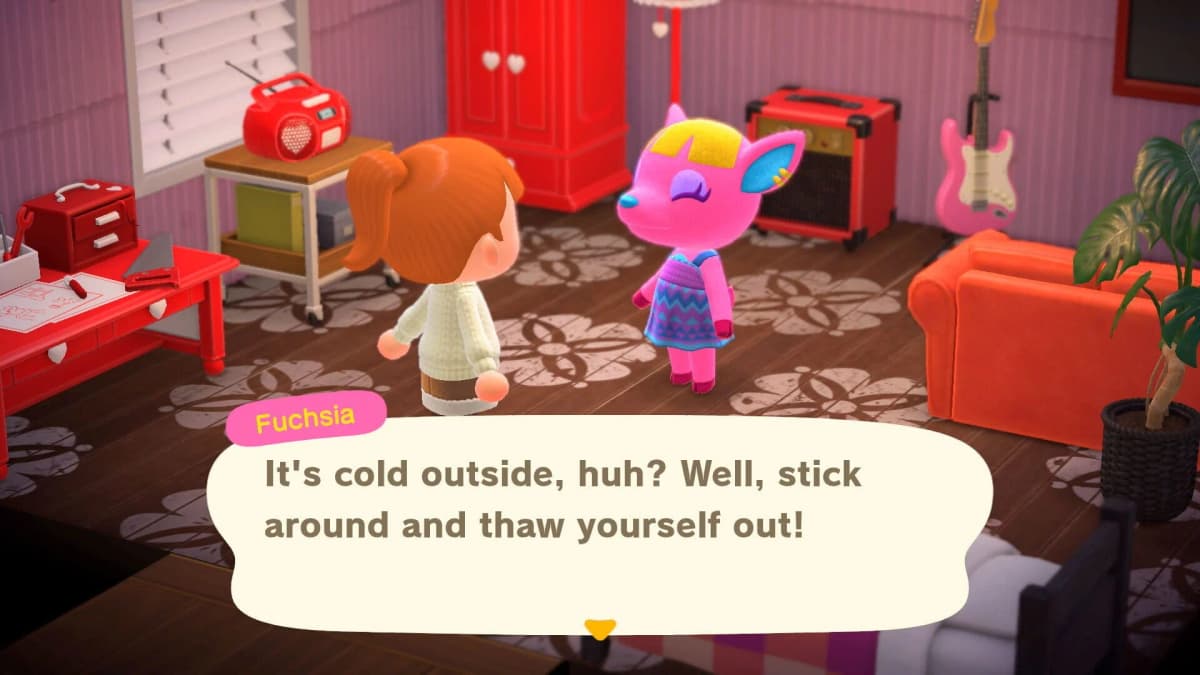
From a design perspective, Animal Crossing’s persistence is a reminder that social games can become personal archives. That creates responsibilities for developers and communities: tools for closure, ways to export memories, or social norms to handle sensitive content could matter going forward.
TL;DR
Animal Crossing: New Horizons’ Jan. 15 update has prompted players to reopen islands that act like time capsules. The game’s decision to keep absences visible turns save files into emotional archives — humorous, poignant, and sometimes painful. Whether you’ll find nostalgia or grief depends on how you used the game the last time you logged off.
FinalBoss // Gear
Level up your setup
01Top-rated gaming headsetson Amazon→02High-refresh gaming monitorson Amazon→03Gaming chairson Amazon→04Discounted game keyson Kinguin→Affiliate links · As an Amazon Associate, FinalBoss earns from qualifying purchases.