
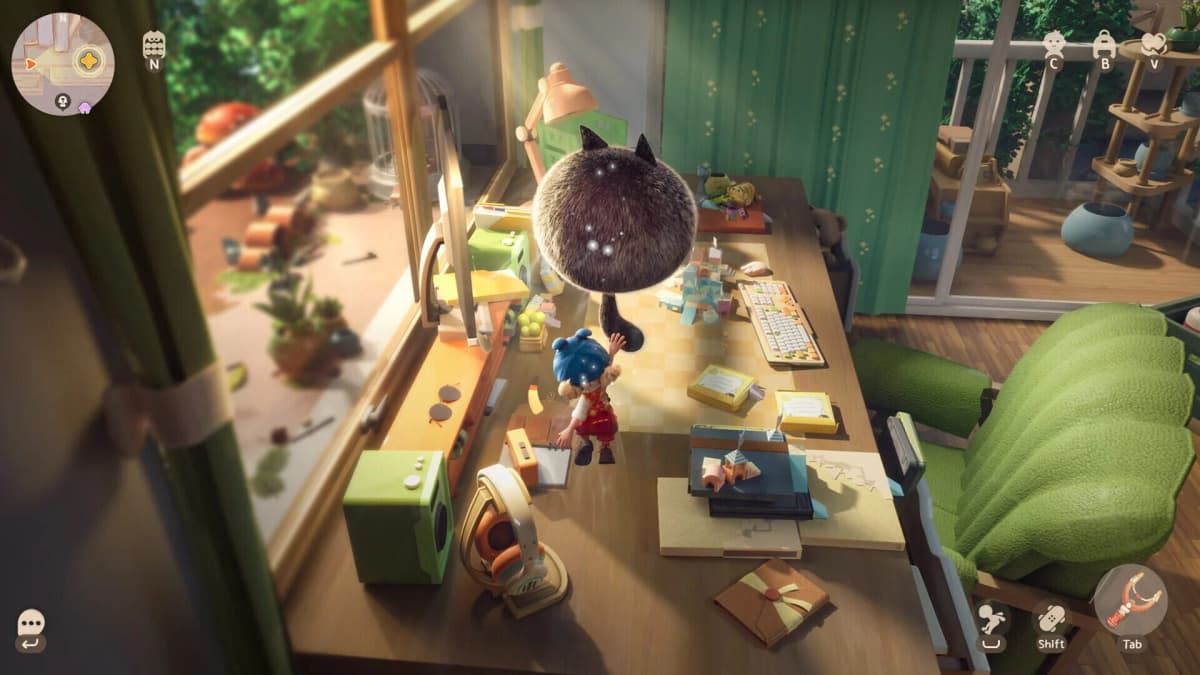
Animula Nook shrinks life-sim vibes to lilliputian scale
Game intel
Animula Nook
Ever wondered what it’s like to call a desk your home? Shrink into a cozy miniature world to explore and live among giant everyday objects. Here, you’ll collec…
Small world, big questions: Why Animula Nook caught my eye
Animula Nook is the kind of pitch that instantly sparks curiosity: a lilliputian life sim where raindrops are resources, flowerpots are farms, and a coffee mug is basically a mountain. Developed by LilliLandia Games under Tencent, it’s angling for that intersection of cozy comfort and imaginative traversal that games like Tinykin, It Takes Two, and (to a more survival-focused extent) Grounded have nailed. A first trailer is slated for Tokyo Game Show, with no release date yet – which means now’s the time to sort the charming from the concerning.
Key Takeaways
- The scale gimmick is genuinely promising if traversal and environmental puzzles aren’t just window dressing.
- Elemental crafting (raindrops, sunlight, wind) could be fresh – or tedious if it’s time-gated behind weather cycles.
- Social/online features sound cozy, but Tencent backing invites fair questions about monetization and live-service hooks.
- Platforms mentioned include PS5, PC, Mac, and the next Nintendo hardware – but until storefront pages and specs are official, treat those as targets, not gospel.
Breaking down the announcement
LilliLandia’s pitch is a “life simulation” at miniature scale: gather elements like raindrops and sunlight, build a homey nook, tend flowerpot farms, and mingle with NPCs and friends online. The art direction leans modern cartoon — soft lighting, vibrant color, rounded silhouettes — which fits the cozy vibe and should pop if the lighting reacts to oversized props in playful ways (think dust motes as weather, or a desk lamp “sunrise”).
The standout concept is the scale itself. Cozy sims tend to live at human scale or in pocket-fantasy towns; here, household spaces become playgrounds. That only matters if the design pushes you to interact with the environment in creative ways. Tinykin used scale to create kinetic 3D platforming and clever routing across rooms; It Takes Two turned everyday clutter into set-piece puzzles. If Animula Nook leans into traversal — riding wind currents from AC vents, dropping leaf-bridges from a houseplant, timing runs between sink drips — the cozy loop gets teeth.
What gamers should watch for at TGS
- Core loop clarity: Is this Animal Crossing with extra steps, or a true hybrid of exploration, crafting, and community tasks? Show one hour of play condensed into one minute: gather, craft, build, socialize, repeat.
- Traversal systems: Climbing, gliding, environmental “vehicles” (paper planes? bottle-cap rafts?). If it’s just running and jumping around big props, the magic fades fast.
- Elemental economy: If sunlight only appears at certain “hours” and rain is on a slow timer, we’re staring at time-gate grind. Smart design would let you manipulate microclimate (reflect light with foil, trigger mist from a humidifier, harvest condensation after a kettle whistle).
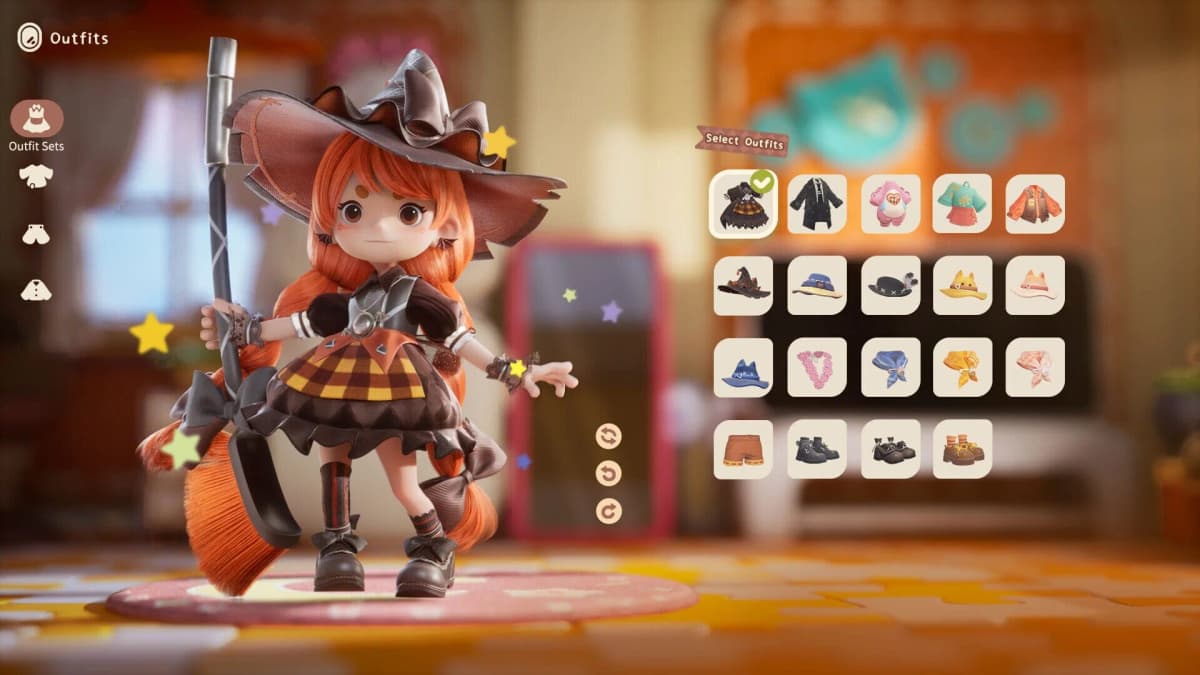
- Building depth: Decoration is nice; function is better. Do builds unlock traversal and crafting perks, or are they purely cosmetic?
- Online features: Is it drop-in co-op, island visits, shared towns, or instanced meetups? Cross-play and offline-friendly options matter. Clear guardrails against griefing would be a bonus.
- Monetization: Tencent’s backing brings resources and the specter of live-service creep. Battle pass? Cosmetic-only? Paid expansions? Say it plainly.
The real story behind the cozy pitch
Cozy sims exploded between 2020 and 2024, and a lot of them mistook aesthetics for design. Cute furniture doesn’t paper over shallow loops or slow timers. Animula Nook’s elemental focus is interesting because it promises systems — not just checklists — but it also risks busywork if weather and time are rigid. The best outcome is a toybox approach: give me tools to bend the environment, then let emergent play drive creativity. If I can funnel wind through a straw tunnel to spin pinwheels that power a lift, that’s memorable. If I’m waiting eight minutes for “sunlight” to respawn, that’s mobile-game energy in a premium wrapper.
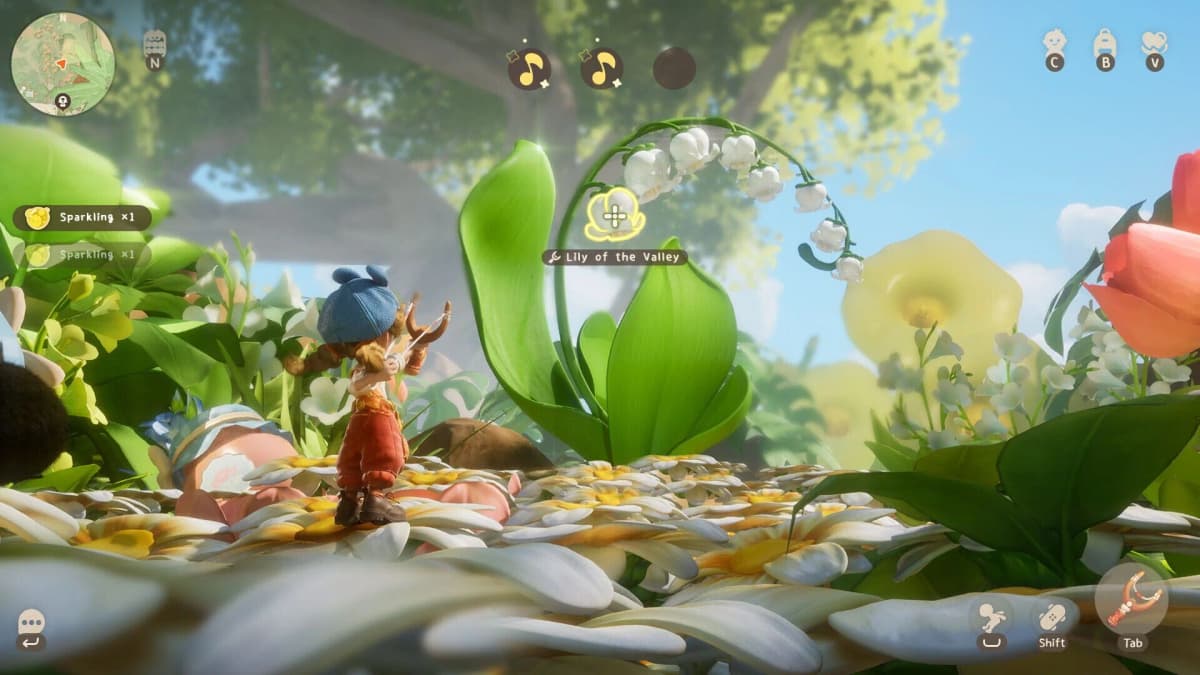
Performance and platform parity matter too. The rumored next-gen Switch will sell boatloads if Nintendo sticks the landing, but we’ve all seen cozy games struggle with frame pacing and asset streaming on lower-power hardware. If LilliLandia targets broad platforms, a scalable art pipeline — smart LODs, restrained particle spam, and careful shader passes — will make or break the “miniature wonderland” feel.
Want to Level Up Your Gaming?
Get access to exclusive strategies, hidden tips, and pro-level insights that we don't share publicly.
Ultimate Gaming Strategy Guide + Weekly Pro Tips
Where this could shine — and where it could stumble
- Potential strengths: A playful use of scale that meaningfully affects traversal and crafting; a warm art style that supports diorama-level set pieces; social features that feel like neighborly visits instead of FOMO funnels.
- Red flags: Opaque monetization; weather/time gating that drags; “online required” for basic progression; a building system that’s pretty but purposeless.
- Make-or-break detail: Agency. If players can tinker with the world — redirecting water, channeling light, bottling wind — Animula Nook graduates from cute to compelling.
Looking ahead
I’m optimistic in the same way I was the first time I saw Tinykin: the concept sells itself, but execution separates a weekend curiosity from a staple in your rotation. With Tencent’s resources, post-launch support shouldn’t be the bottleneck — clarity and design courage will be. Bring systems, not just vibes, and Animula Nook could carve out its own cozy subgenre: the diorama-life sim with actual play.
TL;DR
Animula Nook shrinks the life-sim into a toybox world of oversized objects and elemental crafting. The idea slaps; the execution is unknown. Watch the TGS trailer for traversal depth, clear loops, and honest monetization before you get attached to your flowerpot farm.