
Anno 117: Pax Romana Preview — Sardines, Gruel, and Real Choices in Rome
Game intel
Anno 117: Pax Romana
In the latest instalment of the award-winning Anno strategy franchise, it’s your destiny to shape the Roman Empire in the year 117 AD. As governor, will you en…
Hands-on with Anno 117: Why Rome, why now?
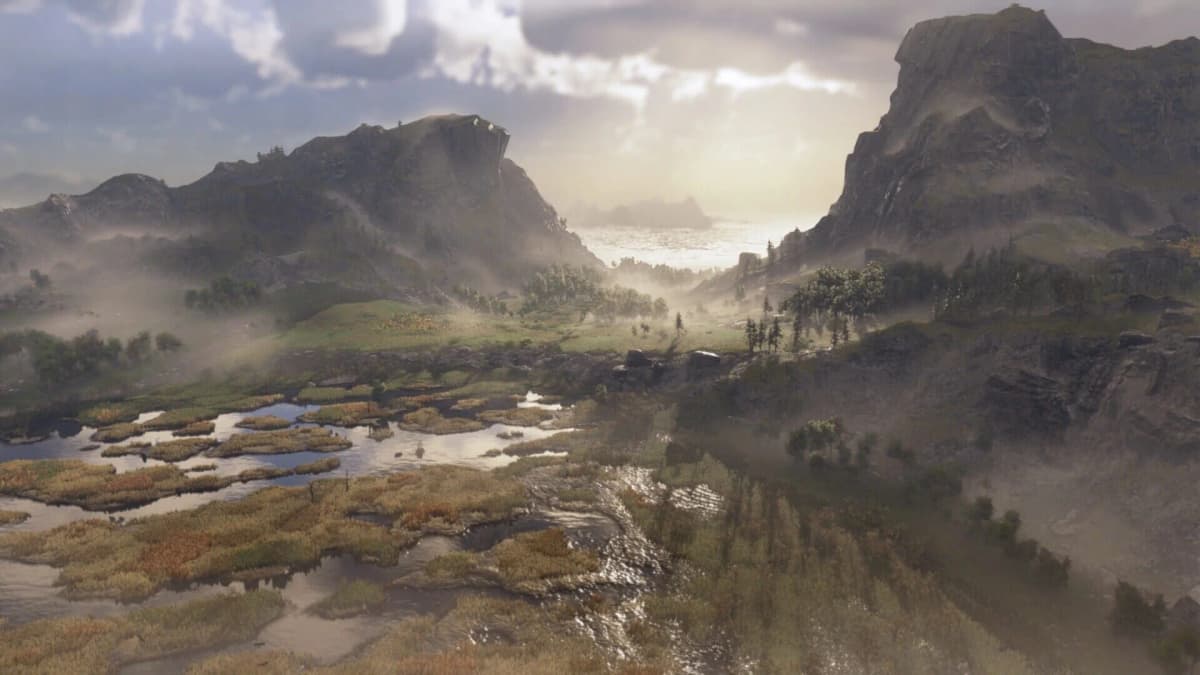
This caught my attention because Anno has never gone this far back. The series thrives on islands, trade routes, and production chains; Rome, historically landlocked, sounds like a mismatch. But in the first act and tutorial campaign I played, Ubisoft Mainz smartly steers you to Albion-Roman-era Britain-reframing the Empire through familiar archipelagos. It’s a neat pivot that keeps the Anno DNA intact while giving the art team an excuse to flex marble, mosaics, and legionary swagger.
- Choice-driven needs (yes, sardines vs. gruel) actually shape your city’s identity.
- Production buildings have AoE-style buffs-tempting you to place “ugly” industry inside your pretty town.
- The campaign structure leans on fedex quests; the politics tease is promising but slow out of the gate.
- Ship customization looks legit; teased land combat could finally fill a long-time Anno gap.
City-building with a personality, not just a checklist
Anno 117 immediately puts you in that familiar loop: settle, supply, scale. Your early citizens—Liberti—demand food, and here’s the first interesting fork. Do you feed them sardines for a modest income bump and a steady population increase, or run with hearty gruel for a bigger population spike at the cost of weaker coffers? I tried to be a completionist and built both chains early, which backfired. Without enough workers to staff the lines, my economy hiccuped. Lesson learned: the game doesn’t want you to do everything. It wants you to choose, and those choices give your city a vibe. Anno 1800 let you min-max with trade routes and items; 117 builds identity right into baseline needs.
It’s refreshing. Too many city builders nudge you into a one-true-build, but picking between staples (and presumably more forks later) made me feel like I was authoring my settlement, not just ticking boxes to reach the next tier.
Layout tension: puzzle-game pressures without the stranglehold
Another twist: resource buildings radiate area-of-effect bonuses. Put certain manufacturers within your residential grid and you’ll juice population growth; banish them to the outskirts and you keep your skyline pretty (and safer from fires), but you miss out on those buffs. I usually hate when city builders become pure Tetris—cramming tiles for adjacency math—but Anno 117’s “you don’t have to build everything” philosophy keeps the pressure manageable. If you don’t want the buff’s risk or footprint, skip it or import the goods. It’s more strategic expression than optimization prison.
Campaign pacing: Roman politics, courier chores
The campaign frames itself as a political thriller rather than sword-and-sandal spectacle. You pick Marcus or Marcia—two angles on the same story—and the intrigue is there in tone, if not yet in gameplay. Early missions leaned on rote directives: send a ship here, haul tiles there, return for a few dialogue boxes. It’s classic “tutorize through errands.” I’ve seen Anno do better on mission variety (1800’s scenario DLCs were punchier), but I get that the goal here is onboarding. Still, the writing hints at a more ambitious arc; I just hope Act II swaps UPS simulator for decisions with teeth.
Ships, soldiers, and the Roman toolkit
Building my first vessel felt familiar yet promising. You pick a hull and kit the internals to pivot between trade runner, warship, or speedster. Anno 1800 let you slot items into ships; here it feels baked into the chassis from step one. The preview offered limited parts, but the direction suggests meaningful fleet roles instead of “bigger ship good.” If they nail cargo vs. combat vs. speed trade-offs, trade route planning could get spicy fast.
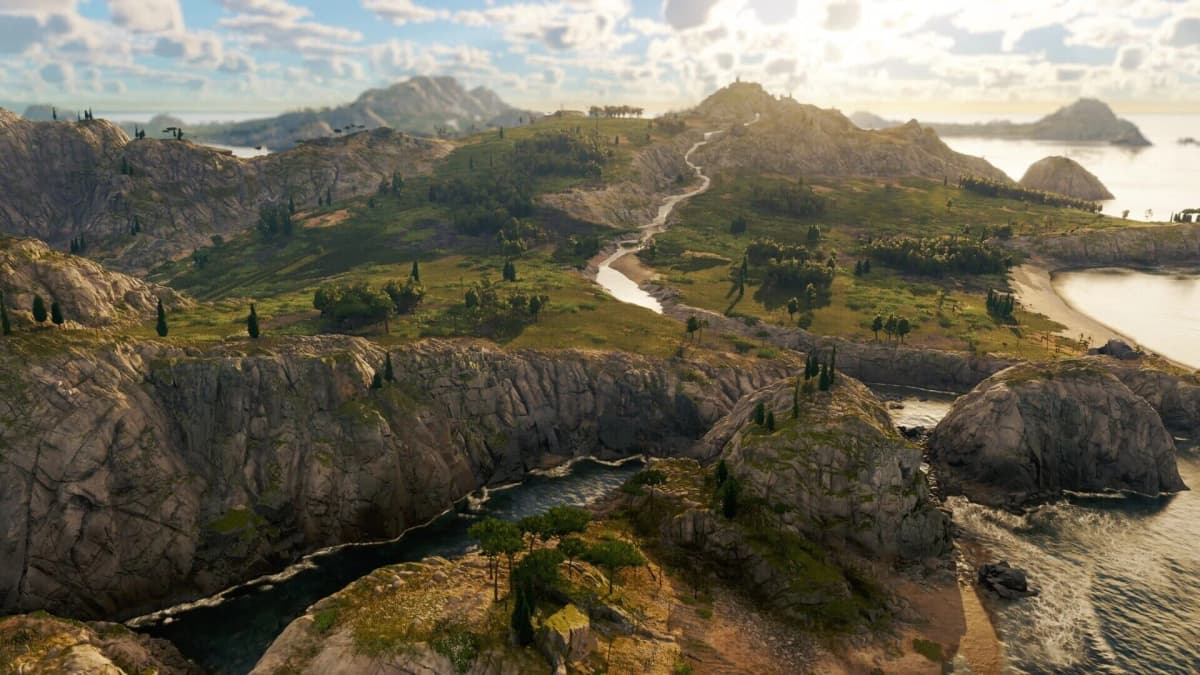
Land combat is the series’ white whale. Older Annos emphasized naval control and harbor defenses; armies were abstracted or sidelined. Seeing even a hint of ground troops here could be a big deal—if it’s more than a checkbox. Marching legionaries across Albion sells the fantasy, but the real test is whether it integrates with logistics. Can I sustain a frontier with supply chains, morale, attrition? Or is it a one-click “drop troops, watch bar fill” system? The preview doesn’t answer, but the potential is huge.
Diplomacy and religion are the other wildcards. The ability to role-play as a benevolent administrator or iron-fisted expansionist suggests systemic ripples beyond simple reputation meters. Meanwhile, picking gods for city-wide bonuses—unlocking more deities over time—could be a flavorful tech tree. My worry: that it devolves into +2% production sprinkles rather than real strategic nudges. If Jupiter vs. Minerva actually changes the way you build and trade, we’re in business.
Looks to kill, camera that won’t
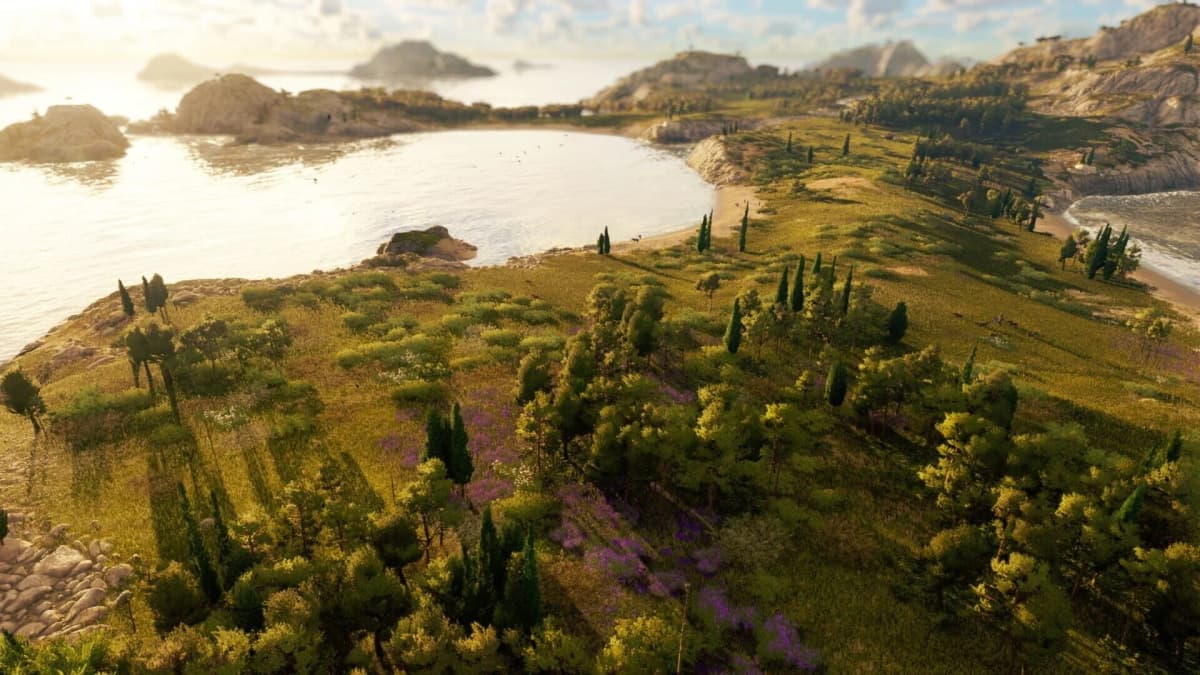
On the surface, this is one of the best-looking Annos yet. Sunlit coasts, a painterly sea, and tasteful Roman architecture sell the fantasy immediately. The day-night cycle sets a mood—torchlit towns are gorgeous—but I’ll likely disable it during heavy planning for clarity. My only real gripe is the zoom: I wanted to stroll the forums and alleyways, but the camera stops short of “street-view” voyeurism that modern city builders often indulge. Not a dealbreaker, just a missed opportunity to admire the micro-detail the artists clearly poured in.
Why this matters for Anno fans
Anno 117 feels like the team learned the right lessons from 1800. It keeps the satisfying production ballet while adding identity-defining choices that could keep playthroughs from blurring together. If the campaign sheds its fetch-quest training wheels, if land combat supports logistics rather than distracting from them, and if religion and diplomacy land as meaningful systems, this could be the most expressive Anno to date. Even with my gripes, I left the preview wanting to rebuild from scratch just to try a “gruel-only, pious Minerva, fast-trade fleet” Rome. That’s a good sign.
TL;DR
Anno 117: Pax Romana nails the vibe and introduces smart, identity-driven choices—like food staples and AoE industry buffs—that make cities feel authored, not optimized. The campaign starts slow and the camera’s stingy, but ship customization and teased land combat could broaden the classic loop in all the right ways.