
TL;DR: Anno 117: Pax Romana scores an 8.5/10 by nailing culture-driven choices, intuitive combat, and even surviving a quirky launcher workaround—perfect for city-builder fans craving depth.
Table of Contents (8)
My first hour as a Roman governor: calm streets, one weird launcher fix, and a familiar Anno heartbeat
Anno games always begin with a heartbeat: a modest market, a trickle of citizens, and production chains humming to life. In Latium, my opening 30 minutes were spent snapping roads into place, dropping a marketplace, and planting grain fields under sunlit courtyards. Vendors hawked wares, laborers marched off to shifts, and idle chatter around town made spreadsheets feel like stories once more.
Full disclosure: I never saw my first amphora until I conquered a launcher bug. On PC (Windows 11, Ryzen 7, RTX 3070), the game refused to start via Ubisoft Connect until I switched my regional settings to English UK and rebooted. It was the sort of pre-launch gremlin the community flagged—annoying but survivable. Once I rebooted, Anno 117 snapped into focus.
Ubisoft Mainz leans into governance without drowning you in menus. Clean advisor cards guide you to meet basic needs and track “Imperial Expectations,” but they never ruin the sandbox vibe. Roads snap satisfyingly, buildings click into a grid like familiar puzzle pieces, and a subtle ambient score keeps your mental math company without distraction.
Within that first hour, I had a modest supply web: grain to mill, clay to pottery, and timber to basic houses. The first arena I flagged became a surprising pressure valve—citizens visibly perk up when public spaces feel “Roman” enough. By the time Albion unlocked, I realized this was only the prologue to a much bigger story.
The cultural tug-of-war in Albion made me rethink every upgrade path
Anno 117’s signature twist is cultural duality. Latium is your streamlined Roman home turf. Albion, in contrast, asks a deeper question: Romanize the locals or preserve Celtic ways? It isn’t cosmetic. That choice ripples through building tiers, citizen needs, and story beats.
In my first Albion save, I chose preservation. I kept roundhouses, built shrines instead of forums, and prioritized local crafts over imported amphorae. Citizen demands shifted to artisanal goods, supply chains slowed dramatically, and unlocking new tiers became a tight, deliberate dance. Pushing the usual “rush to the next tier” instinct here would have destabilized everything.
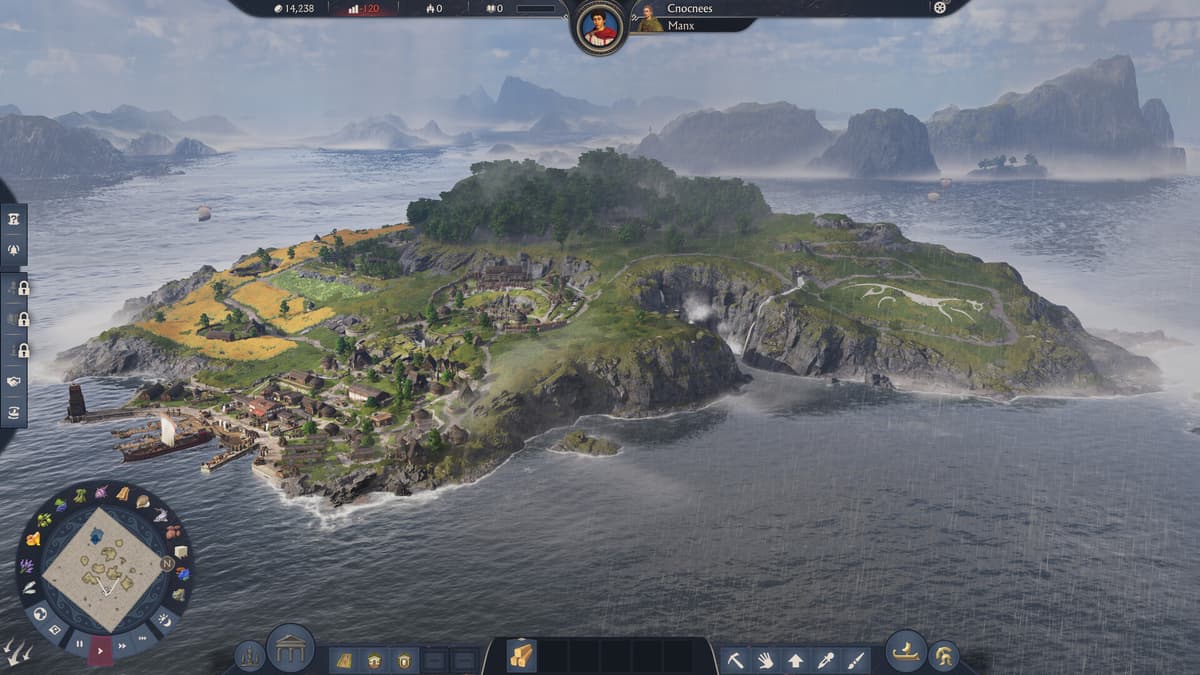
On a second run, I went full Romanization: grid planning, standard baths, and heavy landmark spamming. Efficiency soared, “prestige” specialists arrived faster, but morale tanked. I had to invest in festivals, better rations, and public plazas to tamp down unrest. Neither path felt “right”—they just felt like deliberate trade-offs.
By hour 10, I realized Anno 117 isn’t asking you to pick a side forever but to master tension. You can Romanize ports and preserve villages, making one province your production engine and another your cultural soul. This city-builder finally turns your urban plan into a philosophy.
Mechanically, the “culture pressure” overlay—a heatmap from cool to hot—instantly shows where policies grate on citizens. Pair that with eavesdropping on street chatter and you catch protests before they spark. It changes how you lay roads, place prestige buildings, and decide when to expand.
Combat finally clicks without hijacking the game
I’ve always been wary of city-builder combat. Too often it feels like a tacked-on mini-game. Here, land and naval fights bite but remain tools of governance. My first test: Voada pirates siphoning my timber in Albion. Diplomatic gifts bought time, but when tolls kicked in, I built a palisade, garrisoned shielded infantry, and commissioned two modular ships—one a reinforced ram, the other built for cargo with a token archer deck.

The ensuing naval skirmish wasn’t Total War, and that’s a win. Positioning mattered more than click speed—I flanked their lead ship between my ram and the shore, securing my trade lanes. On land, upgradable infantry and siege engines answered raids neatly. Fortifications became “settlement extenders,” shaping spaces, defining corridors, and keeping trouble at bay.
Combat losses hurt because they ripple into logistics; victories free up resources and open quarries you can’t afford to lose. I went from sighing at the first battle prompt to actually scheduling naval patrols in my budget. It finally clicks as an integrated part of city-building.
The loops that hooked me—and the ones that wore me down
The cultural system is a standout—clean to grasp, messy to master, and it makes the map feel alive. Province structure is another win: Latium’s gentle plains teach fundamentals, while Albion’s wetlands demand deliberate placement and redundancy in storage. I even experimented with two smaller markets to reduce walk times, a tweak I only spotted after hours of watching traffic flow.
On the flip side, trade-route micro can pile up as you juggle three cities, two outposts, and a military harbor. The auto-suggest tool helps, but you’ll still long for extra filtering in the route manager. Cart pathing occasionally fusses around tight industrial blocks, and notifications can become chatty when culture pressure spikes—tune them early or risk constant “ping-ping”.
Performance, UI, and a smoother (but evolving) co-op
On PC at 1440p, high settings, Anno 117 stayed rock-solid—even dense capitals ran smoothly. Controller support on Xbox Series X felt natural for couch building, though I still preferred a mouse for routing. Multiplayer was rough in week one, with desyncs in pre-hotfix co-op sessions. After the November 18 hotfix, our three-hour test stayed stable, but cross-play is temporarily disabled until all platforms match versions. Host backups and clear expectations are key.

Year 1 extras: the Hippodrome shines, the volcano keeps you honest, and the Delta teases a different rhythm
The first Year 1 pack, the Hippodrome, isn’t a mere skin—it’s a prestige lever. Scheduling races feels like a policy choice, boosting elite satisfaction and attracting top specialists. It anchors an “upper town” district in a way that feels earned.
Prophecies of Ash adds a restless volcano in Latium. When ash drifts over your fields, you scramble to diversify food sources. A light deity-worship layer asks you to respect local rites or face morale hits. It taught me humility: never plant all your farms beneath a smoking giant.
The Delta expansion (teased in livestreams) promises a floodplain ecosystem and new resource chains. Details remain scarce, but the pilot mission hints at fresh challenges that lean into the culture-versus-efficiency theme.
Bottom line
Anno 117: Pax Romana scores an 8.5/10 for its inspired cultural mechanics, integrated combat, and surprisingly personable city-building loop. It survives a quirky launcher workaround to deliver a deep, thoughtful strategy experience that balances governance with hands-on planning. If you’ve ever wanted your urban design to double as philosophy, this is your sandbox.
Conclusion
Anno 117 refines the series’ core heartbeat with fresh layers of cultural tension and streamlined combat. Small hiccups in trade management and multiplayer won’t deter dedicated city-builders. All told, Ubisoft Mainz has delivered its most thoughtful Anno yet—an elegant blend of strategy, role-playing, and sandbox freedom that invites both methodical planners and creative dreamers to rule the Roman world.
FinalBoss // Gear
Level up your setup
01Top-rated gaming headsetson Amazon→02High-refresh gaming monitorson Amazon→03Gaming chairson Amazon→04Discounted game keyson Kinguin→Affiliate links · As an Amazon Associate, FinalBoss earns from qualifying purchases.
Want to Level Up Your Gaming?
Get access to exclusive strategies, hidden tips, and pro-level insights that we don't share publicly.
Ultimate Reviews Strategy Guide + Weekly Pro Tips