
This caught my attention because a single map change – see-through, destructible barriers – can rewrite how players move, lock down space, and contest windows. Respawn is clearly trading careful nudges for bold swings to force a new meta in Apex Legends’ seventh year.
Table of Contents (6)
Apex Legends Breach: Hardlight Mesh and a deliberate push toward close-quarters combat
- Key takeaway: Hardlight Mesh adds destructible, see-through barriers to windows, shifting sightlines and defensive play.
- Key takeaway: Big legend and weapon changes – Fuse rework, Bloodhound & Catalyst buffs, marksman nerfs, shotgun buffs — favor tighter engagements.
- Key takeaway: Respawn deliberately over-tunes changes to force meta movement, then plans rapid iteration to correct extremes.
- Key takeaway: Ranked returns to classic dropship; Bot Royale Evolved and deeper audio customization improve play variety and accessibility.
{{INFO_TABLE_START}}
Publisher|Respawn Entertainment / EA
Release Date|February 10, 2026
Category|Battle Royale / Live service
Platform|PC (Steam, Epic Games Store, EA App), consoles
{{INFO_TABLE_END}}
Main analysis — what actually changed and why it matters
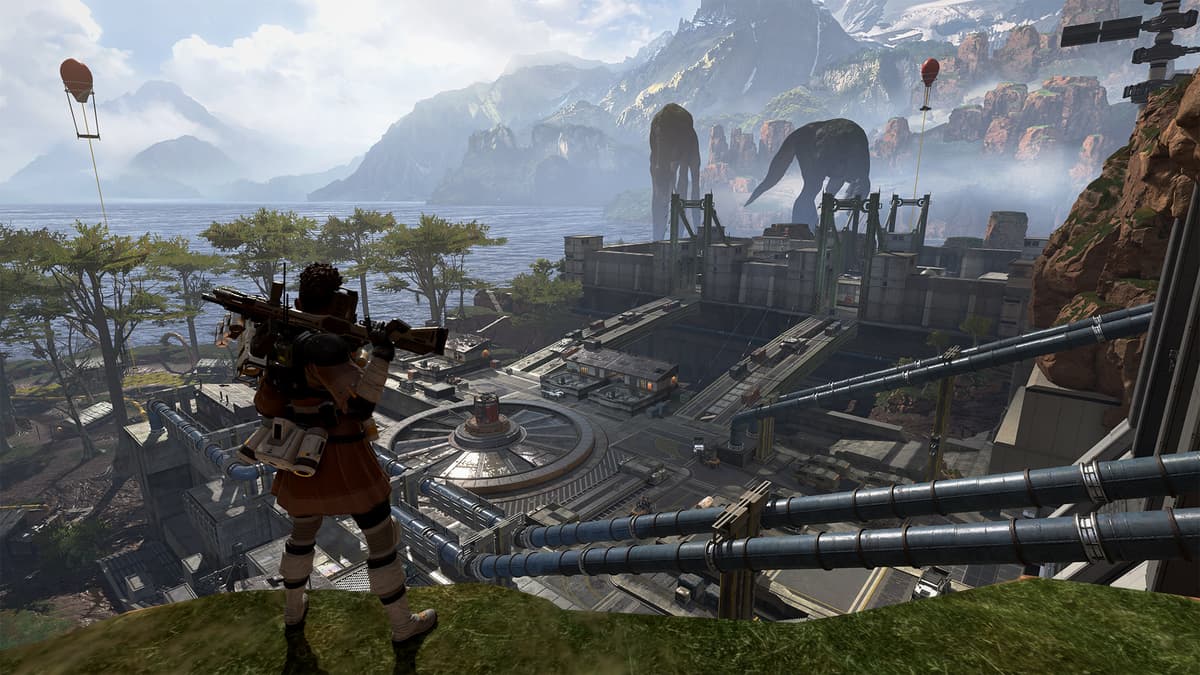
Hardlight Mesh is the update’s most interesting mechanical change. These are see-through, destructible barriers placed in formerly open window spaces across Broken Moon, World’s Edge, and E‑District. They block attacks but can be broken, take bonus damage from certain weapons/abilities, and can be reconstructed/reinforced by controller legends. Mechanically, that creates new choke points that favor teams who can hold and fortify positions, while still allowing attackers to brute-force or exploit counter-tools.
On the balance front, Respawn is explicitly tilting the sandbox toward shorter engagements. Marksman weapons were pulled back, shotguns were pushed forward, and core legend kits saw adjustments — Fuse gets a rework and a new ultimate, Bloodhound and Catalyst received upgrades. Those choices are coherent: they make close-quarters fights more frequent and meaningful, and they nudge players away from longer-range duels as the default path to victory.
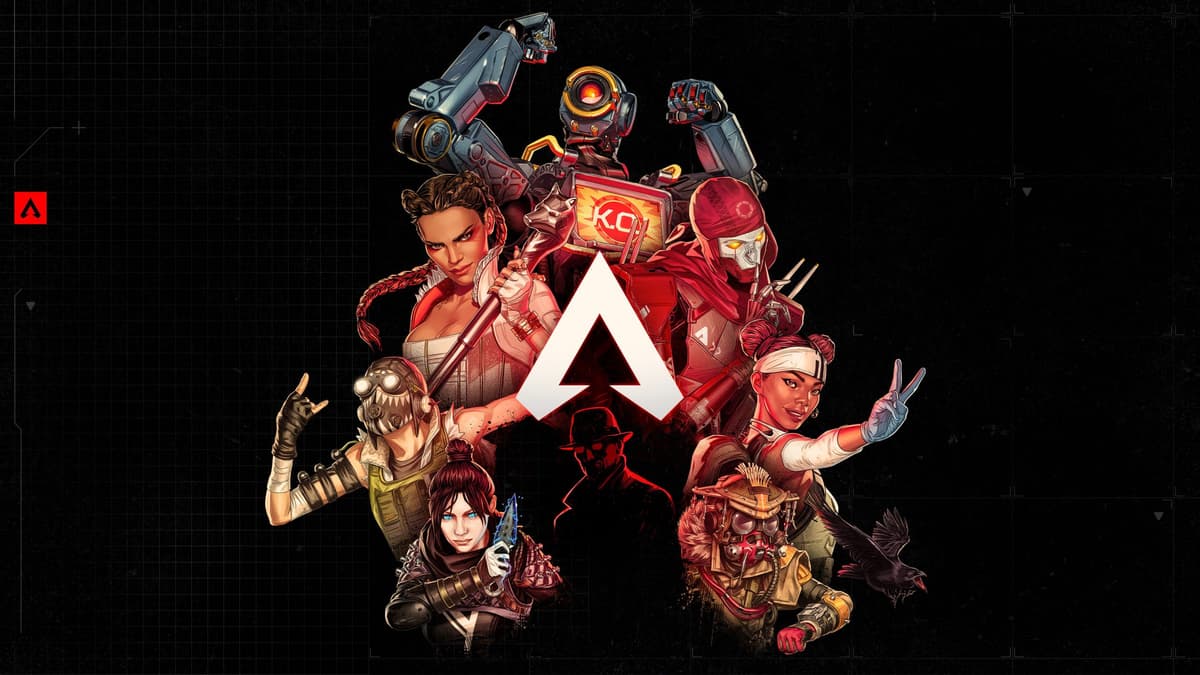
Gameplay mode and QoL changes matter, too. Ranked drops revert to the classic dropship after controlled drop zones; that change will restore a degree of randomness and contested landing spots that were dampened by controlled zones. Bot Royale Evolved lifts XP and progression caps and mixes human squads with updated bots, which should be a better training ground. The audio overhaul — more granular control for legend dialogue, pings, and the announcer — is quietly significant for accessibility and competitive clarity.
Respawn’s balancing philosophy — bold swings, faster iteration
Respawn admits it prefers impactful swings to small nudges: under-tuning often means players ignore changes and the meta never shifts. That honesty is refreshing but double-edged. Over-tuning can create “hot metas” that dominate until a rapid follow-up nerf arrives — something we’ve seen before with Ash or the Peacekeeper. The difference now is Respawn says it’s learned to respond faster within days of updates rather than waiting weeks. For players, that means more dramatic short-term churn and a faster cadence of fixes.
Time-to-kill and the broader goal
Respawn points back to Season 24 changes (weapon buffs, helmet removal) that lowered TTK. They argue the gradual drift back toward higher TTK made mobility too dominant — and mobility should be a pillar of Apex, not the single path to success. The developer now believes TTK is “in a good spot” but will keep monitoring. Practically, expect gunfights to reward positioning and decisive close-range trades more than purely outmaneuvering opponents.
What this means for players
For casual players: games should feel punchier and more chaotic at close range. Shotguns and SMGs will be more viable and satisfying. The new barriers change how you hold angles and contest high-traffic windows.
For ranked and competitive players: expect short-term volatility. Hot metas will appear faster, and you’ll need to adapt quickly or risk getting stomped until the next tune. Relearning rotation timing and engagement distances will be important.
For streamers and creators: new moments of cover-breaking, fortified windows, and Fuse’s rework will generate fresh highlight clips — but also potentially more one-sided fights if a hot-meta takes hold.
TL;DR
Respawn’s Breach season is a deliberate shove toward tight, impactful fights: Hardlight Mesh reshapes sightlines; shotguns get love, marksmen are checked; legends get meaningful updates. Respawn is choosing bold, visible balance swings to break stale play and then iterating quickly — which will make the next few weeks feel hectic but also more obviously different than the last few seasons.
Apex Legends Breach is live February 10 — dive in if you want faster fights, new map toys, and a meta that might change on a dime.
FinalBoss // Gear
Level up your setup
01Top-rated gaming headsetson Amazon→02High-refresh gaming monitorson Amazon→03Gaming chairson Amazon→04Discounted game keyson Kinguin→Affiliate links · As an Amazon Associate, FinalBoss earns from qualifying purchases.