
This caught my attention because Forge wasn’t just a twist in a trailer – it was a deliberate, studio-level counterstrike against the dataminers who had been spoiling Apex Legends’ roadmap. At the six-year mark of Season 4, Respawn’s narrative lead Ashley Reed has confirmed what many suspected: Forge was a fake, created to mislead leaks and protect real plans while delivering one of Apex’s most memorable narrative beats.
Table of Contents (4)
Apex Legends’ Forge: the staged legend that fooled fans and dataminers
- Key takeaways:
- Respawn intentionally created Forge – fake assets, art and a trailer – as an anti-leak decoy after a string of damaging datamines.
- The stunt offered a narrative payoff (Revenant killing Forge) and bought the team breathing room to protect genuine roadmap content.
- It doubled as a PR moment and a candid response to the risks of live-service development in a leak-prone era.
- Six years later, the Forge episode is remembered as smart misdirection that balanced risk, creativity and community reaction.
{{INFO_TABLE_START}}
Publisher|PCGamesN
Release Date|2026-02-17
Category|Game development / Live-service storytelling
Platform|PC, PlayStation, Xbox, Steam
{{INFO_TABLE_END}}
Back in Apex’s early seasons the ecosystem felt smaller: fewer legends, clearer metas, and a community that reacted to every teaser. As the game ballooned, so did the incentive for dataminers and leakers to surface half-baked assets. Reed tells the story plainly: after a particularly bruising series of leaks — including prototype characters and internal playtest shots — some designers decided to fight back by giving miners something intentionally misleading to find.
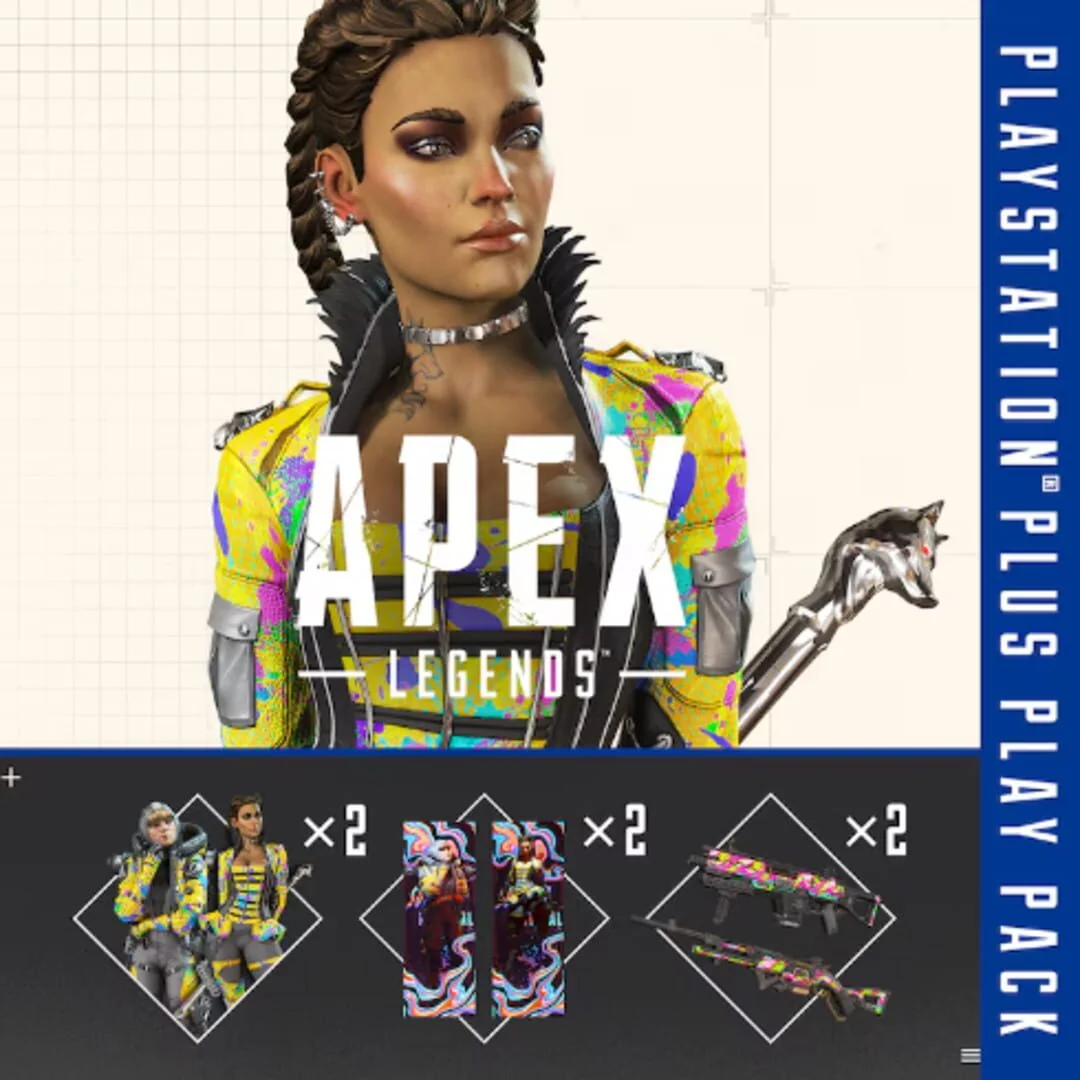
That “something” became Forge: artwork, a reveal trailer, and the trappings of a real hero push. It even culminated in a dramatic in-game moment where Revenant murdered the champion-elect — a flourish that turned a defensive tactic into a narrative highlight. Reed frames the stunt as born of frustration but executed with a sense of play: “Why don’t we just put a fake one in there, just to fool them?” she says.
Why this worked — and where it could backfire
There are layers to why Forge matters beyond the joke. First, it was a practical measure: by seeding believable but false assets, Respawn aimed to disrupt the predictive value of datamines, buying time to finish real features without having their PR schedule undermined. Second, it converted an anti-leak tactic into content — the Revenant kill scene is still cited as one of Apex’s boldest live moments.

But the approach isn’t risk-free. Pretending a character is “real” can annoy players who feel manipulated, and it costs development time to produce convincing decoys. There’s also a cat-and-mouse dynamic: as studios use decoys, dataminers will adapt, raising the bar for what counts as convincing misinformation. Reed admits some savvy fans saw it for what it was (concept art, not a final model), yet enough of the community bought in for the stunt to land.
What this means for players and live-service games
- Expect more guarded reveals: studios increasingly treat roadmaps as fragile and will experiment with decoys, embargoes and controlled leaks.
- Creative anti-leak tactics can become narrative opportunities — if handled with care and respect for the player base.
- Hardcore dataminers will keep adapting; the arms race between developers and miners is likely to continue.
- For Apex fans, Forge remains a neat piece of lore and a reminder of how Respawn blends PR, narrative and game design.
From a development perspective I respect the move. It’s clever, human, and a salutary reminder that live games aren’t just shipped features: they’re controlled experiences. Forge was a blunt but creative tool to reclaim narrative control in a leak-happy era. It wasn’t just misdirection — it was a story beat that cost time but returned value in player reaction and preserved surprises that followed.

These days, with Apex’s roster and meta far evolved, there’s less room for a melee-focused legend like Forge. But the incident’s legacy matters more than the character ever could: it’s a case study in how studios can fight leaks without abandoning narrative ambition.
TL;DR
Six years after Season 4, Ashley Reed confirms Forge was an intentional fake — a decoy designed to mess with dataminers and protect real reveals. It doubled as a memorable narrative stunt (hello, Revenant), illustrating how live-service teams balance secrecy, storytelling and community reaction in a leak-prone world.
FinalBoss // Gear
Level up your setup
01Top-rated gaming headsetson Amazon→02High-refresh gaming monitorson Amazon→03Gaming chairson Amazon→04Discounted game keyson Kinguin→Affiliate links · As an Amazon Associate, FinalBoss earns from qualifying purchases.
Want to Level Up Your Gaming?
Get access to exclusive strategies, hidden tips, and pro-level insights that we don't share publicly.
Ultimate Gaming Strategy Guide + Weekly Pro Tips