
Apex Legends Season 29, Overclocked, is less about one flashy new Legend and more about Respawn deciding that this game should move even faster after years of players already turning every fight into a movement exam. Axle will get the trailer shots. Deathbox Respawns are the change that could actually reshape matches.
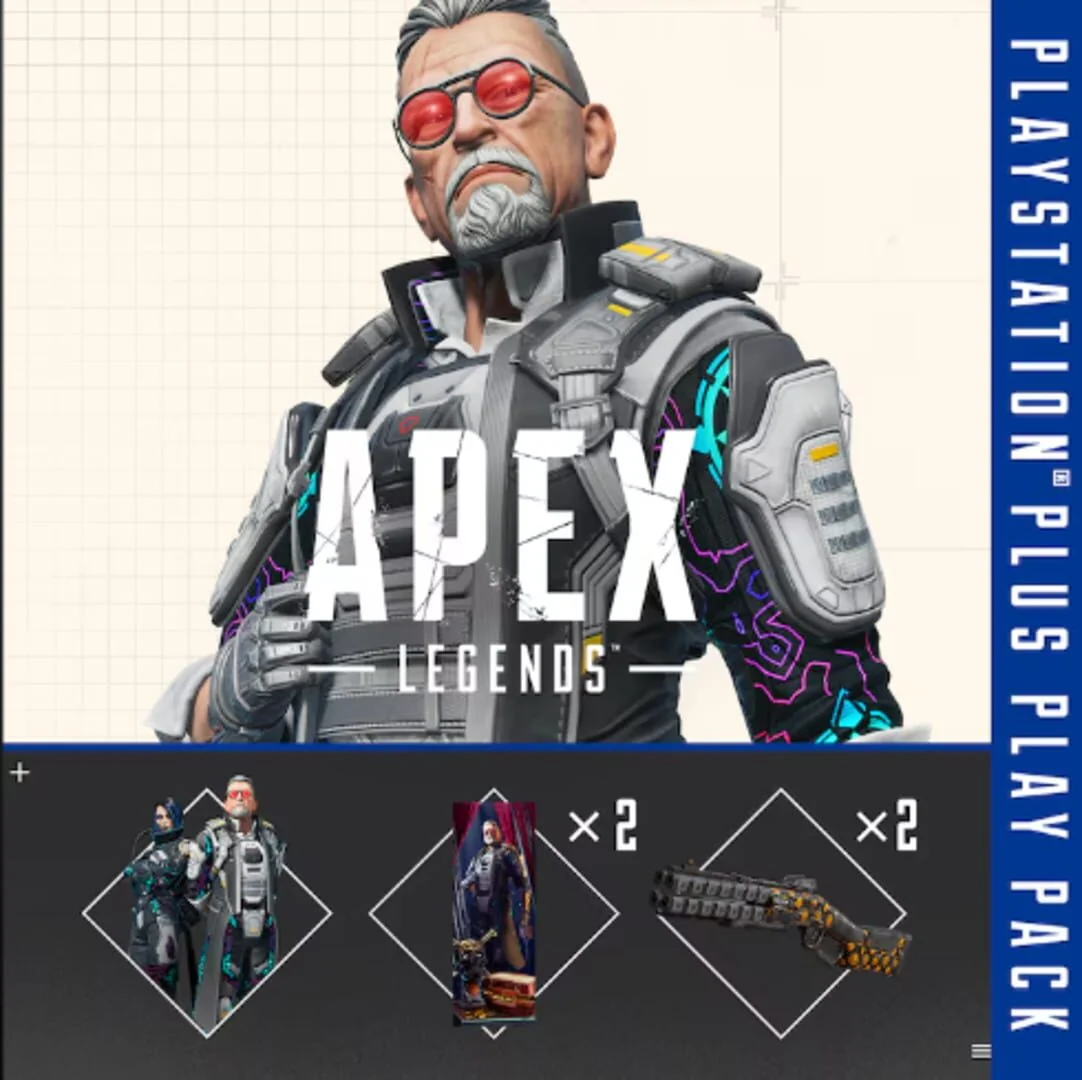
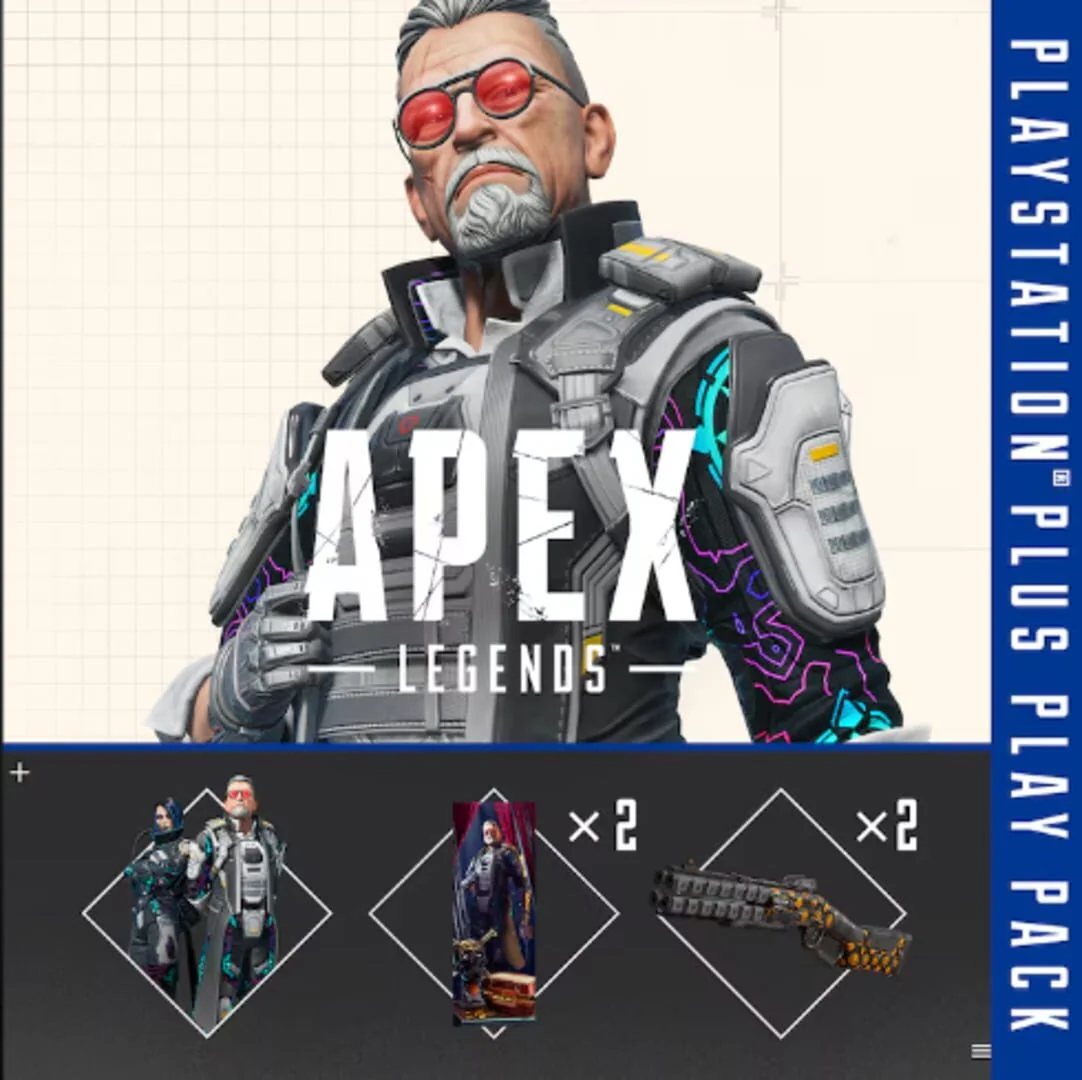
The short version: Overclocked launches May 5 and adds Axle, a hypermobile “combat racer” built around chaining slides, fast rotations, and forcing tempo. His Tactical, Nitro Gate, can launch him and nearby teammates into high-speed slides, which makes it more team-useful than the usual selfish movement toy. His Ultimate, Kickstart, deploys a seeking drone that explodes on impact with enemies. Alongside that, Respawn is rolling out Deathbox Respawns, letting teammates bring players back at their deathbox instead of forcing the old beacon-only recovery loop. Conduit and Vantage are also getting updates, with the season pitched as high-risk, high-reward across the board.
That all sounds clean in a patch-notes bullet list. The real story is messier, and more interesting: Respawn is trying to make Apex feel more relentless without letting movement legends completely eat the rest of the roster alive.
Table of Contents (4)
Axle is another movement legend, because of course he is
There’s a reason the community reaction to Axle was basically, “Right, another movement character.” Apex has spent years teaching its player base that speed is safety, speed is pressure, and speed is often better than raw utility if your mechanics are good enough. So when Respawn introduces a new Legend built around sliding harder and entering fights faster, it’s not exactly a shocking creative detour.
What saves Axle from feeling completely redundant is that his kit appears designed to share that momentum. PCGamesN’s reporting highlighted Respawn’s point that Axle isn’t meant to be a vehicle-style solo hero; Nitro Gate can help nearby allies move too. That matters. A selfish movement Legend is just another pub-stomping headache. A team mobility tool can actually change how squads engage, disengage, and recover from mistakes.
Still, the uncomfortable question is obvious: did Apex really need even more movement emphasis? Respawn says non-movement playstyles remain “viable and important,” which is exactly what it should say. The proof will be in whether slower, setup-oriented comps can still hold space once Axle starts injecting free momentum into every skirmish. Apex has always had a gap between what is technically balanced on paper and what feels oppressive in actual ranked lobbies. Season 29 is poking that gap again.
Deathbox Respawns could change match flow more than Axle does
This is the part players should pay closer attention to. Deathbox Respawns sound like a quality-of-life fix, and they are, but they’re also a major philosophical shift. Respawning in Apex has traditionally been punitive by design: recover the banner, survive the trip, hit a beacon, pray every nearby squad doesn’t hear the dropship and come farming. It created tension, but it also created a lot of dead time and a lot of matches where one mistake effectively ended your squad’s night.
Deathbox Respawns cut through that friction. If the system works as advertised, squads will have more comeback opportunities and fewer long, miserable recovery detours. That’s good for pacing. It’s also good for a game that does not benefit from players spending minutes spectating because one teammate got beamed during a third party.
The risk is obvious too: easier recovery can make kills feel less final, extend messy fights, and create more chain-reengagement chaos in already crowded zones. In a game built on third partying, that can get stupid fast. Respawn seems to know this, which is why the season’s broader framing is “high-risk, high-reward.” They are not just speeding up mobility; they are speeding up recovery from failure. That’s a much bigger systems change than a new Legend, even if it’s less trailer-friendly.
This looks like Respawn trying to fix friction without admitting fatigue
Seasonal messaging always dresses these updates up as evolution, but there’s a practical business read here too. Live-service games hit a point where “depth” starts becoming “drag.” Apex is old enough now that some of its signature tension points also feel like routine annoyance. Long revive loops. Dead-squad downtime. A meta where if you can’t move, you’re negotiating from weakness. Overclocked looks like Respawn trying to smooth those pain points while keeping the game’s identity intact.
That’s the smart version of this update. The dumb version would be simply throwing more mobility at the wall and hoping highlight clips do the rest. Axle alone could have felt like that. Pairing him with a major respawn-system rework suggests Respawn is thinking more broadly about pace, retention, and how often players actually get to keep playing instead of watching someone else play.
The other noteworthy bit is the supporting cast. Conduit and Vantage changes, plus broader gameplay tweaks around movement and abilities, suggest Respawn knows it can’t introduce a speed-focused Legend into a static sandbox and call it a day. If this season lands, it won’t be because Axle is cool. It’ll be because the surrounding balance work prevents him from becoming just another reason the roster feels split between the fast and the food.
What to watch in the first week
- How often Deathbox Respawns actually convert into successful squad recoveries instead of instant repeat wipes.
- Whether Axle becomes a ranked staple immediately or settles into “fun but not mandatory” territory.
- How Conduit and Vantage perform after their updates, especially in lobbies where movement pressure spikes.
- Whether Kickstart can be reliably shot down or countered; that detail matters more than the marketing copy does.
- Match pacing overall: if fights become cleaner and faster, Respawn nailed it. If they become endless recycle-bin brawls, that’s a problem.
The practical takeaway is simple. If you’re jumping into Overclocked, learn the Deathbox Respawn rules before you worry about mastering Axle tech. New movement legends always dominate the conversation for a week. Systems that change who gets back into the fight are what actually decide whether a season feels better to play.
Axle will sell the fantasy of Apex at full throttle. Deathbox Respawns will decide whether that speed makes the game sharper or just louder. That’s the real Season 29 test.
FinalBoss // Gear
Level up your setup
01Top-rated gaming headsetson Amazon→02High-refresh gaming monitorson Amazon→03Gaming chairson Amazon→04Discounted game keyson Kinguin→Affiliate links · As an Amazon Associate, FinalBoss earns from qualifying purchases.
Want to Level Up Your Gaming?
Get access to exclusive strategies, hidden tips, and pro-level insights that we don't share publicly.
Ultimate Gaming Strategy Guide + Weekly Pro Tips