
Ara: History Untold 2.0 ‘Revolutions’ Turns a Good 4X into a Smarter, Sharper Challenger
Game intel
Ara: History Untold
Build a nation and lead your people throughout history to the pinnacles of human achievement as you explore new lands, develop arts and culture, conduct diplom…
Revolutions Is the Update Ara Needed to Find Its Identity
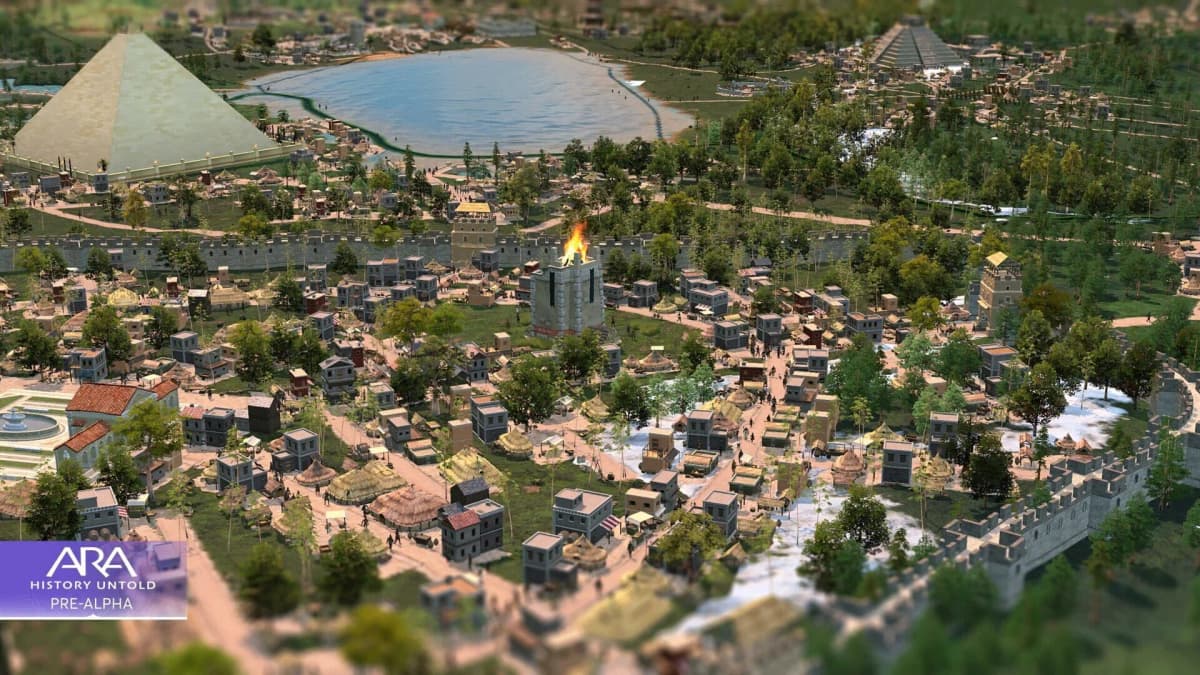
Ara: History Untold has always had a cool pitch: historical 4X without hexes, an orders-driven vibe, and a devotion to clean presentation. But at launch it felt like a promising framework missing some of the genre’s flavor. Revolutions-the massive, free 2.0 overhaul-finally fills in those gaps. It adds culture and influence as meaningful currencies, unique historical units for every civ (hello, Agitator), full leader and faction reworks, and a production system that aims to kill busywork without killing planning. That’s the kind of pivot you make if you’re serious about being more than “the Civ alternative you’ll try on Game Pass for a weekend.”
Key Takeaways
- Culture and influence unlock 40+ traits and let you push borders, creating new strategies (and new snowball risks).
- Every civ gets unique historical units, plus a full leader overhaul that finally differentiates playstyles.
- The new priority-and-quota production system targets micromanagement-potentially a game-changer if it’s transparent.
- AI personalities, smarter maps, and engine optimizations tackle the late-game slog that kills so many 4X runs.
Breaking Down the Big Changes
The headline is culture and influence. Culture isn’t just a passive stat; it feeds into influence, which you spend on more than 40 culture-based buffs and to push territorial boundaries past traditional limits. That’s a double win: it adds a meaningful mid-game resource puzzle and gives builders a way to shape empires beyond blunt settlers and war. The obvious question is balance—if influence sprawl lets leaders draw “absurdly efficient” borders, we’ll see some cheesy land grabs unless costs scale hard.
Then there’s the Agitator, a late-Renaissance unit designed to stir rebellion and ideological subversion in rival lands. It’s Civ’s loyalty pressure and spies merged with a clearer battlefield role, which could create delicious pressure in border towns. In multiplayer, this is going to be either a brilliant mind game or pure grief fuel depending on counterplay. The fact that every civ now fields its own unique historical forces helps, because it anchors these systems in distinct identities rather than generic spreadsheets.
The full leader and faction reworks might be the quiet MVP here. One of my early gripes with Ara was that leaders felt too similar, a problem Humankind also wrestled with before its own patches. With bespoke mechanics, traits, and abilities, leaders should finally nudge you into different openings and tech priorities. If Oxide nails synergy—leader kits that interact meaningfully with culture traits and influence spend—Ara’s replayability shoots up.
Less Busywork, More Strategy (If It’s Transparent)
The production overhaul is a bold move: ditch the old crafting queue and switch to a priority-and-quota system. In practice, you tell a city what resources to stockpile, in what order, and when to stop. Want 150 iron to burst out a military push, then pivot to amenities? Set the quota and let the economy hum. This is the kind of automation I love when it surfaces the logic. If the UI clearly shows tradeoffs and bottlenecks—what’s starving, what’s surplus—it will save hours of end-turn fiddling and turn macro planning into a joy. If it hides decisions behind opaque automation, though, players will fight the system instead of using it.
The bonus is flexibility. You can go full hands-off with unlimited production for your backbone goods or micromanage job states when things get spicy. For a game that markets “plan, then execute” instead of “queue, then pray,” this feels on-brand and overdue.
Want to Level Up Your Gaming?
Get access to exclusive strategies, hidden tips, and pro-level insights that we don't share publicly.
Ultimate Gaming Strategy Guide + Weekly Pro Tips
AI, Maps, and Performance: The Stuff That Kills (or Saves) Late Games
4X games live or die in the late game. Ara 2.0 promises smarter, more personality-led AI, plus map generation with realistic resource clustering and trade/competition rules. That last bit matters more than it sounds: clustered resources create natural friction and diplomatic leverage, not just pretty continents. If the AI understands when to integrate, embargo, or threaten, we’ll finally get mid-game tension without scripted nonsense.
Engine optimizations are also a big deal. Oxide’s tech pedigree (remember the Nitrous engine flex in Ashes of the Singularity) means they know performance. Faster turns and lower CPU load could prevent the classic 4X fate where your passion project becomes a chugging spreadsheet by turn 200. A reskinned, scalable UI is the cherry on top—especially for ultrawide and 4K players who don’t want to squint at tooltips.
The Bigger 4X Picture
Revolutions lands at the perfect moment. With Civilization 7 looming and Millennia and Humankind pushing the envelope in different directions, Ara needed a stronger identity. Ditching hexes always gave it a distinct feel; now culture/influence, unique units, and a clearer leader meta give it the systemic depth it lacked. The risk is bloat—40+ traits, civ uniques, and economic automation can devolve into “who memorized the meta.” The opportunity is a leaner, smarter 4X that rewards planning without forcing you to babysit every city.
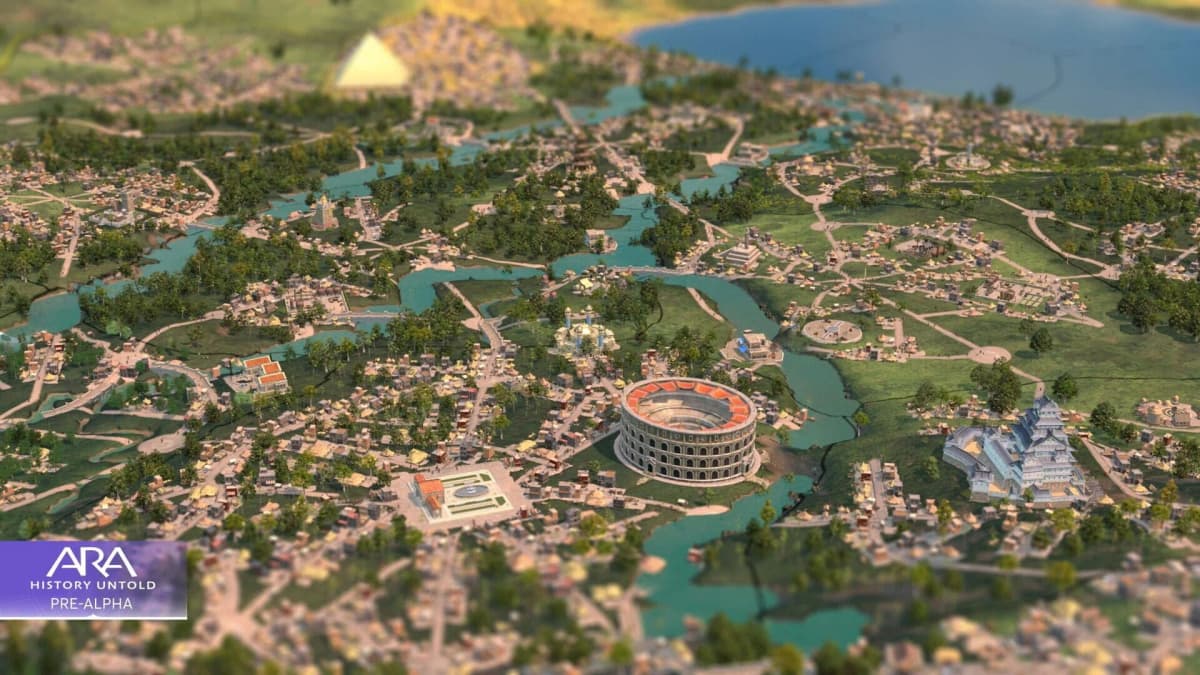
My read after digging into the notes: this is a genuine attempt to fix core design gaps, not a content dump. If you bounced off at launch because leaders blurred together or late-game turns dragged, 2.0 directly targets those pain points. If you loved Ara’s clean look and simultaneous planning, this keeps that DNA while adding the crunchy choices strategy fans want.
TL;DR
Ara: History Untold’s free 2.0 “Revolutions” update is the game’s real coming-of-age: culture and influence add strategic shape, unique units and reworked leaders add flavor, and production/AI/performance upgrades tackle the grind. It’s still got balance questions (Agitator grief, influence snowballs), but for anyone hunting a historical 4X that isn’t just Civ with new wallpaper, this is the moment to jump back in.