
Ara’s Living Strategy Overhaul Elevates 4X Experience
I’ll be honest: when Ara: History Untold first arrived in September 2023, it showed flashes of brilliance but often felt unbalanced and clunky. You might stumble onto a valley teeming with riches while your neighbor scraped by on empty hills. AI opponents lagged behind techno‐advances, and city micromanagement resembled a spreadsheet nightmare. On June 18, 2024, Stardock’s free Living Strategy update landed—and it’s so sweeping that it feels more like a sequel than a patch. Overnight, Ara transformed from a niche curiosity into a genuine contender for fans of Civilization and Humankind.
Table of Contents (13)
Ara: At a Glance
| Feature | Details |
|---|---|
| Publisher | Stardock |
| Developer | Oxide Games & Stardock |
| Original Launch | September 2023 |
| Living Strategy Update | June 18, 2024 (Free) |
| Paid DLC | Untold Scenarios ($9.99) |
| Genres | 4X Strategy, Grand Strategy |
| Platform | Windows PC |
Rebalancing the World: Fairer Maps & Resource Equity
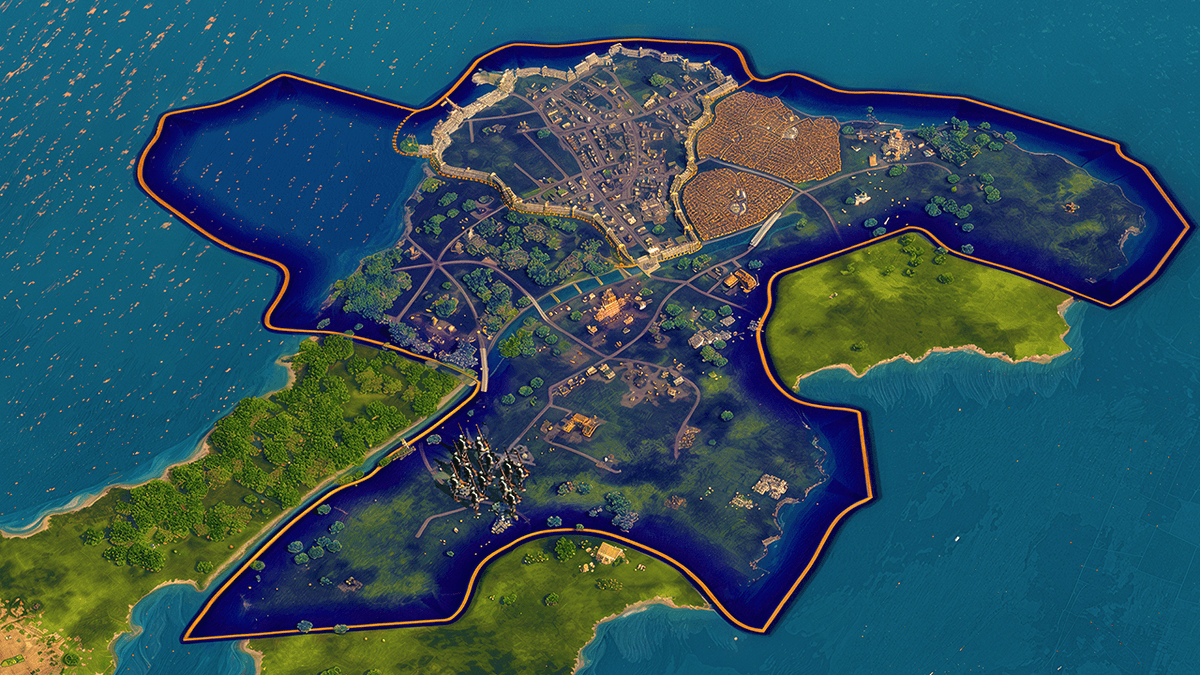
Early Ara maps ranged from resource-rich utopias to barren wastelands, making some games feel hopeless before they even began. With Living Strategy, map generation now aims for equitable spawns. Community testing reports far fewer “dry starts,” and most players see balanced clusters of food, production, and luxury resources within their initial borders.
What changed? The update refines placement algorithms to ensure diversity of terrain and resource types around every capital. As a result, opening builds matter again—expanding to claim a coastal chokepoint or a fertile river valley feels like a tactical choice, not a lucky jackpot.
That said, occasional terrain quirks still emerge on extreme map sizes. Some players note that desert-heavy maps can still starve an early city, and swamp clusters sometimes bottleneck unit movements. A future patch could tighten biome distribution further, but the overall shift toward fairness is undeniable.
Sharper AI Diplomacy & Warfare
Before the update, Ara’s AI often rushed massed units then stalled in research—failing to challenge late-game veterans. Now AI decision-trees factor in resource shortages, territorial pressure, and military parity before offering deals or drawing swords. Players frequently report reactive alliances, coordinated assaults, and genuine “surprise pincer” maneuvers that feel absent at launch.
Still, Ara’s diplomatic depth isn’t on par with Paradox classics. You won’t broker multi-tiered secret treaties or engineer century-long intrigues—but for a 4X baseline, the AI now feels consistently alert. In head-to-heads across large free-for-all matches, human contenders often find themselves double-teamed or diplomatically isolated, signaling a major leap from the early months.
Policy-Driven Citizen Management
Manual worker assignments once forced you to shuffle individual laborers every turn. Living Strategy replaces that grind with empire-wide policy sliders. Pick an “Agrarian Focus” to funnel citizens into farms, or flip to “Industrial Mandate” to boost factories. At era transitions you can reassign priorities, and the game automatically redistributes workers.
This automation doesn’t erase strategic nuance. Timing your policy switches to coincide with landmark technologies or new district unlocks can yield critical growth or production bursts. Some veterans compare it to Paradox’s automation toggles—robust, yet tied to meaningful choices.
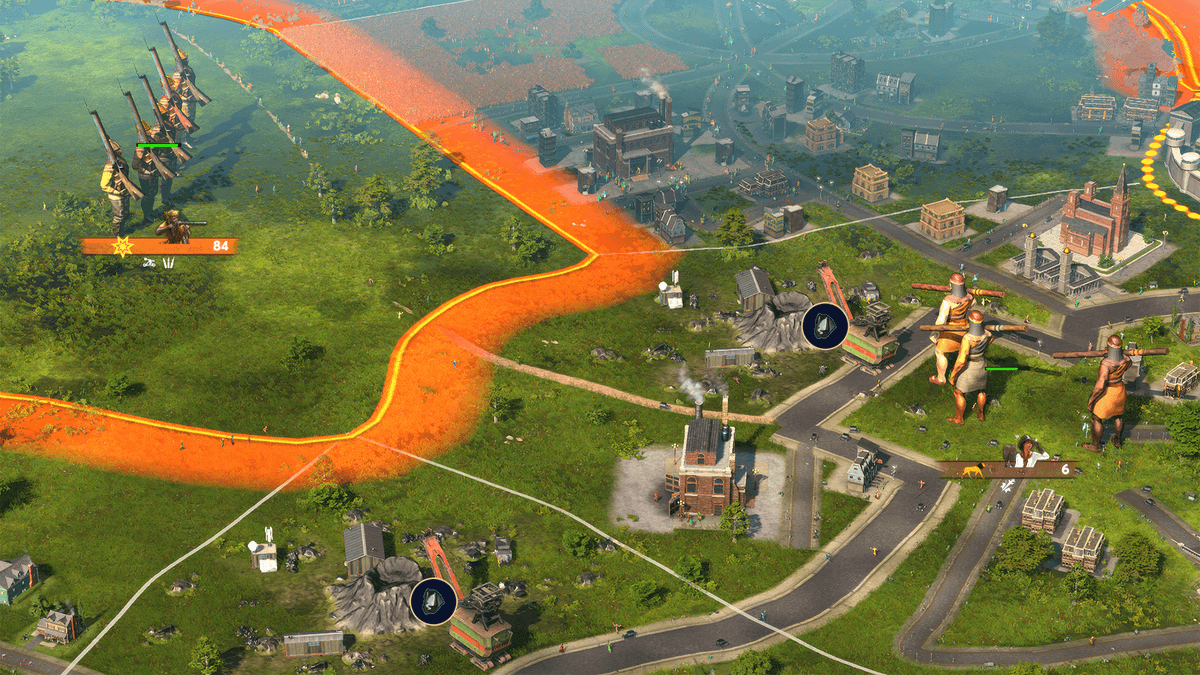
Minor caveat: policy effects aren’t always transparent in tooltips, and complex chains of bonuses can conceal hidden synergies. A more detailed in-game primer or community-curated guides would help newcomers harness the full system.
Visual & Performance Upgrades
At launch, zooming out over sprawling empires strained the engine, causing stutters and low frame rates. The Living Strategy update introduces improved culling, dynamic level-of-detail scaling, and partial mesh optimizations. Players report smoother late-game pans and higher sustained FPS, even on mid-range rigs.
- Detail Modes: You can toggle crowd animations and high-rise layers in modern districts for extra frames per second.
- Benchmarks: On a typical gaming desktop, high-end settings now hold a steady 50–60 FPS, up from shaky 30–40 FPS previously.
Caveat: ultra-high resolutions still push top-tier GPUs to their limits. If you’re gaming at 4K with maximum shadows and effects, expect occasional dips in sprawling late-game scenes.
Multiplayer & Faction Dynamics
Ara’s multiplayer lagged behind at launch, with dropouts and slow turn resolution frustrating group sessions. The update overhauled network code, reduced sync times, and improved hotspot caching—resulting in faster resolves for hot-seat and online matches. Fans of long-form campaign nights now report smoother eight-player free-for-alls.
On the faction front, Ara offers several empire archetypes—ranging from industrious city-states to militaristic confederacies. Each faction starts with unique bonuses to terrain, production, or diplomacy. While not as myriad as Humankind’s Cultural Origins, these archetypes set a clear playstyle direction. Community mods have already begun expanding faction rosters, promising even more asymmetry down the road.
That said, some players feel certain factions remain under-tuned. The early-game rush potential of warrior societies can overshadow slower civs, and diplomatic bonuses sometimes fall flat if AI partners undervalue your trade offers. Fine-tuning or balancing passes may be needed to ensure every faction shines in multiplayer leagues.
Pros & Cons
- Pros:
- Significantly fairer map and resource generation
- Noticeably smarter AI diplomacy and military tactics
- Streamlined policy-driven worker automation
- Meaningful performance and visual improvements
- Open mod framework fostering community creativity
- Cons:
- Terrain outliers still occur on extreme map types
- Some factions and policies need deeper tooltip clarity
- 4K ultra settings can dip in late-game megamaps
- Diplomatic options aren’t as rich as in grand strategy peers
Untold Scenarios DLC: Fresh Challenges
For $9.99, Untold Scenarios packs three curated modes that push you beyond the core sandbox:
- Accelerated Empires: A brisk Bronze Age rush with a tight city cap and turn limit.
- Disaster Cycle: Random calamities reshape the map at intervals, testing resilience.
- Merchant Republics: All-peace mode where commerce and alliances define victory.
Early feedback praises the pacing and novel objectives, though some players call for finer difficulty tuning and deeper AI trading behaviors. Modders are already adapting these scenarios, hinting at a thriving challenge-mode community.
Community Mod Ecosystem & Workshop Roadmap
Ara’s open mod design attracted immediate interest. With full access to core files and pending Steam Workshop integration, modders have released new leaders, balance overhauls, and even scenario packs. Community-curated toolkits promise asset imports and scriptable event chains in future roadmap phases, fueling long-term creativity.
Metrics to watch include total downloads, active mod lists, and monthly feedback polls. A robust modding scene could easily extend Ara’s lifespan beyond its boxed cycle—potentially rivalling elder 4X titles in community engagement.
Developer Roadmap & Future Updates
Oxide and Stardock’s public roadmap teases quarterly patches and content drops. Next on deck are AI tuning passes, expanded co-op modes, and a mid-term civic rework. Transparent patch notes and developer polls suggest a healthy dialogue with players, reminiscent of live events in Civilization VI.
A regular “State of the Game” livestream would further boost confidence. Given Stardock’s responsiveness so far, continued community interaction seems likely.
How Ara Stacks Up Against Rivals
Compared with Civ VI expansions, Ara’s free overhaul philosophy stands out. Firaxis typically locks major AI and map refinements behind paid DLC; Ara delivers those same upgrades without asking for extra dollars. Humankind innovated with culture chains but often felt militarily underpowered; Ara now blurs that line by coupling tactical warfare with strategic depth. Meanwhile, Old World excels at narrative events but limits map size—Ara counters with sprawling continents and emergent stories driven by player-crafted mods.
In short, Living Strategy refocuses on 4X pillars—fair starts, meaningful tech trees, and engaging AI—while slashing busywork and empowering community creativity. For those weighing Civ, Humankind, and Ara side by side, the free update shifts the competitive balance.
Advanced Strategy Tips
- Early Recon Runs: Scout distinct terrain types for adaptive city placement, ensuring balanced food and production yields.
- Era-Linked Policies: Coordinate policy switches with landmark techs—e.g., shift to “Scientific Consortium” just before your research district unlocks.
- Diplomatic Sells: Trade limited non-aggression pacts when AI hunger for gold peaks to fund your elite unit production.
- Scenario Mastery: In Disaster Cycle, build early resilience traits to survive calamity waves; in Merchant Republics, cluster marketplaces for caravan cascades.
Conclusion: A New Chapter for Ara
Ara: History Untold has shed its rough viability test phase and emerged as a top-tier contender in the 4X arena. The free Living Strategy update brings fairer maps, sharper AI, streamlined citizen management, and vital performance boosts. Coupled with the Untold Scenarios DLC, a burgeoning mod ecosystem, and a transparent developer roadmap, Ara is set for sustained growth.
Whether you’re a seasoned empire-builder or a newcomer seeking deep strategic layers, Ara now offers a robust, evolving playground. Keep an eye on upcoming co-op features, mod-driven challenges, and live dev streams—if Stardock and Oxide maintain this momentum, Ara will stand shoulder-to-shoulder with genre greats for years to come.
FinalBoss // Gear
Level up your setup
01Top-rated gaming headsetson Amazon→02High-refresh gaming monitorson Amazon→03Gaming chairson Amazon→04Discounted game keyson Kinguin→Affiliate links · As an Amazon Associate, FinalBoss earns from qualifying purchases.
Want to Level Up Your Gaming?
Get access to exclusive strategies, hidden tips, and pro-level insights that we don't share publicly.
Ultimate Gaming Strategy Guide + Weekly Pro Tips