
Arc Raiders Dev Says “In No Way” Uses Generative AI for Visuals — Here’s What’s Actually Automated
Game intel
Arc Raiders
ARC Raiders is a multiplayer extraction adventure, set in a lethal future earth, ravaged by a mysterious mechanized threat known as ARC. Enlist as a Raider and…
The Real Story Behind Arc Raiders’ AI Talk
This caught my attention because AI discourse around games is a mess of buzzwords and hedging, and Arc Raiders is launching into an extraction shooter scene that’s already walking a tightrope. Embark’s design director Virgil Watkins says, “Arc Raiders in no way uses generative AI whatsoever,” then clarifies they use machine learning and reinforcement learning for multi-legged drone locomotion and a text-to-speech system (with contracted voice actors) for in-game callouts. So what’s hype, what’s real, and what does it mean for us playing the thing?
- No generative AI was used for Arc Raiders’ visual art, according to Embark.
- Machine learning/reinforcement learning power the movement of larger, multi-legged drones.
- Arc Raiders uses a text-to-speech model trained with contracted voice actors to generate item, location, and compass voice lines on the fly.
- Embark’s CEO says AI/ML also touch parts of the content pipeline and tooling, alongside procedural generation.
Breaking Down the Announcement
Watkins’ blanket “no generative AI whatsoever” line raised eyebrows because the studio also confirms a text-to-speech system-clearly a generative model-is in the game. The intent, he later stresses, is that no generative AI contributed to Arc Raiders’ visuals. Audio is another story: like in The Finals, Embark contracts voice actors and uses their approved likenesses for a TTS system that can speak every item and location without dragging actors back into the booth for every balance patch.
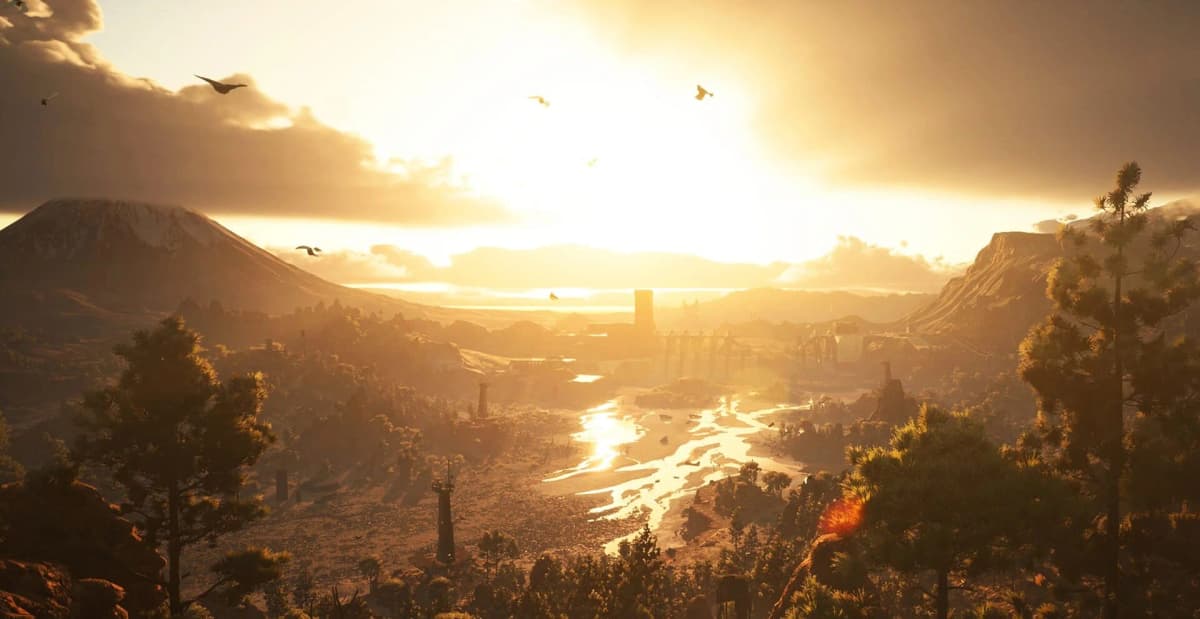
That nuance matters. The Steam page’s AI disclosure likely looks vague because Valve now asks studios to declare how AI is used-even if it’s behind the scenes. So yes, AI is part of Arc Raiders’ toolset, but the striking 70s-synth sci-fi vibe and scratch-built raider gear aren’t Midjourney’d into existence. If you were worried the album-cover aesthetic came from a prompt, Embark is explicitly saying no.
What This Changes for Players
The TTS angle is the practical one you’ll notice most. It’s how the ping system can rattle off “Scrap Coil, southwest” or read out a new weapon name the day it’s added. In The Finals, some players felt the synthetic delivery broke immersion; others loved the clarity. I’m curious where Arc Raiders lands: does the radio-filtered vibe mask the TTS edges, or will it sound like a GPS barking at you mid-firefight? Ideally there’s a mix slider or a way to bias toward fewer spoken callouts if you prefer radio silence.
On the AI locomotion front, reinforcement learning for multi-legged drones could actually be a win. If you’ve ever fought spider-bots that snap between canned animations, you know how uncanny that feels. RL-driven gait can keep them grounded to terrain and sell the weight of a mech clambering over rubble. The tradeoff is readability: in a PvPvE extraction game, enemy behavior needs to be learnable. If the bots feel too erratic, good luck parsing a sound cue when a pack crests a hill. We’ll be watching whether Embark’s “smarter movement” reads as fair rather than chaotic.
Industry Context: Embark’s Toolbox and the Extraction Scene
Embark is stacked with ex-DICE talent, and their first release, The Finals, showed a studio obsessed with tooling and iteration—slick movement, hefty destruction, and a fast content cadence. CEO Patrick Söderlund talking up “procedurally generated content” and “AI in the content creation pipeline” is consistent with that ethos. That doesn’t necessarily mean AI is spitting out final art; it can mean smarter asset tagging, layout prototyping, or batch processing animation blends. The key is whether those tools help developers make better-feeling games rather than cheaper-looking ones.
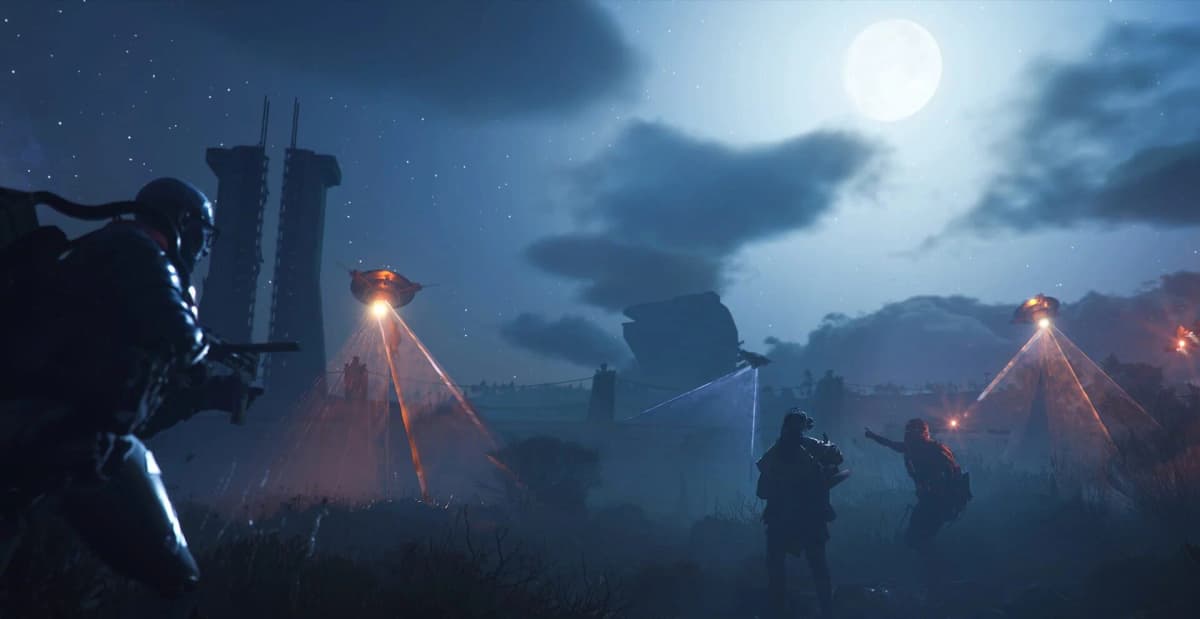
Arc Raiders is also arriving at an interesting moment for extraction shooters. The genre’s punishing loop turned niche darlings like Tarkov into phenomena, but it’s a tough sell for newcomers—The Cycle: Frontier fizzled, DMZ stalled, and Dark and Darker found its audience by twisting the formula. Arc Raiders’ pitch of “optional wipes” and softer recovery paths is the right kind of accessibility if it keeps tension without annihilating progress. If Embark nails that balance and the AI-powered systems help the world feel alive rather than automated, they might have the first truly mass-market extraction hit.
What Still Needs Clarity
There are a few open questions worth flagging. If TTS is a core pillar, how are the actors compensated as new content rolls in—flat fee, usage-based, or something more modern? Can players tell which lines are synthetic versus traditionally recorded? And on the art side, it’s good to hear “no generative visuals,” but “AI in the pipeline” can mean many things. A straightforward blog breakdown—what’s ML-assisted versus artist-authored—would go a long way in a climate where trust is fragile.
FinalBoss Take
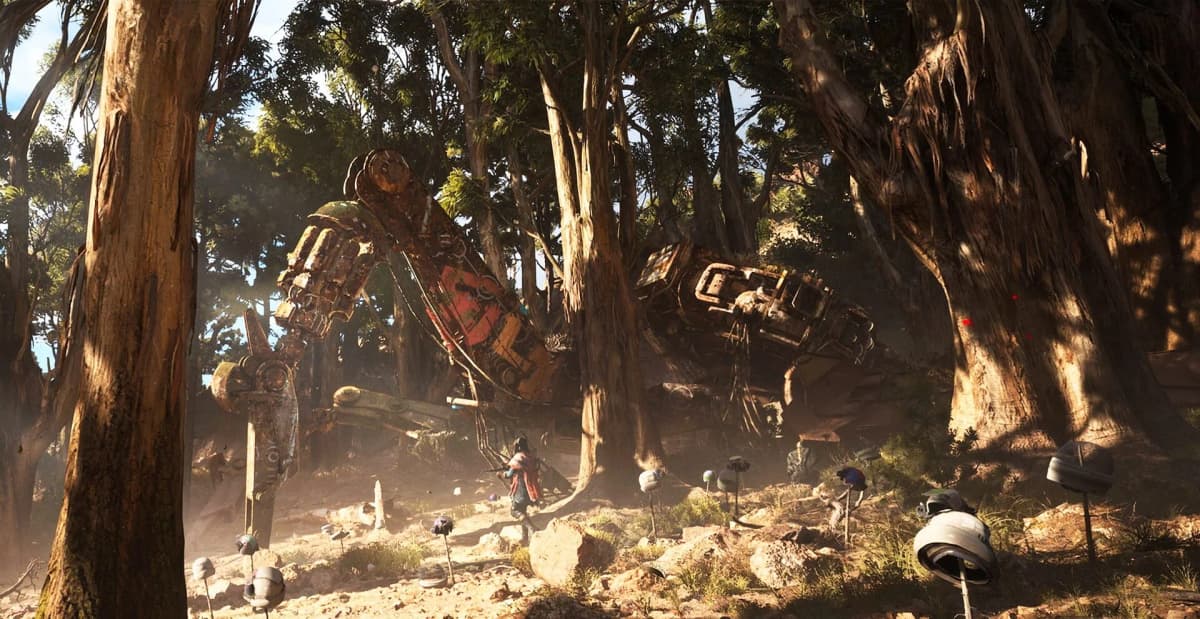
I’m glad Embark drew a hard line around the game’s look. Arc Raiders’ aesthetic sings because it feels authored, not auto-filled. Using ML to make big robots move like they have mass and using TTS to keep comms current? That’s the kind of automation I can live with—if it enhances play and respects the people whose voices and craft are in the mix. The studio’s track record suggests tech in service of game feel. Now it’s on Arc Raiders to prove it in the field.
TL;DR
Embark says no generative AI was used for Arc Raiders’ visuals. The game does use machine learning for multi-legged drone locomotion and a contract-based text-to-speech system for in-game voice lines. If those tools make firefights clearer and enemies more believable without undercutting artistry or voice talent, that’s a win for players.