
Arc Raiders just made its Expeditions system a lot more honest. If you want the big rewards now, the game wants you out in the field dealing damage, not sitting on a dragon’s pile of loot and gaming a stash-value formula. That one change matters more than the patch-note wording suggests, because it tells you exactly what Embark wants this extraction shooter to be: more active, more aggressive, and a lot less tolerant of passive optimization.
- Starting with Expedition 3, the five permanent skill points are earned through damage dealt during the five-day event window, not by ending with a huge stash valuation.
- The challenge applies automatically to anyone on their first, second, or third Expedition once they complete the Caravan project, and damage from PvE and PvP both counts.
- Embark is pairing this with major skill-tree revisions after openly admitting too many skills underperform or simply “kind of suck,” which is refreshingly blunt by industry standards.
- The real goal is obvious: stop rewarding hoarding behavior and push players into actually using their gear, taking fights, and engaging with the game instead of spreadsheeting around it.
Table of Contents (6)
This is less a reward tweak than a philosophy change
The headline change is simple enough. Expedition 3 runs from April 28 to May 4, 2026, and its core reward structure now hinges on damage dealt during that five-day window. If you complete the Caravan project, you’re in. No extra sign-up dance, no weird opt-in checkbox, no excuse for missing the system. Damage from any weapon or gadget counts against any valid target in PvE or PvP, with the practice range excluded because apparently someone always asks.
What matters is why Embark did this. The old stash-value model rewarded behavior that extraction shooters always struggle with: hoarding, risk aversion, and end-of-event accounting tricks that don’t feel anything like actually playing the game. It created the kind of meta where the optimal move wasn’t necessarily to take smart fights or push objectives. It was to preserve value, stockpile gear, and nurse the number upward. Efficient? Sure. Exciting? Not remotely.
Embark has basically looked at that and said: enough. If Arc Raiders is going to sell itself on tension, raids, and emergent encounters, then progression has to reward participation in that fantasy. Damage-based scoring is blunt, but blunt is sometimes what a game needs when players have already found the least interesting path to power.
The uncomfortable part: this could make Expeditions nastier fast
There’s a tradeoff here, and pretending otherwise would be PR copy. Tying permanent rewards to damage output is very likely to make Expedition weeks more violent, sweatier, and more openly predatory. That applies to PvP in obvious ways, but it also changes how players treat PvE spaces. If damage is the currency, then every encounter becomes an opportunity to farm progress, and every player becomes a potential interruption or bonus.
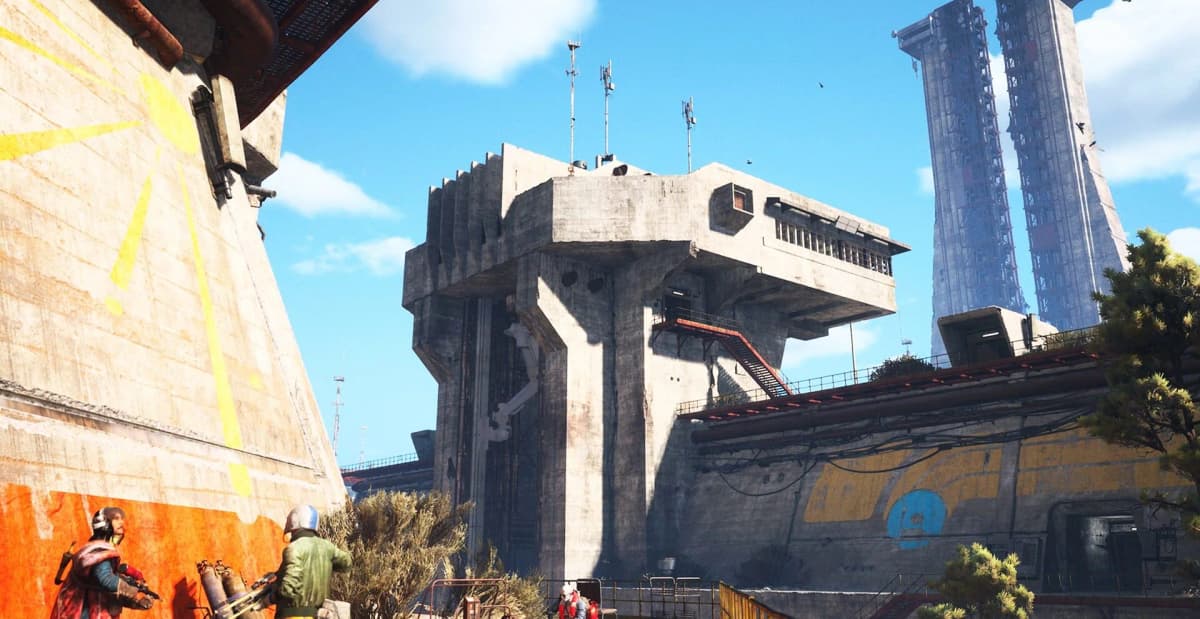
That could be great for moment-to-moment energy. It could also create a week-long bloodbath where lower-skill or lower-gear players feel like they’ve been tossed into a woodchipper built by min-maxers. Extraction shooters live and die on how they balance tension with fairness. Push too hard toward pure combat throughput and you risk flattening the parts that make the genre work: stealth, scavenging, improvisation, and deciding when not to fight.
If I were asking Embark the uncomfortable question, it would be this: how do you stop “deal damage” from becoming “bully the easiest targets all week”? Because that’s the loophole players will immediately test. Not because players are evil. Because players are players, and they will optimize whatever you put in front of them.
The skill-tree admission is the bigger story hiding behind the event
The stronger signal here might actually be Embark admitting the skill tree needs “significant changes.” That matters because progression systems can survive being stingy, grindy, or awkward for a while. What they can’t survive is feeling meaningless. When a design director publicly says a lot of the skills effectively aren’t landing, that’s not minor tuning. That’s a studio acknowledging one of its core long-term hooks didn’t connect.

And honestly, good. More studios should say that part out loud instead of hiding behind “ongoing balance evaluation” while everyone pretends dead perks are part of some grand strategic ecosystem. If Embark is revising skills to make choices matter more across both PvE and PvP, that pairs naturally with the Expedition overhaul. A more active reward loop only works if the build decisions feeding it are actually interesting.
There’s also a catch-up layer still tied to stash value for missed points from returning expeditions, reportedly at 300,000 coins per point. That’s smart. It means Embark isn’t completely deleting the economic side of progression; it’s just demoting it from main event to recovery mechanic. In other words, stash management still matters, but it’s no longer supposed to overshadow combat engagement.
Embark is trying to solve a classic extraction-shooter problem
This isn’t happening in a vacuum. Extraction shooters keep running into the same wall: the fantasy says danger, adaptation, and split-second decisions, but progression systems often reward caution to the point of boredom. Players don’t just follow the intended fantasy; they follow the incentives. If the incentive says hoard, they hoard. If it says poke the safest target for progress, they’ll do that too. Design is destiny.
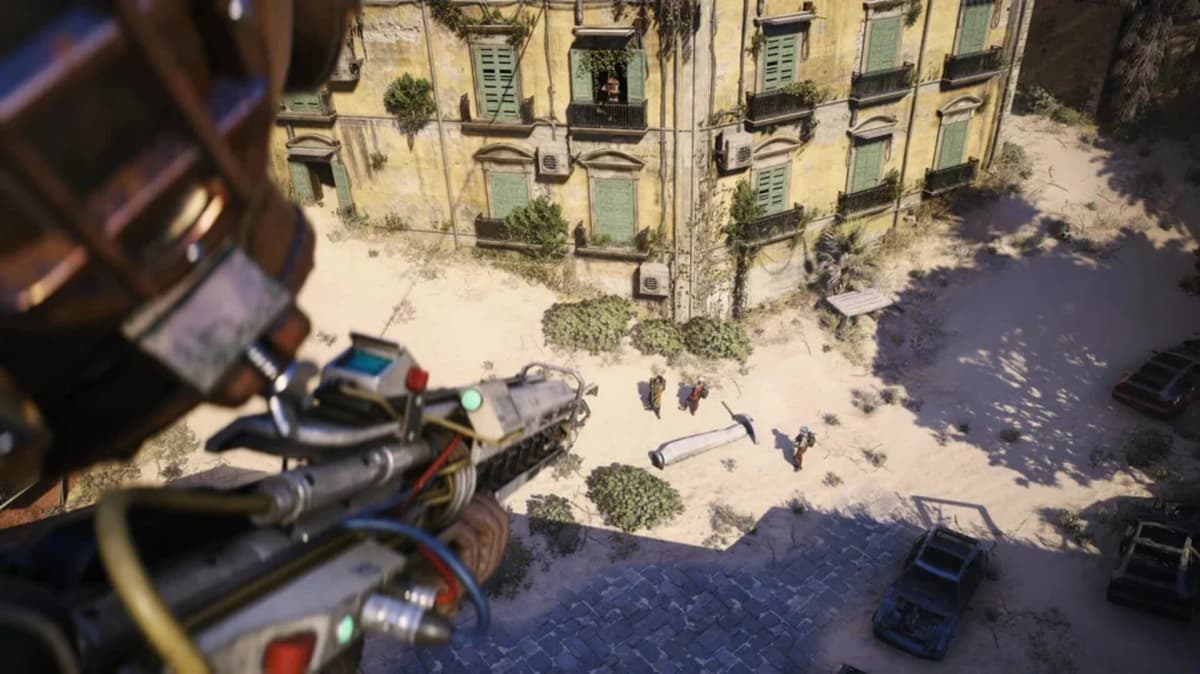
That’s why this Arc Raiders change is more important than it looks. Embark is trying to align the incentive structure with the pitch. The Flashpoint-era messaging around environmental hazards, coordination, and tougher threats already suggested a game leaning harder into active field play. This Expedition redesign fits that direction perfectly. The studio wants players moving, fighting, spending resources, and making hard choices under pressure. Not curating a retirement fund in menu screens.
The risk is that the new system overcorrects. Damage dealt is cleaner than stash value, but it’s still a crude metric. It measures output, not judgment. If Arc Raiders wants lasting progression that feels fair, Embark will eventually need to reward contribution in a broader sense than raw harm numbers. For now, though, this is a sensible correction to a system that was clearly producing the wrong kind of play.
What to watch next
- April 28 to May 4 is the first real test. Watch how quickly player behavior shifts once damage becomes the path to five permanent skill points.
- Pay attention to whether PvP complaints spike around farming weaker players or third-partying every fight in sight. That will tell you if the incentive has gone too far.
- The bigger checkpoint is the skill-tree rework itself. If Embark fixes the weak perks and sharpens build identity, this overhaul could feel like the start of a cleaner progression model instead of a one-off event gimmick.
TL;DR
Arc Raiders Expeditions now award their key permanent skill points based on damage dealt during the event window instead of stash value, starting with Expedition 3 on April 28. That’s Embark admitting the old system rewarded the wrong behavior and pairing the fix with a broader skill-tree rethink. The thing to watch is whether this creates better action-driven progression or just a more efficient kind of chaos.
FinalBoss // Gear
Level up your setup
01Top-rated gaming headsetson Amazon→02High-refresh gaming monitorson Amazon→03Gaming chairson Amazon→04Discounted game keyson Kinguin→Affiliate links · As an Amazon Associate, FinalBoss earns from qualifying purchases.
Want to Level Up Your Gaming?
Get access to exclusive strategies, hidden tips, and pro-level insights that we don't share publicly.
Ultimate Editor's Pick Strategy Guide + Weekly Pro Tips