
The setting you need is PvE Only, in the lower-left area of the normal map-selection screen. Enable it, choose an available map or map condition, then queue as a solo, duo or trio. Turn the toggle off when you want to return to standard PvPvE matchmaking.
Use the beta to learn an extraction route before loading up on loot, particularly on Pendola Pass. ARC enemies remain active, and other Raiders can still interfere through physical contact, so removing player gunfire does not make every extraction safe.
Table of Contents (9)
PvE beta dates, access and restrictions
The PvE-only matchmaking test runs October 13-20, 2026, across PC, PlayStation 5 and Xbox Series X|S. It follows the Frozen Trail update, released October 8. The free-access trial ran October 8-12; its dates are separate from the PvE test window.
The toggle changes matchmaking and disables player-to-player damage while retaining ARC combat, exploration, looting and progression. Other human Raiders remain in the session, including players outside your squad.
- Solo, duo and trio entries are supported. You can bring friends or enter alone and encounter other players during the raid.
- Night Raids, Hidden Bunkers, Locked Gate and Frigate are excluded. Plan practice around the locations and conditions available through the toggle.
- PvE loot is slightly less valuable than PvPvE loot. Route learning, quests and resource collection are stronger reasons to enter than maximum-value farming.
- PvE sessions do not change your PvPvE matchmaking rating. Returning to the standard queue keeps that rating separate from your beta runs.
Watch ledges and extraction boarding points. Bull-rushing and shoving can still move players away from loot or extraction, or push them off an edge. Keep room to step away rather than crowding another Raider at a drop.
Learn Pendola Pass around its extraction system
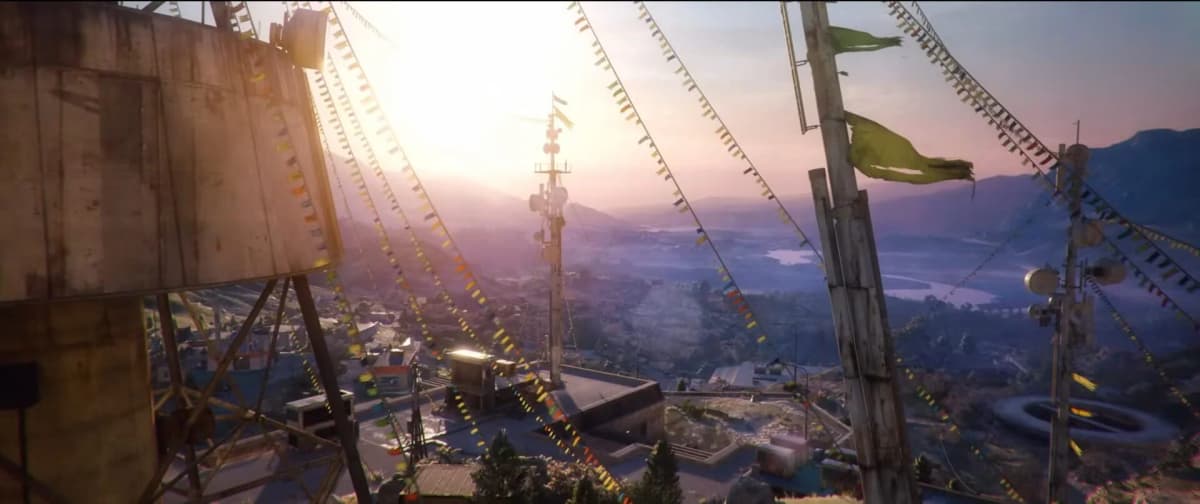
Pendola Pass requires a level-progression unlock. A friend who already has access can also invite you into their squad. Once inside, make the gondola extraction your first learning objective: knowing where you entered a fight is less useful if you cannot get your loot out afterward.
Activate an extraction transceiver to call a ballistic gondola. It lands 100-150 metres from the transceiver, with green smoke marking its position. Study the ground between those two points: nearby cover, changes in elevation and any ARC pressure along the approach. Staying beside the transceiver will leave you waiting in the wrong place.
A gondola holds three passengers, and its departure timer shortens once somebody boards. Gather your squad near the landing point before the first player gets in. When helping Raiders outside your squad, account for the available seats rather than assuming everyone can leave together.
You can also ride on top of a gondola or hang onto it with the Grappling Hook. Rehearse those approaches before depending on them with valuable loot, especially if your normal boarding route is under ARC pressure.
Build your exploration route around shelter as well as extraction. Flash Freeze forces players to escape the cold on Pendola Pass, so identify covered stops while travelling between landmarks. A fast outdoor route can become a poor choice when the weather changes.
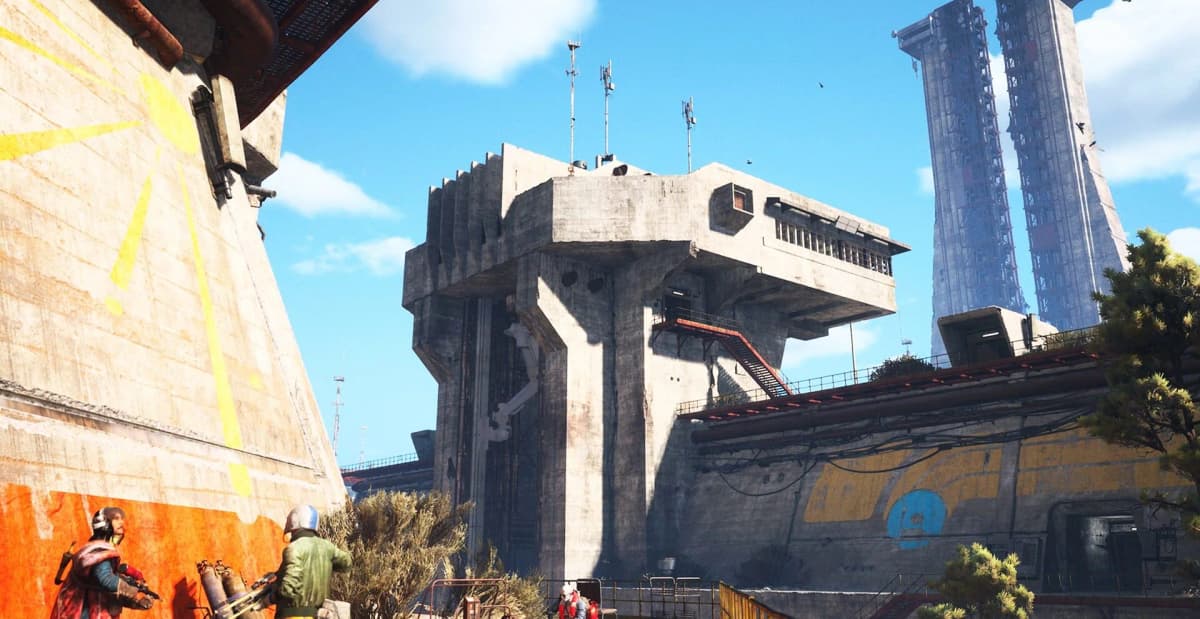
Pay particular attention to bushes and corners when learning ARC encounters. Skulkers hide in those spaces, reposition frequently and can flank from unexpected angles in groups. Have one player watch the approach while another searches or loots; everyone looking into the same container gives them room to move.
Use co-op to teach routes and practise recovery
For a three-player teaching run, split attention between navigation, looting or quest interactions, and watching for ARC movement. Rotate those jobs so the less experienced player learns the route instead of following someone else throughout the raid.
Demonstrate a landmark-to-shelter route, then let the learner lead the return journey and locate the extraction approach. That exposes gaps in map knowledge while the squad can still correct them, rather than discovering the problem during a rushed departure.
Keep revive practice tied to cover and enemy pressure. ARC enemies can finish off moving downed players, so a downed teammate still needs a deliberate recovery plan. Call the revive position and cover the approach instead of treating the absence of hostile players as permission to rush straight in.
Rehearse keyroom ambushes from both sides
PvE is useful for learning the geometry of a keyroom fight: the opening interaction, exposed approaches, nearby holding positions and the distance to an escape route. Choose a keyroom accessible during the beta; Hidden Bunkers and Locked Gate remain outside the test.
Start with the approach. Reach the room from two directions and identify where each route first exposes you to its entrance. Watch how long the opening interaction keeps a player occupied, then place a teammate where they can cover an approaching squad without standing beside the person opening the room.
Study the ambush position. Look back toward the entrance from nearby cover and elevation changes. Find the spot that offers a clear view of an arriving team, then check its weakness: a second approach, a blocked retreat or ARC activity that forces the holder to move. This teaches you where to check when entering the same area in PvPvE.
Rehearse the exit. Approach as though another squad already controls the room, call the likely threat angle and withdraw to your chosen fallback position. Repeat from the alternate approach. The useful result is knowing where your squad can move when the expected route is blocked.
Keep these drills within your squad. With player damage disabled, firing at another Raider cannot measure whether your opening shot, weapon choice or follow-up would win a real fight.
October 17, 2026 beta update: reported Update 2.1 changes
The Update 2.1 details relevant to these practice runs concern footsteps, Grappling Hook movement and Pendola Pass collision. Revisit routes learned before the update, particularly those that depend on a precise landing or a clear audio cue.
Footsteps and surface audio
The reported adjustments reduce excessively loud outdoor footsteps, rebalance volume across surfaces and correct footstep and impact sounds around Pendola Pass station canopies.
For keyroom preparation, have a teammate repeat the same approach across outdoor ground, an elevated walkway and an interior transition while you listen from one fixed position. Test the actual surfaces around your chosen holding spot rather than assuming every approach is equally audible. Friendly movement can teach the local soundscape, but it cannot reproduce an opponent deliberately stopping or using noise as bait.
Grappling Hook traversal
The reported Grappling Hook changes improve vaulting onto ledges and roofs, auto-vaulting at the top of rope climbs, and the end of a swing over walkable ground.
Use PvE to repeat the roof entry or rope climb you intend to use in PvPvE. Check where the landing leaves you facing, how much cover you have on arrival and where you can retreat if the destination is occupied. A successful climb still needs a usable position at the top.
Pendola Pass terrain and collision
The reported terrain work addresses gaps, clipping and difficult traversal spots, including a Railyard location where jumping or auto-stepping did not work as expected.
Walk your fallback route in both directions, including its smallest steps and ledges. An escape path that depends on one awkward piece of geometry needs a second exit before you take it into PvPvE.
When to return to PvPvE
Switch back once you can reach the keyroom, identify likely holding angles and leave through an alternate route without stopping to navigate. Standard raids are where you practise winning gunfights, reading unpredictable movement, handling third parties and deciding whether a sound signals a push or a trap. PvE rehearses the route; player opposition tests whether you can use it under pressure.
FinalBoss // Gear
Level up your setup
01Top-rated gaming headsetson Amazon→02High-refresh gaming monitorson Amazon→03Gaming chairson Amazon→04Discounted game keyson Kinguin→Affiliate links · As an Amazon Associate, FinalBoss earns from qualifying purchases.
Want to Level Up Your Gaming?
Get access to exclusive strategies, hidden tips, and pro-level insights that we don't share publicly.
Ultimate Guide Strategy Guide + Weekly Pro Tips