
Archrebel Tactics Brings Back True AP Tactics—Here’s Why That Matters
Game intel
Archrebel Tactics
Archrebel is a sci-fi turn-based strategy war game, strongly inspired by the classic Rebelstar released back in 1986. In Archrebel, players can control a few d…
Old-School Action Points With Modern Brains-Sign Me Up (Cautiously)
MicroProse just announced it’s publishing Archrebel Tactics, a retro-inspired, turn-based sci-fi strategy game built by solo dev Fernando Pereira (aka Ularis Bader). What grabbed me instantly: this isn’t another two-actions-per-turn tactics clone. It’s a true action-point system in the lineage of Rebelstar, Laser Squad, and early X-COM, with a modern pass at pacing and campaign structure. If you’ve ever burned half a mission creeping across a farmhouse in UFO Defense, you know exactly why that matters.
- Real AP tactics with a “Travel Mode” to fix the dead time on big maps.
- Player-driven campaign with factions, consequences, and branching outcomes.
- Procedural missions, editor, and unit progression promise replayability-but AI and map variety will make or break it.
- Solo-dev passion project under MicroProse’s wing: ambitious scope, so expect some edges at launch.
Breaking Down the Announcement
Archrebel Tactics drops you on Kaprical, a colony world under a secretive authoritarian faction. Between hostile human forces and angry indigenous wildlife, you’re leading a resistance across a campaign that lets you choose mission order, court one of three factions, and deal with the results of your choices. That framing is very X-COM meets STALKER-just with a cleaner, grid-based battle layer and an emphasis on destructible terrain.
The combat pitch is simple but smart: classic action points with modern quality-of-life. Multi-selection sounds small, but anyone who’s wrangled a 12-soldier squad to shuffle into cover knows it’s the difference between crunchy tactics and carpal tunnel. The headline tweak is “Travel Mode,” which lets units cross big chunks of the map in one turn. If that means “sprint until contact, then snap back to fine-grained AP control,” it could finally solve the eternal AP slog without ditching the nuance that AP systems allow—reserving just enough points to pivot, reaction fire, or duck back behind hard cover.
There’s a big nod to sandbox play: partially procedural missions, a standalone mission generator, and even an editor. That’s catnip for the community that kept classic X-COM and its spiritual successors alive with mods and custom scenarios. But “endless replay value” only sticks if the AI can exploit sightlines, flanking, suppression (if present), and terrain destruction intelligently—otherwise you’re just rolling new dice on old tricks.
On the destruction front, enemy compounds have indestructible walls while the general terrain is largely destructible. That’s a design call that cuts both ways. Indestructible walls can preserve the intended infiltration puzzle (and protect performance), but they also risk funneling every breach into predictable choke points. The original X-COM played with this via UFO hull materials being tougher than dirt; if Archrebel threads that needle—terrain as a tool, compounds as set-piece challenges—it could work. If not, expect a lot of “samey” door fights.
Industry Context: We’ve Been Here, But Not Quite Like This
Most modern tactics games ditched AP for the cleaner two-action model (think XCOM 2, Midnight Suns, even Jagged Alliance 3 tweaked its classic feel). Phoenix Point tried to split the difference and got closer, but still felt torn at times. A fully committed AP system in 2025 is bold—and welcome—because AP excels at micro-positioning and turn economy trickery: reserving points for reaction fire, crawling one tile more to peek, nudging a grenade arc for the perfect bounce. If Archrebel nails the UX (quick previews of AP costs, clear LoS/LoF, snappy animations), it could scratch an itch a lot of us still have.
MicroProse publishing also matters. Since its revival, the label has leaned into crunchy, enthusiast-first strategy and sim projects like HighFleet and Ground Branch. That generally means the audience gets it, but it doesn’t guarantee a smooth launch. With a solo developer carrying decades of passion—Pereira calls this his third complete redesign since 2010, inspired by Julian Gollop’s early work—scope control is key. Better a tight, replayable 20-hour campaign with a strong mission generator than a sprawling, unfocused sandbox.
What Gamers Need to Watch For
- AP Clarity and Pacing: Travel Mode sounds great, but ambush logic matters. Sprinting into fog-of-war shouldn’t auto-feed you into overwatch traps.
- AI Behavior: Do enemies flank, use destructible terrain creatively, and coordinate with wildlife as a true third party—or just zerg rush?
- Campaign Consequences: Aligning with factions is only interesting if it unlocks meaningful loadouts, mission types, and tactical asymmetries—not just +5% to hit.
- Editor Depth: Can players build multi-stage raids with custom objective logic, or is it just changing biomes and spawn points?
- UI/UX Polish: AP previews, cone/arc indicators, and quick inventory swaps are the difference between “classic” and “clunky.”
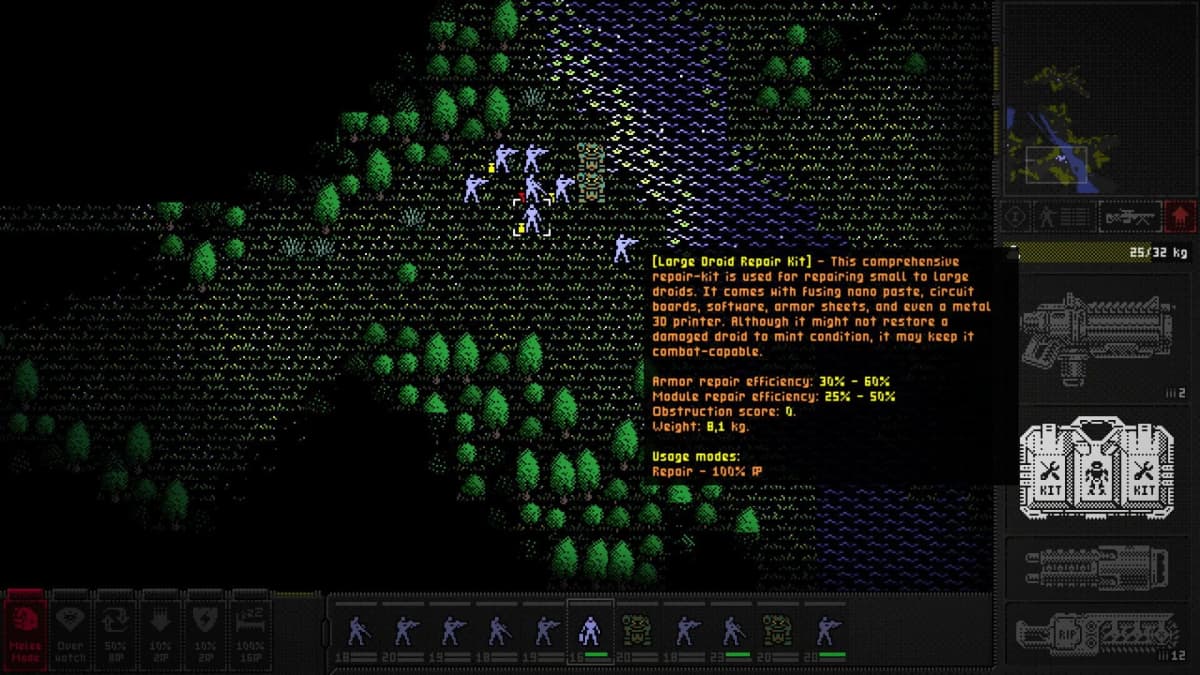
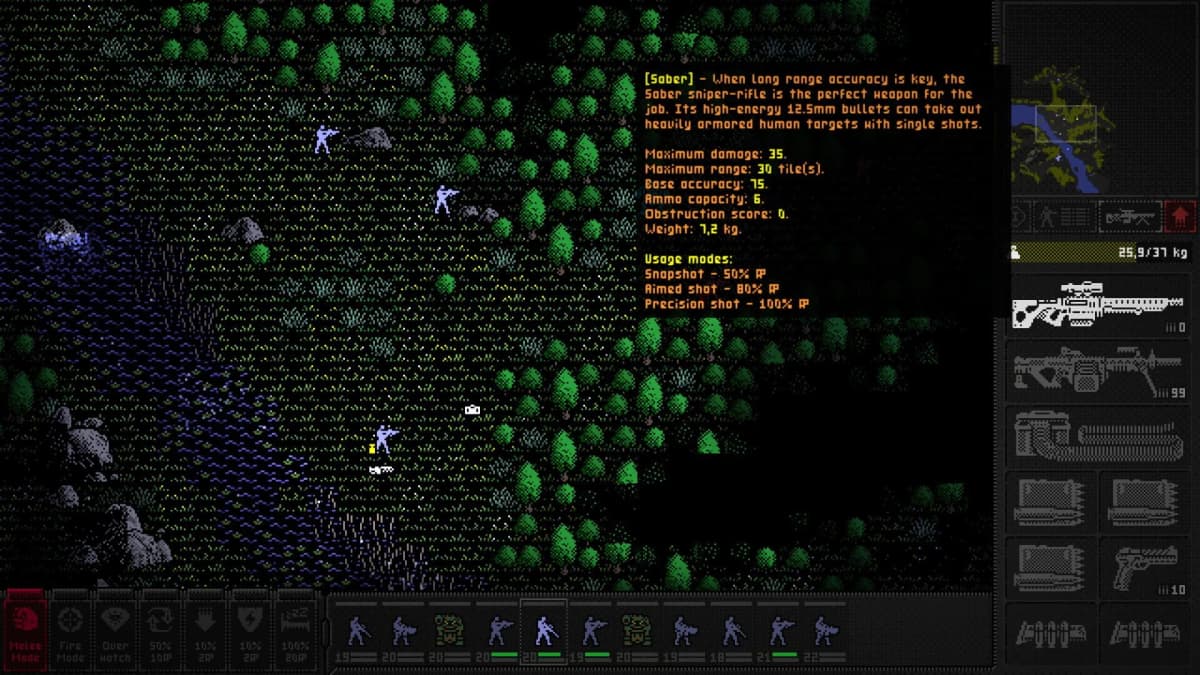
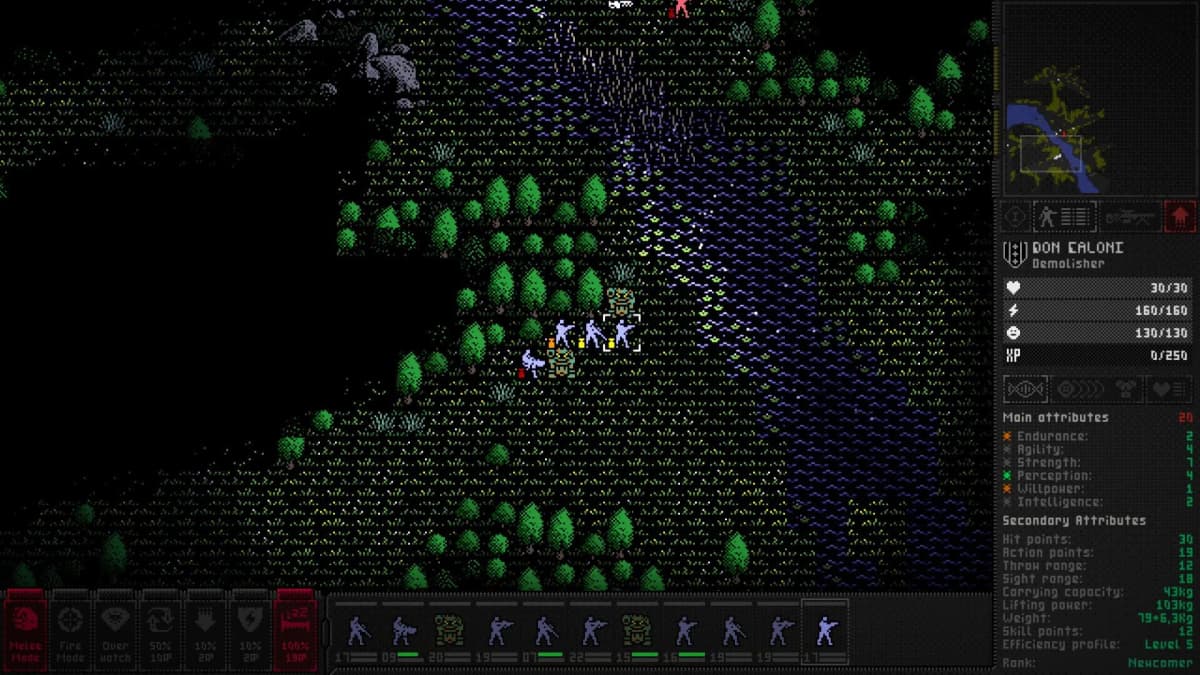
The retro pixel-art look with bone-based animation and shader touches feels right for the heritage Archrebel is chasing. But art style won’t carry a tactics game alone. Weapon feedback, audio cues for overwatch triggers, and clear state communication (pinned, bleeding, suppressed if those exist) are the real immersion anchors for this genre.
Looking Ahead
There’s no firm release date yet beyond “wishlists open on Steam,” so consider this the heads-up to keep Archrebel Tactics on your radar. If Pereira and MicroProse can deliver a brisk, legible AP system with a campaign that actually bends to your choices, this could be the sleeper tactics hit that old-school fans keep asking for. If it ships with the usual procedural-mission pitfalls—repetitive layouts, passive AI, and paper-thin factional flavor—it’ll be another “almost” in a crowded field.
This caught my attention because AP tactics done right still haven’t been surpassed for raw tactical freedom. Give me the option to bank points, bait reaction fire, and carve a new path through the terrain, and I’m happy. Just don’t make me fight the interface to get there.
TL;DR
Archrebel Tactics is a proper AP-based strategy throwback with modern pacing ideas and a player-driven campaign. It looks promising under MicroProse, but its success hinges on smart AI, clear AP UX, and whether its procedural tools offer genuine variety—not just endless remixes.