
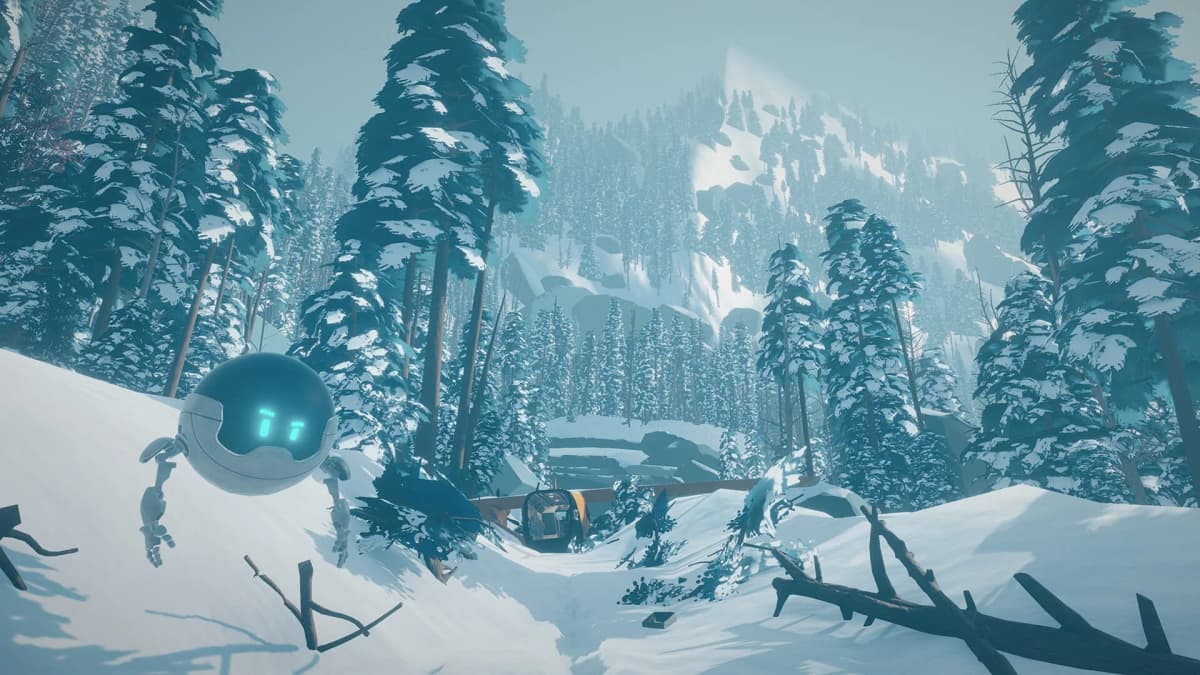
Arctic Awakening Locks In September Release — Narrative Survival With a Talking Therapy Bot
Game intel
Arctic Awakening
A first-person narrative adventure set in the unforgiving Arctic. Your plane crashed in a storm, leaving only your court-mandated therapy bot for company as yo…
Why This Announcement Caught My Eye
Another snowbound survival story doesn’t automatically move the needle in 2025-The Long Dark, Kona, and South of the Circle already mined a lot of that ice. But Arctic Awakening grabbed me for two reasons: it’s a pivot for GoldFire Studios (better known for browser-based MMOs), and it’s aiming squarely at that Firewatch-style narrative heart with an AI therapy bot riding shotgun. That’s a risky mix. If it lands, we could get a character-driven survival mystery instead of yet another crafting checklist in a snowstorm.
- Launches September 18, 2025 on PC, PlayStation 5, and Xbox Series X|S.
- First-person narrative adventure with survival elements and a focus on relationships.
- Dynamic weather and “veiled structures” suggest environmental puzzles over grindy crafting.
- Voice leadership from Julian Kwasneski and narrative consulting by Evan Skolnick signal serious storytelling intent.
Breaking Down the Announcement
You play as Kai, a pilot separated from his co-pilot Donovan after a storm literally tears the plane apart. Stranded in the Arctic, your only companion is Alfie-Kai’s court-mandated therapy bot. The hook isn’t just “don’t freeze to death,” it’s unraveling why a storm like that happened and what’s buried under the ice. GoldFire’s talking up full voice acting, player choices that influence relationships (and possibly the ending), and dynamic weather that changes how you move and explore.
There’s a clear narrative pedigree here. Kwasneski’s voice direction has touched LucasArts, Telltale, and Firewatch, which is a specific, promising vibe: layered performances that carry the experience when the mechanics go quiet. Skolnick’s story consultancy brings Marvel and Telltale seasoning-aka character work and structure that keep momentum. On paper, that team makes sense for a game built around dialogue, isolation, and slow-burn mystery.
Industry Context: Where “Walking Sim” Meets Survival
We’ve seen a lot of attempts to blend narrative exploration with light survival systems. Firewatch proved you can make a whole game out of conversation and a place that feels real. Kona and The Long Dark pushed the cold into an ever-present antagonist. Deliver Us Mars layered sci-fi puzzles on top of a character-first story. The magic is balance: the minute survival becomes meter management, it kneecaps pacing. But if it’s too light, the “survival” tag is just marketing snow.
GoldFire promises “dynamic weather” that affects the environment. That phrase ranges from particle effects to genuinely systemic threats that change routes, visibility, and timing. If blizzards cut off paths, reshape snowdrifts, and force shelter decisions that ripple through character relationships, that’s compelling. If it’s mostly mood lighting with occasional “brrr, go stand by a heater,” players will sniff it out fast.
The other big watch item: the “veiled structures” under the ice. That reads as sci-fi ruins, which opens the door for environmental puzzles and lore breadcrumbs. If those structures are just set dressing for audio logs, that’s a miss. If they offer traversal challenges and riddles that require planning around weather windows, we might get the satisfying loop this subgenre often lacks.
Want to Level Up Your Gaming?
Get access to exclusive strategies, hidden tips, and pro-level insights that we don't share publicly.
Ultimate Gaming Strategy Guide + Weekly Pro Tips
Gamer’s Perspective: Agency, Companions, and Pacing
“Choices that affect relationships” can mean everything or nothing. Telltale-style binary forks are fine, but what sells me is when choices are embedded in play: who you shelter with during a whiteout, what risk you take to comb a crash site, whether you trust a strange signal in the dark. If those moments alter dialogue, trust, and access to areas or gear, that’s real agency. If it’s mostly dialogue tones with a color-coded “they will remember that,” it’ll feel thin.
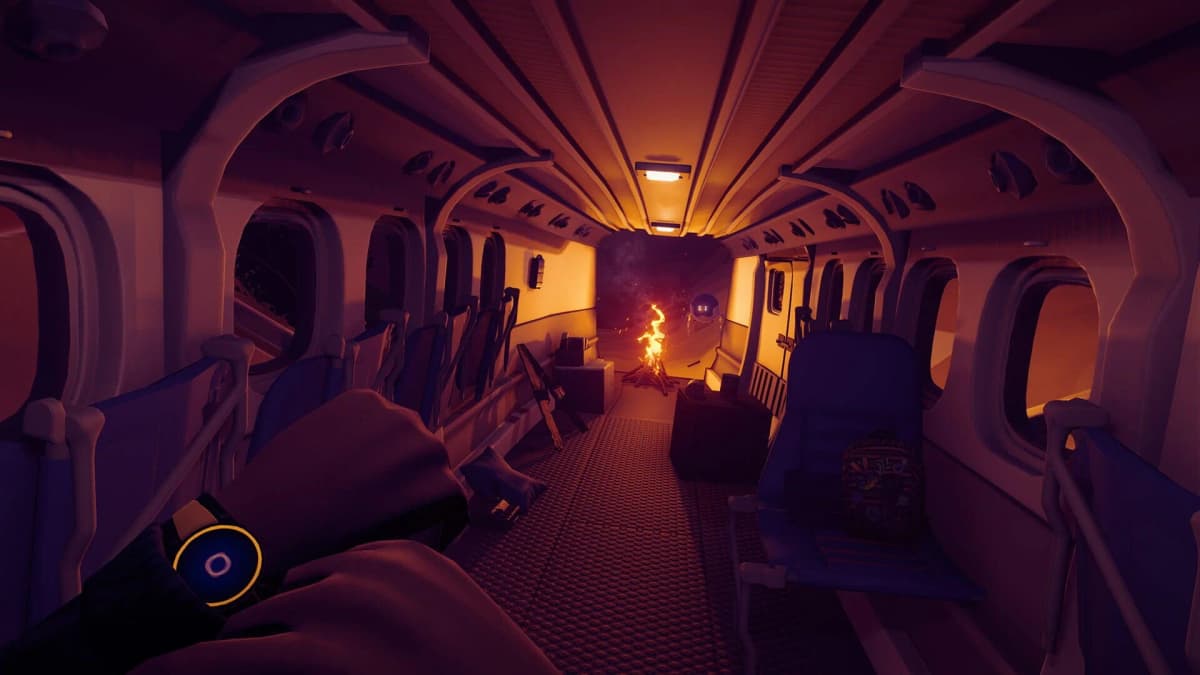
Alfie, the therapy bot, is either this game’s secret weapon or its most grating feature. A companion that actively reflects Kai’s trauma and calls out your decisions could be Delilah 2.0 (in a good way). A constant quippy commentator will kill the isolation that makes Arctic settings work. With Kwasneski involved and a cast that includes Jason Maniccia, Alejandro Saab, Dave B. Mitchell, Cia Court, and Mara Junot, I’m cautiously optimistic on performance. The writing has to let silence breathe—snow is a character, too.
Pacing matters. September is crowded, and narrative adventures live or die on word of mouth. If Arctic Awakening keeps sessions tight—clean objectives, meaningful detours, smart checkpointing—and doesn’t bury players in crafting screens, it can carve out space. I’m also hoping for sensible console features: a 60fps performance mode (snow demands smooth camera movement), good subtitle sizing, color contrast for whiteouts, and a photo mode that isn’t bolted on.
What This Means for GoldFire
GoldFire’s roots are in social, browser-based MMOs—systems and scalability, not intimate single-player stories. Spending five years on Arctic Awakening suggests they know this is a reputation-defining swing. If the studio channels its networked-game discipline into reliable saves, few bugs, and responsive systems while letting the hired narrative talent lead the emotional core, they could surprise a lot of people. If it launches rough, the “small studio, big ambition” narrative won’t save it a month later.
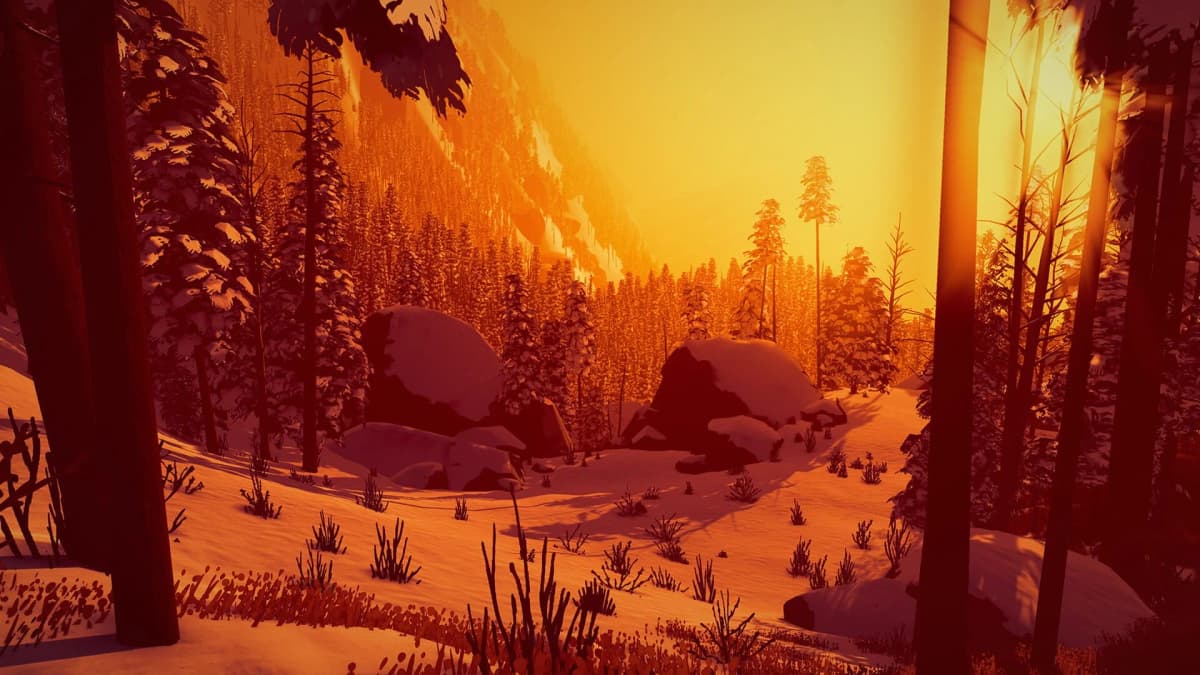
Bottom line: this isn’t trying to be the next survival sandbox. It’s pitching a tight, character-driven mystery in a hostile place. That clarity is a strength—provided the “dynamic” parts actually change how we play and the bot companion enhances, not replaces, human connection.
TL;DR
Arctic Awakening hits PC, PS5, and Xbox Series X|S on September 18, 2025. It’s a narrative-first survival mystery with a talkative therapy bot and promises of dynamic weather. I’m cautiously hyped: strong voice direction and a focused premise, but the execution has to prove the weather is more than a screensaver and that choices live in gameplay, not just dialogue wheels.