
- Steam wishlist counts and early user reviews during the first week — high wishlists without positive reviews would indicate curiosity, not satisfaction.
- Developer activity: follow the studio’s Discord, Steam updates, and any patch notes. A quick follow‑up patch could show responsiveness; silence could indicate longer production cycles.
- Coverage in Steam Next Fest roundups and outlets like PC Gamer or Rock Paper Shotgun — inclusion there materially expands visibility.
- Does Spirit Vision evolve? Watch for mentions of new mechanics or narrative hooks in subsequent trailers or dev diaries.
Crimson Cloud and indie.io have dropped a demo that chooses restraint over spectacle. That’s brave for a small team — and risky. If you want to see whether a horror game can sustain dread with very little onscreen violence and a single clever gimmick, this demo is worth the 30 minutes it will take most players to form an opinion. If you want big set pieces and immediate payoffs, this won’t change your mind.
TL;DR: A free Steam demo puts you in a looping asylum and sells slow, observational horror via a Spirit Vision mechanic. It’s promising as a tension-first opener but thin on guarantees: no release date, no price, and the anthology plan raises questions about how much substance each chapter will hold. Watch wishlist/review trends and whether Spirit Vision becomes a richer tool or a repeated trick.
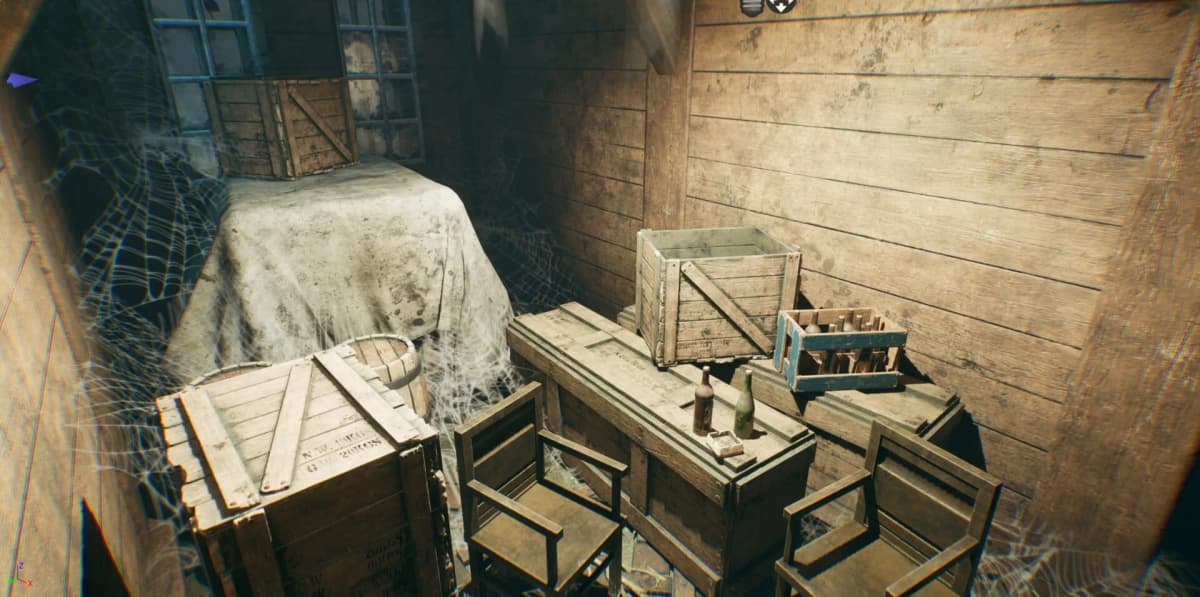
The first few minutes of Ashes of the Damned: The Forgotten Ward make the game’s intention crystal clear: this is not a shoot‑or‑run horror. It wants you to wander, watch, and slowly feel wronged by your surroundings. Crimson Cloud Games and indie.io released a free Steam demo on Feb. 20 that throws you into an endlessly looping abandoned psychiatric ward and trusts atmosphere, environmental storytelling, and a single scripted threat to do the heavy lifting.
- Key takeaways:
- Demo prioritizes sustained tension and exploration over combat; expected run times are 10 minutes to 1.5 hours.
- Spirit Vision – a pair of glasses that reveal layered spectral information – is the signature mechanic and the demo’s selling point.
- Positioned as Chapter 1 of a planned four‑game anthology; full game has no date or price listed, so the demo is clearly aimed at wishlists and early impressions.
Table of Contents (5)
This demo wants to make you uncomfortable without throwing things at you
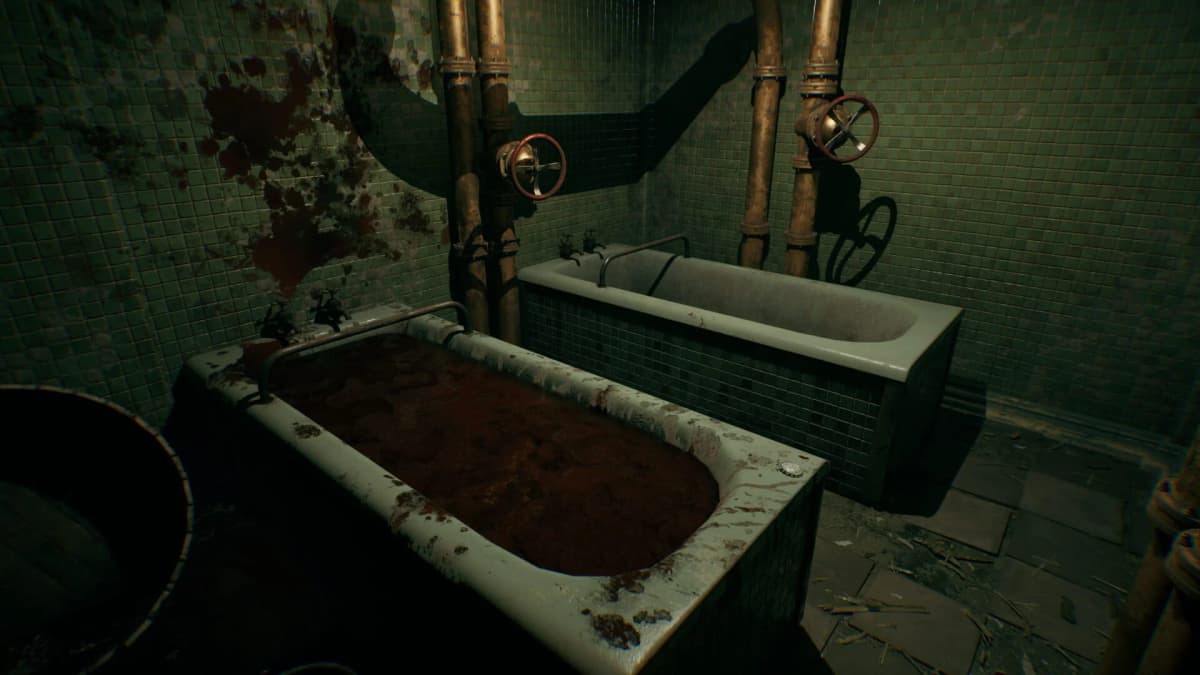
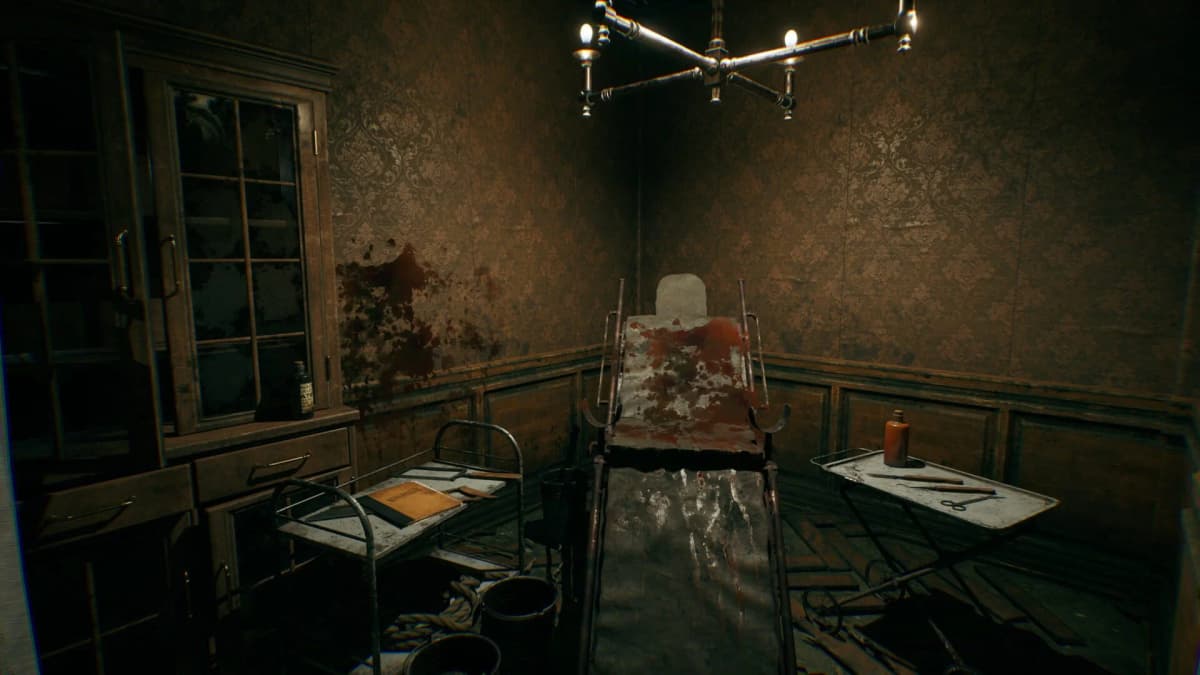
Walkthroughs and the official “First Look” gameplay on indie.io’s YouTube channel show the core loop: exploration, observation, a meter of dread ticked up by environmental triggers, and a scripted threat that arrives like punctuation rather than constant pressure. That approach is a welcome corrective to the twitchier end of indie horror, where chasing player reactions too loudly can undercut real unease. Ashes of the Damned leans on lighting, sound design, recontextualized props, and the way a corridor’s geometry can keep you guessing. It’s a slow-burn art piece masquerading as a demo, and for players who prefer discomfort to spectacle, that’s the point.
Spirit Vision is the demo’s bargaining chip – and its vulnerability
The Spirit Vision glasses are the headline: flip them on and a secondary layer of the asylum reveals itself — spectral breadcrumbs, hidden messages, flickering apparitions. It’s a neat tool for environmental storytelling because it turns the act of looking into both puzzle and risk. But wariness is merited. Tools like this can feel novel for the first act and repetitive if the game leans on them as a one‑note solution. The demo showcases spirit vision effectively, but the real question — one I’d ask the PR rep — is whether future chapters will expand its uses or simply reapply the same reveal rhythms until the mechanic loses teeth.
The anthology framing matters more than they’re letting on
Calling this “Chapter 1” in a four‑game anthology is a signal that deserves skepticism. Anthologies can be a smart way to tell different stories in the same world, but they also let publishers parcel content into smaller, cheaper releases. For a tiny studio, that’s often necessity, not malice — still, the tradeoff is clear: expectations for narrative depth and mechanical variety on a per‑chapter basis should be tempered. The Steam page lists the full game as “Coming soon” with no price or date, making the demo an obvious wishlist and PR play ahead of any monetization announcement.
The uncomfortable observation
What the PR wants you not to notice is how thin a 10‑minute to 90‑minute experience can feel when it’s the first piece of a multi‑game plan. This demo could be a brilliant appetizer — or it could be the whole meal stretched thin across subsequent releases. The lack of community chatter so far (no sizable Reddit or Discord reaction in initial searches) suggests the demo hasn’t gone viral; algorithmic placement in Steam’s “Free Demo” and “Upcoming Releases” sections will have to carry discovery momentum.
What to watch next
- Steam wishlist counts and early user reviews during the first week — high wishlists without positive reviews would indicate curiosity, not satisfaction.
- Developer activity: follow the studio’s Discord, Steam updates, and any patch notes. A quick follow‑up patch could show responsiveness; silence could indicate longer production cycles.
- Coverage in Steam Next Fest roundups and outlets like PC Gamer or Rock Paper Shotgun — inclusion there materially expands visibility.
- Does Spirit Vision evolve? Watch for mentions of new mechanics or narrative hooks in subsequent trailers or dev diaries.
Crimson Cloud and indie.io have dropped a demo that chooses restraint over spectacle. That’s brave for a small team — and risky. If you want to see whether a horror game can sustain dread with very little onscreen violence and a single clever gimmick, this demo is worth the 30 minutes it will take most players to form an opinion. If you want big set pieces and immediate payoffs, this won’t change your mind.
TL;DR: A free Steam demo puts you in a looping asylum and sells slow, observational horror via a Spirit Vision mechanic. It’s promising as a tension-first opener but thin on guarantees: no release date, no price, and the anthology plan raises questions about how much substance each chapter will hold. Watch wishlist/review trends and whether Spirit Vision becomes a richer tool or a repeated trick.
FinalBoss // Gear
Level up your setup
01Top-rated gaming headsetson Amazon→02High-refresh gaming monitorson Amazon→03Gaming chairson Amazon→04Discounted game keyson Kinguin→Affiliate links · As an Amazon Associate, FinalBoss earns from qualifying purchases.
Want to Level Up Your Gaming?
Get access to exclusive strategies, hidden tips, and pro-level insights that we don't share publicly.
Ultimate Gaming Strategy Guide + Weekly Pro Tips