
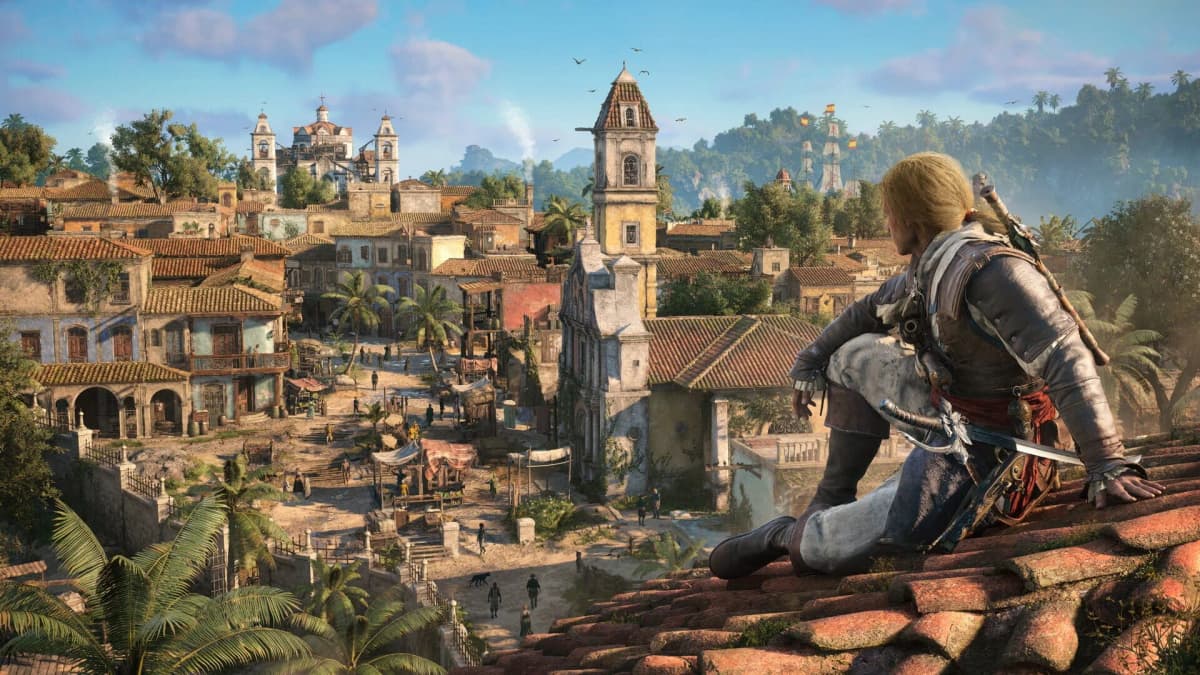
The first time I steered the Jackdaw through a white squall, I wasn’t thinking about Templars or Assassins. I was watching my crew scramble up the mizzenmast while a frigate’s hull groaned under my cannons, and I thought: this is the pirate fantasy every other game keeps promising and failing to deliver. Black Flag nailed it in 2013, and Resynced is poised to remind us why. But if you’re itching for salt in your hair right now, the last few years have quietly built a respectable armada of alternatives. Not all of them are masterpieces. Some are janky, some are niche, and a few are outright surprise gems. Here are the twelve worth your time, ranked by how close they get to that specific Black Flag cocktail of naval brawling, open-ocean exploration, and cutthroat stealth.
Table of Contents (12)
1. Skull and Bones
This is the closest you’ll get to a modern Black Flag naval sandbox without booting up the original. Ubisoft’s live-service pirate sim commits fully to the parts of Black Flag that everyone actually cared about: building a fleet, customizing cannons and armor, and stalking merchant convoys across a gorgeous Indian Ocean. The boarding mechanics here are physical, letting you swing across, hit the deck, and take the vessel, which is more than most naval games manage.
What you’ll get instead: A pure, RPG-bloat-free piracy simulator with high-fidelity ship combat and deep crafting. You lose the hidden blade and rooftop chases, but gain a tactile ocean that treats your brig like a floating character build.
2. Sea of Thieves
No game captures the social chaos of a crewed pirate voyage better than Rare’s sandbox. The sailing model is genuinely demanding; every anchor raise, sail angle, and map reading requires human coordination. The first time my galleon limped away from a skeleton ship fight with two holes below the waterline and no bananas left, I felt a panic that Black Flag never quite replicated.
What you’ll get instead: Player-driven emergent storytelling and the best co-op sailing on the market. There’s no structured stealth campaign here; the drama comes from the strangers on the horizon and the friend who dropped your chest of legends overboard as a joke.
3. Shadow Gambit: The Cursed Crew
Mimimi’s final tactics game trades musket lines for ghostly pirate stealth, and it’s the most inventive take on piracy in years. You command a ship of cursed buccaneers, each with supernatural assassination tools, and infiltrate Inquisition strongholds across the Lost Caribbean. The isometric view hides a ruthless logic puzzle where one mis-timed shot alerts the entire map.
What you’ll get instead: The stealth and assassination fantasy of Black Flag, refined to a razor edge. No naval combat, but the closest any game has come to making you feel like a predator in a pirate coat.
4. Sid Meier’s Pirates!
The 2004 remake is still the king of lighthearted pirate life. Dancing with governors’ daughters, hunting buried treasure via fragmented maps, and dueling enemy captains with a fencing mini-game that rewards reflexes, it’s all here. The graphics are dated, but the loop of raid, trade, and upgrade remains compulsive.
What you’ll get instead: A breezy, single-player career sandbox that prioritizes charm over realism. It won’t give you Black Flag’s cinematic storms, but it absolutely delivers the fantasy of rising from a nobody to the most feared name in the Caribbean.
5. Tempest: Pirate Action RPG
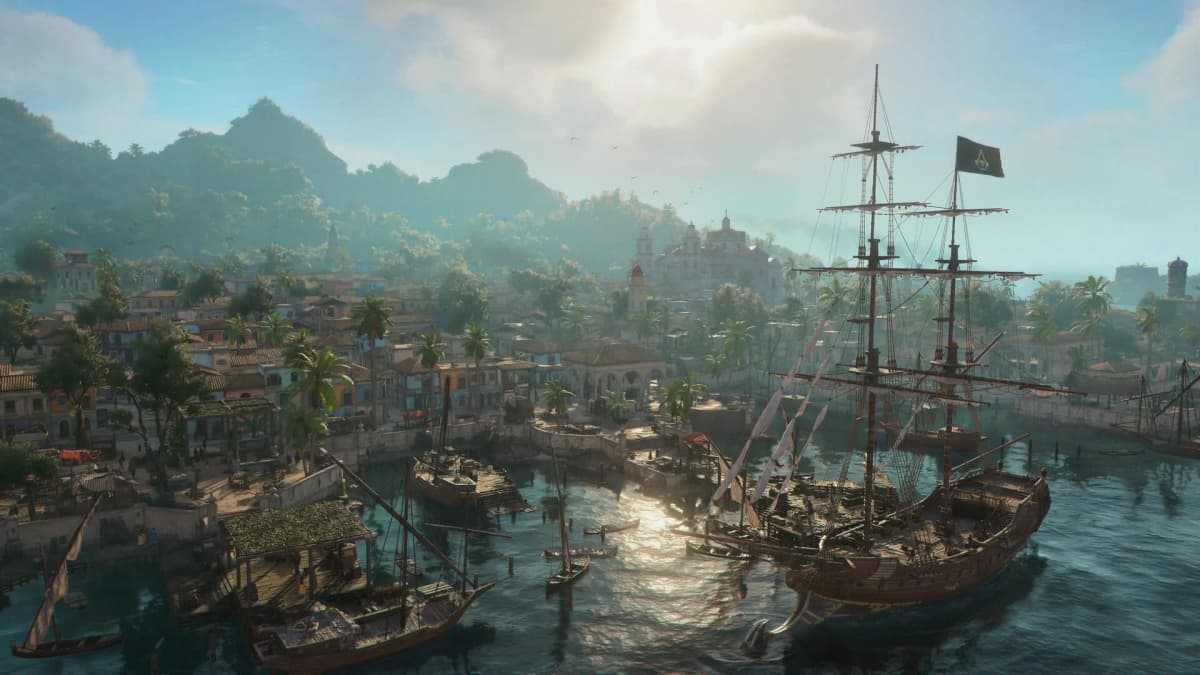
Tempest leans into the supernatural side of the seven seas with sea monsters, ancient artifacts, and genuinely punishing naval ballistics. The camera sits high above your brigantine, giving the combat a tactical, almost ARPG feel as you kite enemy fleets through rocky archipelagos. Ship customization is surprisingly granular, and the world doesn’t hold your hand once you leave port.
What you’ll get instead: A top-down, loot-driven alternative with fantasy flair and hard-edged combat. Think Diablo on a deck, with krakens instead of dungeon bosses.
6. Blackwake
This is first-person naval combat stripped to the bone. You spawn on a sloop with other players, and everyone has a job: captain steers, gunners load powder and shot, marines board. The chaos of a broadside exchange in Blackwake is visceral. Wood splinters fly, water floods the lower deck, and someone is always screaming about a fire.
What you’ll get instead: Team-based multiplayer warfare where coordination beats cannon size. There’s no open world, but the moment-to-moment sailing and shooting is more tactile than anything Ubisoft has shipped.
7. Pillars of Eternity II: Deadfire
Deadfire is an isometric RPG first and a naval adventure second, but that second layer matters. Your ship, the Defiant, is a persistent base that you upgrade, crew with named sailors, and sail across an archipelago rich with factions and mystery. Ship-to-ship combat plays out like a text-based tactical encounter, and boarding resolves in traditional RPG brawls.
What you’ll get instead: A narrative feast with meaningful exploration and light naval management. If you loved Black Flag’s setting but wanted deeper roleplaying consequences for your piracy, this is your game.
8. King of Seas
Procedural generation meets cartoon piracy in this ARPG that keeps the tone light and the loot flowing. Every playthrough reshuffles the map, quests, and faction politics, which gives it a replayability that most story-driven pirate games lack. The combat is simple but satisfying, circle strafing around merchantmen while your first mate shouts updates.
What you’ll get instead: A breezy, loot-centric pirate romp that respects your time. It lacks Black Flag’s production values, but makes up for it with charm and endless new maps to sail.
9. The Pirate: Caribbean Hunt
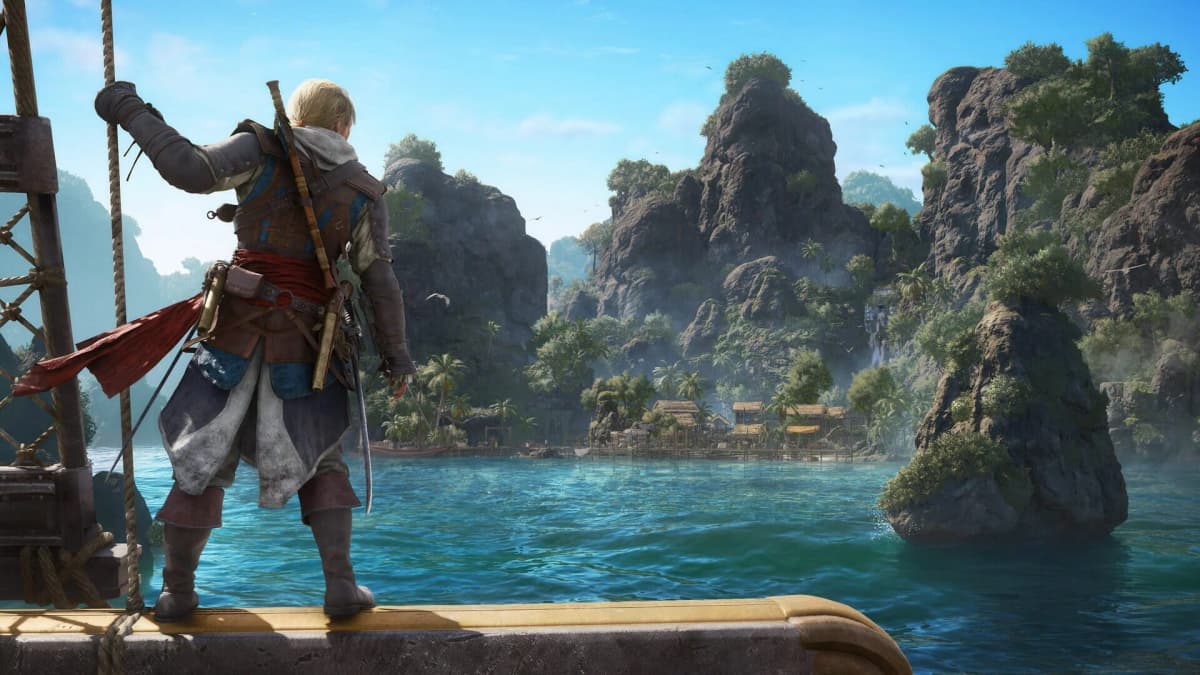
Don’t let the mobile roots fool you. This is a surprisingly robust sandbox that nails the day-to-day grind of Caribbean piracy. You manage fleets, trade sugar and rum, and engage in real-time naval battles that require genuine wind awareness. It looks modest, but the simulation underneath is stubbornly committed to the era.
What you’ll get instead: A budget-friendly, no-frills trading and combat sandbox that runs on practically anything. Perfect for a laptop session when you want the Black Flag vibe without the hardware demands.
10. Rogue Waters
Rogue Waters splits its time between turn-based tactical boarding and ship management, all wrapped in a dark fantasy setting where the sea itself is hungry. Positioning your crew on deck before a fight feels like XCOM with cutlasses, and the roguelite progression gives each run a distinct identity. The art direction is grimy and theatrical, more Black Sails than Disney.
What you’ll get instead: A tactical, turn-based twist on boarding actions with roguelite depth. If you loved the moment of leaping between ships but wanted more control over every blade swing, Rogue Waters delivers.
11. Port Royale 4
This one is for the traders. Port Royale 4 drops you into the colonial Caribbean as an economic shark, building production chains, managing city development, and protecting your convoys from pirates. The naval combat is present but perfunctory; the real game is watching your trade empire spider across the map as you undercut competitors.
What you’ll get instead: A logistics-heavy alternative that treats the ocean as a highway for commerce rather than a battlefield. Pair it with Black Flag to remember that most real pirates were just desperate businessmen with cannons.
12. Abandon Ship
This nautical roguelite captures the desperation of being outgunned on a rotting cutter. Battles are real-time but tactical, demanding you manage crew positions, extinguish fires, and decide when to flee. The hand-painted art style makes every sinking feel like a grim watercolor, and permadeath means every hull breach actually matters.
What you’ll get instead: A punishing, FTL-inspired survival voyage where every island could be your last. It replaces Black Flag’s power fantasy with a constant, delicious dread.
FinalBoss // Gear
Level up your setup
01Top-rated gaming headsetson Amazon→02High-refresh gaming monitorson Amazon→03Gaming chairson Amazon→04Discounted game keyson Kinguin→Affiliate links · As an Amazon Associate, FinalBoss earns from qualifying purchases.
Want to Level Up Your Gaming?
Get access to exclusive strategies, hidden tips, and pro-level insights that we don't share publicly.
Ultimate Top Strategy Guide + Weekly Pro Tips