
Assassin’s Creed just got an executive reset: Vantage Studios has put three longtime series veterans in charge to steady the franchise after a messy reorg and the recent exit of its previous lead. This isn’t a cosmetic shuffle – it’s a deliberate attempt to trade novelty for experience while Ubisoft tightens its belt and lines up several new AC projects.
- Martin Schelling (ex‑Chief Production Officer) is now head of the Assassin’s Creed brand, overseeing strategy and long‑term vision.
- Jean Guesdon (creative director on Black Flag and Origins) returns as head of content to steer the series’ creative direction.
- François de Billy becomes head of production excellence, tasked with tightening schedules and execution across multiple projects.
- The changes arrive inside Vantage Studios – Ubisoft’s Tencent‑partly funded “creative house” for marquee franchises – after Marc‑Alexis Côté’s departure and amid a wider company restructuring and cost cuts.
Table of Contents (6)
What happened, in plain terms
Vantage Studios — the new Ubisoft subsidiary handling big IPs like Assassin’s Creed and Far Cry — officially named Martin Schelling, Jean Guesdon and François de Billy to lead the Assassin’s Creed franchise. Ubisoft and several outlets flagged the move as part of Vantage’s remit to consolidate creative and production leadership for its tentpole series. All three men are deeply familiar with the franchise: credits include Revelations, Black Flag, Origins and Valhalla.
Why this matters right now
This is less about celebrity names and more about signal management. Ubisoft is mid‑restructure — cutting costs, reorganizing into “creative houses,” and juggling layoffs and studio closures — while confirming multiple new Assassin’s Creed projects are in development. Appointing veteran hands suggests Vantage wants predictable delivery and fewer headline risks while those games are made.
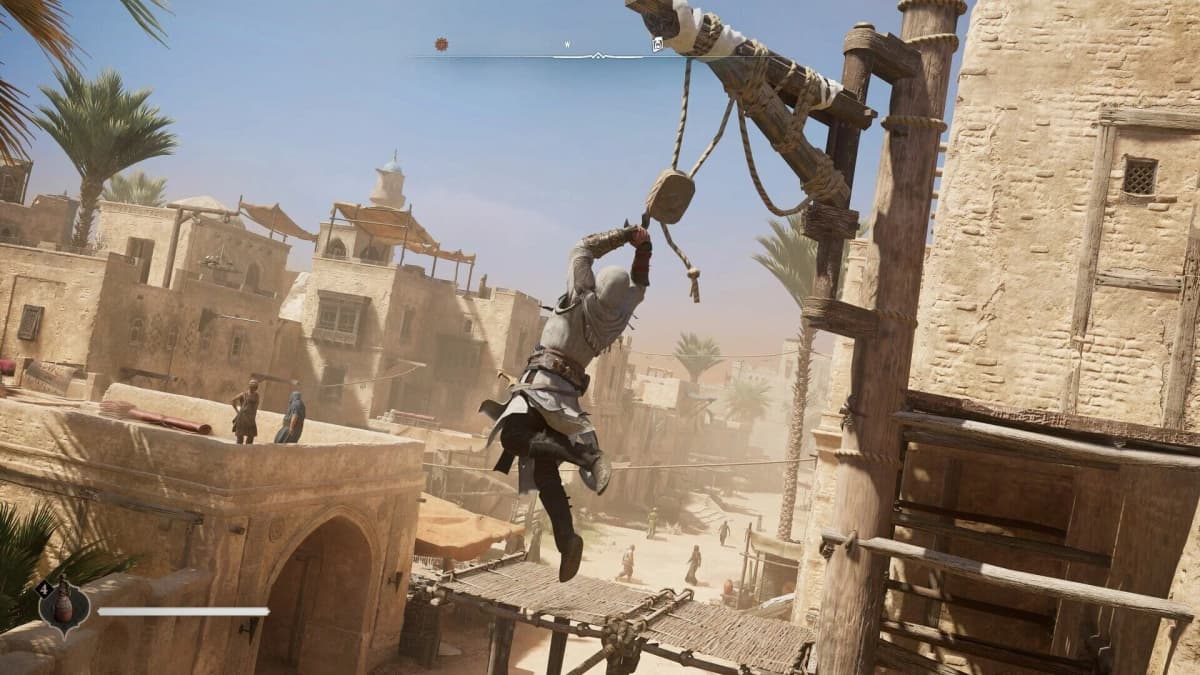
Jean Guesdon’s return to a creative leadership role matters artistically: he led Black Flag and Origins, two of the series’ most broadly praised entries. Schelling, who recently served as Ubisoft’s Chief Production Officer, brings authority on production pipelines. François de Billy’s remit is explicitly operational: improve execution and stop projects from drifting. In short: creative pedigree plus production discipline.
The uncomfortable observation Vantage didn’t sell in the press release
Putting veterans in charge looks reassuring — until you remember why the shakeup happened. These appointments follow the departure of Marc‑Alexis Côté amid a legal dispute, and they come inside a studios‑and‑costs reset that has already seen game cancellations and closures. Yves Guillemot’s stated plan to remove fixed costs and prioritize voluntary departures (and his controversial decision to give his son a leadership role at Vantage) means this is as much about corporate stability and optics as it is about creative vision.
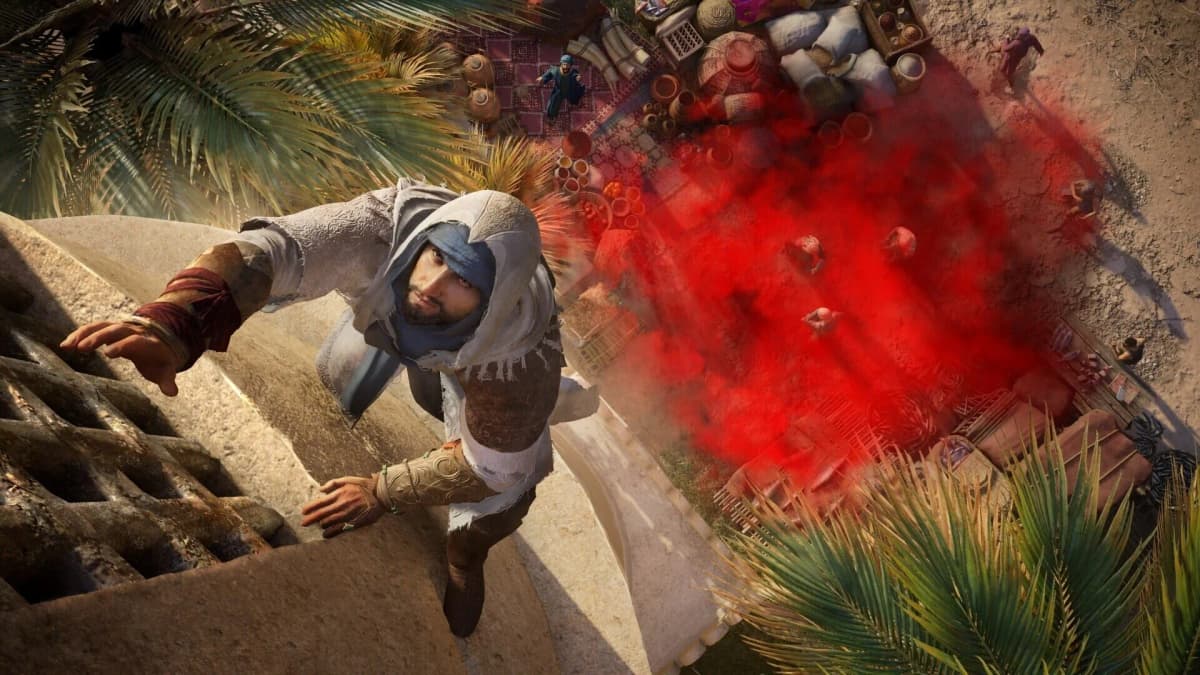
Translation: this team will be asked to deliver big projects under tighter budgets and clearer timelines. That is good for finishing games, but it often reduces appetite for creative gambles — at least until the new leadership proves its ability to ship both quality and profit.
What this can realistically achieve
Veterans can reset standards fast. Expect clearer production checklists, fewer overlapping initiatives, and a focus on shipping content that leverages the franchise’s strengths — historical setpieces, exploration, and systems that worked in Origins and Valhalla. But don’t expect a radical tonal pivot overnight. Creative leaders returning to shepherd a brand usually prioritize steady, measurable wins: polish, combat tweaks, and better release discipline.

What to watch next
- Ubisoft’s next quarterly report (expected in April) for any budget or project updates and whether new Assassin’s Creed codenames show up in filings.
- Interviews with Jean Guesdon — they’ll reveal whether Vantage wants a conservative reboot (iterate on what worked) or a riskier creative turn.
- Community reaction on r/assassinscreed and major Discord hubs in the 48 hours after the announcement — look for whether fans see this as reassuring experience or evidence of a company circling the wagons.
- Staffing signals inside Ubisoft: additional hires, studio closures, or production realignments will show how much runway Vantage will actually give these projects.
TL;DR
Vantage Studios has handed Assassin’s Creed to company veterans to steady production and protect the franchise during a corporate reorganization. The move prioritizes experience and execution over headline‑seeking experiments, which should reduce risk but may also limit bold creative shifts. Watch Ubisoft’s next earnings, Guesdon interviews, and staffing moves to see if this is a genuine creative reset or a conservative play to protect revenue while costs are cut.
FinalBoss // Gear
Level up your setup
01Top-rated gaming headsetson Amazon→02High-refresh gaming monitorson Amazon→03Gaming chairson Amazon→04Discounted game keyson Kinguin→Affiliate links · As an Amazon Associate, FinalBoss earns from qualifying purchases.
Want to Level Up Your Gaming?
Get access to exclusive strategies, hidden tips, and pro-level insights that we don't share publicly.
Ultimate Gaming Strategy Guide + Weekly Pro Tips