
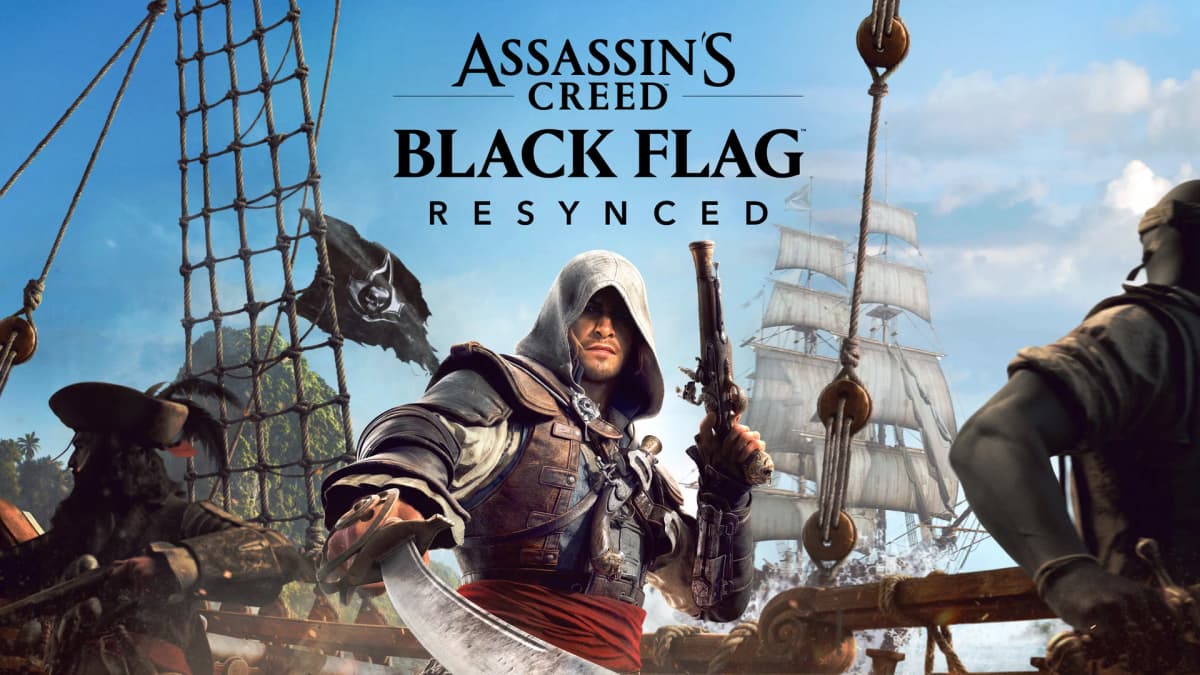
Ubisoft did not just announce another safe catalog refresh. It announced a credibility test. Assassin’s Creed IV Black Flag Resynced is now official, and the important part is not the nostalgia hit. The important part is that Ubisoft has framed this as a full remake, rebuilt from the ground up on its latest Anvil engine, with a release date locked for July 9, 2026 on PS5, Xbox Series X|S, and PC. That distinction matters because Assassin’s Creed has already had its share of easy re-releases. This is not the same category as the old Assassin’s Creed II, III, or Rogue touch-ups. Ubisoft is asking fans to believe it understands why Black Flag still matters. After the last decade, that is not a small ask.
Black Flag is one of the few Assassin’s Creed games I still think about as a place rather than a product. I remember the rhythm of it more than the plot beats: the sea shanties, the sudden shift from calm water to cannon fire, the way boarding a ship felt theatrical without becoming exhausting. That is why I care about this remake in a way I do not care about most publisher nostalgia plays. Ubisoft is not reviving a forgotten experiment here. It is touching the one Assassin’s Creed game that escaped the franchise’s worst habits and became something bigger than its branding.
Table of Contents (5)
What Assassin’s Creed IV Black Flag Resynced actually is
The cleanest piece of news is also the most important one: Assassin’s Creed IV Black Flag Resynced is a remake, not a remaster. Ubisoft used its April 23 reveal showcase to make that clear, and that immediately changes the standard this project will be judged by. A remaster gets graded on preservation and polish. A remake gets graded on judgment. Every design tweak becomes an argument about whether the original has been understood or flattened.
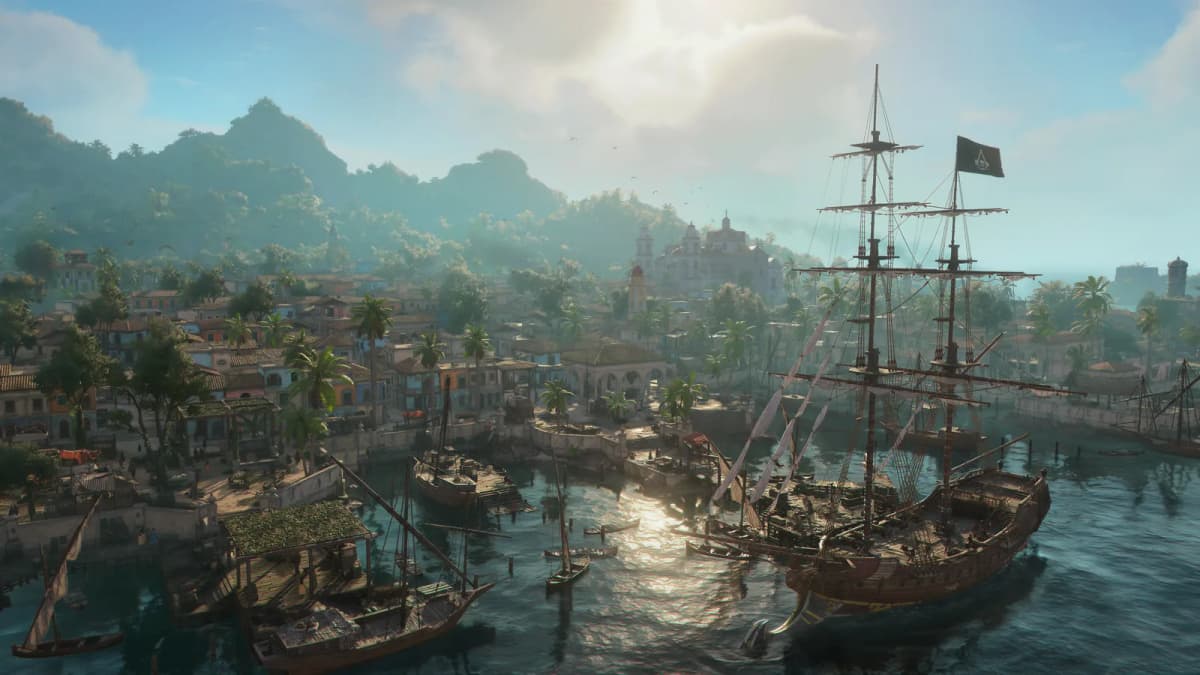
What Ubisoft appears to be doing, at least based on the reveal and the current rundown of features, is trying to preserve the structure and identity of the 2013 original while modernizing the rougher parts that aged badly. Edward Kenway remains the center of the story. The Caribbean open world is still the core fantasy. The Jackdaw is still the machine that holds the whole thing together. The visual side has obviously been upgraded with higher-resolution textures, denser environmental detail, and more advanced lighting. That part was expected. The more meaningful changes are mechanical.
Here is the current shape of Assassin’s Creed IV Black Flag Resynced as it stands right now.
- It is a full remake built on Ubisoft’s latest Anvil engine.
- It launches July 9, 2026 for PS5, Xbox Series X|S, and PC.
- Its Caribbean world has been rebuilt visually, with more detailed environments and enhanced lighting.
- Combat has been reworked to feel faster and more fluid.
- Crouching has been added, and parkour options have been expanded.
- Tailing and eavesdropping missions no longer appear to fail instantly when detection happens.
- New story content includes additional Jackdaw crew members and loyalty missions.
- Modern-day material has not been removed entirely, but its exact scope still looks deliberately vague.
- Ubisoft is positioning this as a solo pirate adventure, with no multiplayer component announced.
- Freedom Cry has not been presented as part of this package.
That last pair of points is where Ubisoft is showing unusual discipline, and I mean that as real praise. Black Flag did have multiplayer, and some players will miss it. Freedom Cry is also worth preserving. But the publisher seems to understand that the selling point here is not feature count. It is focus. If the goal is to make Black Flag feel sharp and alive again, then piling on side modes simply because they once existed would be the wrong instinct.
The smartest upgrades are the ones that remove old friction
The least interesting way to remake Black Flag would have been to make the water prettier and call it a day. The reveal suggests Ubisoft knows that. Black Flag did not age worst in its ocean tech or its atmosphere. It aged worst in the places where older Assassin’s Creed design got in its own way: stiff encounter flow, over-scripted stealth sequences, and mission failure states that punished improvisation instead of rewarding it.
The revamp to tailing and eavesdropping missions is the single most encouraging change I have seen so far. The old Assassin’s Creed formula had an obsession with brittle stealth. Step too far out, get spotted for a second, and the mission snapped in half. That design always felt cheap, and it feels even worse now after a decade of stealth games teaching players that detection can be interesting instead of terminal. If Resynced really allows targets to react dynamically, fight back, or force adaptation rather than immediately dumping the player into failure, then Ubisoft is finally correcting one of the franchise’s most annoying design habits.
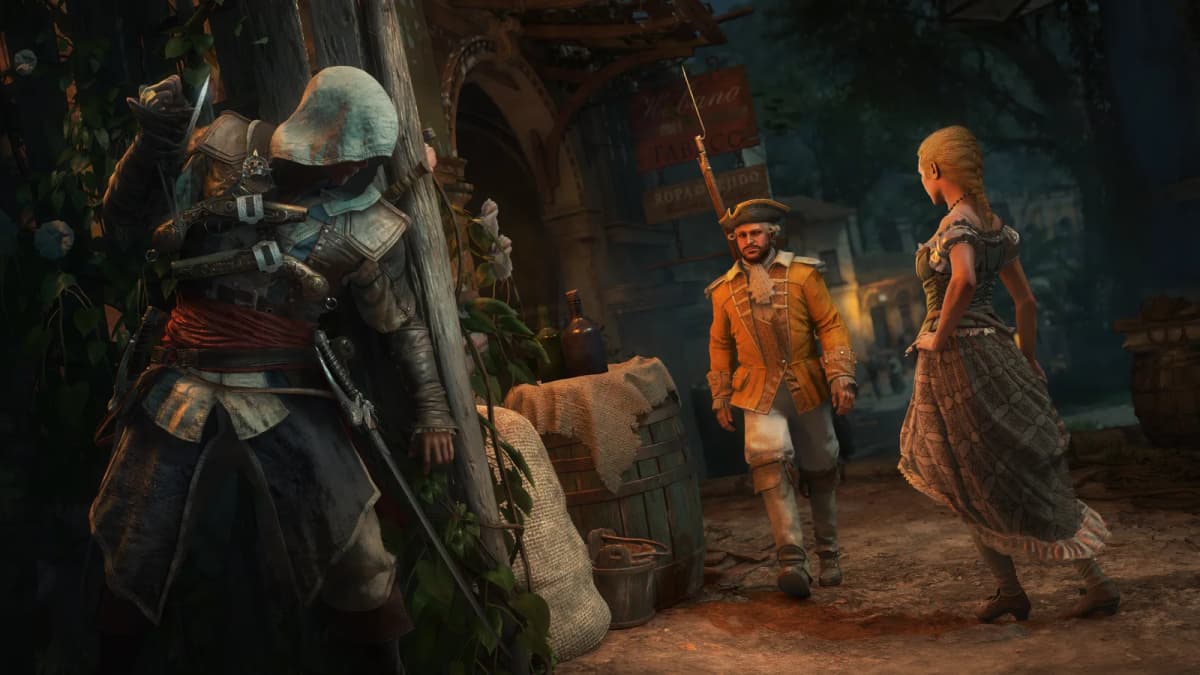
The same logic applies to faster combat, added crouching, and expanded parkour. None of these changes sound revolutionary on paper. That is fine. A remake like this does not need revolution. It needs good judgment. Black Flag was never beloved because it had the deepest melee system in the genre. It was beloved because its systems flowed together well enough to sell the fantasy of being Edward Kenway, pirate, opportunist, and occasional assassin. Improving responsiveness without turning the game into a twitchy caricature is exactly the right target.
I also think Ubisoft is right to keep the world recognizable rather than radically redesigning it into a modern open-world checklist theme park. Black Flag worked because the Caribbean felt broad, dangerous, and strangely peaceful all at once. Sailing between islands had room to breathe. There was actual negative space. Modern Ubisoft has a bad habit of confusing scale with clutter. If Resynced avoids that trap, it has already learned more from the original than Skull and Bones ever did.
Skull and Bones is the ghost hanging over this whole remake
There is no honest way to analyze Assassin’s Creed IV Black Flag Resynced without dragging Skull and Bones into the room. Ubisoft spent years trying to extract the pirate fantasy from Black Flag and turn it into its own pillar. The result was a game that proved, in painfully expensive fashion, that ship combat alone was never the magic trick. The magic trick was the blend. Black Flag was sailing, boarding, exploration, assassin fantasy, tavern swagger, treasure-map nonsense, and a charismatic lead holding the mess together. Skull and Bones felt like Ubisoft had disassembled that fantasy on a lab table and then forgotten how to put the soul back in.
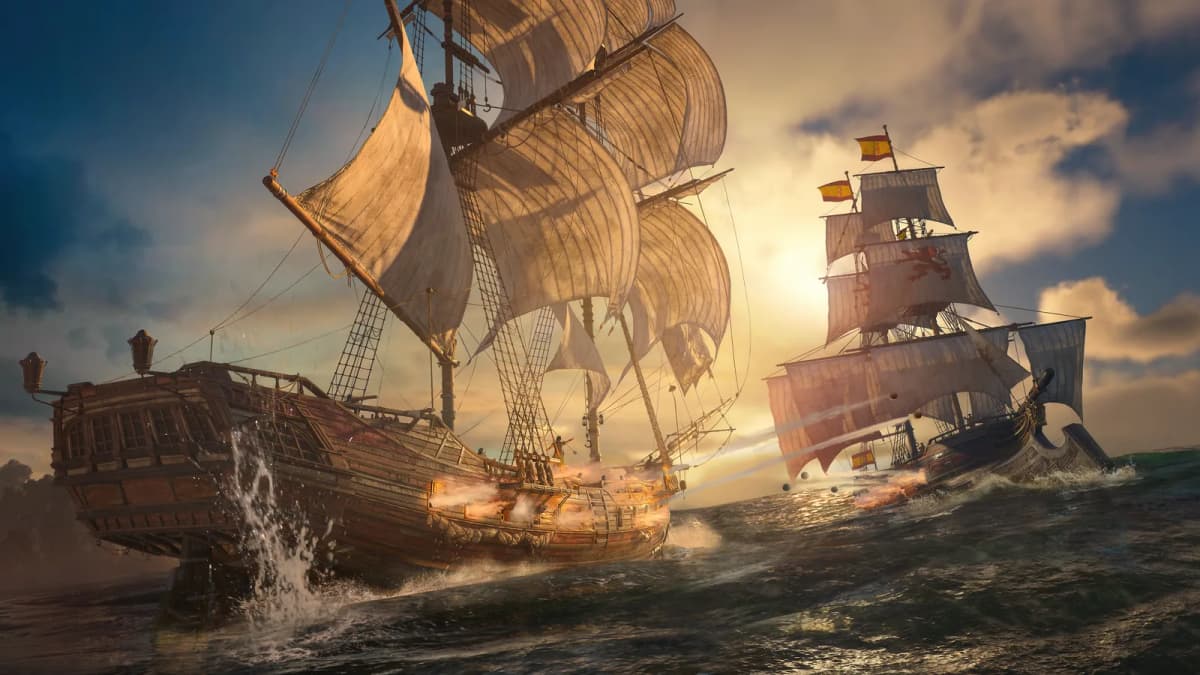
That is why Resynced feels like more than fan service. It feels like an institutional correction. Ubisoft is effectively admitting that the company already made the pirate game people actually wanted, and it came out in 2013. Rebuilding Black Flag now, especially as a single-player project without multiplayer baggage, reads like the publisher finally looking at its own history without the usual self-deception.
This is also where the pressure gets ugly. Ubisoft cannot hide behind the excuse that Black Flag was “of its time” and so needs wholesale modernization. It also cannot sell a minimalist remake and expect goodwill simply because Edward Kenway is back. Fans know this game too well. They know where the pacing drags. They know which missions feel dated. They know that the sailing still carries more emotional weight than half the franchise’s later RPG systems. If Ubisoft fixes the friction while preserving the fantasy, it gets credit. If it bloats the game with trend-chasing nonsense, people will smell that instantly.
That is why I am watching one unresolved point very closely. Some background reporting around the project has hinted at loot, weapon stats, and a more RPG-like layer. Other reporting has pushed in the opposite direction and described the game as remaining a solo, character-driven experience rather than a systems-heavy reinvention. Until Ubisoft shows that material clearly, I am treating the RPG talk as unresolved. It is the exact kind of design decision that could sink this whole thing. Black Flag does not need gear-score poison injected into it so a marketing bullet point can claim “deeper progression.” It needs restraint.
The new content sounds promising, but this is where remakes usually get stupid
Ubisoft is not just refurbishing the original campaign. It is also adding story material, including three new Jackdaw crew characters with loyalty missions and expanded narrative ties to existing lore. On paper, I like that a lot. One of Black Flag’s strengths was that ship life felt more textured than most Assassin’s Creed hub dynamics. Giving the crew more identity could deepen the fantasy in a meaningful way, especially if those additions make the Jackdaw feel less like a mobile upgrade station and more like a lived-in world.
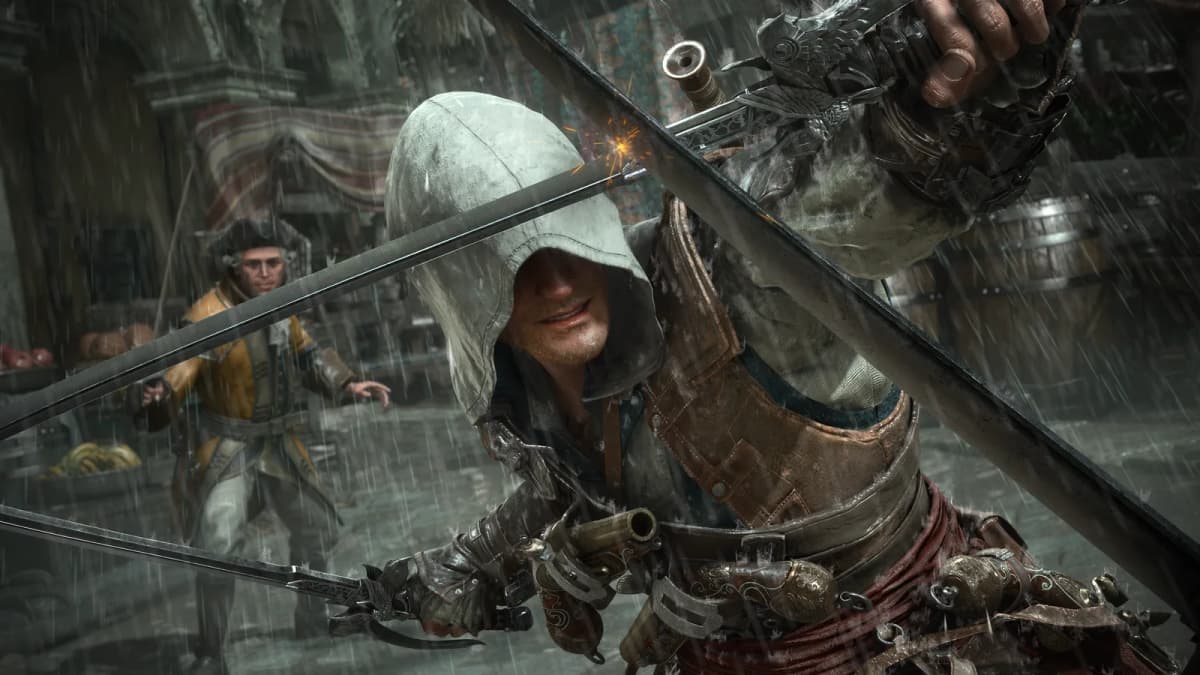
But this is also the zone where remakes routinely lose the plot. New content sounds generous until it starts padding a story that originally moved with a confident, almost roguish momentum. Edward works because he is not introduced as a solemn chosen one. He is a selfish, restless man whose growth lands precisely because the game gives him room to be reckless first. Any added missions need to support that arc, not drown it in backstory and side-character bookkeeping.
The modern-day component is another point of real uncertainty. Earlier rumors suggested it might be dropped completely. The current presentation instead points toward “new moments in rifts” focused on Edward’s internal struggles, apparently borrowing from the more fragmented format used elsewhere in the series. That could be fine. It could even be smart if Ubisoft wants to preserve thematic links without dragging players through the old stop-start office pacing that split the original campaign’s momentum. But it could also become one of those half-committed remake compromises that pleases nobody. If modern-day is back, it needs to justify itself quickly.
There are smaller reveals that are harder to read. Restored or expanded material involving characters like Mary Read sounds worthwhile, because that supports the dramatic core people actually remember. The teaser language around “new furry friends” sounds much less essential. Maybe it turns into a charming bit of world flavor. Maybe it is harmless animal interaction filler. Right now it reads like the kind of bullet point publishers throw into reveal decks because silence makes them nervous.
Ubisoft’s real challenge is proving it still understands tone
Graphics are not the hard part. Feature parity is not the hard part. Tone is the hard part. Black Flag had a looseness to it that most Assassin’s Creed games strain to achieve and rarely do. It was funny without turning smug. It was melancholy without drowning in franchise mythology. It treated piracy like fantasy and tragedy at the same time. That mix is fragile. A remake can keep every major story beat intact and still get the whole thing wrong if the world feels too sanitized, the performances too polished, or the pacing too eager to impress.
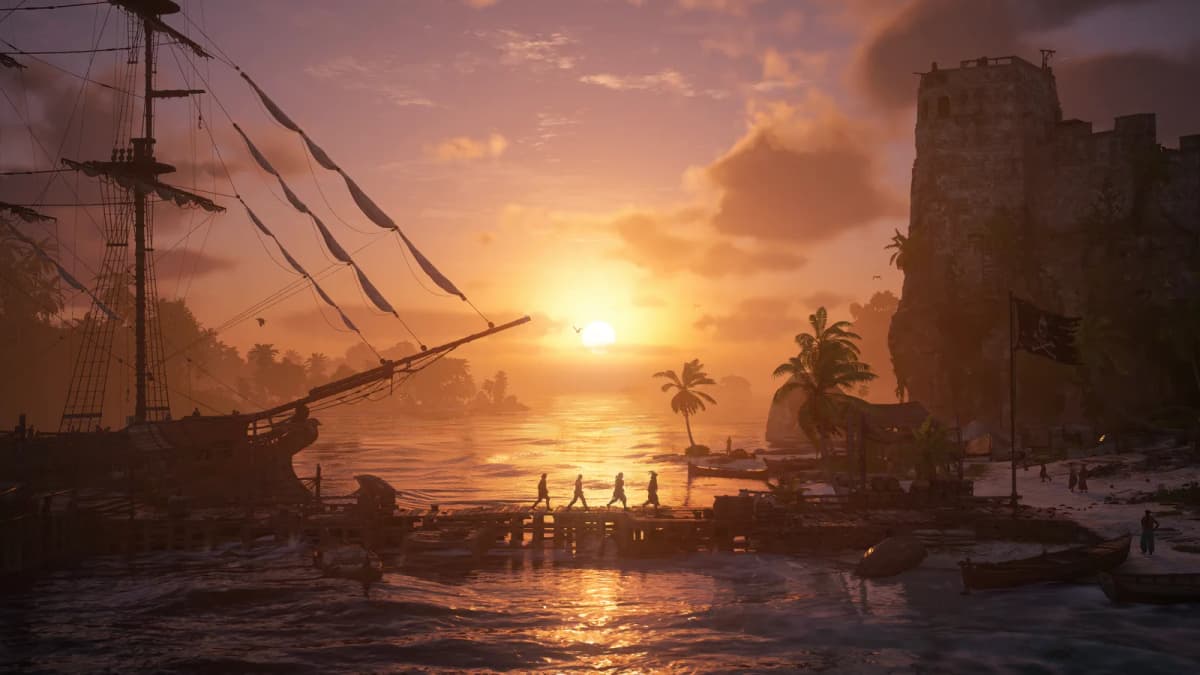
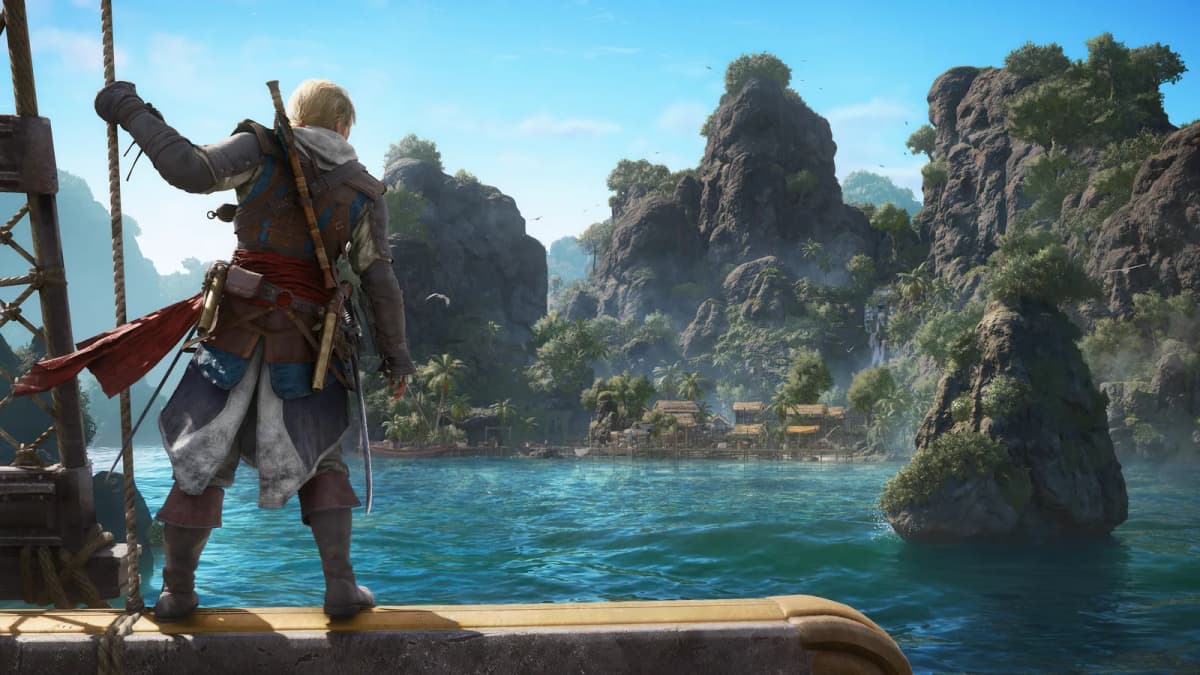
I want the cities to look richer, but I do not want them to feel overly curated. I want the jungles denser, but not so overdesigned that traversal turns into guided tourism. I want the seas to be beautiful, but still dangerous and slightly lonely. Black Flag’s Caribbean should feel humid, dirty, and alive, not like a luxury travel brochure rendered at higher fidelity. Ubisoft sometimes confuses technical upgrade with tonal upgrade. They are not the same thing.
And this is where Assassin’s Creed IV Black Flag Resynced becomes a referendum on more than one beloved game. Ubisoft has spent years stretching Assassin’s Creed across different identities, from historical tourism to bloated action-RPG spectacle. Some of that worked. A lot of it felt like the company sanding off whatever made each entry distinct. Black Flag survived in memory because it had a clean fantasy and committed to it. If Resynced succeeds, it will not be because Ubisoft added the most systems. It will be because Ubisoft finally stopped acting embarrassed by simplicity and started respecting what made one of its best games breathe.
The release date is close enough now that the margin for mystery is shrinking. Pre-order details, deeper dives on the new quests, and clarity around the modern-day structure will matter. So will whatever Ubisoft says next about the scope of the added narrative content and whether any more mechanical overhauls are hiding behind the marketing. For now, the strongest reading of the reveal is also the simplest one: Ubisoft seems to have identified the parts of Black Flag that deserved preservation and the parts that needed surgery. That is the right start. It just is not enough to earn trust by itself. This publisher has burned too much of that already, and Black Flag is too loved for anyone to pretend otherwise.
FinalBoss // Gear
Level up your setup
01Top-rated gaming headsetson Amazon→02High-refresh gaming monitorson Amazon→03Gaming chairson Amazon→04Discounted game keyson Kinguin→Affiliate links · As an Amazon Associate, FinalBoss earns from qualifying purchases.
Want to Level Up Your Gaming?
Get access to exclusive strategies, hidden tips, and pro-level insights that we don't share publicly.
Ultimate Editor's Pick Strategy Guide + Weekly Pro Tips