
Ezio’s Epic Crossover in Reverse: 1999—FOMO or Meta?
Game intel
Reverse 1999
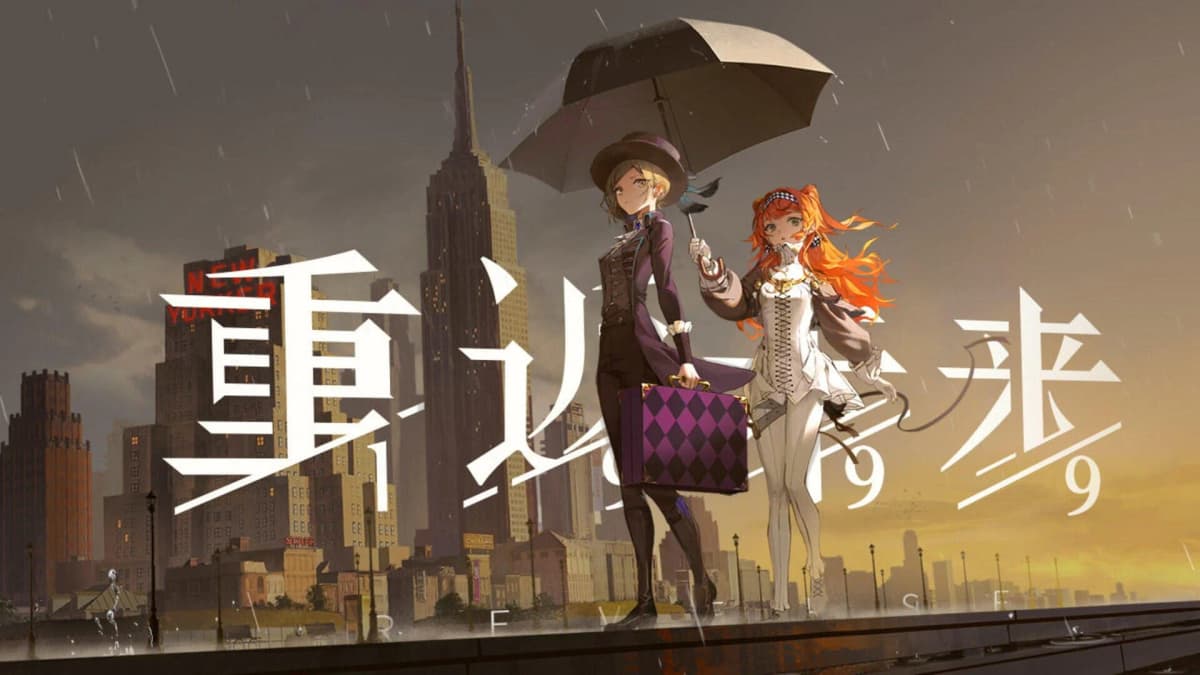
Reverse: 1999 sets in the retro style world in the west. The story is interesting: on the last day of 1999, humanity was brought into a new age – the 1920s, by…
Why Ezio’s Arrival in Reverse: 1999 Actually Matters (and What to Watch Out For)
As a longtime fan of both gacha RPGs and the stealth-action juggernaut that is Assassin’s Creed, I was instantly intrigued when Bluepoch announced the Reverse: 1999 x Assassin’s Creed crossover. Dropping Ezio Auditore—arguably Ubisoft’s most iconic assassin—into a turn-based tactical RPG is more than just a fancy skin. It comes with brand-new mechanics, serious banner grind and the potential to shake up the entire meta. But beneath the stylish Renaissance flair lies a classic gacha dilemma: is this a genuine gameplay upgrade, or just high-end FOMO dressed in Italian leather?
Setting the Stage: Reverse: 1999 in a Nutshell
First, a quick primer. Reverse: 1999 is a free-to-play, turn-based tactical RPG from Bluepoch, available on Windows PC, iOS and Android. You take command of Vertin, the timekeeper, and a roster of arcanists as you battle through an alternate twentieth century warped by the mysterious “Storm.” Beyond crisp anime visuals and a twisting time-travel narrative, the game leans heavily on:
- Character positioning and synergy in grid-based skirmishes.
- Unique “Storm” effects that rewind or alter battlefield conditions mid-fight.
- A gacha system for recruiting new arcanists and limited-time collaboration heroes.
While the regular roster boasts a deep pool of arcanists, collabs like this one inject fresh life—and fresh financial pressure—into the gacha cycle.
Ezio Auditore: More Than Just a Pretty Cloak
Let’s be clear: this isn’t a simple cosmetic drop. Ezio arrives as a 6-Star unit complete with his own stat curve, weapon set and a novel resource bar called Synchronization. Here’s what sets him apart:
- Synchronization System: Replaces the standard Moxie meter. Starting a battle at 100% lets Ezio unleash his ultimate immediately—an Assassin’s Creed–style instant kill that can turn boss rushes on their head.
- Multi-Weapon Framework: Switch between three primary and three secondary weapons on the fly. Think hidden blades for single-target stealth strikes, crossbows for ranged crowd control and poison darts for damage-over-time tactics.
- Insight Levels: A tiered skill modifier that evolves from Insight I to III. At low tiers, it grants damage reduction and threat generation; at high tiers, it unlocks teamwide debuff cleanses and clutch revival boosts.
Breaking Down the Synchronization Mechanic
Gacha veterans know the familiar rhythm: build up a gauge, spend it on an ultimate, rinse and repeat. Ezio flips that on its head. If you manage to start a round fully synced, he can drop an immediate ultimate before enemies even move—a powerful tool for wiping out a high-priority target or staggering a boss. Maintaining high Synchronization through weapon swaps and normal attacks becomes part of the puzzle, forcing you to optimize turn order and team buffs.
In practice, this translates to two playstyles:
- Glass Cannon Rush: Build up to 100% on round one, detonate your ultimate, then use high-damage combos to finish off surviving threats.
- Sustained Saboteur: Leverage mid-battle weapon swaps and basic attacks to maintain your gauge, then unleash on-demand ultimates right as an enemy’s shield drops or when an ally needs backup.
Weapon Swap Synergy: Example Loadouts
One of Ezio’s coolest tricks is hand-selecting his gear mid-fight. For instance:
- Loadout A: Hidden Blade (high single-target damage), Smoke Bomb (AOE slow), Crystal Dagger (crit boost).
- Loadout B: Crossbow (range AOE), Poison Dart (DOT), Throwing Knives (crit on low-HP).
Swapping between these sets launches different buff cycles. Hit the crossbow to shred a group, then pull out the hidden blade to pick off one wounded unit—while preserving Synchronization. It’s a step beyond your usual buff-combo loop.
Team Composition and the Assassination Tag
Ezio carries the “Assassination” tag, which unlocks bonus effects if you pair him with other tagged units. So far, only a handful of arcanists share this niche label, but future releases could expand the roster. The bonus might feel modest early on (think +10% crit chance or extra gauge fill), but if the developers stick to it, the synergy could define late-game comps.
That said, locking your strategy around a collab tag can be risky. Balance patches could nerf the bonus or introduce new characters that outshine Ezio in the same archetype. Keep your build flexible enough to pivot if the meta shifts.
Banner Mechanics: The Grind Behind the Glamour
Ezio’s journey into Reverse: 1999 isn’t handed out with a tutorial scroll—he’s gated behind the A Prophet Guided by Time banner. Here’s the breakdown:
- Limited availability: Ezio won’t enter the standard pool after this event.
- Pull milestones: guaranteed 6-Star copies at 100, 160, 220 and 280 pulls.
- No soft pity: if you miss those exact thresholds, you risk going deeper for dupes.
Veterans of the previous Kassanadra collab know just how brutal these merits can be. If luck isn’t on your side, those milestone pulls add up quickly—and so does the real-world cost if you’re chasing every dupe for max ascension.
F2P, Mid-Spenders and Whales: Mapping the Investment
Whether you’re a free-to-play (F2P) player collecting daily login rewards, a mid-spender chasing occasional banners or a full-whale going all-out, this collab tests your resolve. Here’s a rough guide:
- F2P: You’ll need to decide early if Ezio is worth the bulk of your premium currency haul—likely enough for a single dupe at best.
- Mid-Spenders: With some paid packs and careful saving, hitting the first two guaranteed copies is doable, but anything beyond that pushes into heavy investment territory.
- Whales: Unlimited pulls mean unlimited copies, but remember: more dupes don’t always translate to exponentially more power after a certain point.
My take? Secure at least one copy for the novelty and toolkit expansion. Beyond that, it’s strictly “only if you love Ezio” territory.
Potential Meta Impact: Early Observations
So far, opinion has been split. In PvE boss rushes, I’ve seen Ezio cut down high-HP targets faster than any standard unit thanks to that instant ultimate. In PvP simulations, opponents panic when you hit 100% Synchronization on turn one, which can create psychological pressure even if the actual damage isn’t game-breaking.
That said, the meta isn’t set in stone. Teams built around pure burst tend to fizzle out against sustained sustain comps or heavy crowd control. And until we see more arcanists balancing around the Assassination tag, it’s hard to know if Ezio will stay at the top or fade once the next collab drops.
Community Buzz: Hype vs. Skepticism
Across Discord channels and subreddits, players are split:
- Hype Train: Clips of round-one ultimates, creative weapon combos and breakneck boss kills are racking up views.
- Skeptics: Veteran gacha gamers warn about “flash in the pan” collab units that get nerfed or overshadowed in a matter of weeks.
It’s a classic tension: nostalgia and novelty versus long-term viability. Both sides have valid points, so temper your expectations accordingly.
Pros and Cons at a Glance
- Pros: Instant-turn-one ultimates, versatile weapon swap, fresh resource system, and genuine gameplay shake-up.
- Cons: Heavy banner grind, limited pool exclusivity, risk of future power creep, and reliance on a small Assassination tag roster.
Should You Pull on Ezio’s Banner?
If you’re a die-hard Assassin’s Creed fan or a collector looking to flex a legendary crossover unit, Ezio is an easy yes—at least for your first copy. His toolkit legitimately offers new ways to tackle both PvE and PvP content. But unless you’re prepared to invest deep into the banner pity system, don’t feel pressured to chase every dupe.
For casual players or those on a strict F2P path, weigh the draw against your upcoming plans. Save enough currency for key events or future releases you truly need, and consider grabbing Ezio only if you have a comfortable margin. Mid-spenders should aim for the first two guaranteed pulls and then reassess based on how he fits into evolving team comps.
Final Verdict and Recommendations
Ezio Auditore’s debut in Reverse: 1999 is arguably the best crossover collab we’ve seen so far—not just for flash, but for tangible gameplay impact. His Synchronization mechanic, weapon swap flexibility and team synergy potential make him feel like more than just a guest star. However, the banner cost is steep, and the long-term meta is never a sure thing.
Here’s my parting advice:
- Commit to one copy if you want the full experience and have the reserves.
- Don’t chase every dupe unless you’re prepared for heavy spending.
- Build at least one alternative team that doesn’t rely on Ezio to avoid future reliance risks.
- Keep an eye on balance patches and community guides—his power level may shift over time.
In the end, Ezio’s arrival is a thrill for Assassin’s Creed lovers and strategic tacticians alike. Just remember: in the ever-turning gears of gacha, today’s pinnacle can become tomorrow’s passing fad. Pull wisely, play strategically, and may your blades always find their mark.