
Buy Yamat the Breach Traveler if what you want is a new main character, a fresh combat rhythm, and another way to build runs from scratch. Buy The Outer Reaches if you want Astral Ascent itself to feel bigger, meaner, and less familiar. That is the cleanest version of the answer.
This comparison focuses on the 10 differences that matter when money is leaving your wallet: what each DLC actually adds, how much of that changes the run-to-run experience, where the value really sits, and why some players are getting tripped up by free-update versus paid-expansion messaging. I am not ranking lore importance or trying to pretend these two add-ons do the same job. They do not. One is a hero DLC. The other is a broader expansion. Once that clicks, the buy decision gets much easier.
Table of Contents (9)
1. Yamat and The Outer Reaches are solving two different player problems
The first mistake people make is comparing these DLCs like they are rival versions of the same purchase. They are not. Yamat the Breach Traveler is a character pack. Its job is to give you a new playable fighter with her own identity, tools, and progression flavor. The Outer Reaches is a content expansion. Its job is to give the whole game more map space, more enemies, and a harder path through the run.
That difference matters more than any price tag or raw feature count. If you are tired of the current cast and want a new moveset to learn, Yamat is pointed directly at your problem. If your issue is that you already know the base-game route too well and want Astral Ascent to surprise you again, The Outer Reaches is the more relevant answer. It is expanding the game’s ecosystem, not just adding another avatar to pilot through the same old structure.
This is also why “which DLC is better?” is the wrong opening question. The better question is “what am I bored by?” Bored by your current character pool? Yamat. Bored by enemy repetition, biome familiarity, and a run structure you already understand? The Outer Reaches. Once you frame it that way, the overlap between them gets much smaller, and the recommendation stops being fuzzy.
2. Yamat is the pick if you want a new combat kit, not just more rooms to clear
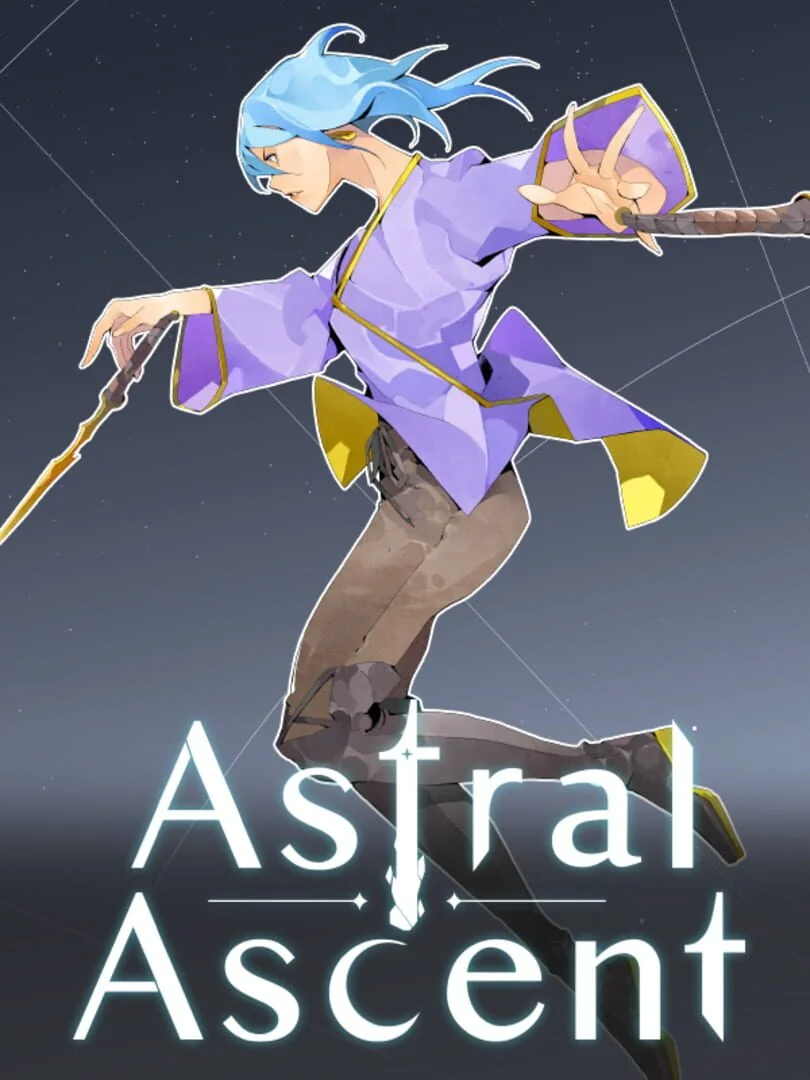
Yamat earns her place by changing what your hands are doing moment to moment. She is not a cosmetic remix or a light variant on an existing archetype. Research around the DLC points to a dark-mage style kit with 16 new spells, 37 perks, her own weapons, and voiced dialogue in both English and Japanese. That is the profile of a character meant to feel self-contained and distinct, not bolted on.
For veterans, that matters because a new character is often the fastest way to make a roguelite feel fresh again. A new route can surprise you for a few runs. A new playable kit can recalibrate dozens of runs because every choice starts reading differently. Spell priorities change. Safe openings change. Which upgrades feel broken changes. Even your tolerance for risk changes if the character’s strengths push you toward burst, spacing, or conditional power spikes. Yamat’s appeal is exactly there: she offers a new internal logic for how a run comes together.
The caveat is straightforward. If your main complaint with Astral Ascent is that you have seen enough of the game’s environments and enemy pool, Yamat does not solve that. She gives you a new way to engage with the game, not a larger version of the game. That makes her a sharper, more targeted purchase than The Outer Reaches, but also a narrower one.
3. The Outer Reaches is the bigger buy by raw content and overall reach
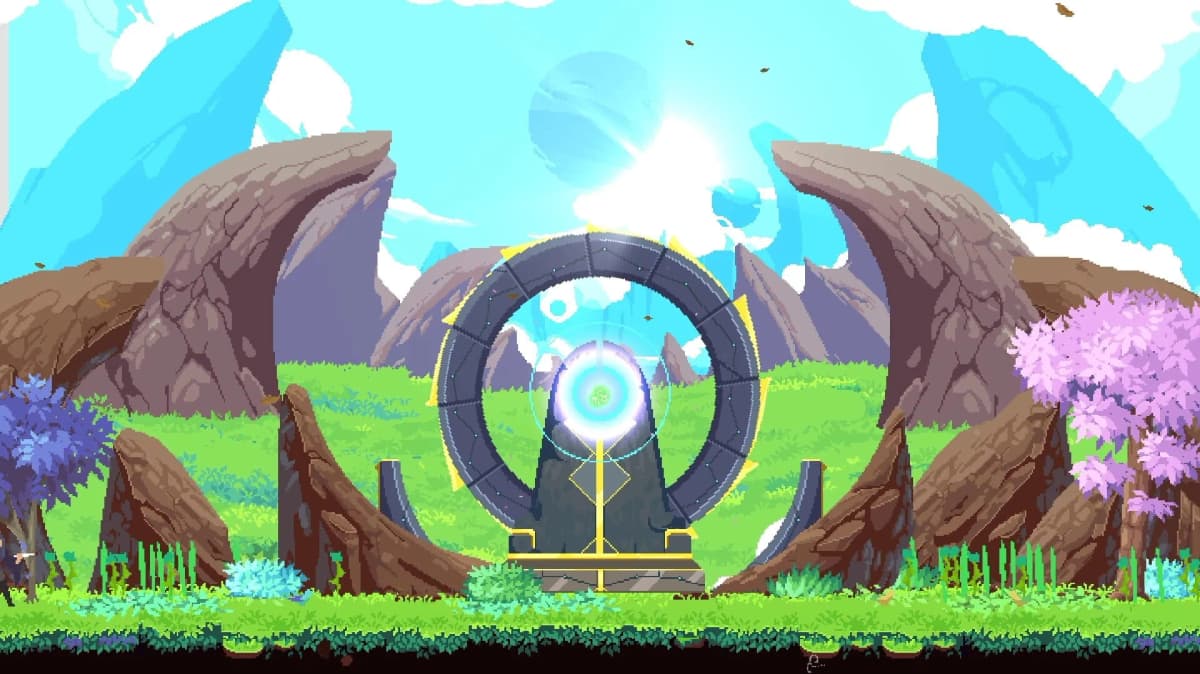
If you are measuring scope in the most obvious way, The Outer Reaches wins comfortably. The Steam DLC page describes it as adding four new worlds, 32 new enemies, and an optional Andromeda boss fight. That is not a side dish. That is the kind of expansion designed to widen the game’s full run structure and keep experienced players from sleepwalking through familiar encounters.
What makes that more important than a simple feature bullet list is how those additions affect repetition. In a roguelite, more content is not automatically better unless it meaningfully disrupts routine. New worlds and a larger enemy pool do exactly that because they change recognition speed. You cannot lean on solved spacing as easily. You cannot assume the next danger reads like the last twenty. Even stronger players benefit from that friction because it restores some of the adaptation the base game eventually loses after enough hours.
One review-driven description of The Outer Reaches goes even further, framing it less like a small add-on and more like a “2.0 plus expansion” package, with tougher traps, harder enemies, and the ability to choose between base-game areas and the new ones. That is why this is the easier first recommendation for most established players. It touches more of the game, more often, for more builds. Yamat may be the more interesting niche pick. The Outer Reaches is the broader one.
4. Yamat changes what you do; The Outer Reaches changes what the game does to you
This is the most useful comparison point if you only have patience for one. Yamat changes your inputs. The Outer Reaches changes your pressures. Those sound similar on paper because both affect combat, but they produce very different feelings over a run.
With Yamat, the freshness comes from action verbs: different weapons, different spells, different perk interactions, and a different rhythm for assembling power. You are looking inward at your own toolkit. Every chamber becomes a test of how quickly you understand her strengths and exploit them. That kind of DLC works best for players who love labbing builds, re-evaluating synergy, and finding out what kind of nonsense a new hero can enable after a few smart unlocks.
With The Outer Reaches, the freshness comes from external pressure: new worlds, new enemies, harder traps, and an optional boss encounter that exists to punish complacency. You are looking outward at the run structure and asking, “What is the game threatening me with now?” For some players, that is the more valuable kind of novelty because it spreads across every character, not just one. If you already have a favorite main and do not want to abandon that comfort, The Outer Reaches gives you new reasons to keep using them. Yamat asks you to start a new relationship. The Outer Reaches asks the game to stop being predictable.
5. The biggest systems argument favors The Outer Reaches, especially for build crafters
Yamat brings a new self-contained build space, and that should not be undersold. Sixteen spells and 37 perks are enough to create real experimentation inside one character. But if you care about deeper systemic texture across the wider game, The Outer Reaches appears to be the heavier hitter. The standout feature mentioned in coverage is the imprint system, where spells can gain focused passive effects that trigger under specific conditions. That pushes builds toward more deliberate planning instead of pure stat stacking or easy autopilot synergy.
That matters because Astral Ascent is at its best when a build feels like a machine you intentionally assembled, not a pile of upgrades that happened to roll your way. Imprints sound built for exactly that kind of satisfaction. They reward players who enjoy conditional power, sequencing, and reading interactions closely. Spell Boost has also been associated with the expansion package, adding another layer to how spells scale and how much value you can squeeze from a run with the right setup.
The only caution here is messaging. Depending on where players saw patch notes, store text, or platform rollout details, some system changes around the 2.0 era were easy to blur together with the paid DLC. So the safe takeaway is this: Yamat clearly gives you a new character sandbox, while The Outer Reaches is the DLC most associated with the broader “more systems, more buildcraft, more reasons to rethink your run” side of Astral Ascent. If your brain lights up at layered synergy, that distinction is a big deal.
6. Yamat has more character flavor, personality, and immediate identity
One advantage hero DLCs often have over larger expansions is clarity. You know exactly what you are paying for: a face, a voice, a playstyle, and a fantasy. Yamat seems built to win on that front. She comes with voiced dialogue in English and Japanese, her own narrative lines, and a dark-mage identity that is much easier to picture than a broad promise of “more stuff.” If you care about character presence, that gives her an edge The Outer Reaches is not really trying to contest.
This matters more than people admit in a roguelite. Players do not only stick with a character because the damage numbers are good. They stick because the animations, voice, tone, and class fantasy make repetition feel good. A run-based game asks you to fail and repeat constantly, so strong identity is practical, not ornamental. Yamat’s voiced presentation and dedicated narrative beats help sell that sense that you are not simply renting a new loadout for a few hours.
The Outer Reaches can absolutely be the better buy and still lose this category. Its strengths are breadth and escalation. Yamat’s strength is concentration. She gives you a new center of gravity. So if your personal threshold for DLC value is “Will this make me care about another character enough to run them for a week straight?” then Yamat’s case is unusually clean. If your threshold is “Will this reshape the whole game around me?” then The Outer Reaches still pulls ahead.
7. The difficulty spike is more clearly on The Outer Reaches side
Not every Astral Ascent player is shopping for more punishment. That is why difficulty target should be part of the purchase decision, not an afterthought. Everything documented around The Outer Reaches points toward a harder exploration path: tougher enemies, nastier traps, more demanding areas, and an optional Andromeda boss fight for players who actively want another wall to hit. That makes it attractive, but it also makes it less universally friendly.
Yamat can still be challenging, just in a different way. Any new character asks for learning time. You need to understand spell priorities, perk value, and what kind of tempo the kit rewards. But that is a self-directed challenge. If Yamat does not click, you can usually feel that in the laboratory sense of “I have not solved her yet.” The Outer Reaches is more of a friction challenge. It changes the world so that even characters you already understand are dealing with rougher conditions.
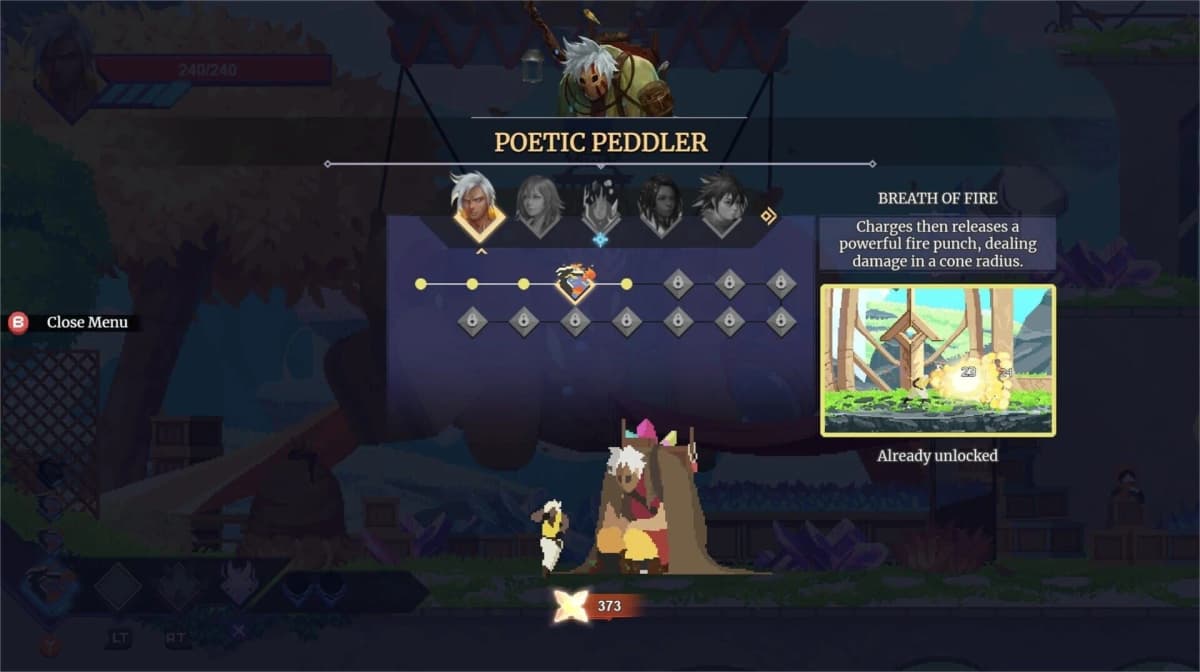
That is the practical buying tip: players who already find Astral Ascent intense enough may get more joy from Yamat than from a full expansion built around harsher content. Players who think the base game has become too readable should lean the other way. More than any other category, this one splits the audience cleanly. One DLC asks you to learn a new fighter. The other asks you to prove you have not gotten too comfortable.
8. The free-versus-paid confusion is real, and it mostly affects The Outer Reaches
If you have felt oddly unsure about what belongs to the DLC and what belongs to a free patch, that confusion is not your fault. Astral Ascent’s expansion-era messaging appears to have created exactly the kind of blur that happens when a major update and a paid add-on arrive in the same conversation. The Outer Reaches especially gets caught in that because it is tied to broader 2.0-style language, systems talk, and overall game growth.
The simplest way to keep it straight is this. Yamat is easy to categorize: paid character DLC. New hero, new spells, new perks, weapons, and voiced lines. The Outer Reaches is also paid, but it sits much closer to large-scale update messaging because it is associated with added worlds, enemies, a new boss, and systemic changes that make the total package feel bigger than a basic map pack. That is where players start assuming every improvement is locked behind the expansion or, on the flip side, that the DLC itself is “just” a few areas. Neither reading is very helpful.
So the purchase rule is simple: ignore vague store-page memory and buy according to the content you want to own. If you want Yamat’s kit, only Yamat solves that. If you want the four worlds, 32 enemies, and the Andromeda challenge path, you are looking at The Outer Reaches. Anything adjacent to that should be checked against your platform’s current store description and patch notes before you assume it is included or excluded.
9. If you are only buying one first, the order depends on whether you love the cast or the loop
There is a clean buying order here, but it changes with player type. If you love Astral Ascent’s core loop and simply want more of it across every run, The Outer Reaches should usually come first. It touches more of the game more often, and it does so without asking you to give up your favorite existing character. That makes it the safer first purchase for long-term players who already know what they like about Astral Ascent.
Yamat moves to the front if your attachment is more character-driven than route-driven. Maybe you are the kind of player who gets most of your fun from mastering one kit until it feels automatic. Maybe the base-game content still works for you, but the current roster no longer sparks curiosity. In that case, Yamat is not the smaller consolation buy. She is the right buy, because a new main can extend a roguelite’s lifespan more effectively than a larger map set ever will for the right person.
Newer or returning players should also be careful not to overbuy. If you are still re-learning Astral Ascent, stacking a new character and a harder expansion on top of that can muddy what you are even trying to enjoy. The cleaner approach is to solve one problem at a time: choose Yamat if you want a new playstyle first, or choose The Outer Reaches if you have already exhausted the base game’s structure and want a more substantial reason to come back.
FinalBoss // Gear
Level up your setup
01Top-rated gaming headsetson Amazon→02High-refresh gaming monitorson Amazon→03Gaming chairson Amazon→04Discounted game keyson Kinguin→
Affiliate links · As an Amazon Associate, FinalBoss earns from qualifying purchases.
Want to Level Up Your Gaming?
Get access to exclusive strategies, hidden tips, and pro-level insights that we don't share publicly.
Ultimate Top Strategy Guide + Weekly Pro Tips