
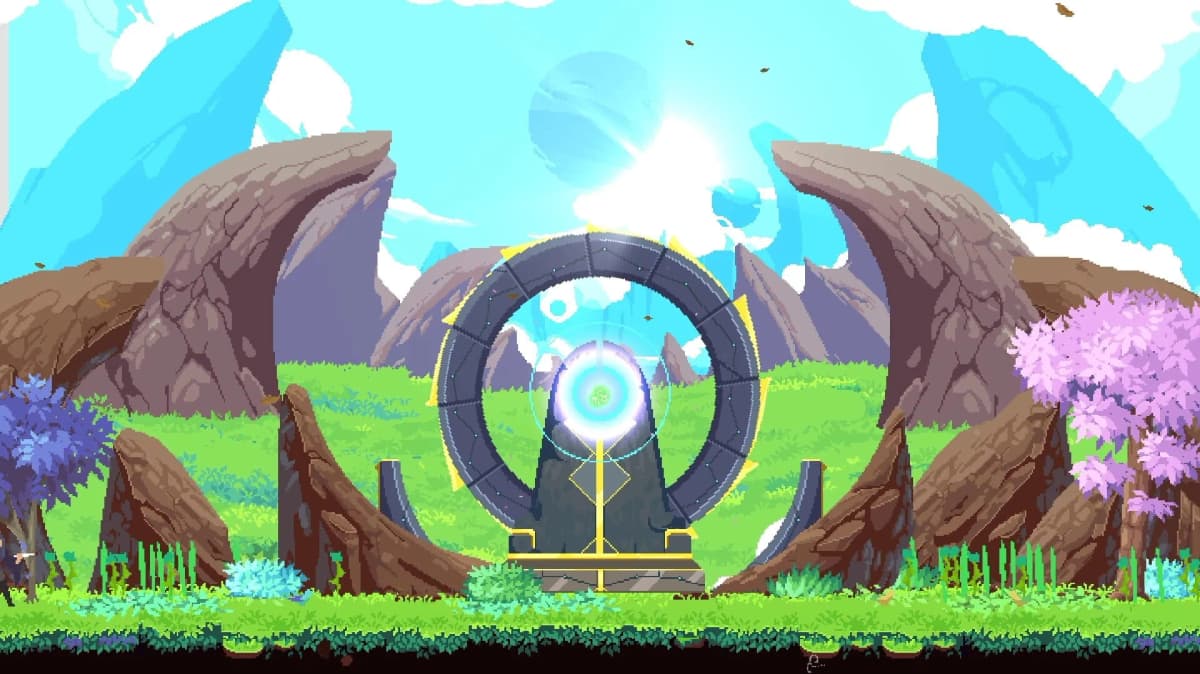
Here’s the direct answer: if you want real Astral Ascent modding, start with GameBanana. If you want immediate gameplay changes on PC, the two verified options with the clearest public support are WeMod and PLITCH. Everything else around Astral Ascent modding is still much thinner than what players might expect from bigger roguelikes, so this list is built around what is publicly visible, installable, and genuinely useful right now.
That also means this is not a fantasy list of “mods that should exist.” Astral Ascent’s public mod ecosystem is still small, and searchable results skew heavily toward trainer-style tools rather than handmade overhauls, new characters, or giant balance packs. So the ranking below mixes actual mod hubs, trainer suites, and the community resources that matter most when the scene is this early. “Best,” in this case, means one of three things: it changes how the game plays in a meaningful way, it gives you a reliable installation path, or it saves you from wasting time on fake or vague mod claims.
- Verified public availability mattered more than hype.
- PC practicality mattered more than wishlist features.
- When something is a resource rather than a downloadable mod, that is stated clearly.
Table of Contents (11)
1. GameBanana Astral Ascent Hub
If you only click one thing in the current Astral Ascent mod scene, it should be the GameBanana hub. This earns the top spot because it is the clearest public home for actual Astral Ascent modding, not just cheat advertising or vague forum chatter. GameBanana groups the game’s mods, tutorials, questions, requests, and fan discussions in one place, which matters a lot when a scene is still small. In a healthier mod ecosystem, a hub page is just the starting point. In Astral Ascent, it is the backbone.
What it changes is simple but important: it changes your odds of finding real community-made files instead of bouncing between random search results that promise more than they deliver. Astral Ascent does not currently have the kind of mainstream Workshop or Nexus visibility that makes discovery effortless, so a central archive matters more here than it would in a bigger game. It is also where you can judge the scene honestly. If the uploads are thin, the scene is thin. If new files appear, this is where they will show up first.
Installation source: GameBanana is the main download source itself. Each upload page typically carries its own file instructions, so you install whatever mod you choose from the individual page rather than from one universal launcher. That sounds basic, but it is exactly why this hub deserves rank one: before you worry about balance tweaks or cheat tools, you need one trustworthy place to begin.
2. WeMod Astral Ascent Trainer
WeMod is not the romantic answer for players hoping for a thriving handcrafted mod scene, but it is one of the most practical Astral Ascent tools available right now. Publicly, WeMod lists Astral Ascent support and a trainer with six cheats, which makes it one of the easiest verified ways to alter how a run feels without waiting for a deeper community ecosystem to materialize. That matters in this game more than it might in a slower RPG, because Astral Ascent is built around quick combat decisions, build synergies, and repeat attempts.
The real value here is friction removal. If your goal is to learn bosses, test how a spell path behaves under low pressure, or see whether a build idea is fun before you commit to grinding toward it, a lightweight trainer does the job fast. In a different game, that might feel like a side option. In Astral Ascent, where public modding is still sparse, a trainer with even a modest feature set can change more about your play session than an absent overhaul ever will. That is why WeMod ranks this high despite the “trainer versus mod” distinction.
Installation source: the WeMod desktop app on PC. The caveat is straightforward: use it if you want experimentation and practice, not if your idea of modding is custom content, art swaps, or ambitious reworks. WeMod earns its place because it works on the problem Astral Ascent players actually have today, which is “how do I change the game now?” rather than “how do I browse a huge scene?”
3. PLITCH Astral Ascent Trainer Pack
PLITCH is the other big verified answer, and it lands just behind WeMod for one reason: it appears to offer far more granular control. Publicly searchable support pages list Astral Ascent with 26 cheat codes, which is a much broader menu than the smaller six-cheat WeMod setup. That does not automatically make it better for everyone, but it does make it the more interesting pick for players who want to tune a run instead of simply removing pressure from it.
This is where the difference between “I want help learning” and “I want to manipulate variables” starts to matter. A roguelike like Astral Ascent changes dramatically when you can push resources, survivability, or progression pressure around with finer control. Coverage around the game still tends to focus on broken synergies, summon-heavy runs, and aura spikes, so a broader trainer toolkit has obvious appeal: it lets you reach the experimental part of the design faster. Even if you dislike cheat tools on principle, PLITCH deserves a spot because it addresses the actual shape of the current public ecosystem better than most theoretical mod lists do.
Installation source: the PLITCH PC client. The reason it ranks below WeMod is usability philosophy, not usefulness. WeMod is the cleaner recommendation for players who want the fastest setup. PLITCH is the stronger recommendation for players who care about finer-grained run manipulation. In Astral Ascent’s current state, that is a meaningful split.
4. GameBanana Tutorials
This is the least glamorous entry on the list, and one of the most important. In a small scene, tutorials often matter more than the raw number of files. Astral Ascent is not at the stage where you can assume every upload has polished instructions, mirrored installers, and a dozen recent user comments confirming everything still works. That means the tutorial side of GameBanana carries more weight than it would for a game with a mature mod culture.
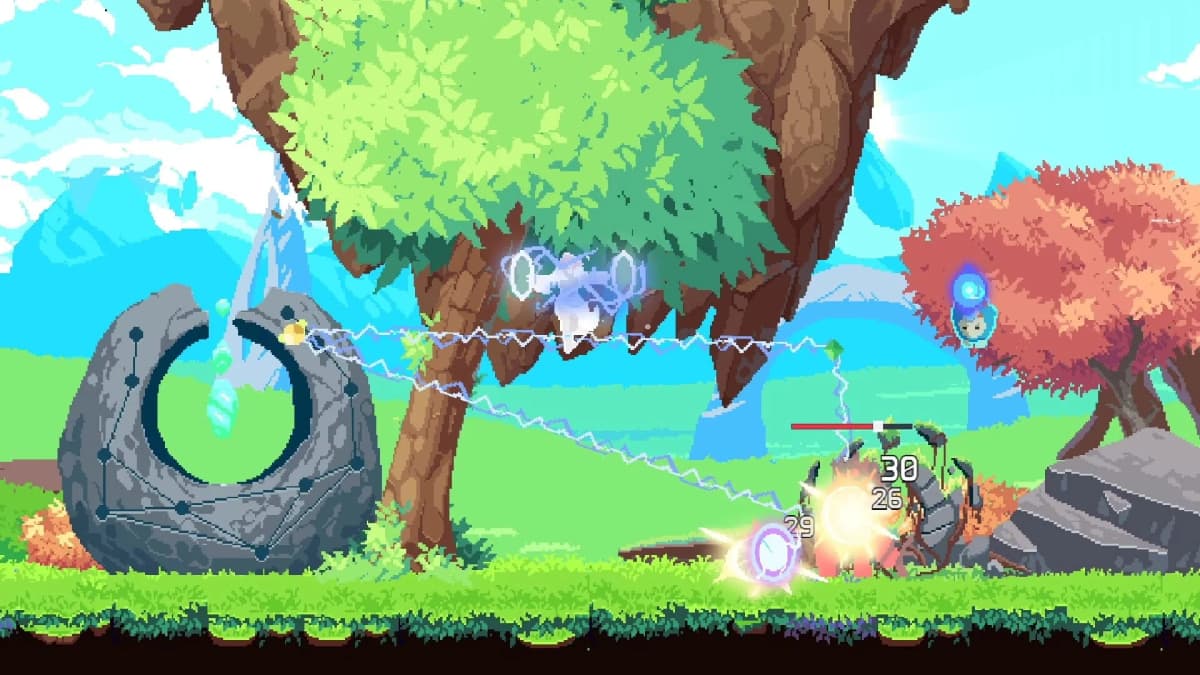
What these tutorials change is not your damage numbers or progression economy, but your success rate. They reduce bad installs, wrong folder placement, and the familiar PC modding headache where players think a file is broken when the issue is really pathing, version mismatch, or missing steps. In other words, tutorials are the difference between Astral Ascent modding feeling “dead” and Astral Ascent modding feeling “small but usable.” That is a huge difference for anyone trying to get past the first barrier.
Installation source: the tutorial pages inside the GameBanana Astral Ascent section. These are reference pages rather than gameplay mods, so there is no direct “install this and go” promise attached. But if you are using GameBanana for actual mod files, this is the part that keeps the process from turning into guesswork. In a scene this thin, good instructions are not side content. They are infrastructure.
5. GameBanana Requests
If you want to know what Astral Ascent players most want modding to fix, the requests section is more useful than a random “best mods” roundup pretending the scene is larger than it is. This entry earns its place because requests show the pressure points of the game and the likely direction of future community work. When a game has hundreds of uploads, request pages are background noise. When a scene is still developing, they are one of the clearest signals you have.
What it changes is your understanding of the ecosystem. Instead of wasting time hunting for non-existent overhauls, you can see which ideas the community keeps circling back to: quality-of-life improvements, balance experimentation, and practical ways to make runs easier to test. That lines up with the broader public picture around Astral Ascent modding, where trainers and parameter changes are currently much more visible than handcrafted content expansions. So even though a request page is not a “mod” in the strict sense, it is one of the best tools for reading the room correctly.
Installation source: none directly; this is a planning and discovery resource inside GameBanana, not a downloadable gameplay file. It still belongs here because it helps you separate realistic mod targets from wishful thinking. For Astral Ascent right now, that realism is valuable. The best current mod strategy is not chasing imaginary total conversions. It is following the places where practical tweaks are most likely to appear first.
6. GameBanana Questions
The questions section is where Astral Ascent modding stops being a download list and starts behaving like a living scene, even if that scene is still small. I am ranking it above some flashier-sounding alternatives because a thin ecosystem lives or dies on whether players can quickly confirm what works, what is outdated, and what never existed in the first place. Search results for small games are notorious for mixing real tools with junk pages, so a place where users can ask basic compatibility or installation questions is not optional fluff.
What it changes is confidence. When official support is limited and public mod visibility is sparse, players need a reality check before they start dropping files into folders or assuming a broken install means the scene is abandoned. A good questions page helps with version confusion, odd setup issues, and the basic “am I missing something?” stage that kills a lot of first attempts. That might sound modest, but in practice it is the difference between experimenting with Astral Ascent and giving up on modding it altogether.
Installation source: none by itself; think of it as a support layer attached to the GameBanana hub. If you only want direct downloads, this will look less exciting than a trainer. If you want the safest route into a small PC mod scene, it is one of the best resources on the board. That is especially true for Astral Ascent, where community-visible modding still feels early rather than established.
7. GameBanana Fan Discussions
Fan discussions are easy to underrate, especially if you come from giant modding communities where the interesting work already exists and forum chatter is just commentary. Astral Ascent is not in that position. Here, discussion threads still do practical work. They show what players are testing, what kinds of tweaks people care about, and whether a supposed mod has any visible community traction at all. In a smaller scene, that kind of social proof matters more than people like to admit.
This section changes how you judge credibility. If a file is real but nobody is talking about it, that is one kind of risk. If players are actively discussing a tool, asking how it behaves after patches, or comparing it to trainer options, you get a much clearer picture of whether it is worth the trouble. That is especially useful in Astral Ascent because public coverage still points toward a scene dominated by experimentation and convenience changes rather than big content drops. Discussions help you see those priorities without pretending there is a massive hidden archive waiting to be uncovered.
Installation source: no direct installation here; use fan discussions as a filter before downloading from the mod pages or using trainer clients. This is another entry that matters because the scene is small, not despite it. When Astral Ascent eventually gets more public mod momentum, discussion threads may become secondary. Right now, they are one of the better ways to tell what is active, what is useful, and what is just noise.
8. Steam Community’s “Mods” Discussion Thread
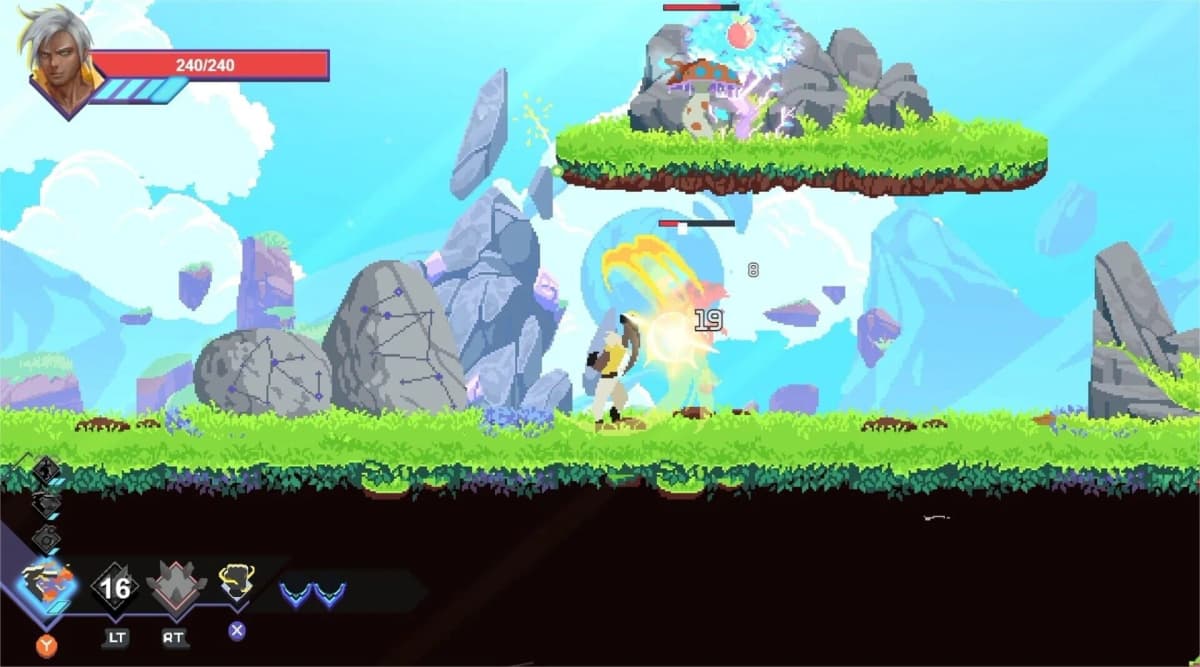
This might be the strangest entry on the list, but it earns its place because it performs a job most “best mods” articles avoid: it keeps your expectations honest. A visible Steam Community discussion asking about mods is strong evidence that Astral Ascent’s public mod support has felt sparse for a long time, or at least sparse enough that players kept having to ask where the scene actually was. That is useful information. It stops you from approaching Astral Ascent as if it already has a deep Workshop-style ecosystem when it plainly does not.
What this changes is your search behavior. Once you accept that the public scene is still relatively thin, the rest of the ranking makes more sense. GameBanana becomes the obvious mod hub. WeMod and PLITCH stop feeling like odd side picks and start looking like the practical PC tools they are. In other words, this thread is not here because it gives you a download. It is here because it frames the current reality better than inflated SEO pages that promise dozens of mods without showing a credible source.
Installation source: none; this is a reference point on Steam, not a mod file. Use it as a reality check before you go hunting. That might sound unexciting, but in Astral Ascent’s case it is valuable. The fastest way to waste time is assuming the mod scene is mature when the public evidence says it is still growing.
9. Update-Aware Install Checks for New Patches and DLC
This entry is less about a download and more about the single habit that keeps small-scene modding usable: always check compatibility after official updates. Astral Ascent has continued to receive meaningful support, including DLC like Yamat, and that is great for the game itself. It is less great for casual mod users who assume an older file, trainer profile, or setup note must still behave the same way after a patch. In bigger scenes, constant comment traffic usually tells you when something breaks. In smaller scenes, you often have to be more deliberate.
What this changes is stability. A trainer or community file that felt dependable one month can become unpredictable after official changes, especially if the public page is quiet. That is why version checking deserves its own slot here. In a game with a shallow mod bench, a single broken setup can make the whole ecosystem feel worse than it is. Keeping one eye on update timing is how you avoid blaming the wrong tool. It is also how you separate “this mod scene is dead” from “this file simply needs to catch up.”
Installation source: not a standalone source, but a step you should apply before using GameBanana downloads, WeMod, or PLITCH. If that sounds too cautious, remember the context: Astral Ascent is still a game where modding convenience has not fully caught up with player curiosity. A little version discipline goes a long way.
10. A Clean Test Setup Using GameBanana Files or Trainer Clients
The final entry is the most practical one to keep. If Astral Ascent had a giant polished scene, I would rather end with a spectacular overhaul. It does not, so the best last recommendation is a clean test setup: use verified GameBanana pages for community files, use WeMod or PLITCH for trainer-style experimentation, and keep those experiments separate from your normal play habits. That sounds almost boring, but it is exactly the kind of boring that saves you headaches in a developing mod ecosystem.
What this changes is trust. Once you treat Astral Ascent modding as a controlled test instead of a blind install spree, the small scene becomes much easier to live with. You know where the files came from. You know whether you are using a community upload or a trainer. You know when a change is likely tied to a patch, a setup error, or the tool itself. That structure matters because the current public landscape is split between real community resources on GameBanana and cheat-style PC clients that are effective but fundamentally different from traditional mod packs.
Installation source: GameBanana for community-made files and instructions, WeMod for the six-cheat trainer setup, and PLITCH for the broader 26-code trainer approach. That combination is the most realistic “best Astral Ascent mods” answer available today. Not the most glamorous one, but definitely the most honest.
Practical takeaway
If you want the short recommendation, use GameBanana first and treat it as the real center of Astral Ascent modding. Go to WeMod if you want the quickest verified gameplay changes, and choose PLITCH if you want more knobs to turn. Just keep your expectations calibrated: Astral Ascent is still a “small but usable” mod scene, not a full-blown overhaul paradise. Right now, the best tools are the ones that help you experiment, practice, and install cleanly without pretending the ecosystem is bigger than it is.
FinalBoss // Gear
Level up your setup
01Top-rated gaming headsetson Amazon→02High-refresh gaming monitorson Amazon→03Gaming chairson Amazon→04Discounted game keyson Kinguin→
Affiliate links · As an Amazon Associate, FinalBoss earns from qualifying purchases.
Want to Level Up Your Gaming?
Get access to exclusive strategies, hidden tips, and pro-level insights that we don't share publicly.
Ultimate Top Strategy Guide + Weekly Pro Tips