
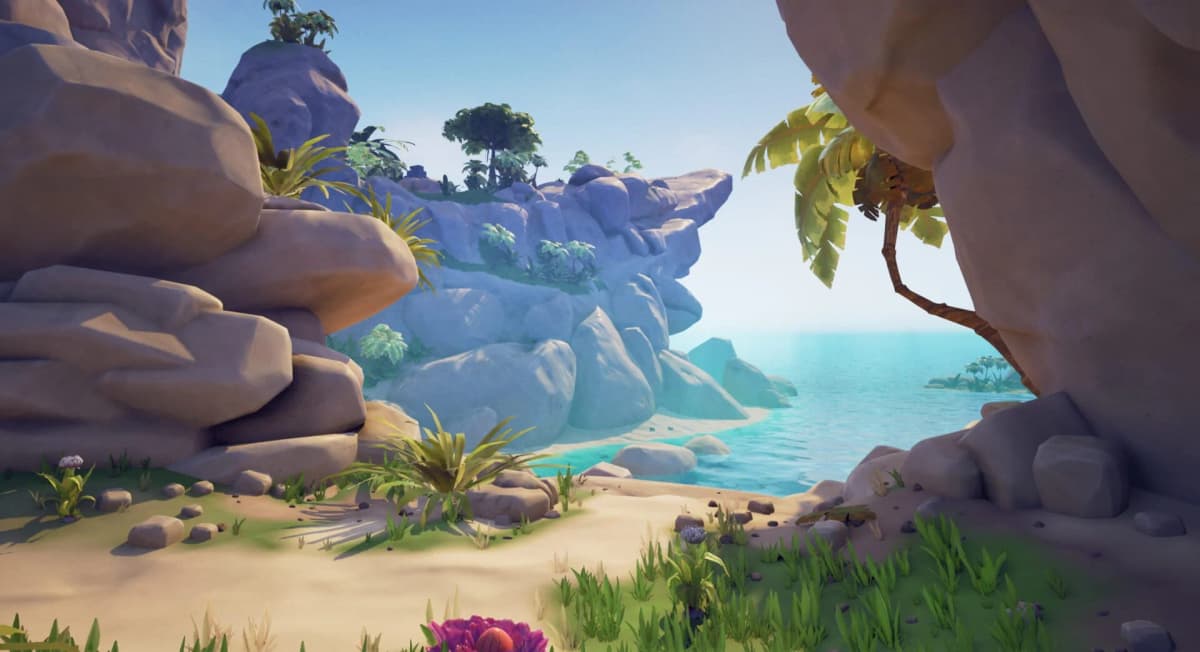
Astrobotanica hits 50k wishlists and a Next Fest demo
Game intel
ASTROBOTANICA
Discover Earth 300 thousand years ago as an alien biologist. Utilize your expertise in botany to survive, grow plants, harvest crops, compose and brew tonics.…
Why Astrobotanica Actually Caught My Eye
Survival games are clogged with familiar loops-chop, craft, hunger meter, repeat-so when Space Goblin Studio says Astrobotanica is “science-driven,” I perk up. The hook isn’t just another tree-puncher with aliens; it’s botany as progression, experimentation as power. The game just crossed 50,000 Steam wishlists, has a public demo slotted for Steam Next Fest (October 13-20), and is aiming for Early Access in Winter 2025. That’s plenty of runway to prove this isn’t just Subnautica-by-way-of-houseplants.
Key Takeaways
- 50k wishlists is legit momentum for a debut studio, but the Next Fest demo will decide if that interest sticks.
- “Science-driven” needs to mean more than scanning leaves for recipe unlocks; the discovery loop has to be the game, not a garnish.
- Early Access in Winter 2025 gives time to iterate-but it’s also time to overpromise. A clear, realistic roadmap is essential.
- Steam Deck support is planned; UI density and performance will make or break portable play.
Breaking Down the Announcement
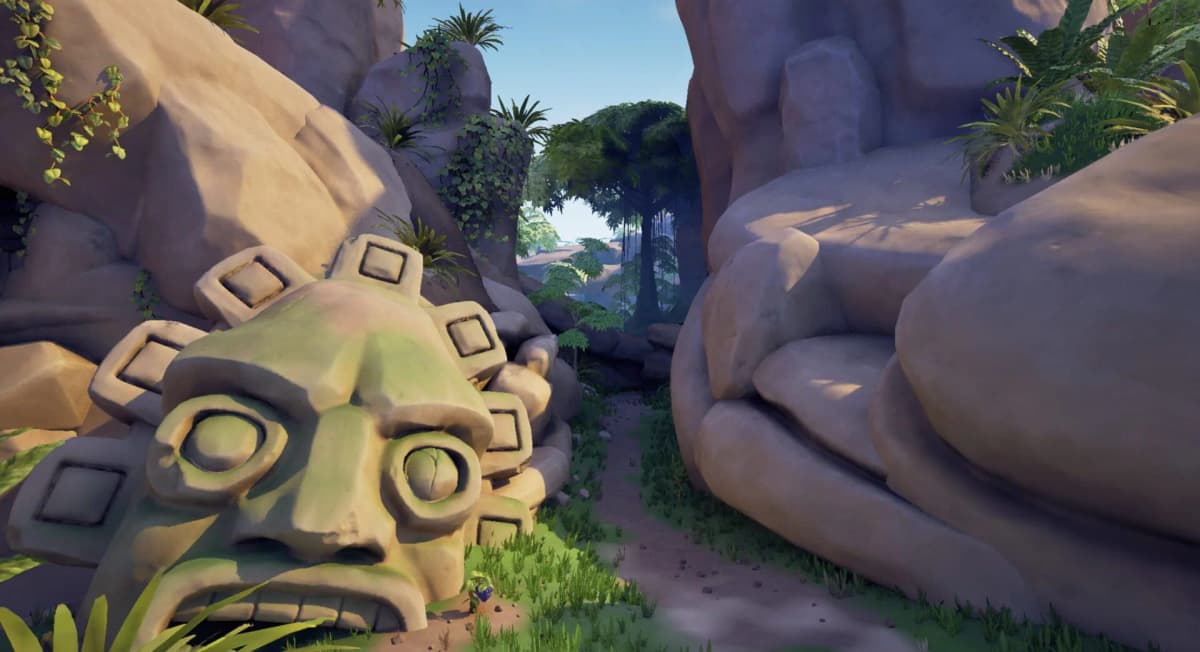
Here’s the gist: Astrobotanica, developed in Warsaw by Space Goblin, passed 50k wishlists and will be playable for the first time publicly during Next Fest. Earlier this summer (June 2025), around 1,500 Kickstarter backers got into a closed alpha. The Kickstarter wrapped with £46,836—modest, but enough to validate a niche concept and fund polish. The pitch? You play as Xel, an extraterrestrial botanist, studying Earth’s prehistoric flora, crafting tonics and tools from plants, cultivating a garden, and negotiating with primal humans scattered across island biomes.
Core systems on paper are familiar—exploration, crafting, survival meters—but the emphasis is on research and experimentation: extract plant properties, combine them into tonics, learn through trial, error, and observation. There’s a social layer too: building trust with primal humans for trade and mutual aid. If that’s more than a glorified shopkeeper system, it could open up interesting emergent moments.
The Real Story Behind “Science-Driven”
Plenty of survival games drape themselves in science. Subnautica turned scanning into a satisfying loop because it changed your understanding of the world and gated progression in clever ways. The Planet Crafter made data and experimentation part of a planetary transformation arc. On the flip side, we’ve all played games where “research” means standing still while a bar fills so you can unlock a +5% buff.
Astrobotanica’s promise hinges on whether plants feel like systems to decode, not collectibles to hoover up. Do different soil types, weather, and cross-pollination lead to new compounds? Can failed mixtures create unexpected side effects you might exploit? Are puzzles actually asking you to reason about biology, or are they just color-coded locks? If the team nails these questions, “science-driven” becomes more than a tagline.
Why This Matters Now
We’re in a post-Valheim, post-Enshrouded world where Early Access survival can explode—when the loop feels fresh and players sense a studio listening. Space Goblin says community feedback is core to development; that aligns with their alpha to Kickstarter backers and this Next Fest demo. The danger, as always, is scope creep. Winter 2025 is months out, which is both a blessing (time to iterate) and a red flag (time to tack on trendy features). A tight, public roadmap—what hits 0.1, what waits for 0.6, what’s definitely out—would inspire confidence.
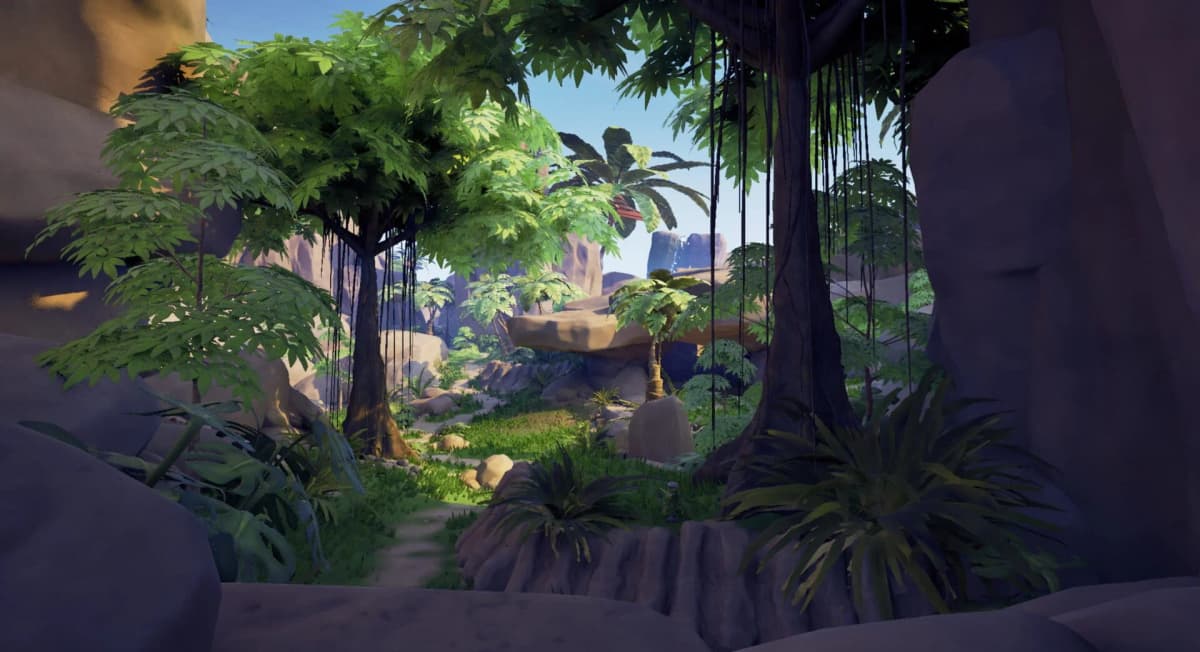
Also notable: the setting. Prehistoric Earth with “primal humans” is a sharp pivot from typical alien-world survival. There’s potential for meaningful diplomacy mechanics, but also room for shallow AI routines. If relationships impact access to rare plants, safe passage, or co-operative tasks, it could elevate the loop beyond “scan, craft, move on.” If they’re just reskinned vendors, that’s a missed opportunity.
What Gamers Should Look For In The Demo
- Discovery Depth: Do plant properties interact in surprising ways, or are recipes linear and wiki-bait?
- Friction vs. Flow: Are survival meters (hunger, temperature, toxicity) tuned to encourage exploration, not babysitting bars?
- Tooling & UI: Is there a lab space with clear readouts, tagging, and note-taking so experimentation feels empowering?
- Human Interaction: Are relationships mechanical (reputation, trade routes, favors), or just dialogue pop-ups?
- Performance: How stable is it on mid-range PCs, and does the UI scale for Steam Deck readability?
Want to Level Up Your Gaming?
Get access to exclusive strategies, hidden tips, and pro-level insights that we don't share publicly.
Ultimate Gaming Strategy Guide + Weekly Pro Tips
About That 50k Wishlist Number
For a debut indie, 50k wishlists pre-demo is strong—enough to get algorithmic lift during Next Fest, which can snowball if the demo lands. But wishlists are interest, not intent. We’ve seen titles spike on Next Fest buzz only to fizzle when the loop doesn’t hold after two hours. The best-case scenario here is steady post-demo growth and a Discord buzzing with “I discovered X by mixing Y in Z biome” stories instead of endless bug reports.
Steam Deck Plans Are Great—If The UI Cooperates
Space Goblin says Astrobotanica will be fully playable on Steam Deck. Love that, but most survival games struggle with tiny fonts and cursor-heavy menus. If they provide readable text, smart radial menus, and sensible gamepad bindings for lab work, Deck players will actually use it on the go. If not, it becomes a “looks nice, I’ll wait for desktop” situation.
The Gamer’s Perspective
I want this to be the survival game where curiosity is the meta. The Kickstarter funding and closed alpha suggest Space Goblin is listening. The Next Fest demo is their moment to show that science isn’t window dressing. A transparent Early Access plan for Winter 2025—and clarity on fundamentals like co-op (not mentioned), mod support, and endgame goals—will tell us whether Astrobotanica is cultivating something special or just repotting familiar systems.
TL;DR
Astrobotanica blends survival with botany and lab-like experimentation, and the 50k wishlists show there’s real interest. The Next Fest demo will reveal if “science-driven” means meaningful discovery or just another crafting tree. Early Access hits in Winter 2025—keep an eye on the roadmap, Deck UI, and how deep the plant systems really go.