
If NPCs actually remember your betrayals and rework their lives around them, you stop treating this as a series of disposable quests and start planning for generational consequences. That’s the pitch behind Astrobuilder’s Steam Next Fest demo: a persistent Neon River Galaxy where 600+ AI-driven characters carry memories and evolving goals that can reshape trade, diplomacy and combat long after the player moves on.
- Playable now: Astrobuilder’s demo is available during Steam Next Fest (Feb 23-Mar 2) on PC/Steam.
- Scale claim: 160+ planets, 600+ AI NPCs with “memory and intent” to enable emergent narratives.
- Core tech: Wa Studio says a proprietary hybrid AI gives NPCs long-term goals and shifting allegiances, not scripted reactions.
- Why it matters: If the AI lives up to the hype, choices will ripple across a persistent galaxy rather than reset at each save.
Table of Contents (6)
This isn’t a bigger checklist – it’s a different design promise
Most indie space games sell you more planets, more ship parts, or a wider tech tree. Astrobuilder is selling a different commodity: continuity. Wa Studio isn’t just handing players a sandbox to tinker in; it’s promising a sandbox that tinks back. That matters because emergent systems only feel meaningful when consequences stack over time. A remembered insult that costs you a trade route next season is an actual stake. Persistent repercussions convert sandbox fiddling into strategy, diplomacy, and occasionally, political theater.
The uncomfortable thing the press release left polite
“AI used for good” is a fine PR line. The real questions are technical and design-first: what does “memory” actually store? Are NPC memories shallow flags (“you attacked X”) or deep vectors of relationship, reputation and motive that influence future decisions? How deterministic are the outcomes – or will “emergent” often read as meaningless chaos?
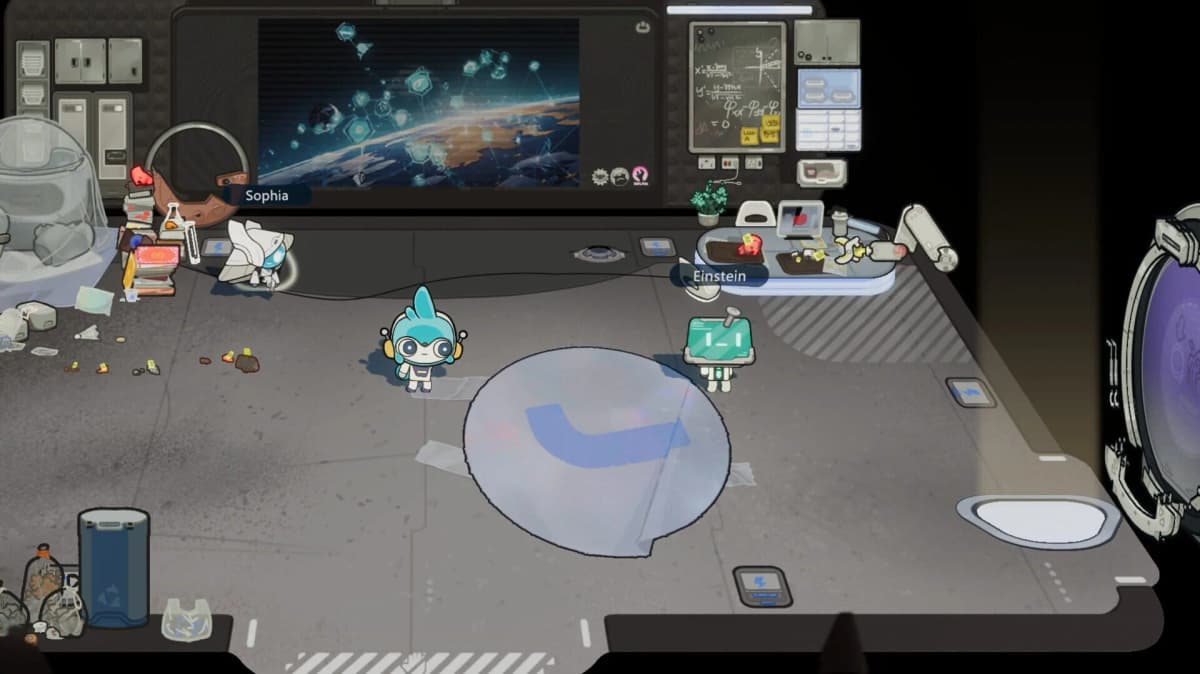
I asked the obvious follow-up Wa Studio should expect at every hands-on: is that persistence local to a save file, or server-authenticated to support shared universes? The company says the hybrid AI pairs handcrafted design with algorithmic NPC behavior, and that human authorship shapes the world before AI runs the characters. That’s reassuring – the worry is always that “AI-first” becomes shorthand for “we outsourced writing to unpredictable systems” instead of “we used AI to amplify human-crafted systems.”
Why skepticism here is realistic, not cynical
Steam Next Fest is a crowded showcase where promising concepts often read much better in trailers than in extended play. The event has highlighted genuine standouts recently, but it’s also where ambition meets the hard cost of delivering emergent systems at scale. Six hundred NPCs with evolving goals is impressive on paper — it quickly becomes a question of performance budgets, QA, and authorial control. Emergence without design guardrails risks producing lots of interesting anecdotes but few satisfying arcs.
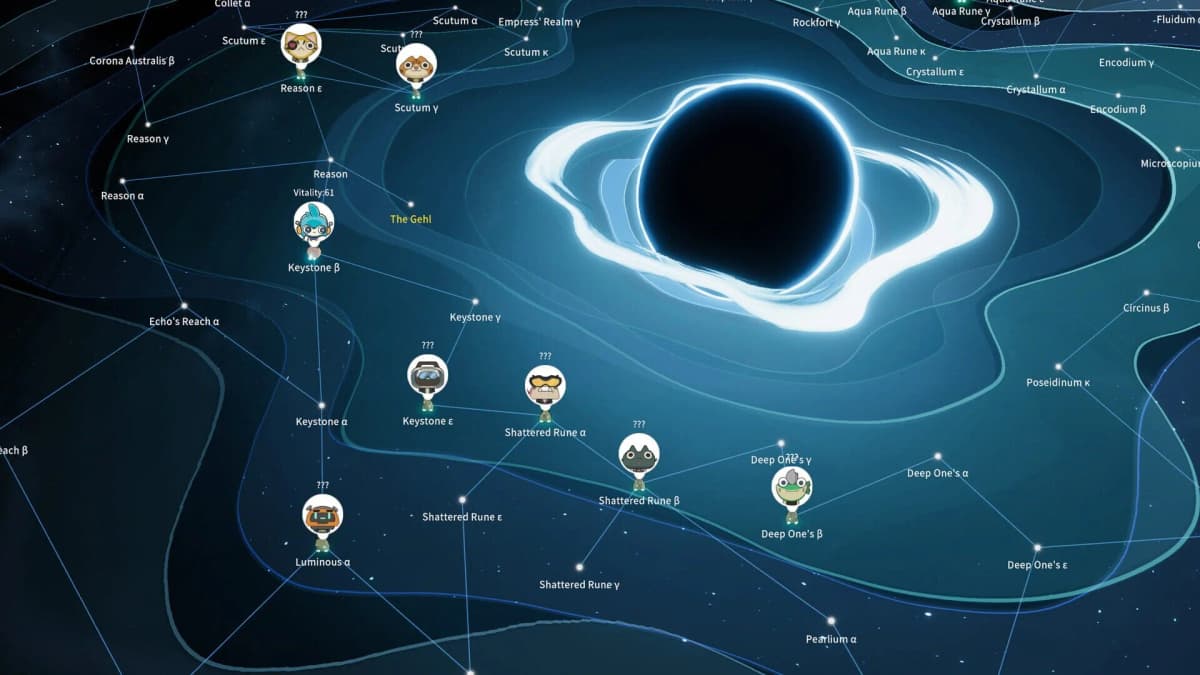
What Wa Studio needs to prove next
- Concrete examples from longer play: show a decision in Act I visibly altering politics, trade, or combat weeks later.
- Transparency on tech: explain how memory works, how much of NPC behavior is handcrafted vs. computed, and the hardware cost to players.
- Save and persistence model: confirm whether these are single-player persistent saves or a server-side universe that could support shared consequences.
- QA and moderation plans: emergent narratives invite edge cases — show how the studio plans to prevent broken, nonsensical or abusive outcomes.
How the demo fits the moment
Astrobuilder’s demo landing during Steam Next Fest is smart timing: players and press are actively looking for demos that show systemic ambition rather than glossy cutscenes. It joins a crop of indie titles using the festival to prove ideas live, not just promise them. But success here won’t be a marketing win — it’ll be in player stories and follow-up videos that show real, traceable consequences from the AI’s behavior across multiple sessions.
What to watch (and when)
- Now-Mar 2, 2026: Try the Steam Next Fest demo and test whether NPCs retain history across sessions.
- Q1 2026 (launch window): Look for post-launch player diaries and long-form reviews showing emergent arcs across multiple playthroughs — not single anecdotes.
- Developer transparency: Watch for technical write-ups or a whitepaper explaining the hybrid AI’s architecture and memory model.
- Performance reports: Keep an eye on system requirements and whether the AI runs client-side or relies on cloud compute.
Wa Studio has pedigree — the team includes veterans with years in the industry and some ties to larger studios — and they’ve given us something worth touching. But the line between “AI makes things feel alive” and “AI creates noisy outcomes” is narrow. If Astrobuilder can show durable, meaningful ripples from player choices, it won’t just be another space-sandbox: it will be a prototype for what persistent, AI-driven worlds should look like.
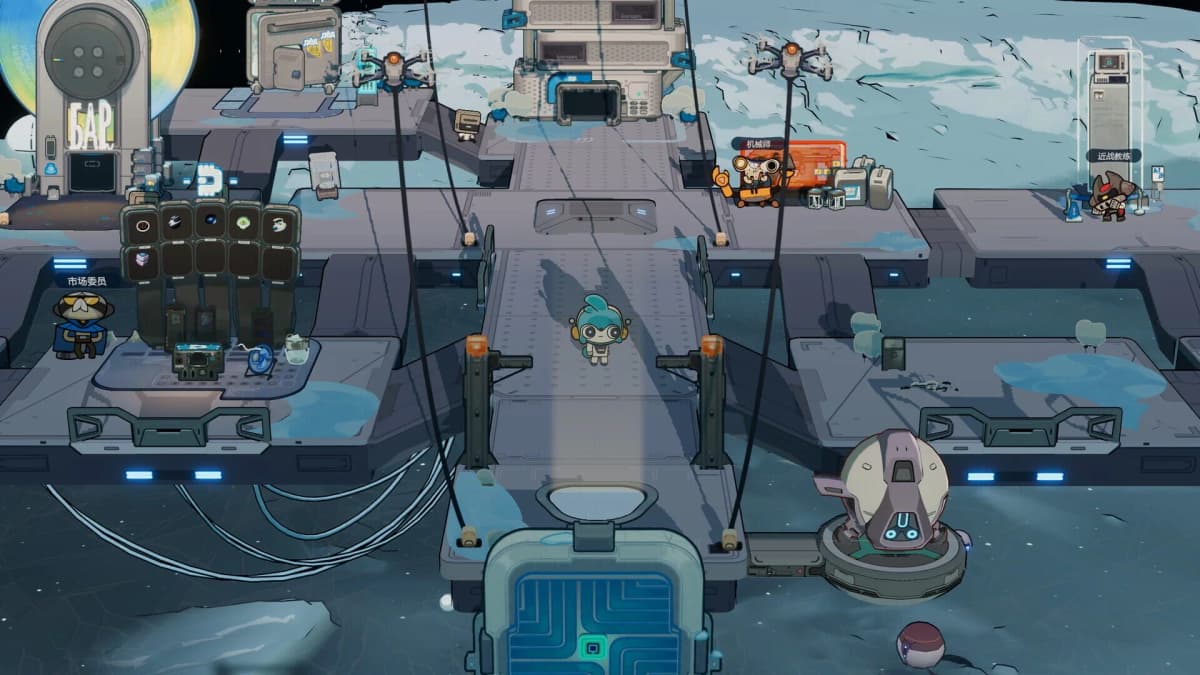
TL;DR: Astrobuilder’s Steam Next Fest demo puts a persistent galaxy of 160+ planets and 600+ memory-bearing NPCs in your hands — a bold bet that player actions can create long-term political and economic consequences. It’s promising on paper; the demo and the Q1 2026 launch window are the next tests. Watch for proof that memories produce narrative weight, not just procedural noise.
FinalBoss // Gear
Level up your setup
01Top-rated gaming headsetson Amazon→02High-refresh gaming monitorson Amazon→03Gaming chairson Amazon→04Discounted game keyson Kinguin→Affiliate links · As an Amazon Associate, FinalBoss earns from qualifying purchases.
Want to Level Up Your Gaming?
Get access to exclusive strategies, hidden tips, and pro-level insights that we don't share publicly.
Ultimate Gaming Strategy Guide + Weekly Pro Tips