
Astroneer’s Megatech DLC Shoots for the Automation Endgame — What Players Should Really Expect
Game intel
ASTRONEER: Megatech
Explore and exploit distant worlds in a game of aerospace industry and interplanetary exploration. With your gun you can reshape the landscape around you and g…
This caught my eye because Astroneer is finally going big
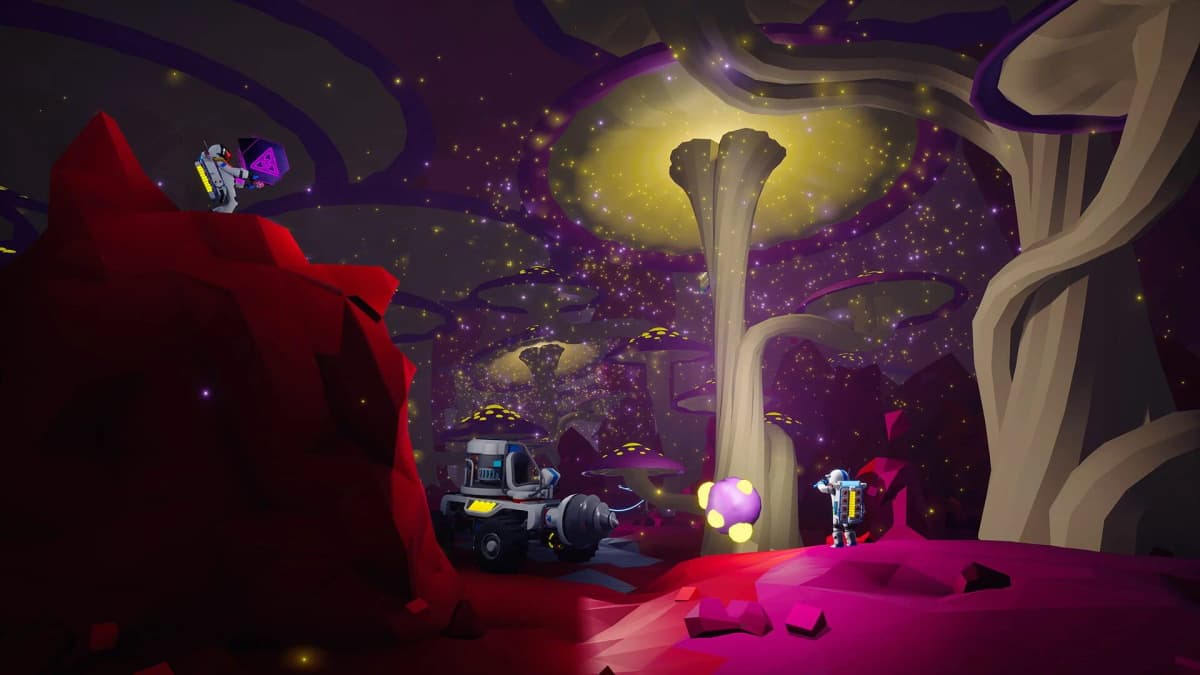
After years of clever, toybox-sized tinkering-Auto Arms, Rails, medium canisters, the whole EXO event carousel-Astroneer is jumping into true late-game engineering. Devolver Digital and System Era Softworks are teaming up to release Astroneer: Megatech this November across PC, Nintendo Switch, PlayStation 4/5, and Xbox One/Series X|S. It’s a paid DLC focused on “Megastructures” for basebuilding and automation, paired with a simultaneous free update that adds one megastructure: an automated interplanetary transport solution for everyone. Translation: less shuttle busywork, more logistics brains. That’s a big shift for a game that’s always balanced whimsy with wires.
Key Takeaways
- Paid DLC adds multiple Megastructure projects; free update gives all players one: automated interplanetary transport.
- Launch is simultaneous across PC, Switch, PlayStation, and Xbox this November.
- This moves Astroneer closer to Factorio/Satisfactory-style logistics without losing its tactile charm-if performance and balance hold up.
- Open questions: price, co-op compatibility rules, and how much the free player experience is gated.
Breaking down the announcement (minus the marketing varnish)
The headline is simple: the paid Megatech DLC introduces “massive Megastructure projects” that expand basebuilding and deep automation. Think multi-module builds designed to move, process, and coordinate resources at scale. Alongside it, a free update drops a single Megastructure type built specifically for automated interplanetary transport—so even if you don’t buy in, you’ll be able to ship materials between planets without babysitting shuttles.
System Era has been edging in this direction for years. Rails turned planets into connected factories and Auto Arms made assembly lines possible, but off-world logistics always hit a ceiling: you could spam shuttles, queue launches, and brute-force it with RTGs, yet it still felt like courier work. A dedicated transport megastructure is the missing piece that lets Sylva, Calidor, and Atrox actually behave like a shared industrial network instead of isolated outposts.
The real story: Astroneer’s automation endgame arrives
If you’ve ever set up a silicone chain on Calidor, piped gas from Atrox, and then remembered you left your nanocarbon alloy ticking away on Glacio—yeah, this is for you. A proper interplanetary transport hub cuts the worst parts of the mid-to-late game: repetitive shuttle runs and inventory juggling. That means more time designing megabases, less time counting graphite.
The paid DLC’s broader Megastructures sound like endgame anchors: big, resource-hungry builds that reward careful planning. Expect multi-stage construction, massive power requirements, and a reason to finally use those pallets of titanium alloy you’ve been hoarding since Awakening. The best-case scenario is Dyson Sphere Program energy—ambitious, modular builds that evolve your base from a spaghetti of platforms into a proper industrial campus.
But there’s a balance question. Astroneer’s magic is its tactile loop: digging, printing, slotting, watching little arms fidget. If megastructures automate too much, the game risks becoming a passive progress bar. I want them to reduce drudgery (hauling, busy logistics) without erasing the satisfying micro-interactions. Rails struck that balance; here’s hoping Megatech does too.
Want to Level Up Your Gaming?
Get access to exclusive strategies, hidden tips, and pro-level insights that we don't share publicly.
Ultimate Gaming Strategy Guide + Weekly Pro Tips
Performance and co-op questions that need answers
Let’s be blunt: performance is the elephant in the habitat. Even on beefy PCs, late-game bases can chug; on Switch and base last-gen consoles, the Rails update could spike hitching once the spaghetti got real. Megastructures imply more entities, more power networks, more pathing. System Era has optimized steadily, but this is a stress test. If the new transport hub lets you centralize throughput instead of littering planets with dozens of active modules, that could actually help performance—if the devs design it that way.
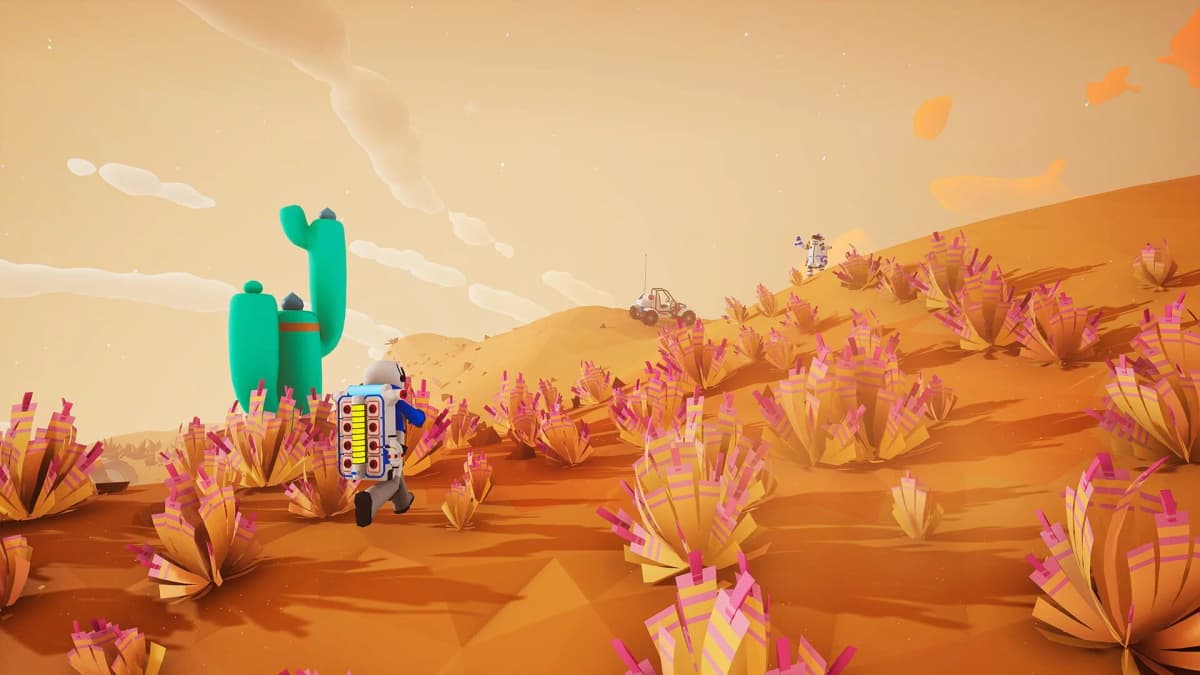
Co-op is the other big question. Astroneer is a better game with friends, so how does DLC gating work? If the host owns Megatech, can non-DLC players join and interact with megastructures? Is blueprint access tied to the save or the account? We’ve seen clean approaches (content hosted by the owner unlocks for all in-session) and the annoying ones (guests can’t use the new toys). Clarity here will make or break community adoption.
And price? Not announced here. “Wishlist now” is nice, but this kind of endgame DLC lives or dies on value perception. If Megatech delivers multiple meaningful megaprojects plus robust QOL improvements, great. If it’s one or two showpieces with grindy recipes, expect pushback.
Why this move makes sense right now
Industry-wise, this tracks. Factorio went paid with Space Age, Satisfactory hit 1.0 with a focus on late-game refinement, and Dyson Sphere Program proved there’s a huge appetite for “big brain” automation. Astroneer has always been the approachable cousin—less spreadsheet, more sandbox. Megatech is a smart way to expand its ceiling without abandoning its identity. After the Awakening storyline wrapped, the community’s hunger shifted from narrative to new systems; megastructures answer that call.
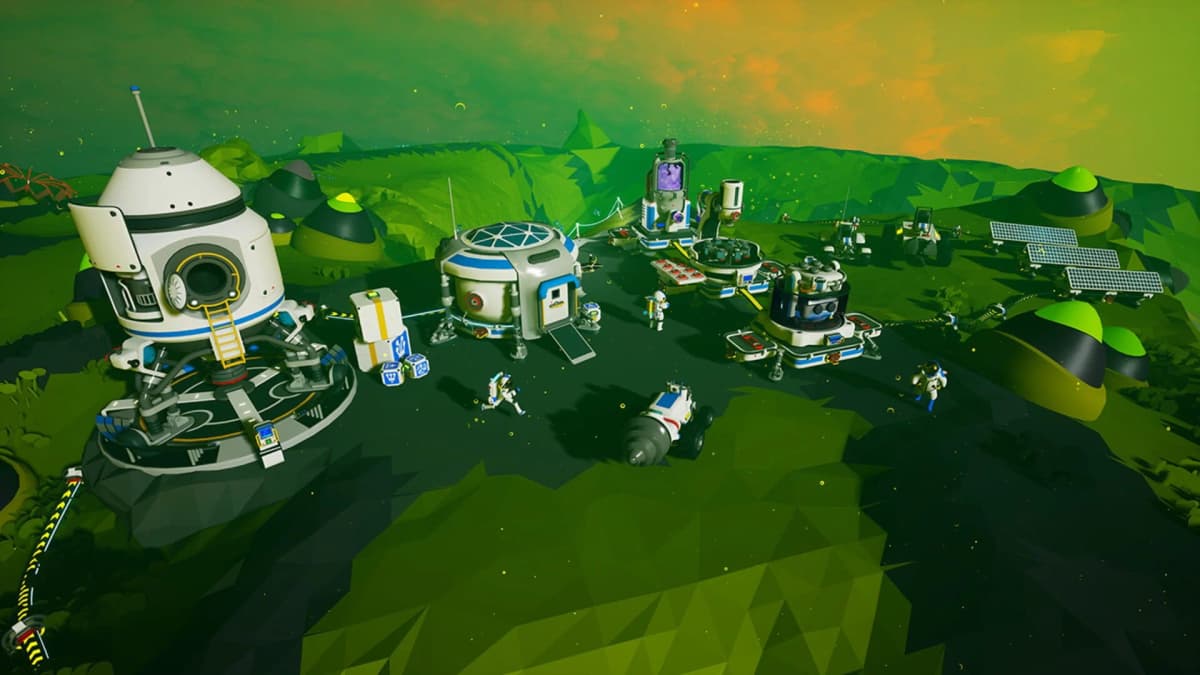
If you’re prepping for launch, here’s the play: flatten a massive build pad on your main world, stockpile advanced alloys (titanium, nanocarbon), spin up redundant power (RTGs, turbines, batteries), and tidy your rail network. The more organized your current save, the faster you’ll scale into megastructures without turning your base into a salvage yard.
TL;DR
Astroneer’s Megatech DLC goes all-in on late-game engineering, while a free transport megastructure finally solves interplanetary busywork for everyone. It’s the right direction—provided performance holds up, co-op isn’t messy, and the price matches the scope. Cautious optimism, with a shovel at the ready.