
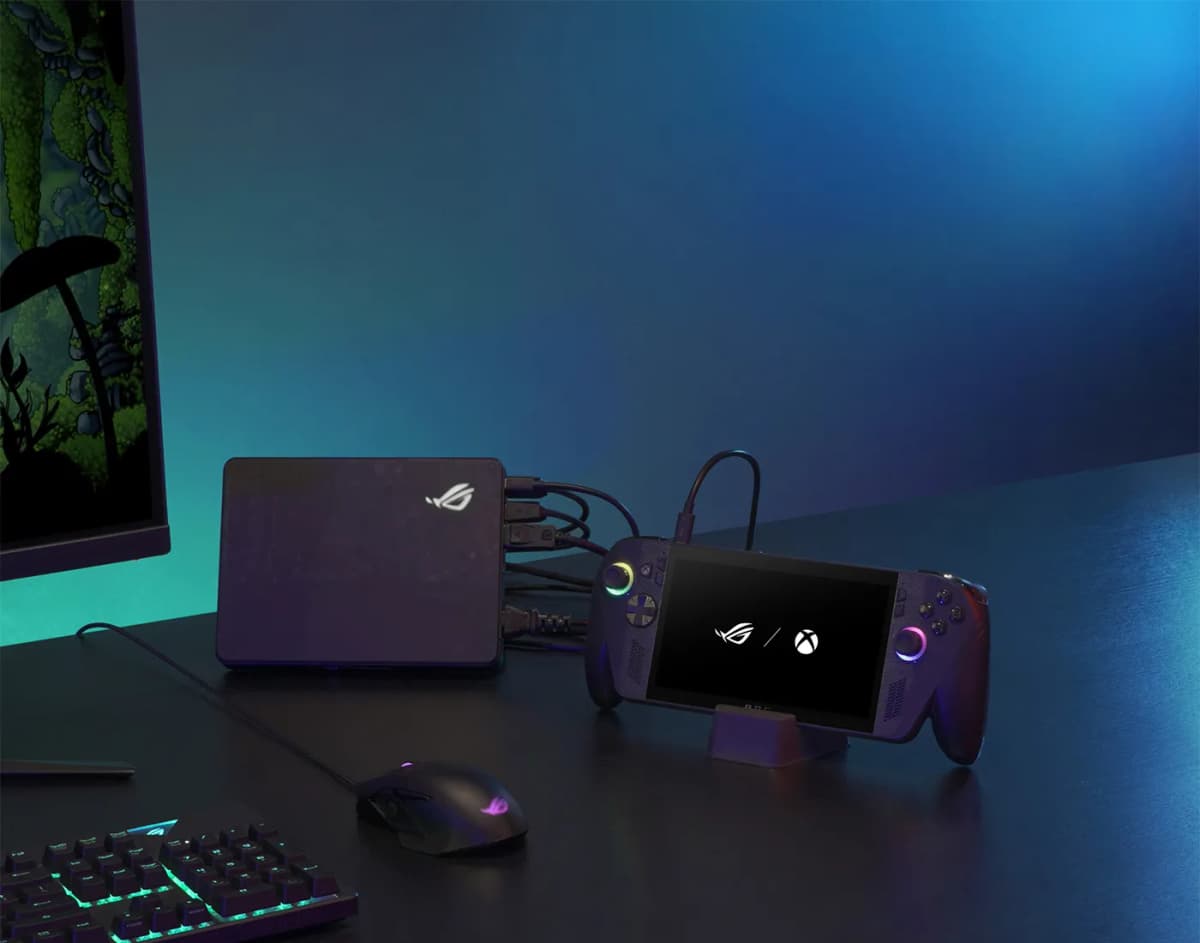
This caught my attention because Microsoft finally put the Xbox name on a Windows handheld, which signals they’re taking portable PC gaming seriously. Asus and Xbox have revealed prices and dates for two models: the Asus ROG Xbox Ally at €599.99 and the Asus ROG Xbox Ally X at €899.99. Preorders open September 23, with launch on October 16. On paper, they’re powerful and well-specced. The real question is whether these are better gaming companions than a Steam Deck OLED or Lenovo Legion Go-and whether Windows has caught up to handheld life.
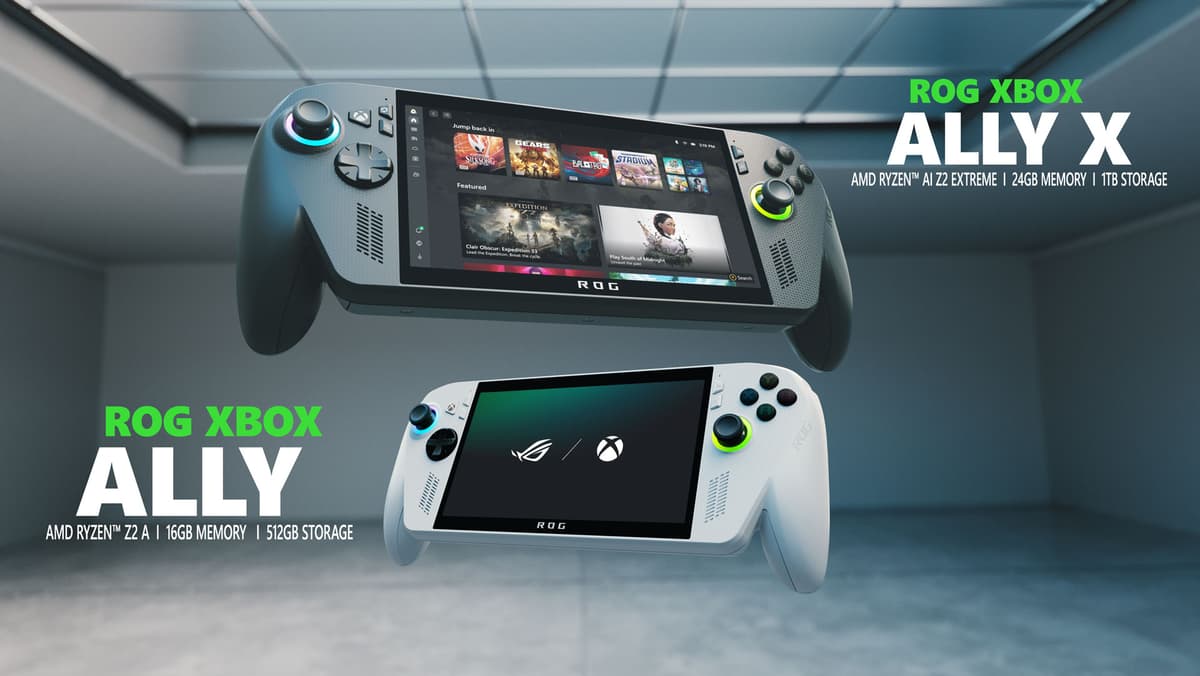
The €599.99 Asus ROG Xbox Ally (white) pairs AMD’s Ryzen Z2 A APU with 16GB of LPDDR5-6400 and a 512GB M.2 2280 SSD. The headline is the 7-inch 1080p 120Hz IPS display with FreeSync Premium, which should keep 40-60fps games feeling smooth. You get Windows 11 Home, Wi‑Fi 6E, Bluetooth 5.4, a 60Wh battery, and Xbox-style controls with Hall-effect analog triggers, two back buttons, and HD haptics. Importantly, there are two USB 3.2 Type‑C ports, a microSD UHS‑II slot, and a combo 3.5mm jack.
The €899.99 Asus ROG Xbox Ally X (black) is the “no compromises” version: AMD Ryzen AI Z2 Extreme APU, 24GB LPDDR5X‑8000, 1TB M.2 2280 SSD, and a bigger 80Wh battery. Connectivity upgrades stand out—USB4 with DisplayPort 2.1 and Thunderbolt 4 compatibility plus an extra USB 3.2 Type‑C. That opens the door for high-bandwidth docks and potential eGPU tinkering. Otherwise, the screen, OS, radios, and form factor are the same, with a slightly heavier 715g weight (vs 670g on the base Ally).
Let’s get blunt: at €599.99, the base Ally squares up against the Steam Deck OLED 512GB. The Deck’s OLED panel is brighter, more efficient, and HDR-ready, though it tops out at 90Hz and 800p. The Ally’s 1080p/120Hz sounds sexy, but you’ll often scale to 720p/800p or lean on FSR to hit decent battery life. If you value gorgeous screen tech and a frictionless handheld UI, the Deck still rules. If you want native Game Pass, modding freedom, and higher refresh for indie and retro, the Ally makes a case.
On the high end, €899.99 puts the Ally X above Lenovo’s Legion Go (often seen cheaper) and far past Steam Deck pricing. You’re paying for the bigger battery, faster memory, 1TB storage, and USB4/TB4 flexibility. That could be worth it if you plan to dock frequently or experiment with external GPUs. But it’s a premium tax. Also, the original ROG Ally had microSD reliability issues under heat; these models use UHS‑II as well, and Asus really needs to show that’s fully solved.
I’ve spent enough time juggling Windows on handhelds to know the pain points: updates at the worst moments, tiny UI elements, and the Xbox app occasionally forgetting who you are. Asus and Microsoft tout “Xbox Full Screen” support, which should streamline the living-room feel, but it’s still Windows under the hood. The upside is versatility—you can install anything, from Battle.net to emulators. The downside is tinkering. Expect the 120Hz screen to shine in Hades II or Vampire Survivors. In Starfield or Cyberpunk 2077, you’ll be dialing down to 720p with FSR, 30-45fps targets, and a couple of hours on the 80Wh battery if you’re careful. The 60Wh base model will feel tighter.
If you live in Game Pass and want a handheld that behaves like a tiny gaming laptop, the base Ally is the value pick—especially if you don’t mind some settings wrangling. The Ally X is for power users: dockers, tinkerers, and folks who want headroom (24GB RAM helps with heavier PC titles and multitasking) plus better endurance. If you crave a couch-friendly, polished interface with minimal fuss and top-tier screen tech, the Steam Deck OLED is still the safer bet at lower prices. Everyone else? Wait for reviews and battery tests before dropping €899.99.

The co-branding matters: Xbox signaling support could mean better drivers, tighter Xbox app integration, and a clearer handheld story on Windows. But branding isn’t a patch. The hardware looks right, the pricing is competitive-to-premium, and the specs suggest a meaningful bump over last year’s Ally. Now we need proof that Windows handheld UX is finally ready for prime time—and that Asus has nailed thermals, microSD reliability, and battery life claims.
Asus ROG Xbox Ally lands at €599.99, Ally X at €899.99, preorders Sep 23 and launch Oct 16. Great screens and strong specs, but Windows handhelds are still a tinkerer’s game. The base model looks like fair value; the X is a premium bet for power users. Wait for real-world battery and thermals before committing.
Get access to exclusive strategies, hidden tips, and pro-level insights that we don't share publicly.
Ultimate Gaming Strategy Guide + Weekly Pro Tips