
Avatar Legends: The Fighting Game Is Back From Cancellation — But Can It Finally Do Aang Justice?
Game intel
Avatar Legends: The Fighting Game
Avatar Legends: The Fighting Game is a fast-paced 1v1 fighter where you battle as your favorite characters from the Avatar franchise. Featuring hand-drawn 2D a…
The Avatar game I’ve been waiting for-cautiously
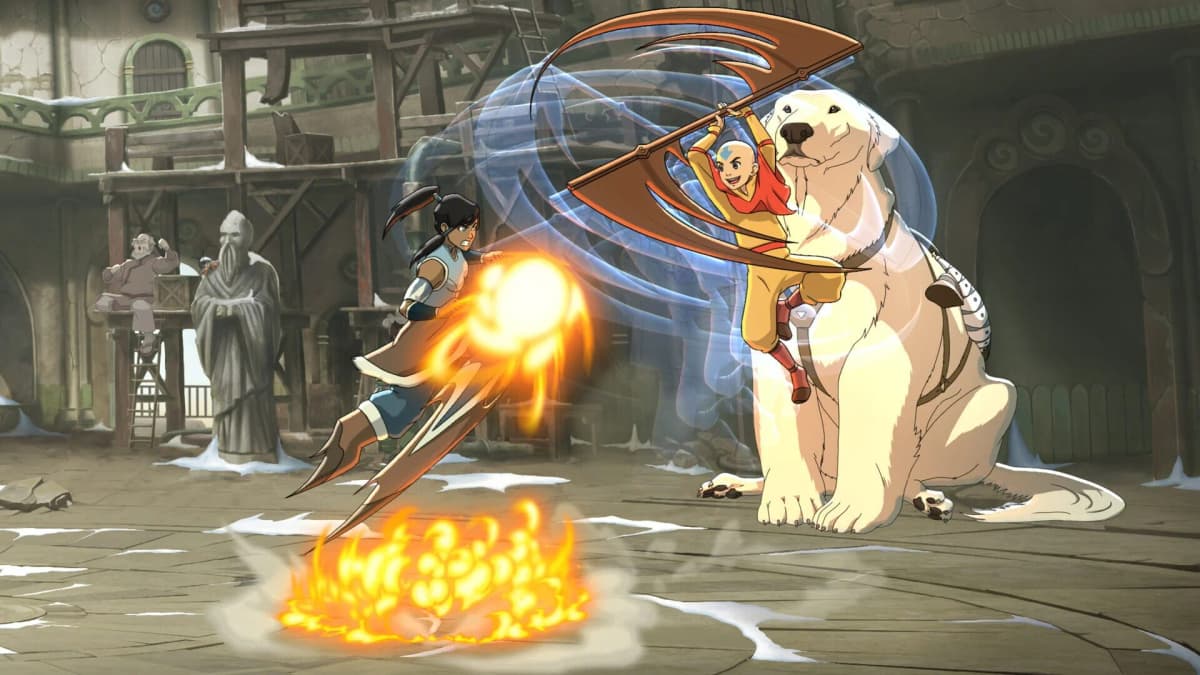
Avatar: The Last Airbender has one of the richest worlds in animation, yet its video game history is… rough. From throwaway PS2-era tie-ins (remember The Burning Earth and its infamous 1000G in minutes?) to Platinum’s rushed 2014 Korra game and last year’s middling Quest for Balance, it’s been a cycle of missed potential. That’s why the return of Avatar Legends: The Fighting Game-revived after being canceled in 2024-actually caught my attention. A hand-drawn 2D fighter with competitive ambitions is the first time in years this license sounds like it understands what makes Avatar sing: kinetic movement, expressive characters, and elemental style that should translate perfectly to fighting game fundamentals.
The newly formed Gameplay Group International (GGI) has picked up the project, targeting Summer 2026 on Steam with a first trailer dropping October 12, 2025. The studio’s pitch is bold; the timeline is long. That combination demands both excitement and skepticism.
Key Takeaways
- Revived by a new studio, Gameplay Group International, after last year’s cancellation; aiming for Summer 2026.
- Hand-drawn 2D animation and a “for newcomers and veterans” design suggest an accessible-but-deep fighter.
- “Online integrity” has to mean rollback netcode and crossplay—or this will die on arrival.
- Long runway is good for polish, but this lives or dies by support: beta tests, transparent roadmaps, and robust training tools.
Breaking down the announcement (and translating the marketing)
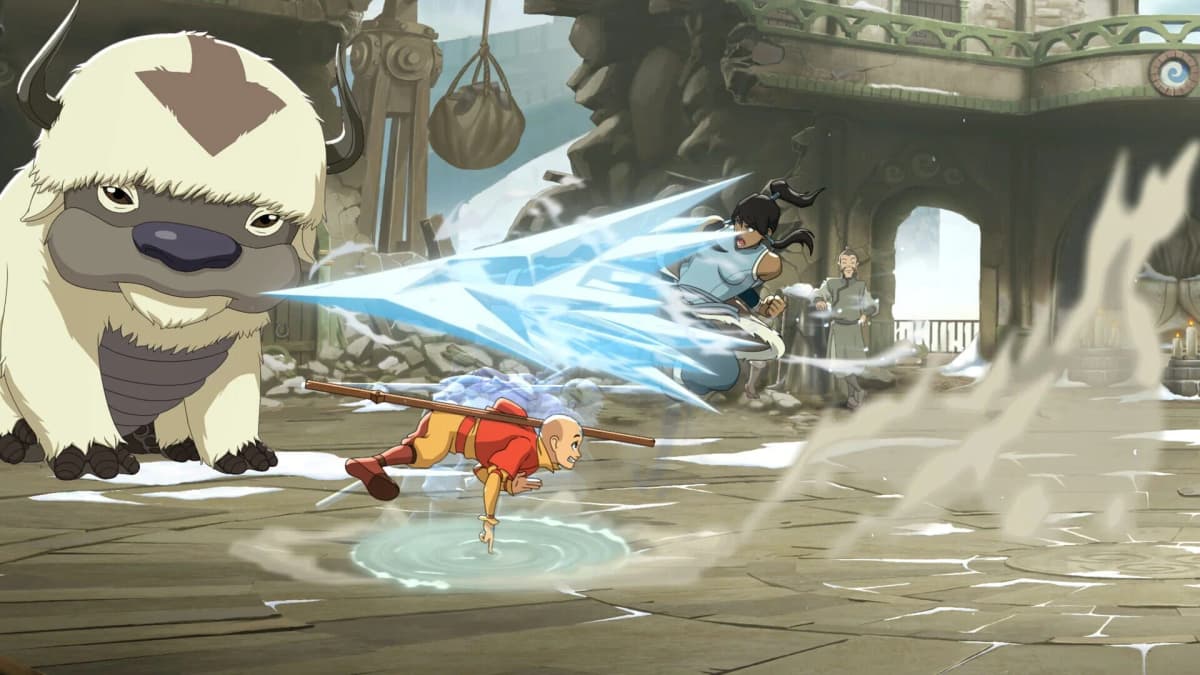
On Steam, the page describes Avatar Legends as “a fighting game grounded in the spirit of elemental mastery. Built for newcomers and veterans, it channels the energy of classic fighters while innovating in movement, style, and combat expression. Crafted with special attention to fluidity, responsiveness, and online integrity, it invites players to discover what it truly means to fight with determination. Hand-drawn in 2D, it’s designed to preserve the style and expressive animation of the original series.” That’s a clean, on-brand pitch—and also exactly the kind of copy we’ve seen a hundred times from indie fighters that never built a scene.
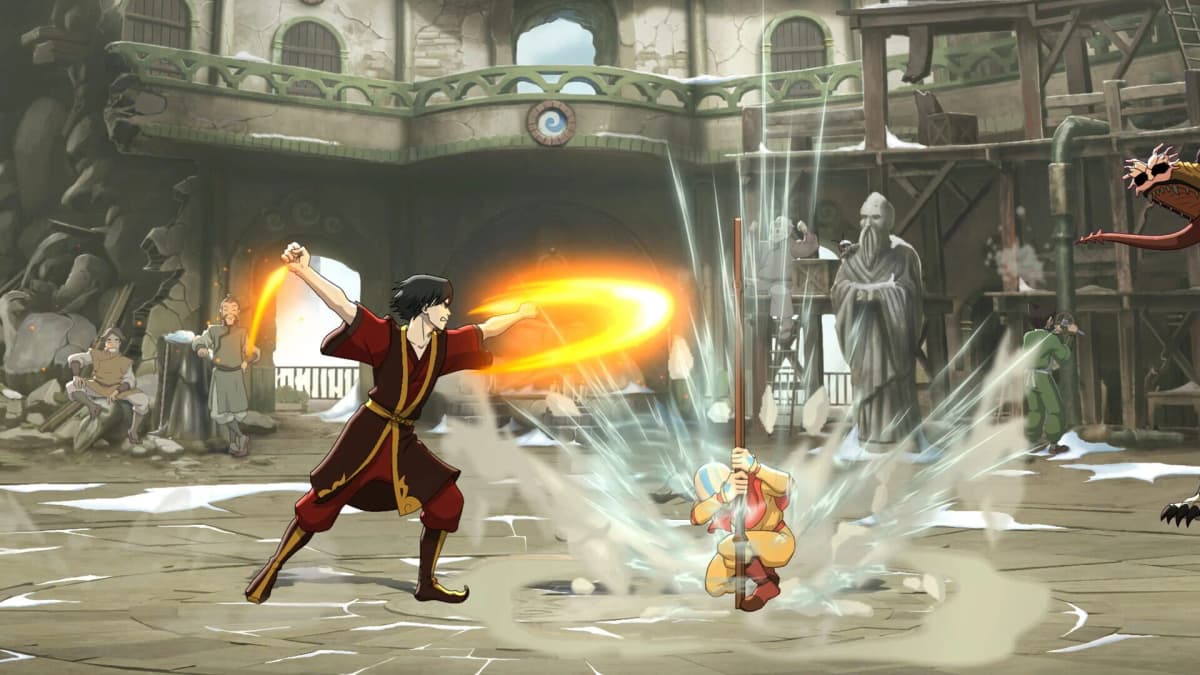
Here’s what matters in practice. Hand-drawn 2D can look incredible—Skullgirls proved it ages ago—but it’s expensive and time-consuming. If GGI can deliver fluid keyframes without sacrificing gameplay clarity, the Avatar aesthetic could pop in motion: Aang’s air dashes as real air dashes, waterbending stances flowing into stance cancels, Toph’s armor-like earth normals with huge hit-stop, Zuko/Azula fire strings with plus-on-block pressure, and Ty Lee as a rushdown/chi-blocker archetype. The license is a natural fit for a roster that spans zoners (Katara), grapplers (Bumi?), setplay (Toph walls), and footsie-heavy mid-rangers (Zuko, Iroh).
“For newcomers and veterans” can’t just be softer inputs. The bar in 2025-2026 is a full onboarding suite: frame data in the UI, visual input buffers, actionable trials, situation training, replays with input display, and hitbox viewers. Look at how Street Fighter 6, Strive, and even Granblue Rising teach systems; anything less and the game will lose both casual fans and the FGC.
The real test: netcode, support, and trust
Every fighting game press release promises “good online.” Only rollback netcode—with per-match ping, jitter readouts, and stable delay frames—earns trust. Crossplay is non-negotiable. So are proper lobbies, ranked with meaningful tiers, quick rematch flows, and spectating that doesn’t desync. “Online integrity” should also cover anti-cheat and region selection, not just buzzwords.
GGI is new, and that cuts both ways. Fresh studios can move fast and avoid legacy tech debt; they can also underestimate just how hard it is to stand up reliable online for a fighter. The company’s stated mission—according to GamesBeat— is to give abandoned games “a second life” by polishing gameplay and delivering high-quality experiences. That’s admirable, but fighting games aren’t just products; they’re services with a competitive ecosystem attached. You need public stress tests, a clear content cadence, and honest balance communication. If this is the “working title,” cool—now show a roadmap: character count at launch, post-launch plans, and whether monetization will be fair (no pay-to-win gems or intrusive battle passes throttling lab time).
For context, licensed arena brawlers like Nickelodeon All-Star Brawl turned the corner by eventually adding rollback and deeper systems, but they launched thin. MultiVersus learned the hard way that a strong IP isn’t enough without sustained gameplay depth and smart economy design. Avatar can’t rely on nostalgia; it needs systems people want to grind for more than a weekend.
Want to Level Up Your Gaming?
Get access to exclusive strategies, hidden tips, and pro-level insights that we don't share publicly.
Ultimate Gaming Strategy Guide + Weekly Pro Tips
Why this could finally work (and why it still might not)
The upside is obvious: bending-based movesets practically design themselves, and a hand-drawn 2D look could give Avatar its own visual identity next to anime fighters. If GGI nails movement—air mobility, fast-cancel options, strong defensive mechanics like pushblock or guard cancel—the game could find a home in weeklies quickly. Community TOs love a fighter that’s readable on stream and consistent online.
The risks are just as clear. Summer 2026 is far off, which usually means the build is early. If this was canceled last year and is now resurrected, scope discipline matters. Don’t chase 30 characters at launch; ship 12-16 polished fighters with real depth, robust training, and crossplay. If the first open beta reveals rollback hiccups or muddy frame data, the FGC will move on, and it’s brutal to win them back.
What I need to see next
- Explicit confirmation of rollback netcode and full crossplay.
- A training mode feature list that matches modern standards (frame-step, hitbox display, save states).
- At least one public beta with dates, plus a launch roster target and post-launch roadmap.
- Evidence of respectful, expressive animation that stays readable at 60fps—show me Aang’s air dash, Toph’s earth armor, and water-fire interactions that create steam mind games.
I want this to hit. Avatar has been done dirty in games for too long, and the pitch here—2D, competitive, hand-drawn—finally aligns with what the series is good at. But promises don’t build scenes. Netcode, systems, and support do. Your move, GGI.
TL;DR
Avatar Legends: The Fighting Game is back from cancellation with a hand-drawn 2D look and competitive ambitions. If it ships with rollback, crossplay, and real training tools, it could finally give Aang a great game. Without those, it’ll be another pretty licensed swing that whiffs.