
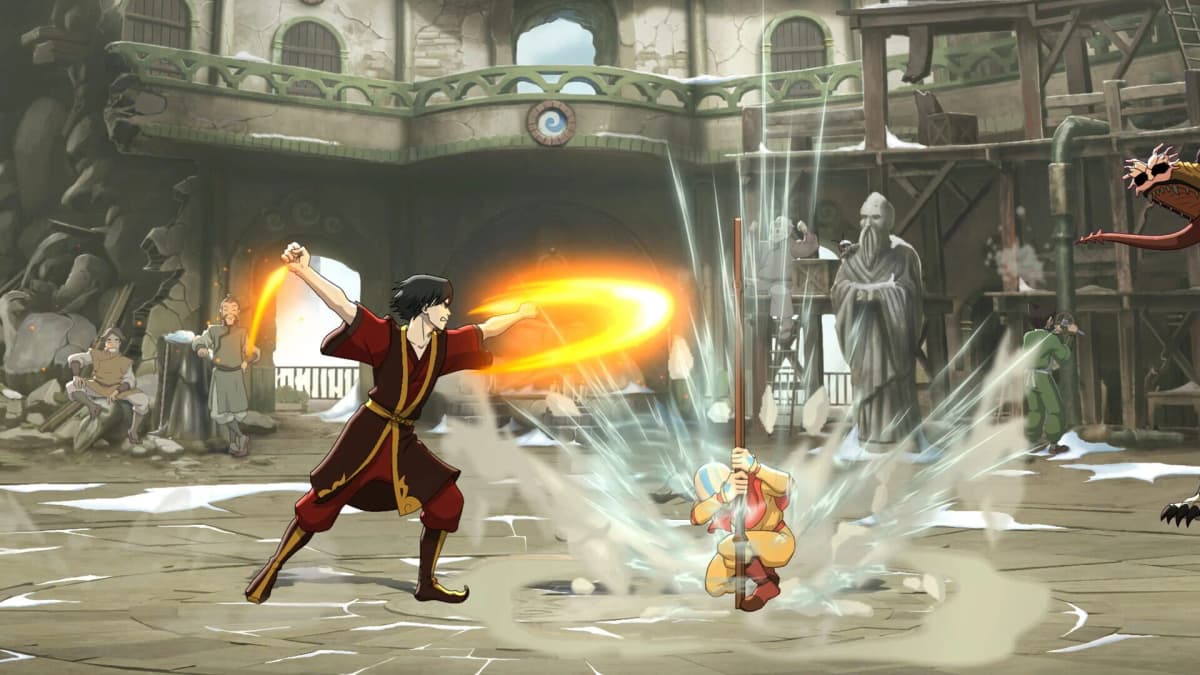
As Korra, I had an opponent pinning me near the corner and a Heavy attack ready to punish the obvious escape route. One press of Flow changed the entire rhythm of the exchange. I slipped into a better position, reclaimed space, and turned a losing scramble into a combo opportunity. That moment is Avatar Legends: The Fighting Game in miniature: fast, expressive, deeply satisfying combat housed inside a package that badly needed more care away from the versus screen.
I kept coming back because the fights have a rare sense of motion. This is a 2D fighter where standing still feels like surrendering territory. Flow gives every character a sharper, more fluid way to navigate pressure, create openings, and keep an opponent nervous. The game understands that Avatar combat should feel airborne, reactive, and a little reckless. Its strongest rounds play exactly that way.
Table of Contents (9)
Key Takeaways
- Flow is the heart of Avatar Legends: The Fighting Game, giving its four-button combat a fast and distinctive mobility layer.
- Light, Medium, Heavy, and Flow form an approachable control scheme with enough room for sharp movement, combos, and character-specific expression.
- Korra, Ty Lee, and the rest of the cast feel meaningfully different in motion rather than like palette-swapped variations of one template.
- Rollback netcode gives online matches the responsive foundation a fighting game needs, but the surrounding online features feel incomplete.
- The Legend and the broader solo offering lack the depth, clarity, and replay value needed to support players who are not living in competitive matches.
- The $29.99 standard edition is a fair price for players hungry for online fights; the Deluxe Edition makes little sense until the wider package catches up.
Flow Makes Every Match Feel Alive
Avatar Legends: The Fighting Game has four main buttons: Light, Medium, Heavy, and Flow. That sounds stripped down, even suspiciously simple, until the first few matches force the truth into focus. Flow carries the game. It changes how I approach neutral, how I escape pressure, and how I extend a moment of advantage without letting the fight turn into a static exchange of safe attacks.
I loved how quickly the system made me think about space rather than simply damage. A clean hit matters, obviously, but positioning matters just as much. Flow lets combat breathe. I found myself hunting for a small movement error, using Flow to exploit it, then converting that opening into a combo before my opponent could reset the screen. The result has a restless energy that fits the Avatar world far better than a slow, ground-bound brawler ever could.
The shared Flow and energy structure also gives the game an appealing push-and-pull. Spending that resource creates opportunities, but careless use leaves fewer answers when momentum swings the other way. I never felt buried under needlessly complicated commands. I felt challenged by decisions that mattered every few seconds, which is exactly where a good fighting game should put its pressure.
That clarity makes Avatar Legends unusually welcoming. I could hand the controller to someone who understood the basic Light-Medium-Heavy language in minutes, then still spend an evening finding better movement routes and cleaner combo conversions. The ceiling sits well above the floor. That is a major win.
The Cast Has Real Personality in Motion
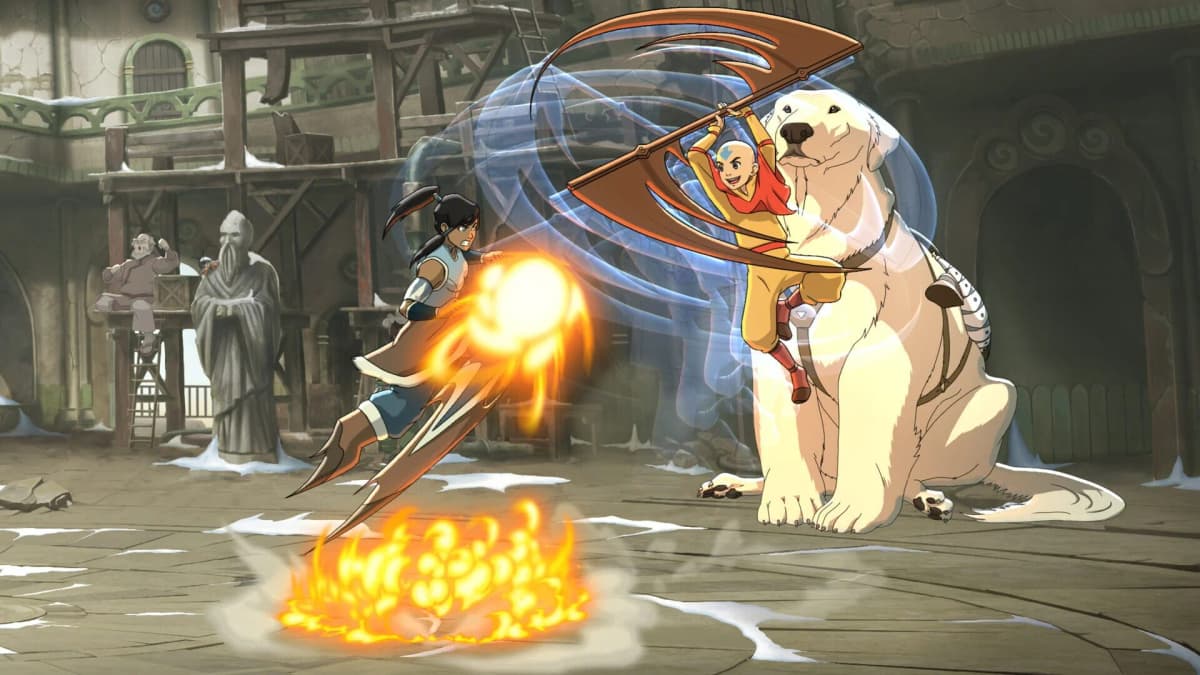
The character work gives the combat its staying power. Avatar Legends does not lean solely on familiar faces and recognizable effects; it makes its fighters feel different when they occupy the same space. Korra carries herself with force and urgency, while Ty Lee brings a completely different kind of movement and pressure. I could feel the distinction before I had fully learned either character’s deeper options.
That matters because a fighting game roster lives or dies by replay value. I need a reason to return after the novelty of a new character animation fades. Here, the varied move feel and the mobility-first design gave me that reason. Swapping characters changed the tempo of my matches and the kind of openings I chased. The combat never collapsed into a bland exercise of repeating the same route with a different character model.
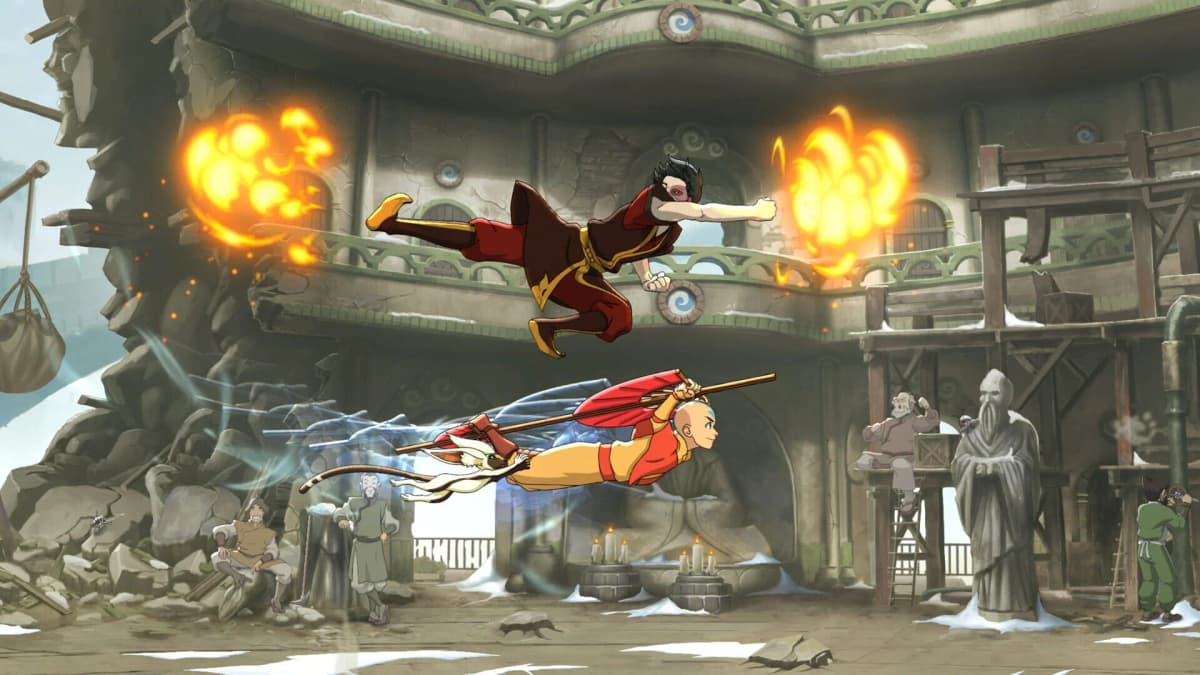
The visual presentation supports that identity beautifully. The animation, effects, and color work have the lively shape and elemental punch I wanted from an Avatar fighter. Attacks read clearly even while the action accelerates, and the game retains its animated personality instead of smothering every exchange in visual noise. I enjoyed the fan-service touches, including palette swaps, because they sit inside a fighting game that already has a strong visual voice of its own.
Rollback Makes Online Fights Worth Taking Seriously
A fighting game with this much emphasis on speed needs reliable online play, and rollback netcode gives Avatar Legends the right technical base. The system preserves the rhythm of the game: quick repositioning remains readable, scrambles stay tense, and the Flow-driven movement does not lose its value the moment I leave local play.
That solid foundation made the missing online conveniences more irritating. The game needs a fuller feature set around its matches. Lobby limitations and the absence of replay tools cut directly against the kind of experimentation its combat invites. I wanted to revisit a close round, inspect where I threw away control of the screen, and study the exact point where a Flow decision shifted the match. The game gives me reasons to improve, then makes the improvement process less convenient than it should be.
This does not ruin online play. The actual fighting is good enough to keep me queuing. It does mean Avatar Legends arrives feeling like a strong competitive core surrounded by infrastructure that has not received equal attention.
Training Helps Beginners, Then Lets Them Down
I appreciated the effort to teach the fundamentals. The tutorials and training support create an accessible route into the combat, especially for players drawn in by Avatar rather than long experience with fighting games. The game explains enough to get a newcomer using the four-button system, testing movement, and understanding why Flow matters.
Then the training interface becomes a drag. The UI feels cumbersome precisely when I wanted to move from casual familiarity into deliberate practice. A clean training mode should make experimenting painless: test a sequence, check what happened, adjust, repeat. Avatar Legends adds friction to that loop. It is not a fatal flaw, but it is a frustrating one because the combat has enough depth to deserve a smoother laboratory.
That mismatch runs through much of the package. The designers clearly understand the pleasure of learning through play. The menus, progression presentation, and practice tools do not always respect the player’s time with the same confidence.
The Legend Cannot Carry the Solo Side
The Legend should have been the bridge between the game’s approachable fighting and its wider Avatar appeal. Instead, I found a brief, easy story experience with uneven pacing, joke-heavy presentation, and too little substance to anchor the rest of the package. It moves along without giving its dramatic beats enough room to land, and the overall structure feels more confusing than compelling.
Solo play suffers beyond the story as well. The options are limited, difficulty controls are too restricted, and progression can feel punishing without doing enough to explain itself. I wanted an offline path that let me settle into a character, learn their strengths, and enjoy the game at my own pace. Avatar Legends repeatedly pushed me back toward competitive matches instead.
That is a problem because the combat deserves more than a thin proving ground. A player who buys this for The Legend, a broader solo routine, or a deeper character-learning journey will reach the edges of the package far too quickly. The fighting remains excellent. The support around it does not.
Who Avatar Legends: The Fighting Game Is For
I recommend Avatar Legends: The Fighting Game to players who want a sharp, approachable 1v1 fighter and expect to spend meaningful time online or with a local opponent. The standard edition’s $29.99 price is fair for that audience. The Flow system alone gives the game an identity many full-priced fighters fail to establish.
I would hold off if solo content is the priority. The Legend is too slight, the single-player suite is too limited, and the training UI does not make long-term self-improvement as comfortable as it needs to be. The same warning applies to players who consider replay analysis, robust lobbies, and a complete set of online tools essential rather than optional.
Bottom Line
Avatar Legends: The Fighting Game earns its place through the sheer pleasure of moving. Flow turns every round into a contest of space, nerve, and timing, while the varied cast gives that system enough personality to stay fresh. I had a great time chasing openings as Korra, probing pressure routes with Ty Lee, and watching a single smart movement choice flip an entire match.
The frustration is that the surrounding game does not match that quality. The Legend is undercooked, solo tools are thin, the training UI needs work, and online play lacks features that would help the competitive community grow. Gameplay Group International has built the important part-the actual fighting-with real confidence. The rest of the package needs to meet it there.
TL;DR
Avatar Legends: The Fighting Game has excellent movement-driven combat, a smart Flow mechanic, distinctive characters, and rollback-backed online matches. Its weak point is everything surrounding those fights: The Legend is thin, solo options lack depth, training UI is cumbersome, and the online feature set needs more substance. At $29.99, it is an easy recommendation for competitive players and a cautious one for solo-focused Avatar fans.
FinalBoss // Gear
Level up your setup
01Top-rated gaming headsetson Amazon→02High-refresh gaming monitorson Amazon→03Gaming chairson Amazon→04Discounted game keyson Kinguin→Affiliate links · As an Amazon Associate, FinalBoss earns from qualifying purchases.
Want to Level Up Your Gaming?
Get access to exclusive strategies, hidden tips, and pro-level insights that we don't share publicly.
Ultimate Reviews Strategy Guide + Weekly Pro Tips