
Avatar Legends: The Fighting Game’s Closed Alpha Shoots for FGC Cred—But Can It Deliver?
Game intel
Avatar Legends: The Fighting Game
Avatar Legends: The Fighting Game is a fast-paced 1v1 fighter where you battle as your favorite characters from the Avatar franchise. Featuring hand-drawn 2D a…
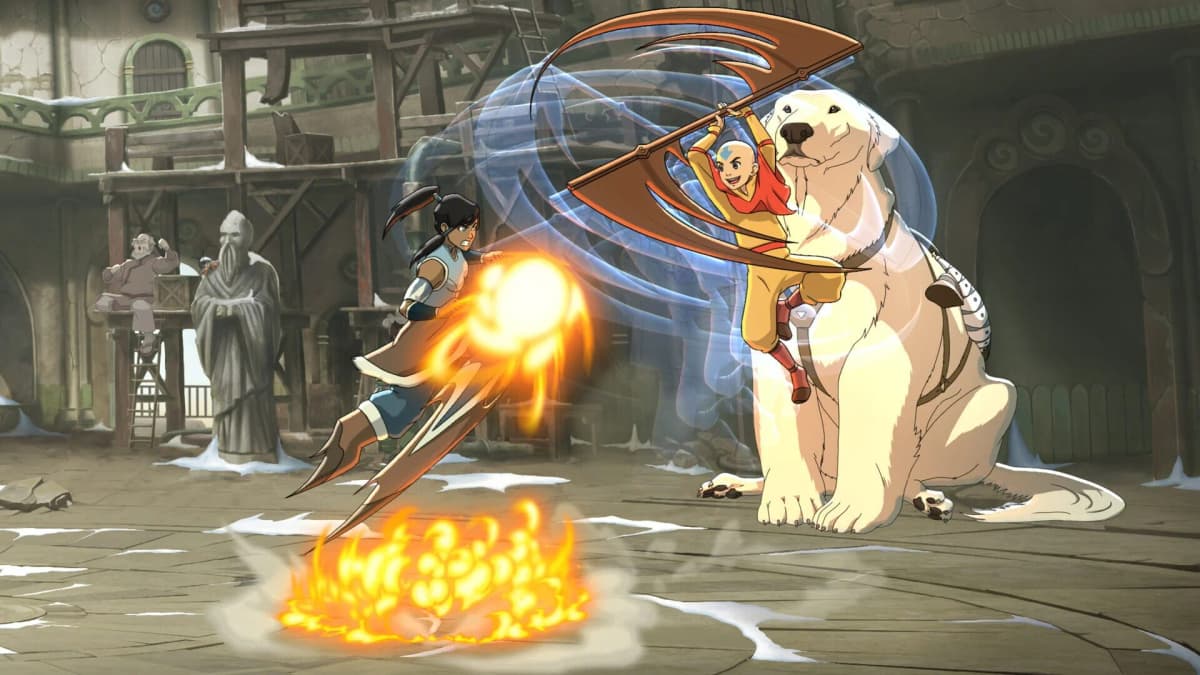
Avatar and a proper 2D fighter is a combo I didn’t expect to see in 2025, and it immediately caught my attention for one reason: the team tapped Justin Wong to present the latest video. If you’re trying to win the fighting game community’s trust, you start there. Gameplay Group has announced a closed alpha for Avatar Legends: The Fighting Game, showing off a faithful animated style and confirming four playable characters-Aang, Korra, Katara, and Zuko-on the road to a summer 2026 release on PC and consoles. That’s a long runway, which makes this alpha less about content and more about whether the fundamentals are on track.
Key Takeaways
- Closed alpha features four characters; base roster at launch is set at 12-expect post-launch additions.
- Justin Wong’s involvement signals serious FGC intent, but intent isn’t netcode—rollback and crossplay need clear confirmation.
- Faithful Avatar aesthetics look great; the question is whether bending reads cleanly in a competitive 2D ruleset.
- Summer 2026 is far off; this phase is about mechanics, responsiveness, and onboarding, not content breadth.
Breaking Down the Announcement
The alpha is closed—think limited invites and short testing windows—so don’t expect a full tour of the Avatar world yet. The playable lineup hits the obvious four: Aang (mobile airbender), Korra (multi-element pressure), Katara (waterbending control), and Zuko (aggressive firebender). The studio says the full game will ship with a 12-character base roster, which is sensible for a first entry. The art direction sticks close to the animated series, which is the right call; if you’re adapting Avatar, you don’t chase photorealism, you nail readability and personality.
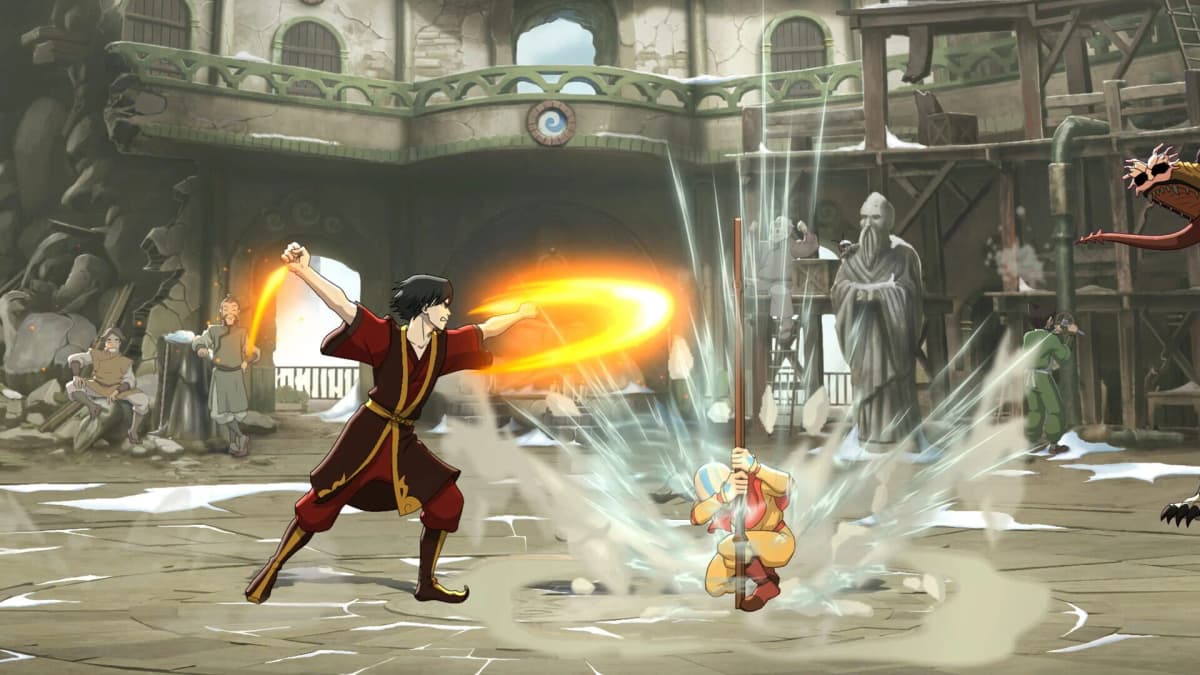
What we’ve seen highlights fast, 2D footsies with big elemental specials, cinematic flourishes, and mechanics like dodges and “break through” style options that suggest guard crush or armor interactions. That’s promising flavor, but the meat of a fighter is how it feels on frame one: input latency, hitstop, hurtbox integrity, and how consistent anti-airs and whiff punishes are. A flashy trailer can’t answer that; an alpha can.
The Real Questions FGC Will Ask
Rollback netcode: confirmed or not? This is non-negotiable in 2025. Street Fighter 6 and Guilty Gear Strive set the standard—if Avatar ships with delay-based netcode, it’s DOA for competitive play. Crossplay is the next checkbox; a licensed fighter lives or dies by population, and splitting lobbies across platforms is how you create 10-minute queues.
Training mode matters too. If Gameplay Group wants to bridge Avatar fans and lab monsters, the alpha needs to prove they’re thinking about frame data displays, input recording, wake-up options, guard settings, and hitbox/hurtbox visualizations. Replays with input timelines and rollback scrubbing are now table stakes. We don’t need all of that in a first alpha, but we do need to hear it’s the plan.
Finally, match flow. Instant rematch, solid lobbies, unobtrusive UI, and clear net indicators. If you’ve played MultiVersus’ relaunch or Nickelodeon All-Star Brawl’s iterations, you know decent mechanics can get kneecapped by clunky online UX. This is where a lot of licensed fighters stumble.
Want to Level Up Your Gaming?
Get access to exclusive strategies, hidden tips, and pro-level insights that we don't share publicly.
Ultimate Gaming Strategy Guide + Weekly Pro Tips
Can Bending Actually Work in a 2D Fighter?
On paper, Avatar’s elements map nicely to classic archetypes. Aang screams high-mobility, air-control trickster; Zuko fits rushdown with fire-infused pressure and priority; Katara leans zoning and space denial with water whips and projectiles; Korra could be a stance/element swap character who changes frame data and combo routes on the fly. That’s fertile ground, but only if the VFX remain readable at speed. Overdesigned particles can hide hurtboxes and make anti-airs miserable.
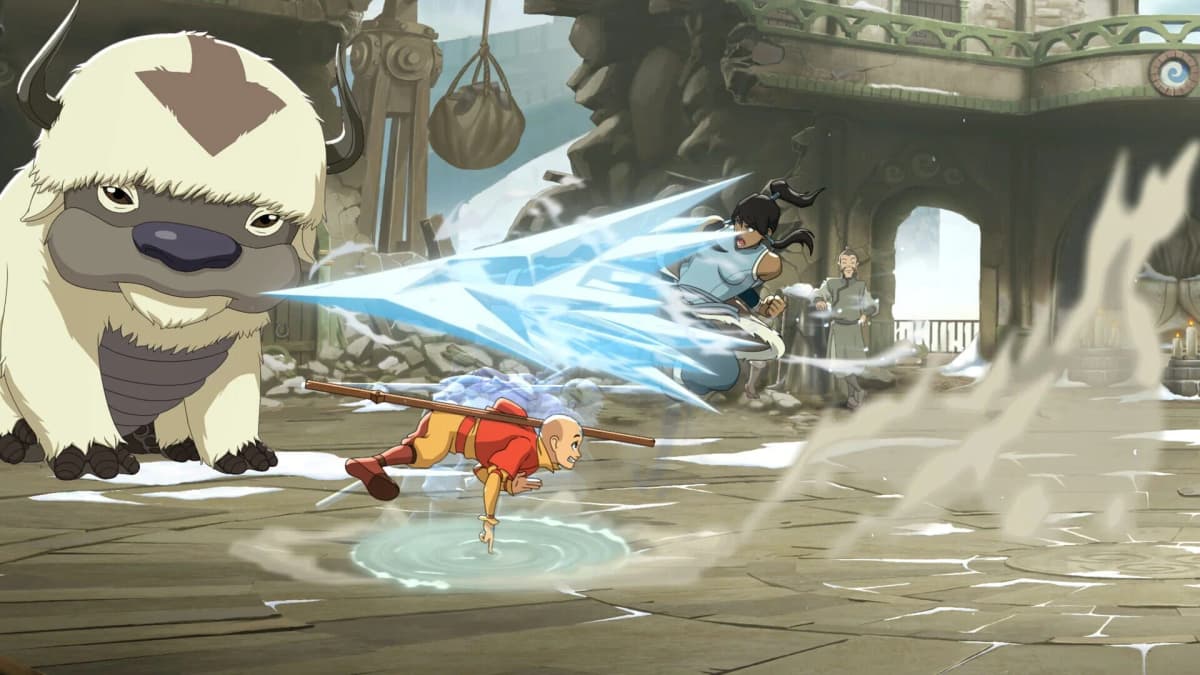
The roster of 12 raises fun speculation—Toph seems inevitable for earthbender fundamentals, and a Kyoshi or Azula could round out anchor slots—but the important bit is internal variety. If three characters all solve neutral the same way with different colored projectiles, players will check out. The alpha’s job is to prove each fighter has a distinct gameplan and clear counters.
Monetization, Authenticity, and Longevity
A 12-character base roster all but guarantees DLC. That’s fine—again, industry standard—so long as the launch cast feels complete and day-one purchases aren’t “buy back the missing matchup.” Battle passes and cosmetic stores are expected, but keep progression honest; Nickelodeon and MultiVersus both learned that padding grinds erodes goodwill fast. If Gameplay Group wants tournament adoption, spectator tools, lobbies that support community brackets, and a no-nonsense path to unlock core features will do more than any season pass roadmap.
One good sign: putting Justin Wong up front reads like a deliberate courtship of competitive players, not just Avatar fans. But swagger isn’t substance. The studio still needs to talk about balance philosophy (patch cadence, data-driven tweaks), anti-cheat, and how they’ll handle cross-region play. The Avatar license gives you attention; support gives you a scene.
What Players Should Actually Do in the Alpha
If you get in, treat it like a stress test with homework, not a demo. Focus feedback on input delay, rollback stability (check for desyncs and teleporting), hitbox weirdness on jump-ins and anti-airs, and whether defensive mechanics (dodge, breakers) feel abusable. Try at least two archetypes—say, a rushdown (Zuko) and a zoner/control pick (Katara)—to see if the system supports both ends of the spectrum.
And temper expectations. With a 2026 launch window, you’re not seeing story modes, casual-friendly extras, or the full roster. The best outcome is simple: tight inputs, readable combat, and a clear signal from the devs that rollback, crossplay, and robust training tools are locked in.
TL;DR
Avatar Legends: The Fighting Game looks the part and is saying the right things by bringing in FGC voices. The closed alpha will tell us whether it plays the part: give us rollback, crossplay, a real training mode plan, and distinct character gameplans. Nail those, and the 2026 launch might be more than just another shiny licensed fighter.